

Motmot

ダイゼン 対 ヨーロッパムナグロ

Pluvialis squatarola 対 Pluvialis apricaria

ダイゼンとヨーロッパムナグロのクイズ
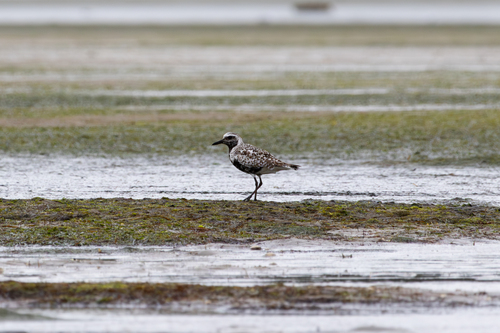
ダイゼン (Pluvialis squatarola) ダイゼン
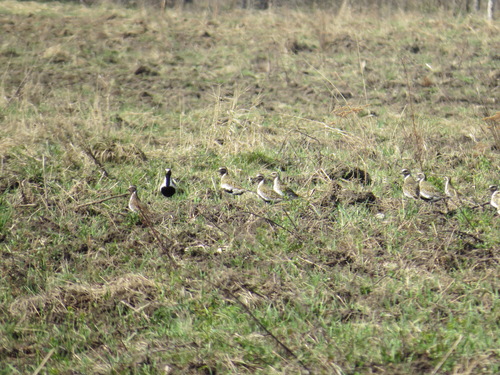
ヨーロッパムナグロ (Pluvialis apricaria) ヨーロッパムナグロ

メディア

読み込み中…

要点

ダイゼンとヨーロッパムナグロを区別する最も信頼できるフィールドマークは飛行中に見られます:ダイゼンはすべての年齢で黒い腋羽(脇の羽)を示し、ヨーロッパムナグロは淡い(白から灰色の)腋羽を持っています。このアンダーウィングの特徴は、幼鳥や未成熟な個体でも診断的です。構造的に、ダイゼンはより大きく、重いくちばしを持ち、繁殖羽衣では、黄金色の斑点のある上面とS字型の白い側面線とは異なり、目を引く黒い腹部と顔を白い縁取りで示します。非繁殖期や未成熟な羽衣では、両者は灰色っぽく見えることがありますが、くちばしのサイズ、アンダーウィングのパターン、全体的な形状に注意を払うことで区別できます。声と生息地は文脈で役立ちますが、羽衣や構造ほど信頼性は高くありません。

識別のコツ

  1. Check the underwing in flight: ダイゼンはすべての年齢で黒い腋羽(脇の羽)と内側の側面を示し、ヨーロッパムナグロは常に淡い(白から灰色の)腋羽を持っています。これは特に未成熟や非繁殖の鳥にとって、最も信頼できるフィールドマークです。
  2. Bill size and shape: ダイゼンはヨーロッパムナグロよりも明らかに大きく、重く、太いくちばし(24–34 mm)を持っています。特に鳥が並んでいるときや近距離で使用してください。
  3. Overall structure: ダイゼンはより大きく見え、頭が大きく、より直立した姿勢をしています。ヨーロッパムナグロはがっしりしていますが、よりコンパクトで、くちばしと尾が短いです。
  4. Breeding plumage (spring/summer): ダイゼンは黒い顔、首、胸、腹部を示し、鋭い白い縁取りと白い尾羽を持っています。ヨーロッパムナグロは黒い顔、胸、腹部を持っていますが、縁取りは額から側面までの白いS字型の線で、上面は黄金色の斑点があります。
  5. Non-breeding/immature plumage: 両者は上面が灰色っぽく見えることがありますが、ダイゼンはより地味で冷たい灰色で、ヨーロッパムナグロは黄金色のトーンと斑点を保持しています。幼鳥のダイゼンは黒っぽい背羽にクリーミーな縁取りがあり、幼鳥のヨーロッパムナグロはより黄金色の斑点があります。
  6. Tail pattern: ダイゼンは黒い縞模様のある白い尾を持っています;ヨーロッパムナグロの尾は短く、模様がはっきりしていません。
  7. Leg color: 両種ともに暗い脚を持っています;これは信頼できる区別にはなりません。
  8. Flight style: ダイゼンは飛行中により重く、力強く見え、翼が広いです;ヨーロッパムナグロは迅速で敏捷ですが、あまり重く見えません。
  9. Habitat: ダイゼンは繁殖シーズン外ではより厳密に沿岸に生息します;ヨーロッパムナグロは特に冬に、野原や湿地の内陸で見られる可能性が高いです。
  10. Voice: 聞こえた場合、ヨーロッパムナグロは柔らかく下降する「トゥー」という呼び声を出します。ダイゼンの呼び声はここでは説明されていません。
  11. Seasonal context: 春と夏には、ダイゼンの大胆な黒と白のパターンと、ヨーロッパムナグロの黄金色の斑点とS字型の白い縁取りを探してください。
  12. Pitfalls with immatures: 両種の未成熟や非繁殖の鳥は地面で似て見えることがあります。常に飛行中やストレッチ中にアンダーウィングを確認しようとしてください。
  13. When side-by-side: 両種が一緒にいるとき、サイズとくちばしの違いが最も明らかですが、距離があると微妙になることがあります。
  14. Rump and tail in flight: ダイゼンは白い尾羽と尾の基部を持ち、飛行中に見えます;ヨーロッパムナグロの尾羽はコントラストが少ないです。
  15. When in doubt: 最も信頼できる区別のために、アンダーウィングの腋羽の色とくちばしのサイズを優先してください、特に光が悪い場合や距離がある場合に。

大きさ

ダイゼンは一般的にヨーロッパムナグロよりも大きく、重いです。直接の測定はヨーロッパムナグロ(175 g)のみ利用可能ですが、ダイゼンは最も大きなPluvialisのムナグロとして記述されており、明らかに重い体格と大きくて太いくちばしを持っています。フィールドでは、ダイゼンはより大きく見え、より頑丈な頭とくちばしを持ち、ヨーロッパムナグロはよりコンパクトでがっしりしていますが、全体的にはそれほど重くはありません。

羽色

行動

両種は強く、速い飛行者ですが、ダイゼンは飛行中により重く、意図的に見える傾向があり、翼が広く、より力強く、直接的な飛行スタイルを持っています。ヨーロッパムナグロは迅速で力強いと説明されていますが、やや敏捷で重く見えない傾向があります。地面では、ダイゼンはより直立して立つことが多く、頭が大きく見え、ヨーロッパムナグロはよりコンパクトでがっしりしています。

生息環境

ダイゼンは繁殖シーズン外では沿岸の干潟や河口で最もよく見られ、ほぼ世界的な沿岸分布を持っています。ヨーロッパムナグロは繁殖中に内陸の湿地、草地、またはツンドラで見られる可能性が高く、冬には湿った野原や沿岸地域でも見られますが、一般的にダイゼンよりも即時の沿岸に結びついていません。

声

ヨーロッパムナグロは単音で、わずかに下降する、メランコリックな「トゥー」という呼び声を出します。提供されたメモにはダイゼンの特徴的な呼び声は記載されていないため、この場合の区別には声はあまり信頼できません。

より良い説明を送る

比較と同じ項目を使ってください。文章はすぐに公開されます。

The most reliable field mark to separate Grey Plover from European Golden Plover is seen in flight: Grey Plover of all ages shows solid black axillaries (armpit feathers), while European Golden Plover has pale (white to grey) axillaries. This underwing feature is diagnostic even for juveniles and immatures. Structurally, Grey Plover is bulkier with a heavier bill, and in breeding plumage, it shows a striking black belly and face with a white border, unlike the golden spangled upperparts and S-shaped white flank line of European Golden Plover. In non-breeding and immature plumages, both can appear greyish, but careful attention to bill size, underwing pattern, and overall shape will separate them. Voice and habitat can help in context but are less reliable than plumage and structure.

  1. Check the underwing in flight: Grey Plover of all ages shows solid black axillaries (armpit feathers) and inner flanks; European Golden Plover always has pale (white to grey) axillaries. This is the single most reliable field mark, especially for immatures and non-breeding birds.
  2. Bill size and shape: Grey Plover has a noticeably larger, heavier, and stouter bill (24–34 mm) than European Golden Plover. Use this especially when birds are side-by-side or at close range.
  3. Overall structure: Grey Plover looks bulkier, with a bigger head and more upright stance. European Golden Plover is thickset but more compact, with a shorter bill and tail.
  4. Breeding plumage (spring/summer): Grey Plover shows a black face, neck, breast, and belly with a sharp white border and a white rump. European Golden Plover has a black face, breast, and belly, but the border is a white S-shaped line from forehead to flanks, and the upperparts are golden-spangled.
  5. Non-breeding/immature plumage: Both can look greyish above, but Grey Plover is plainer, colder grey, while European Golden Plover retains some golden tones and spangling. Juvenile Grey Plover has blackish back feathers with creamy edges; juvenile European Golden Plover is more golden-spangled.
  6. Tail pattern: Grey Plover has a white tail with black barring; European Golden Plover's tail is shorter and less distinctly patterned.
  7. Leg color: Both species have dark legs; this is not a reliable separator.
  8. Flight style: Grey Plover appears heavier and more powerful in flight, with broader wings; European Golden Plover is rapid and agile but less heavy-looking.
  9. Habitat: Grey Plover is more strictly coastal outside the breeding season; European Golden Plover is more likely inland on fields or moorland, especially in winter.
  10. Voice: If heard, European Golden Plover gives a soft, descending 'tuu' call. Grey Plover's call is not described here.
  11. Seasonal context: In spring and summer, look for the bold black and white pattern of Grey Plover versus the golden spangling and S-shaped white border of European Golden Plover.
  12. Pitfalls with immatures: Immature and non-breeding birds of both species can look similar on the ground. Always try to see the underwing in flight or when stretching.
  13. When side-by-side: The size and bill differences are most obvious when both species are together, but can be subtle at a distance.
  14. Rump and tail in flight: Grey Plover has a white rump and tail base, visible in flight; European Golden Plover's rump is less contrasting.
  15. When in doubt: Prioritize the underwing axillary color and bill size for the most reliable separation, especially in poor light or at a distance.

Grey Plover is generally larger and heavier than European Golden Plover. While direct measurements are only available for European Golden Plover (175 g), Grey Plover is described as the largest Pluvialis plover, with a noticeably heavier build and a larger, stouter bill. In the field, Grey Plover appears bulkier, with a more robust head and bill, while European Golden Plover is more compact and thickset, but not as hefty overall.

  • Juvenile and First-winter: Both species can appear similar on the ground, with greyish or golden-spangled upperparts. The key difference is in flight: Grey Plover (all ages) shows solid black axillaries and inner flanks, while European Golden Plover has pale (white to grey) axillaries. Juvenile Grey Plovers have blacker backs with creamy white edging, while juvenile European Golden Plovers show more golden spangling.
  • Non-breeding (winter) adults: Both species become plainer above, but Grey Plover is a cold, plain grey with a speckled breast and white belly; European Golden Plover retains some golden spangling and is generally warmer-toned above. Underwing pattern remains diagnostic.
  • Breeding (summer) adults: Grey Plover is boldly patterned with a black face, neck, breast, and belly, bordered by a sharp white line, and a white rump. European Golden Plover has a black face, breast, and belly as well, but the black is bordered by a distinctive white S-shaped line from the forehead to the flanks, and the upperparts are golden-spangled rather than spotted black and white. The tail of Grey Plover is white with black barring; European Golden Plover has a shorter tail with less contrast.

Both species are strong, fast flyers, but Grey Plover tends to appear heavier and more deliberate in flight, with broader wings and a more powerful, direct flight style. European Golden Plover is described as rapid and powerful, but slightly more agile and less heavy-looking. On the ground, Grey Plover often stands more upright and appears larger-headed, while European Golden Plover is more compact and thickset.

Grey Plover is most often found along coastal mudflats and estuaries outside the breeding season, with a nearly worldwide coastal distribution. European Golden Plover is more likely to be found inland on moorland, grassland, or tundra during breeding, and in winter can be found on wet fields as well as coastal areas, but is generally less tied to the immediate coast than Grey Plover.

European Golden Plover gives a monosyllabic, slightly descending, melancholic 'tuu' call. No distinctive call is described for Grey Plover in the provided notes, so voice is less reliable for separation in this case.

変更を破棄しますか?

保存していない編集があります。今離れると失われます。

ダイゼン · ヨーロッパムナグロ · 苦手な鳥