

Motmot

ハイイロヤケイ 対 サケイ

Gallus sonneratii 対 Syrrhaptes paradoxus

ハイイロヤケイとサケイのクイズ
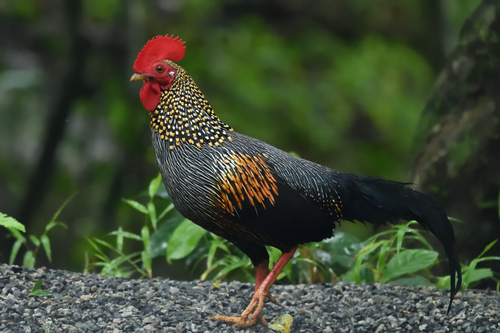
ハイイロヤケイ (Gallus sonneratii) ハイイロヤケイ
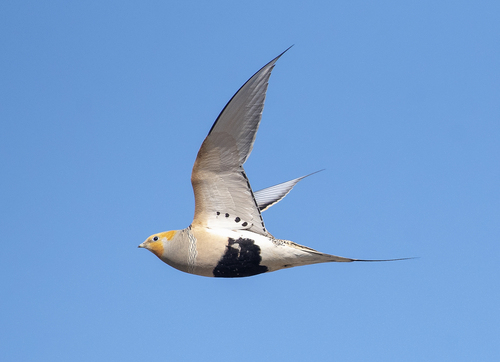
サケイ (Syrrhaptes paradoxus) サケイ

メディア

読み込み中…

要点

ハイイロヤケイとサケイを区別する最も信頼できる方法は、全体的な構造と羽毛によるものです:ヤケイはパターンのある灰色の体、赤い顔の皮膚、長い鎌型の尾羽を持つ鶏のような姿をしているのに対し、サケイはコンパクトで鳩のような頭を持ち、バフ色の横縞のある上面、黒い腹部の斑点、長い尖った翼と尾を持つ鳥です。飛行中、サケイは淡い下翼と目を引く黒い腹部を示し、ハイイロヤケイはより重く、これらの飛行の印が欠けています。両種の雌は地味ですが、ヤケイはまだ縞模様のある腹部と黄色の脚を示し、サケイの羽毛のある脚と癒合した趾とは異なります。生息地と行動も大きく異なります:ヤケイは森林の地面に生息し、サケイは水を求めて大きな群れで飛ぶ草原の専門家です。

識別のコツ

  1. Flight pattern: サケイは飛行中に淡い下翼と大胆な黒い腹部の斑点を示し、すべての年齢と性別で確認できます;ハイイロヤケイはこれらの印が欠けており、飛行中はより重く、流線型ではありません。
  2. Overall structure: ヤケイは鶏の形をしており、大きな体、小さな頭、長く曲がった尾羽を持っています;サケイはコンパクトで、小さな鳩のような頭、長い尖った翼、長い尖った尾を持っています。
  3. Legs and feet: ハイイロヤケイのオスは赤い裸の脚にスパーを持ち;メスは黄色い裸の脚を持っています。サケイは羽毛のある脚と趾を持ち、前の三つの趾が癒合し、後ろの趾がないため、典型的な鳥の足ではなく、爪のように見えます。
  4. Facial features: ヤケイのオスは赤い顔の皮膚、肉垂、冠を示します(セキショクヤケイよりも発達が少ない);サケイには裸の顔の皮膚、肉垂、冠がありません。
  5. Neck hackles: オスのハイイロヤケイは黄色がかったプレートで終わる特徴的な長い首の羽を持ち、フライタイイングに使用されます;サケイにはそのようなハックルはありません。
  6. Body plumage: ヤケイのオスはオーカーの斑点がある細かいパターンの灰色で、黒いケープを持ち;メスは縞模様のある下部と黄色の脚を持ち、地味です。サケイは上面がバフ色で横縞があり、オスは灰色の頭と胸、オレンジ色の顔、灰色の胸のバンドを持ち(メスはバンドがなく、上面により多くの横縞があります)。
  7. Tail shape: ヤケイは長く鎌型の中央尾羽を持っています;サケイは長い尖った尾を持っていますが、鎌型ではありません。
  8. Underparts: メスのハイイロヤケイは腹部に黒と白の縞模様を示します;サケイのメスはより均一にバフ色で横縞があり、縞模様のある腹部がありません。
  9. Habitat: ヤケイは森林や密生した低木に生息し;サケイは開けた草原、半砂漠、草地にのみ生息し、森林には生息しません。
  10. Behavior: ヤケイは小さな群れで地面をつつき、逃げるか止まるためにのみ飛びます;サケイは大きな群れを形成し、水を求めて長距離を飛びます。
  11. Vocalization: ヤケイの鳴き声は大きく、鶏のようで、通常は夜明けや夕暮れに鳴き、鳴く前に羽ばたきません;サケイの鳴き声は柔らかく、転がるような音で、通常は飛行中に出されます。
  12. Sexual dimorphism: 両種とも雌は地味ですが、ヤケイの雌だけが黄色の脚と縞模様のある腹部を持ち;サケイの雌は胸のバンドがなく、上面により多くの横縞があります。
  13. Seasonal plumage: オスのヤケイは繁殖後にエクリプス羽毛を持ち、色とりどりの首の羽を失います;サケイは比較可能な季節の変化を示しません。
  14. Size: ヤケイははるかに重く、がっしりしています;サケイは軽く、流線型で、迅速で持続的な飛行のために構築されています。
  15. Feet in the field: 地面で見られた場合、サケイの爪のような羽毛のある足はユニークで、ヤケイの裸で鶏のような趾とは異なります。

大きさ

ハイイロヤケイは平均857.5g(wikidata)で、はるかに重く、がっしりしており、典型的な鶏のような体型をしています。サケイは長さ30〜41 cmですが、はるかに軽く、コンパクトで、小さな頭と首を持ち、迅速で持続的な飛行のために流線型の空気力学的な体を持っています。サケイの長い尖った翼と尾は、その細長い外観をさらに強調し、ヤケイの丸い翼と長く曲がった尾羽と対照的です。

羽色

ハイイロヤケイには年齢特有の上翼や飛行の印は記述されていませんが、すべての年齢のサケイは飛行中に淡い下翼と黒い腹部の斑点を示し、これが区別の鍵となります。成鳥のオスのハイイロヤケイはオーカーの斑点のある黒いケープ、細かいパターンの灰色の体、黄色がかったプレートで終わる独特の首のハックルを持ち;メスは黒と白の縞模様のある腹部と黄色の脚を持ち、地味です。対照的に、オスのサケイは灰色の頭と胸、オレンジ色の顔、灰色の胸のバンドを持ち、メスは地味で、胸のバンドがなく、上面により多くの横縞があります。サケイの羽毛は全体的にバフ色で横縞があり、両性とも羽毛のある脚と趾を持ち、裸の脚のヤケイとは異なります。ヤケイの赤い顔の皮膚と肉垂(セキショクヤケイよりも発達が少ない)もサケイにはありません。

行動

ハイイロヤケイは主に地上性で、小さな群れで地面をつつき、危険を逃れるか止まるためにのみ木に飛びます。彼らは警戒心が強く、しばしば森林の下草に隠れます。サケイは非常に群れを成し、大きな群れを形成し、水源に向かって夜明けや夕暮れに長距離を急速に飛びます。彼らの飛行は速く、直接的で、開けた地面で多くの時間を過ごします。オスは雛のために胸の羽に水を運ぶ行動をし、これはヤケイには見られません。

生息環境

ハイイロヤケイは森林地域、低木や森林に生息し、カバーから遠く離れることはほとんどありません。対照的に、サケイは開けた乾燥した草原、半砂漠、草地の鳥であり、森林の生息地を避けます。サケイは開けた国で、水たまりの近くでよく見られますが、ヤケイはほとんど常に密生した植生の中または近くにいます。

声

ハイイロヤケイは大きく、特徴的な「クー・カヤク・キュク・キュク」という鳴き声を出し、通常は夜明けや夕暮れに鳴き、セキショクヤケイとは異なり、鳴く前に羽ばたきません。サケイの鳴き声はここでは詳細には記述されていませんが、一般的に柔らかく、転がるような音で、飛行中に出されることが多く、水に近づく群れの時に聞かれます。ヤケイの鳴き声は、サケイの音よりもはるかに大きく、鶏のようです。

より良い説明を送る

比較と同じ項目を使ってください。文章はすぐに公開されます。

The most reliable way to separate Grey Junglefowl from Pallas's Sandgrouse is by overall structure and plumage: junglefowl are chicken-like with a patterned grey body, red facial skin, and long sickle-shaped tail feathers, while sandgrouse are compact, pigeon-headed birds with buff, barred upperparts, a black belly patch, and long pointed wings and tail. In flight, Pallas's Sandgrouse shows pale underwings and a striking black belly, while Grey Junglefowl appears heavier and lacks these flight marks. Females of both species are duller, but the junglefowl still shows streaked underparts and yellow legs, unlike the sandgrouse's feathered legs and fused toes. Habitat and behavior also differ greatly: junglefowl are forest ground birds, sandgrouse are steppe specialists often seen in large flocks flying to water.

  1. Flight pattern: Pallas's Sandgrouse in flight shows pale underwings and a bold black belly patch, visible in all ages and sexes; Grey Junglefowl lacks these marks and appears heavier and less streamlined in flight.
  2. Overall structure: Junglefowl are chicken-shaped, with a large body, small head, and long, curved tail feathers; sandgrouse are compact, with a small pigeon-like head, long pointed wings, and a long, pointed tail.
  3. Legs and feet: Grey Junglefowl males have red, bare legs with spurs; females have yellow, bare legs. Pallas's Sandgrouse has feathered legs and toes, with three fused front toes and no hind toe, resembling a paw rather than a typical bird foot.
  4. Facial features: Junglefowl males show red facial skin, wattles, and comb (less developed than Red Junglefowl); sandgrouse have no bare facial skin, wattles, or comb.
  5. Neck hackles: Male Grey Junglefowl have distinctive elongated neck feathers ending in yellowish plates, used in fly-tying; sandgrouse lack any such hackles.
  6. Body plumage: Junglefowl males are finely patterned grey with ochre spots and a black cape; females are streaked below. Sandgrouse are buff with barring above, and males have a grey head and breast with an orange face and a grey breast band (female lacks band, more barred above).
  7. Tail shape: Junglefowl have long, sickle-shaped central tail feathers; sandgrouse have long, pointed tails but not sickle-shaped.
  8. Underparts: Female Grey Junglefowl show black and white streaking on the underparts; sandgrouse females are more uniformly buff and barred, lacking streaked bellies.
  9. Habitat: Junglefowl are found in forests and dense scrub; sandgrouse are only in open steppe, semi-desert, and grassland, never in forest.
  10. Behavior: Junglefowl forage on the ground in small groups, fly only to escape or roost; sandgrouse form large flocks and fly long distances to water.
  11. Vocalization: Junglefowl call is loud and chicken-like, usually at dawn/dusk, without wing-flapping; sandgrouse calls are soft, rolling, and usually given in flight.
  12. Sexual dimorphism: Both species show duller females, but only junglefowl females have yellow legs and streaked underparts; sandgrouse females lack the breast band and have more barring above.
  13. Seasonal plumage: Male junglefowl have an eclipse plumage after breeding, losing colorful neck feathers; sandgrouse do not show a comparable seasonal change.
  14. Size: Junglefowl are much heavier and bulkier; sandgrouse are lighter, more streamlined, and built for rapid, sustained flight.
  15. Feet in the field: If seen on the ground, sandgrouse's paw-like, feathered feet are unique and unlike the bare, chicken-like toes of junglefowl.

Grey Junglefowl is significantly heavier (average 857.5g [wikidata]) and bulkier, with a classic chicken-like build. Pallas's Sandgrouse, though long (30–41 cm), is much lighter and more compact, with a small head and neck, and a streamlined, aerodynamic body built for fast, sustained flight. The sandgrouse's long pointed wings and tail further accentuate its slender, elongated appearance, contrasting with the junglefowl's rounded wings and long, curved tail feathers.

No age-specific upperwing or flight marks are described for Grey Junglefowl, but Pallas's Sandgrouse of all ages shows pale underwings and a black belly patch in flight, which are key for separation. Adult male Grey Junglefowl have a black cape with ochre spots, finely patterned grey body, and unique neck hackles ending in yellowish plates; females are duller with black and white streaked underparts and yellow legs. In contrast, male Pallas's Sandgrouse has a grey head and breast, orange face, and a grey breast band, while the female is duller, lacks the breast band, and has more barring above. Sandgrouse plumage is overall buff with barring, and both sexes have feathered legs and toes, unlike the bare-legged junglefowl. The junglefowl's red facial skin and wattles (less developed than Red Junglefowl) are also absent in sandgrouse.

Grey Junglefowl are mostly terrestrial, foraging in small groups on the ground and flying up to trees only to escape danger or roost. They are wary and often skulk in forest undergrowth. Pallas's Sandgrouse are highly gregarious, forming large flocks that fly long distances rapidly to reach water sources at dawn and dusk. Their flight is fast and direct, and they spend much time on open ground. Males carry water in their breast feathers for chicks, a behavior not seen in junglefowl.

Grey Junglefowl inhabit forested areas, including scrub and woodland, and are rarely found far from cover. In contrast, Pallas's Sandgrouse are birds of open dry steppe, semi-desert, and grassland, avoiding forested habitats. Sandgrouse are often seen in open country, especially near waterholes, while junglefowl are almost always in or near dense vegetation.

Grey Junglefowl gives a loud, distinctive 'Ku-kayak-kyuk-kyuk' call, usually at dawn or dusk, and unlike Red Junglefowl, does not flap its wings before calling. Pallas's Sandgrouse calls are not described in detail here, but their vocalizations are generally soft, rolling, and given in flight, often as flocks approach water. The junglefowl's call is much louder and more chicken-like than any sandgrouse sound.

変更を破棄しますか?

保存していない編集があります。今離れると失われます。

ハイイロヤケイ · サケイ · 苦手な鳥