

Motmot

アオサギ 対 ムラサキサギ

Ardea cinerea 対 Ardea purpurea

アオサギとムラサキサギのクイズ
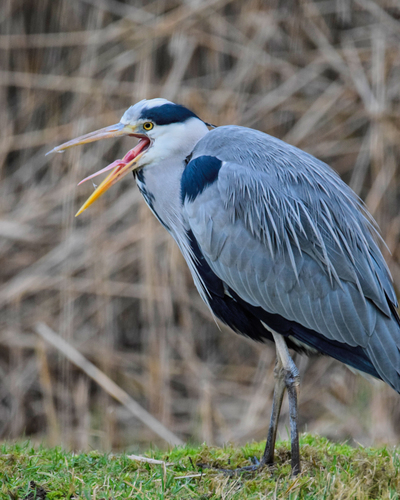
アオサギ (Ardea cinerea) アオサギ
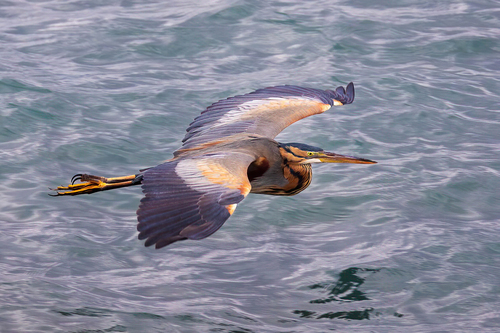
ムラサキサギ (Ardea purpurea) ムラサキサギ

メディア

読み込み中…

要点

アオサギとムラサキサギを区別する最も信頼できるフィールドマークは全体の色合いです:アオサギははるかに淡い色合いで、灰色の上面と目を引く白い頭と首、太い黒い眉斑を持っています。一方、ムラサキサギはより暗く、豊かな赤褐色と栗色のトーンを持ち、黒い冠とより栗色の縞模様の首があります。飛行中、両種は首を引っ込めますが、ムラサキサギはより細身に見え、首は細く、ヘビのような形状で、長い足が後ろに引きずられます。幼鳥のアオサギは鈍い色合いで、成鳥の鮮明な黒い頭の縞模様が欠けていますが、いずれにせよムラサキサギよりもはるかに淡く灰色に見えます。サイズも役立ちます:アオサギはより大きくて背が高いですが、重複に注意してください。生息地と行動も異なります:アオサギはより大胆で、しばしば開けた場所にいますが、ムラサキサギは秘密主義で、葦の茂みの中に隠れています。

識別のコツ

  1. Overall coloration: アオサギははるかに淡い色合いで、灰色の上面と白い頭と首を持っています;ムラサキサギはより暗く、豊かな赤褐色、栗色、そしてバフのトーンを持ち、特に首と胸に(すべての年齢で)。
  2. Head pattern (adult): アオサギは白い頭に太い黒い眉斑と冠を持っています;ムラサキサギは黒い冠と額を持ち、首の後ろに暗い縞模様があり、冠は短いです。
  3. Neck pattern: ムラサキサギは首の側面に強い栗色と暗い縞模様を示し、前面は淡いです;アオサギは主に白い首に青黒い縞模様があります。
  4. Juvenile marks: 幼鳥のアオサギは灰色(黒ではない)の頭の縞模様と淡い灰色の顔を持っていますが、ムラサキサギの豊かな栗色のトーンは欠けています;両者は成鳥よりも鈍いですが、アオサギの幼鳥は全体的にはるかに淡いままです。
  5. Crest length: アオサギの冠は長く、より目立ちます;ムラサキサギの冠は短く、あまり目立ちません。
  6. Bill color: アオサギのくちばしはピンクがかった黄色(繁殖期にはより明るい)です;ムラサキサギのくちばしは茶色がかった黄色で、ピンクが少ないです。
  7. Body structure: アオサギはより大きくて頑丈で、太い首と重い体を持っています;ムラサキサギは細身で、より細く、ヘビのような首と空洞の胸の外観を持っています。
  8. Legs and toes: ムラサキサギは非常に長い足を持ち、飛行中や浮遊する植物の上を歩くときに尾を超えて引きずられることがよくあります;アオサギの足は相対的に短いです。
  9. Flight jizz: 両者は首を引っ込めて飛びますが、ムラサキサギはより細身で長く見え、長い足が引きずられます;アオサギはより重く、広い翼を持っています。
  10. Behavior: アオサギはしばしば開けた場所で水辺に静止しているのが見られます;ムラサキサギは葦の中に隠れることを好み、密なカバーから離れて見られることはほとんどありません。
  11. Habitat: アオサギは開水域や沿岸地域を含む広範な湿地生息地に見られます;ムラサキサギは密な葦の茂みや湿地により制限されています。
  12. Vocalization: アオサギの鳴き声はより大きく、より喉の奥から出る音です;ムラサキサギの鳴き声は静かで、高音で、あまり頻繁には聞かれません。
  13. Size: アオサギはより大きく、重い(最大100 cmの高さ、2 kg);ムラサキサギはより小さく、細身(最大94 cmの高さ、1.35 kg)ですが、フィールドでの重複に注意してください。
  14. Posture: ムラサキサギは休んでいるときでもより斜めの首の姿勢を取ることがよくあります;アオサギは通常、首をより直立または引っ込めた状態で立っています。
  15. Confusion risk: 照明が悪い場合や距離がある場合、幼鳥のアオサギは鈍く見えることがありますが、ムラサキサギの豊かな栗色と暗い首の縞模様は決して示しません。常に頭のパターンと全体のトーンを確認してください。

大きさ

アオサギはより大きく、重い種です:成鳥は最大100 cmの高さに達し、長さは84–102 cm、翼幅は155–195 cmで、体重は1.02–2.08 kgです [wikipedia][avonet]。ムラサキサギは明らかに細身で軽量で、70–94 cmの高さ、78–97 cmの長さ、翼幅は120–152 cmで、体重はわずか0.5–1.35 kgです [wikipedia][avonet]。フィールドでは、アオサギはしばしばより大きく、頑丈に見え、ムラサキサギは特に首と体においてより細長く、繊細に見えます。

羽色

行動

アオサギは通常、より大胆で目立ち、しばしば水辺で静止しているのが見られたり、首を引っ込めて遅く、深い翼の打撃で飛んだりします。ムラサキサギははるかに秘密主義で、密な葦の茂みや植物の中に隠れることを好み、開けた場所で見られることは少なくなります。ムラサキサギはしばしばより斜めの首の姿勢を取り、その長い足により浮遊する植物の上や茂みの上を歩くことができます。飛行中、両種は首を引っ込めますが、ムラサキサギはより細身に見え、ヘビのような細い首と長い足が後ろに引きずられます。

生息環境

両種は湿地の鳥ですが、アオサギはより適応性があり、広範囲に分布し、湖、川、池、湿地、さらには沿岸地域の開けた生息地に見られます。ムラサキサギはより専門的で、広範な葦の茂み、カナブン、または密な湿地の植物を好み、カバーから離れて見られることは少なくなります。両者が共存する場所では、ムラサキサギは通常、より秘密主義で生息地に制限されています。

声

両種は厳しい鳴き声を出しますが、アオサギの鳴き声はより大きく、より喉の奥から出る音です。一方、ムラサキサギの「フランク」は静かで高音です。ムラサキサギは全体的にあまり声を出さず、巣の近くや飛行中でない限り、その鳴き声は聞かれることは少ないです。両者はコロニーで似たような喉の奥から出る音を出すことがありますが、アオサギの声はより力強いです。

より良い説明を送る

比較と同じ項目を使ってください。文章はすぐに公開されます。

The most reliable field mark to separate Grey Heron from Purple Heron is overall coloration: Grey Heron is much paler, with ashy-grey upperparts and a striking white head and neck with a bold black supercilium, while Purple Heron is darker, with rich reddish-brown and chestnut tones, a black crown, and a much more chestnut-streaked neck. In flight, both species retract their necks, but Purple Heron appears more slender, with a narrower, snake-like neck and longer toes trailing behind. Juvenile Grey Herons are duller and lack the crisp black head stripe of adults, but still appear much paler and greyer than any Purple Heron. Size can help: Grey Heron is bulkier and taller, but beware overlap. Habitat and behavior also differ: Grey Heron is bolder and often in the open, while Purple Heron is secretive, skulking in reed beds.

  1. Overall coloration: Grey Heron is much paler, with ashy-grey upperparts and a white head and neck; Purple Heron is darker, with rich reddish-brown, chestnut, and buff tones, especially on the neck and breast (all ages).
  2. Head pattern (adult): Grey Heron has a bold black supercilium and crest on a white head; Purple Heron has a black crown and forehead, with a dark stripe down the back of the neck and a shorter crest.
  3. Neck pattern: Purple Heron shows strong chestnut and dark streaking along the sides of the neck, with a paler front; Grey Heron has bluish-black streaks on a mostly white neck.
  4. Juvenile marks: Juvenile Grey Herons have a grey (not black) head stripe and paler grey face, but still lack the rich chestnut tones of Purple Heron; both are duller than adults, but Grey Heron juveniles remain much paler overall.
  5. Crest length: Grey Heron's crest is longer and more prominent; Purple Heron's is shorter and less noticeable.
  6. Bill color: Grey Heron's bill is pinkish-yellow (brighter in breeding season); Purple Heron's is brownish-yellow, less pinkish.
  7. Body structure: Grey Heron is bulkier and more robust, with a thick neck and heavy body; Purple Heron is slimmer, with a narrower, more snake-like neck and a hollow-chested look.
  8. Legs and toes: Purple Heron has very long toes, often visible trailing well beyond the tail in flight or when walking on floating vegetation; Grey Heron's toes are proportionally shorter.
  9. Flight jizz: Both fly with necks retracted, but Purple Heron looks more slender and elongated, with longer toes trailing; Grey Heron appears heavier and broader-winged.
  10. Behavior: Grey Heron is often out in the open, standing still at water's edge; Purple Heron prefers to skulk in reeds and is rarely seen away from dense cover.
  11. Habitat: Grey Heron is found in a wide range of wetland habitats, including open water and even coastal sites; Purple Heron is more restricted to dense reed beds and marshes.
  12. Vocalization: Grey Heron's call is louder and more guttural; Purple Heron's is quieter, higher-pitched, and less frequently heard.
  13. Size: Grey Heron is larger and heavier (up to 100 cm tall, 2 kg); Purple Heron is smaller and slimmer (up to 94 cm tall, 1.35 kg), but beware overlap in the field.
  14. Posture: Purple Heron often adopts a more oblique neck posture, even when at rest; Grey Heron usually stands with its neck more upright or retracted.
  15. Confusion risk: In poor light or at distance, juvenile Grey Herons can look dull, but never show the rich chestnut and dark neck streaking of Purple Heron. Always check for head pattern and overall tone.

Grey Heron is the larger and heavier species: adults stand up to 100 cm tall, measure 84–102 cm in length, and have a wingspan of 155–195 cm, with a body mass of 1.02–2.08 kg [wikipedia][avonet]. Purple Heron is distinctly slimmer and lighter, standing 70–94 cm tall, 78–97 cm long, with a wingspan of 120–152 cm, and weighs only 0.5–1.35 kg [wikipedia][avonet]. In the field, Grey Heron often looks bulkier and more robust, while Purple Heron appears more elongated and delicate, especially in the neck and body.

  • Juvenile/immature plumage: Juvenile Grey Herons are duller than adults, with a grey (not black) head stripe and a paler grey face, but still show a much paler overall appearance than Purple Heron. Juvenile Purple Herons are not described in detail here, but all ages show a darker, more chestnut-toned plumage compared to Grey Heron.
  • Adult plumage: Grey Heron adults are ashy-grey above and greyish-white below, with a white head and neck, a bold black supercilium and crest, and bluish-black streaks on the neck. Purple Heron adults are darker, with a black crown, chestnut and buff-streaked neck, and a grey-brown back and mantle. The breast is chestnut brown with black sides, and the underparts are darker, especially the belly and undertail. The Purple Heron's crest is shorter than the Grey Heron's. Both have long, straight bills, but Purple Heron's is browner, and Grey Heron's is pinkish-yellow.

Grey Heron is typically bolder and more conspicuous, often seen standing motionless in the open at water edges, or flying with slow, deep wingbeats and a retracted neck. Purple Heron is much more secretive, preferring to skulk in dense reed beds or among vegetation, and is less likely to be seen in the open. Purple Heron often adopts a more oblique neck posture, and its long toes allow it to walk on floating vegetation or even over bushes. In flight, both species retract the neck, but Purple Heron looks more slender, with a narrower, snake-like neck and longer toes trailing far behind.

Both species are wetland birds, but Grey Heron is more adaptable and widespread, found around lakes, rivers, ponds, marshes, and even coastal areas, often in open habitats. Purple Heron is more specialized, favoring extensive reed beds, canebrakes, or dense marsh vegetation, and is less likely to be seen away from cover. Where both occur, Purple Heron is usually the more secretive and habitat-restricted of the two.

Both species give harsh calls, but Grey Heron's call is louder and more guttural, while Purple Heron's 'frarnk' is quieter and higher-pitched. Purple Heron is generally less vocal overall, and its calls are less likely to be heard unless near the nest or in flight. Both can give similar guttural sounds at colonies, but Grey Heron's voice is more robust.

変更を破棄しますか?

保存していない編集があります。今離れると失われます。

アオサギ · ムラサキサギ · 苦手な鳥