

Motmot

ハイガシラショウビン 対 アオムネショウビン

Halcyon leucocephala 対 Halcyon malimbica

ハイガシラショウビンとアオムネショウビンのクイズ
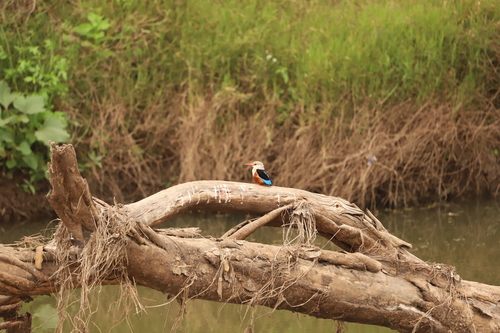
ハイガシラショウビン (Halcyon leucocephala) ハイガシラショウビン
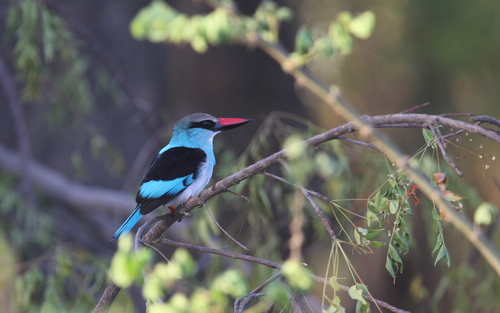
アオムネショウビン (Halcyon malimbica) アオムネショウビン

メディア

読み込み中…

要点

ハイガシラショウビンとアオムネショウビンを区別する最も信頼できるフィールドマークは、頭部と下部の色とパターンです。ハイガシラショウビンは淡い灰色の頭と豊かな栗色の下部を持ち、アオムネショウビンは明るい青い頭と白い腹部、そしてはっきりした青い胸帯を示します。くちばしの色も診断的です。Grey-headedは全体が赤いくちばしを持ち、Blue-breastedは赤い上顎と黒い下顎を持っています。飛んでいる時や止まっている時、Blue-breastedはより太く長く見え、より細身のGrey-headedよりも目立ちます。両種は翼と尾に青色がありますが、その範囲と色合いは異なります。これらの区別は成鳥に当てはまります。幼鳥は鈍い色合いですが、同じパターンに従います。

識別のコツ

  1. Head color: ハイガシラショウビンは常に淡い灰色の頭を持ち(成鳥と幼鳥)、アオムネショウビンは明るい青い頭を持っています。これはどの年齢でも最も即座に確認できるフィールドマークです。
  2. Underpart color: ハイガシラショウビンは豊かな栗色の下部(腹部と胸部)を示し、Blue-breastedの白い腹部と青い胸帯と対照的です。幼鳥も同じパターンに従いますが、色は鈍いです。
  3. Breast band: アオムネショウビンだけが白い腹部と青い上部を分けるはっきりした青い胸帯を持っています。Grey-headedはこの帯を示しません。
  4. Bill color: Grey-headedは全体が赤いくちばしを持ち、Blue-breastedは赤い上顎と黒い下顎を持っています。これは良い光の下で遠くからでも見えます。
  5. Size and structure: Blue-breastedは大きく(25 cm対21 cm)、太く、止まっている時により頑丈に見えます。Grey-headedはスリムでより繊細です。
  6. Wing and tail color: 両種は青い翼と尾を持っていますが、Blue-breastedの青はより広範で明るく、頭と背中も含まれます。Grey-headedの青は尾、翼、尾に限られ、黒いマントルと背中があります。
  7. Shoulder color: Blue-breastedは黒い肩を持ち、Grey-headedのマントルと背中は黒ですが、肩はそれほどはっきりとしたマークがありません。
  8. Habitat context: 鳥が深い森、川沿いの森林、または濃い影の中にいる場合、Blue-breastedの可能性が高いです。開けた森林、低木、または乾燥した地域、特に水から離れた場所では、Grey-headedが予想されます。
  9. Behavior: Grey-headedはしばしば露出した場所に止まり、動かずに獲物を見守り、ほとんどのカワセミよりも水に依存しません。潜る前に頭を上下させることがあります。Blue-breastedはよく木陰で静かに止まり、警戒心が強く、テリトリーを持っています。
  10. Vocalizations: Grey-headedの鋭い「tchk, tchk, tchk」と、Blue-breastedの笛のような「pu-pu-pu-pu-ku-ku-ku-ku」を聞いてください。呼び声はよく聞くと独特です。
  11. Flight style: Blue-breastedの飛行は迅速で直接的です。Grey-headedの飛行はあまり記述されていませんが、特に速いまたは直接的ではないとされています。
  12. Juvenile confusion: 両種の幼鳥は鈍いですが、主要な頭部と下部の色パターンを保持します。どちらの種にも独特の幼鳥の翼パターンは記述されていないため、頭と腹部の色に頼ってください。
  13. Seasonal movement: Grey-headedは一部の地域で渡りを行い、繁殖地から離れて見られることがありますが、Blue-breastedは主に定住しており、乾季に地域的に移動することがあります。
  14. Sex differences: 両種は羽毛において性別が単形であるため、性別は有用なフィールドマークではありません。
  15. Bill shape: 両者は大きく頑丈なカワセミのくちばしを持っていますが、色の違いが重要なマークです。

大きさ

アオムネショウビンは明らかに大きく、平均25 cmの長さで、ハイガシラショウビンの21 cmと比較されます。このサイズの違いはフィールドで明らかで、Blue-breastedは特に止まっている時により太く、頑丈に見えます。両種はHalcyonカワセミに典型的な類似の比率を持っていますが、Blue-breastedの重い体型と長い体は、並べて見たり経験を積むことで明らかです。

羽色

すべての年齢において、ハイガシラショウビンは淡い灰色の頭、黒いマントルと背中、明るい青い尾、翼、尾、そして栗色の下部を示します。くちばしは完全に赤です。アオムネショウビンは明るい青い頭、背中、翼のパネル、尾を持ち、白い腹部と青い胸帯があります。肩は黒です。くちばしは二色で、上は赤、下は黒です。両種の幼鳥は鈍いですが、頭部と下部の色パターンは残ります。Grey-headedの幼鳥は灰色の頭と栗色の腹部を保持し、Blue-breastedの幼鳥は青い頭と白い腹部、青い胸帯を持っています。どちらの種にも特定の年齢に特有の上翼パターンは記述されていませんが、全体的な青と灰色/栗色の対比は未熟な鳥でも強いです。

行動

ハイガシラショウビンはしばしば開けた森林や低木に止まり、獲物を見守り、水に依存することは少ないです。潜る前に頭を上下させることがあります。アオムネショウビンは良く木陰を好み、静かに止まり、より警戒心が強く、テリトリーを持っています。その飛行は迅速で直接的と記述されています。両種は止まり木から狩りをしますが、Blue-breastedは密な森林や水路沿いで見つかることが多く、Grey-headedは乾燥した開けた地域でより快適です。

生息環境

ハイガシラショウビンは熱帯および亜熱帯のアフリカと南アラビアに広く分布し、森林、低木、耕作地を好み、しばしば水から離れています。アオムネショウビンは赤道アフリカに限定され、良く木が生えた生息地を好み、乾季にはより湿った地域に退避します。Grey-headedよりも密な森林や川沿いの森林により密接に関連していますが、Grey-headedはより開けた乾燥した環境でも見られます。

声

ハイガシラショウビンは上昇し下降する音の連続を出し、鋭くなり、鋭い「tchk, tchk, tchk」という警告音を出します。アオムネショウビンの呼び声は笛のような「pu-pu-pu-pu-ku-ku-ku-ku」です。呼び声はトーンとリズムがかなり異なり、Grey-headedのものは鋭く機械的で、Blue-breastedのものはより音楽的で笛のようです。

より良い説明を送る

比較と同じ項目を使ってください。文章はすぐに公開されます。

The most reliable field mark to separate Grey-headed Kingfisher from Blue-breasted Kingfisher is the color and pattern of the head and underparts: Grey-headed Kingfisher has a pale grey head and rich chestnut underparts, while Blue-breasted Kingfisher shows a bright blue head and a white belly with a distinct blue breast band. Bill color is also diagnostic: Grey-headed has an all-red bill, while Blue-breasted has a red upper mandible and black lower mandible. In flight or perched, Blue-breasted appears bulkier and longer than the more slender Grey-headed. Both species have blue in the wings and tail, but the extent and shade differ. These distinctions hold for adults; juveniles are duller but follow the same pattern.

  1. Head color: Grey-headed Kingfisher always has a pale grey head (adults and immatures), while Blue-breasted Kingfisher has a bright blue head. This is the most immediate field mark at any age.
  2. Underpart color: Grey-headed Kingfisher shows rich chestnut underparts (belly and breast), contrasting with the Blue-breasted's white belly and blue breast band. Juveniles follow the same pattern, though colors are duller.
  3. Breast band: Only Blue-breasted Kingfisher has a distinct blue breast band separating the white belly from the blue upperparts. Grey-headed never shows this band.
  4. Bill color: Grey-headed has an all-red bill, while Blue-breasted has a red upper mandible and a black lower mandible. This is visible even at distance in good light.
  5. Size and structure: Blue-breasted is larger (25 cm vs. 21 cm), bulkier, and appears more robust when perched. Grey-headed is slimmer and more delicate.
  6. Wing and tail color: Both species have blue wings and tail, but Blue-breasted's blue is more extensive and brighter, including the head and back. Grey-headed's blue is limited to the rump, wings, and tail, with a black mantle and back.
  7. Shoulder color: Blue-breasted has black shoulders, while Grey-headed's mantle and back are black but the shoulder is not as distinctly marked.
  8. Habitat context: If the bird is in deep forest, riverine woodland, or dense shade, Blue-breasted is more likely. In open woodland, scrub, or drier areas, especially away from water, Grey-headed is expected.
  9. Behavior: Grey-headed often perches exposed and motionless, sometimes bobbing its head before diving. Blue-breasted is more likely to be seen quietly in deep shade, wary and territorial.
  10. Vocalizations: Listen for the sharp 'tchk, tchk, tchk' of Grey-headed versus the whistled 'pu-pu-pu-pu-ku-ku-ku-ku' of Blue-breasted. Calls are distinctive when heard well.
  11. Flight style: Blue-breasted's flight is rapid and direct; Grey-headed's is less described but not noted as especially fast or direct.
  12. Juvenile confusion: Juveniles of both species are duller but retain the key head and underpart color patterns. No unique juvenile wing patterns are described for either species, so rely on head and belly color.
  13. Seasonal movement: Grey-headed is migratory in some areas and may be seen away from breeding sites, while Blue-breasted is mostly resident but may shift locally in the dry season.
  14. Sex differences: Both species are sexually monomorphic in plumage, so sex is not a useful field mark.
  15. Bill shape: Both have large, robust kingfisher bills, but the color difference is the key mark.

Blue-breasted Kingfisher is noticeably larger, averaging 25 cm in length, compared to the Grey-headed Kingfisher's 21 cm. This size difference is apparent in the field, with Blue-breasted appearing bulkier and more robust, especially when perched. Both species have similar proportions typical of Halcyon kingfishers, but the Blue-breasted's heavier build and longer body are clear when seen side-by-side or with experience.

For all ages, Grey-headed Kingfisher shows a pale grey head, black mantle and back, bright blue rump, wings and tail, and chestnut underparts. The bill is entirely red. Blue-breasted Kingfisher has a bright blue head, back, wing panel, and tail, with a white belly and a blue breast band; the shoulders are black. Its bill is two-toned: red above, black below. Juveniles of both species are duller, but the head and underpart color pattern remains: Grey-headed juveniles retain the grey head and chestnut belly, while Blue-breasted juveniles are blue-headed with a white belly and blue breast band. No distinctive age-specific upperwing pattern is described for either species, but the overall blue vs. grey/chestnut contrast is strong even in immature birds.

Grey-headed Kingfisher often perches motionless in open woodland or scrub, watching the ground for prey, and is less tied to water than most kingfishers. It may bob its head before diving. Blue-breasted Kingfisher prefers deep shade in well-wooded habitats, perching quietly and being more wary and territorial. Its flight is described as rapid and direct. Both species hunt from perches, but Blue-breasted is more likely to be found in dense forest or along watercourses, while Grey-headed is more at home in drier, open areas.

Grey-headed Kingfisher is widespread across tropical and semi-tropical Africa and southern Arabia, favoring woodland, scrub, and cultivated areas, often away from water. Blue-breasted Kingfisher is restricted to Equatorial Africa, preferring well-wooded habitats and retreating to wetter areas in the dry season. It is more closely associated with dense forest and riverine woodland than the Grey-headed, which can be found in more open and arid settings.

Grey-headed Kingfisher gives a succession of ascending and descending notes, becoming strident, and a sharp 'tchk, tchk, tchk' warning call. Blue-breasted Kingfisher's call is a whistled 'pu-pu-pu-pu-ku-ku-ku-ku.' The calls are quite different in tone and rhythm, with Grey-headed's being sharper and more mechanical, and Blue-breasted's more musical and whistled.

変更を破棄しますか?

保存していない編集があります。今離れると失われます。

ハイガシラショウビン · アオムネショウビン · 苦手な鳥