

Motmot

ハイビタイシャコバト 対 ギンバシベニフウキンチョウ

Leptotila rufaxilla 対 Ramphocelus carbo

ハイビタイシャコバトとギンバシベニフウキンチョウのクイズ
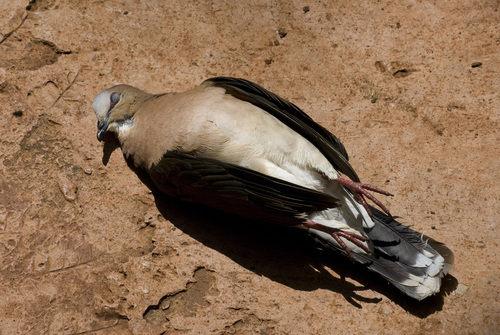
ハイビタイシャコバト (Leptotila rufaxilla) ハイビタイシャコバト
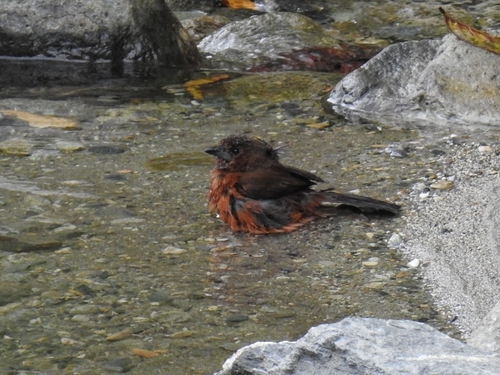
ギンバシベニフウキンチョウ (Ramphocelus carbo) ギンバシベニフウキンチョウ

メディア

読み込み中…

要点

ハイビタイシャコバトとギンバシベニフウキンチョウを区別する最も信頼できるフィールドマークは、全体の構造とくちばしです:ハイビタイシャコバトははるかに大きく、体重が重く、細長くまっすぐな黒いくちばしを持っていますが、ギンバシベニフウキンチョウは小さく、よりコンパクトで、オスは厚く広い基部のくちばしに銀色の下顎を持っています。幼鳥のハイビタイシャコバトは、赤錆色の縁取りのある上面と縞模様のある胸を示し、ギンバシベニフウキンチョウには見られません。成鳥では、ハイビタイシャコバトのオリーブブラウンの上面と赤い目のリングが、ギンバシベニフウキンチョウのふわふわした深いクリムゾンまたは赤錆色の羽毛と暗い顔と対照的です。両者は赤みを帯びた色合いを示すことがありますが、ハイビタイシャコバトの姿勢、形、白い尾羽の先端は特徴的です。特に女性や未熟なギンバシベニフウキンチョウのような暗い光の中で止まっている鳥では間違いが最も起こりやすいですが、サイズ、くちばし、尾のパターンに注意を払えば、ほとんどの混乱は解決します。

識別のコツ

  1. Size and shape: ハイビタイシャコバトはギンバシベニフウキンチョウよりもはるかに大きく重いです。ハイビタイシャコバトは長く頑丈な体と鳩のような姿勢を持ち、ギンバシベニフウキンチョウはコンパクトで短い尾を持っています。
  2. Bill structure: ハイビタイシャコバトのくちばしは細長く、まっすぐで黒いです。ギンバシベニフウキンチョウのくちばしは厚く、広い基部を持ち、オスの成鳥は黒い先端のある銀色の下顎を持っています(雌は茶色がかった暗いくちばしを持っています)。これは近距離での重要なマークです。
  3. Tail pattern: ハイビタイシャコバトは外側の尾羽に白い先端を示し、特に飛行中や扇状に広げたときに明らかです。ギンバシベニフウキンチョウの尾は均一に暗く、白い先端がありません。
  4. Juvenile plumage: 幼鳥のハイビタイシャコバトは胸に赤錆色の縞模様と赤錆色の縁取りのある上面を持ち、ギンバシベニフウキンチョウのどの年齢でも見られません。このマークは縞模様のある胸の鳥に使用してください。
  5. Adult male plumage: ハイビタイシャコバトのオスは灰色から青みがかった額と冠、オリーブブラウンの上面、赤い裸の目のリングを持つピンクがかった白い喉を持っています。ギンバシベニフウキンチョウのオスは深いクリムゾンからカーマインで、ふわふわしたベルベットのような外観を持ち、印象的な二色のくちばしを持っています。
  6. Adult female/immature confusion: 雌/未熟なギンバシベニフウキンチョウは濃い赤錆色から赤褐色で、胸に灰色がかった色合いがあり、暗い翼には赤錆色の縁があります。雌のハイビタイシャコバトはより茶色でオリーブ色が強く、上面には緑がかっていますが、ギンバシベニフウキンチョウの赤みはありません。
  7. Eye and face: ハイビタイシャコバトは黄色または茶色の目を持ち、目の周りには赤い裸の目のリングとピンクがかった白い羽毛があります。ギンバシベニフウキンチョウの虹彩は赤褐色で、目の周りに裸の皮膚や顔の羽毛のコントラストはありません。
  8. Leg and foot color: ハイビタイシャコバトは赤い脚と足を持っています。ギンバシベニフウキンチョウの脚は暗い角灰色です。これは、鳥が良い光の中で止まっている場合に役立ちます。
  9. Behavior: ハイビタイシャコバトは通常、地面を歩き、ゆっくりと意図的に動きます。ギンバシベニフウキンチョウは活発で、低い植生や果樹で餌を探し、小さな群れで見られます。
  10. Perched posture: ハイビタイシャコバトはより水平に座り、リラックスしているように見えます。ギンバシベニフウキンチョウは直立して警戒しています。
  11. Flight style: ハイビタイシャコバトの飛行は強く、直接的で、しばしば地面に近く、広く丸い翼と長い尾を持っています。ギンバシベニフウキンチョウは止まり木の間を短く素早く飛び、よりひらひらした動きをします。
  12. Habitat context: 森の下層や地面を歩いているのが見られた場合、ハイビタイシャコバトの可能性が高いです。ギンバシベニフウキンチョウはエッジ、庭、開けた森林を好み、通常は地面の上の中低レベルで見られます。
  13. Sexual dimorphism: ギンバシベニフウキンチョウだけが強く性的二形性を示し、オスは雌よりもはるかに明るくふわふわしています。ハイビタイシャコバトは微妙な性差(雌はより茶色でオリーブ色)しか示しません。
  14. Common pitfalls: 雌や未熟なギンバシベニフウキンチョウは鈍く見えることがあり、暗い光の中でハイビタイシャコバトと間違われることがありますが、くちばし、サイズ、尾のパターンは信頼できます。縞模様のある胸の幼鳥のハイビタイシャコバトは、ギンバシベニフウキンチョウと混同されるべきではありません。
  15. When in doubt: くちばしの形と色、尾のパターン、全体のサイズに注目してください。白い先端の尾や赤い裸の目のリングが見えたら、それはハイビタイシャコバトです。くちばしが厚く銀色の下部(オス)であれば、それはギンバシベニフウキンチョウです。

大きさ

ハイビタイシャコバトはギンバシベニフウキンチョウ(16–17 cm、21–37.5 g)よりもはるかに大きく重い(28 cm、115–183 g)です[wikipedia]。ハイビタイシャコバトは長い体型で頑丈に見え、尾と脚が相対的に長いです。ギンバシベニフウキンチョウはコンパクトで、尾が短く、明らかに厚く重いくちばしを持っています。距離があっても、混合フロックの中でも、ハイビタイシャコバトの体格と鳩のようなプロポーションは、より小さく、より敏捷なギンバシベニフウキンチョウに対して際立っています。

羽色

行動

ハイビタイシャコバトは通常、地面を歩き、意図的に動き、餌を食べるためにしばしば立ち止まります。通常は単独またはペアで見られ、混合フロックに参加することはまれです。飛行中、ハイビタイシャコバトは強く直接的で、広く丸い翼と長い尾を持っています。ギンバシベニフウキンチョウははるかに活発で社交的であり、小さな群れや混合種のフロックで見られ、低い植生や果樹で餌を探します。素早い跳躍と短い飛行で移動し、地面を歩くことはまれです。止まっているとき、ギンバシベニフウキンチョウは警戒して直立しているように見えますが、ハイビタイシャコバトはより水平でリラックスしています。

生息環境

両種はトリニダードと南アメリカの多くの地域(チリを除く)で見られますが、マイクロハビタットの好みは異なります。ハイビタイシャコバトは森林の下層、エッジ、密な茂みを好み、しばしば地面に近い場所にいます。ギンバシベニフウキンチョウはより柔軟で、森林のエッジ、二次成長、庭、開けた森林に頻繁に出没し、通常は植生の低い中間レベルで見られます。森林のエッジでの重複は可能ですが、ハイビタイシャコバトは深い陰や地面にいる可能性が高く、ギンバシベニフウキンチョウは開けたまたは半開けた地域でより目立ちます。

より良い説明を送る

比較と同じ項目を使ってください。文章はすぐに公開されます。

The most reliable field mark to separate Grey-fronted Dove from Silver-beaked Tanager is overall structure and bill: the dove is much larger, heavier-bodied, and has a slender, straight black bill, while the tanager is smaller, more compact, and has a thick, broad-based bill with a silvery lower mandible in males. Juvenile doves show rusty-edged upperparts and barred breasts, unlike any tanager. In adults, the dove’s olive-brown upperparts and red eye-ring contrast with the tanager’s plush, deep crimson or rusty-red plumage and dark face. Both can show reddish tones, but the dove’s posture, shape, and white-tipped tail are distinctive. Mistakes are most likely with perched birds in poor light, especially female and immature tanagers, but careful attention to size, bill, and tail pattern will resolve most confusion.

  1. Size and shape: Grey-fronted Dove is much larger and heavier than Silver-beaked Tanager; look for a long, robust body and a pigeon-like stance in the dove versus a compact, short-tailed tanager.
  2. Bill structure: The dove’s bill is slender, straight, and black; the tanager’s bill is thick, broad-based, and in adult males, has a silvery white lower mandible with a black tip (females have a brownish dusky bill). This is a key mark at close range.
  3. Tail pattern: Dove shows white tips on the outer tail feathers, especially obvious in flight or when fanned; tanager’s tail is uniformly dusky and lacks white tips.
  4. Juvenile plumage: Juvenile Grey-fronted Dove has rusty and drab brown bars on the breast and rusty-edged upperparts—never seen in tanager of any age. Use this mark for any barred-breasted bird.
  5. Adult male plumage: Dove males have a grayish to bluish forehead and crown, olive-brown upperparts, and a pinkish white throat with a red bare eye-ring. Tanager males are deep crimson to carmine with a plush, velvety look and a striking two-toned bill.
  6. Adult female/immature confusion: Female/immature tanagers are rich dark rusty-red to reddish brown, with a grayish tinge on the breast and dusky wings with rufescent brown edges. Female doves are browner and more olive, with green-tinged upperparts and lack the tanager’s reddish tones.
  7. Eye and face: Dove has a yellow or brown eye with a prominent red bare eye-ring and surrounding pinkish white feathers; tanager’s iris is reddish brown, with no bare skin or facial feathering contrast.
  8. Leg and foot color: Dove has red legs and feet; tanager’s legs are dark horn-gray. This can help if the bird is perched in good light.
  9. Behavior: Dove is usually seen walking on the ground or low in dense cover, moving slowly and deliberately. Tanager is active, foraging in low vegetation or fruiting trees, often in small groups.
  10. Perched posture: Dove sits more horizontally and appears relaxed; tanager is upright and alert.
  11. Flight style: Dove’s flight is strong, direct, and often low to the ground, with broad, rounded wings and a long tail. Tanager makes short, quick flights between perches, with a more fluttery action.
  12. Habitat context: If seen deep in forest understory or walking on the ground, dove is more likely; tanager prefers edges, gardens, and open woodland, usually above ground level.
  13. Sexual dimorphism: Only the tanager is strongly sexually dimorphic; males are much brighter and more plush than females. Doves show only subtle sex differences (females browner, more olive).
  14. Common pitfalls: Female and immature tanagers can appear dull and may be mistaken for doves in poor light, but the bill, size, and tail pattern remain reliable. Juvenile doves with barred breasts should never be confused with tanagers.
  15. When in doubt: Focus on bill shape and color, tail pattern, and overall size. If you see a white-tipped tail or a red bare eye-ring, it’s a dove. If the bill is thick and silvery below (male), it’s a tanager.

Grey-fronted Dove is much larger and heavier (28 cm, 115–183 g) than Silver-beaked Tanager (16–17 cm, 21–37.5 g) [wikipedia]. The dove appears long-bodied and robust, with a proportionally longer tail and legs. The tanager is compact, with a shorter tail and a noticeably thick, heavy bill. Even at a distance or in mixed flocks, the dove’s bulk and pigeon-like proportions stand out against the smaller, more agile tanager.

  • Juvenile/immature: Juvenile Grey-fronted Dove shows rusty and drab brown bars on the breast and rusty-edged feathers on the upperparts, which are never present in any age of Silver-beaked Tanager. Juvenile and female tanagers resemble each other, lacking barring and showing overall reddish-brown tones.

  • Adult males: Grey-fronted Dove males have a grayish to bluish forehead, bluish gray crown, olive-brown upperparts with faint bronze or purplish on the mantle, and a red bare eye-ring surrounded by pinkish white feathers. The breast is greyish pink fading to white on the belly, and the tail has olive-brown central feathers and blackish outer feathers with obvious white tips. Silver-beaked Tanager males are deep carmine to crimson on the head, throat, and breast, with carmine-black upperparts and a plush, velvety look. Their bill is striking: dark blue-gray above and silvery white below with a black tip.

  • Adult females: Female Grey-fronted Dove is browner, with more olive on the flanks and green-tinged upperparts. Female Silver-beaked Tanager is rich dark rusty-red on the head and upper back, redder on the lower back and rump, and reddish brown to warm brown below with a grayish tinge on the breast. The tanager’s wings are dusky with rufescent brown edges, and the bill is entirely brownish dusky.

  • Tail: Dove’s tail is long, with white tips on the outer feathers; tanager’s tail is shorter, dusky, and lacks white tips.

  • Eye and face: Dove has a yellow or brown eye with a red bare eye-ring and pinkish white facial feathers; tanager has a reddish brown iris and no bare skin around the eye.

Grey-fronted Dove typically walks on the ground, moving deliberately and often pausing to feed, with a pigeon-like gait. It is usually solitary or in pairs, rarely joining mixed flocks. In flight, the dove is strong and direct, with broad, rounded wings and a long tail. Silver-beaked Tanager is much more active and social, often seen in small groups or mixed-species flocks, foraging in low vegetation or at fruiting trees. It moves with quick hops and short flights, rarely walking on the ground. Perched, the tanager appears alert and upright, while the dove is more horizontal and relaxed.

Both species can be found on Trinidad and throughout much of South America (except Chile), but their microhabitat preferences differ. Grey-fronted Dove favors forest understory, edges, and dense thickets, often close to the ground. Silver-beaked Tanager is more flexible, frequenting forest edges, second growth, gardens, and open woodlands, usually at low to mid-levels in vegetation. Overlap is possible at forest edges, but the dove is more likely in deep shade or on the ground, while the tanager is more visible in open or semi-open areas.

変更を破棄しますか?

保存していない編集があります。今離れると失われます。

ハイビタイシャコバト · ギンバシベニフウキンチョウ · 苦手な鳥