

Motmot

ミドリビタイハチドリ 対 Blue-vented Hummingbird

Ramosomyia viridifrons 対 Saucerottia hoffmanni

ミドリビタイハチドリとBlue-vented Hummingbirdのクイズ
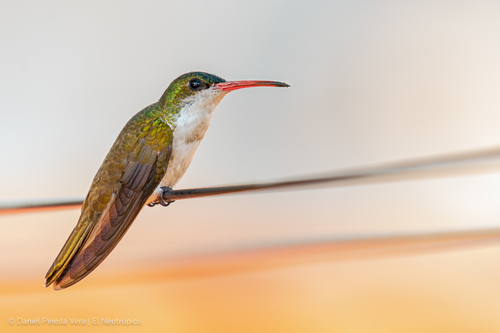
ミドリビタイハチドリ (Ramosomyia viridifrons) ミドリビタイハチドリ
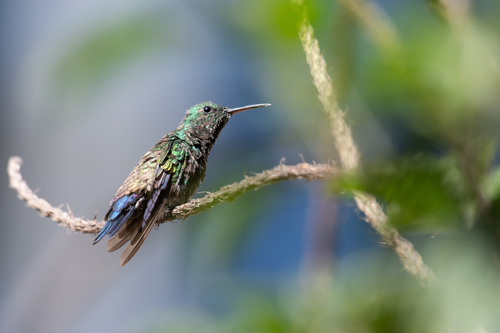
Blue-vented Hummingbird (Saucerottia hoffmanni) Blue-vented Hummingbird

メディア

読み込み中…

要点

ミドリビタイハチドリとBlue-vented Hummingbirdの最も信頼できるフィールドマークは、腹部の色と模様です:ミドリビタイハチドリは、緑の側面を持つ清潔で純粋な白い腹部を示しますが、Blue-ventedは下側がはるかに暗く、きらめく金緑色の腹部と青または緑がかった尾羽の覆いを持っています。くちばしの色も重要な違いです:ミドリビタイハチドリは黒い先端を持つ真っ赤なくちばしを持ち、Blue-ventedは黒っぽい上顎とサンゴ色の下顎を持っています。若いBlue-vented Hummingbirdは、成鳥よりも下側が鈍く暗く、灰褐色の腹部と暗い灰色の喉を持ち、雌または若いミドリビタイハチドリと混同されることがありますが、ミドリビタイハチドリは常に白い腹部を示します。尾の色と構造も異なり、ミドリビタイハチドリは銅色から紫色の尾を示し、Blue-ventedは淡いスチールブルーで、わずかに分岐した尾を持っています。両種は「エメラルド」グループに属しますが、分布は重なりません:ミドリビタイハチドリはメキシコ(おそらくグアテマラ)に見られ、Blue-ventedは南ニカラグアから中央コスタリカにかけて見られます。

識別のコツ

  1. Underparts color: ミドリビタイハチドリは、年齢や性別に関係なく、常に緑の側面を持つ純白の腹部を示します。Blue-vented Hummingbirdは、成鳥ではきらめく金緑色の腹部を持ち、若鳥では鈍く灰褐色の腹部を持ち、下側がはるかに暗くなります。これは最も信頼できるフィールドマークです。
  2. Bill color: ミドリビタイハチドリは黒い先端を持つ赤いくちばしを持ち(両方の顎は先端を除いて赤)、Blue-ventedは黒っぽい上顎と暗い先端を持つサンゴ色の下顎を持っています。これは近距離または良好な光の下で見ることができます。
  3. Crown color (adult males): ミドリビタイハチドリのオスはきらめく青緑色の冠を持ち、Blue-ventedのオスは青い冠なしの金緑色の上面を持っています。
  4. Tail color and shape: ミドリビタイハチドリの尾は銅色から紫色で、青銅色の緑の縁があり、切れ込みがありますが深く分岐していません。Blue-ventedの尾は淡いスチールブルーで、わずかに分岐しており、雌では外側の羽に紫色の先端があります。これは飛行中または尾が広げられたときに見ることができます。
  5. Rump and uppertail coverts: 両種はここに銅色または紫色のトーンを示すことがありますが、Blue-ventedの方が一貫して銅色から紫色であり、ミドリビタイハチドリは灰褐色から青銅色です。
  6. Sex differences: 雌のミドリビタイハチドリはオスに似ていますが、暗い緑の冠と青銅色から金緑色の尾を持っています。雌のBlue-ventedは下側が鈍く、喉の羽の端に白い帯があり、腹羽の端は灰褐色です。
  7. Juvenile Blue-vented: 成鳥よりも鈍く暗く、灰褐色の腹部と暗い灰色の喉を持っています。若いミドリビタイハチドリは詳細に説明されていませんが、すべての年齢が白い腹部を示し、決して茶色や灰色の下側を持ちません。
  8. Size: ミドリビタイハチドリはわずかに大きく重いですが、これは微妙で、フィールドでは常に信頼できるわけではありません。
  9. Habitat and range: メキシコ(おそらくグアテマラ)で見られた場合はミドリビタイハチドリであり、南ニカラグアから中央コスタリカで見られた場合はBlue-ventedです。重なりはありません。
  10. Vocalizations: Blue-ventedの歌と呼び声のみが記述されています。繰り返されるバズ音やきしむフレーズ、または高く鋭い「tsit」/「chit」の呼び声が聞こえた場合、Blue-ventedの可能性が高いです。沈黙や不明な歌は役に立ちません。
  11. Flank color: ミドリビタイハチドリは白い腹部に対して緑の側面を示し、Blue-ventedの腹部は均一に暗い緑または金緑色です。
  12. Undertail coverts: Blue-ventedは緑がかったスチールブルーの尾羽の覆いを持ち、ミドリビタイハチドリは緑の側面を持つ白です。
  13. Throat pattern (female Blue-vented): 雌のBlue-ventedの喉の羽の端に白い帯を探してください。ミドリビタイハチドリの雌はこのパターンを示しません。
  14. Tail feather tips (female Blue-vented): 雌のBlue-ventedの外側の尾羽の紫色の先端は独特です。
  15. Behavior: 両種は餌場を守り、蜜や昆虫を探します。行動は信頼できる区別要因ではありません。

大きさ

ミドリビタイハチドリはわずかに大きく重く、長さは10〜11.5 cm、重さは約6.3 gです。Blue-vented Hummingbirdは少し小さく軽く、8〜11 cmで平均4.45 gです。フィールドでは、このサイズの違いは微妙であり、両種が一緒に見られない限り明らかではないかもしれませんが、ミドリビタイハチドリは一般的に少しずんぐりしています。

羽色

行動

両種は蜜や昆虫を探し、しばしば餌場を守ります。Blue-ventedは小さな木の頂上まで餌を探す傾向があり、水面から餌を取ることが知られています。フィールドで両者を信頼できるように区別するための飛行や採餌スタイルの明確な行動の違いは、記載された情報源にはありません。

生息環境

ミドリビタイハチドリはメキシコ(おそらくグアテマラ)に見られ、Blue-ventedは南ニカラグアから中央コスタリカにかけて見られます。Blue-ventedは、通常は乾燥した生息地で、乾季には湿った地域に移動することがある、低木地、サバンナ、森林の縁、二次森林、庭などの半開放的な風景を好みます。ミドリビタイハチドリの生息地は詳細に説明されていませんが、その分布はBlue-ventedと重なりません。標高的には、Blue-ventedは海面から1,800 mまで見られます。

声

Blue-vented Hummingbirdの声のみが記述されています:その歌は繰り返されるバズ音やきしむフレーズ("tzi-tzee-tzup")で、時には低音の音が続き、その呼び声は高く鋭い「tsit」または乾いた「chit」の音です。提供された情報源にはミドリビタイハチドリの声の詳細はないため、Blue-ventedの独特な歌が聞こえない限り、声は信頼できる区別要因ではありません。

より良い説明を送る

比較と同じ項目を使ってください。文章はすぐに公開されます。

The most reliable field mark between Green-fronted and Blue-vented Hummingbirds is the color and pattern of the underparts: Green-fronted shows clean, pure white underparts with green flanks, while Blue-vented is much darker below, with glittering golden-green underparts and blue or greenish undertail coverts. Bill color is also a key difference: Green-fronted has an all-red bill with a black tip, while Blue-vented has a blackish upper mandible and coral-red lower mandible. Juvenile Blue-vented Hummingbirds are duller and darker below than adults, with a grayish-brown belly and darkish gray throat, which can cause confusion with female or young Green-fronted, but the Green-fronted always shows white underparts. Tail color and structure also differ, with Green-fronted showing coppery to purplish tails and Blue-vented a pale steel blue, slightly forked tail. Both species are in the 'emeralds' group, but their ranges do not overlap: Green-fronted is found in Mexico (possibly Guatemala), while Blue-vented is found from southern Nicaragua to central Costa Rica.

  1. Underparts color: Green-fronted Hummingbird always shows pure white underparts with green sides or flanks, regardless of age or sex. Blue-vented Hummingbird is much darker below, with glittering golden-green underparts in adults and duller, grayish-brown belly in juveniles. This is the most reliable field mark.
  2. Bill color: Green-fronted has a red bill with a black tip (both mandibles red except for the tip). Blue-vented has a blackish upper mandible and a coral-red lower mandible with a dark tip. This is visible at close range or in good light.
  3. Crown color (adult males): Green-fronted males have a glittering bluish-green crown, while Blue-vented males have golden-green upperparts without the blue crown.
  4. Tail color and shape: Green-fronted's tail is coppery to purplish with bronze green edges, notched but not deeply forked. Blue-vented's tail is pale steel blue, slightly forked, and in females, the outer feathers have purplish tips. This can be seen in flight or when the tail is spread.
  5. Rump and uppertail coverts: Both species can show coppery or purplish tones here, but Blue-vented's are more consistently coppery to purplish, while Green-fronted's are grayish brown to bronze.
  6. Sex differences: Female Green-fronted is similar to male but with a dark green crown and bronze to golden green tail. Female Blue-vented is duller below, with white bars near the end of throat feathers and grayish-buff vent feather edges.
  7. Juvenile Blue-vented: Duller and darker than adults, with a grayish-brown belly and darkish gray throat. Juvenile Green-fronted is not described, but all ages show white underparts, never brownish or grayish below.
  8. Size: Green-fronted is slightly larger and heavier, but this is subtle and not always reliable in the field.
  9. Habitat and range: If seen in Mexico (possibly Guatemala), it is Green-fronted; if in southern Nicaragua to central Costa Rica, it is Blue-vented. There is no overlap.
  10. Vocalizations: Only Blue-vented's song and calls are described; if you hear a repeated buzzy, squeaky phrase or high, sharp "tsit"/"chit" calls, it is likely Blue-vented. Silence or unknown song does not help.
  11. Flank color: Green-fronted shows green flanks against white underparts, while Blue-vented's underparts are uniformly darker green or golden-green.
  12. Undertail coverts: Blue-vented has greenish to steel blue undertail coverts; Green-fronted's are white with green flanks.
  13. Throat pattern (female Blue-vented): Look for white bars near the end of throat feathers in female Blue-vented; Green-fronted females do not show this pattern.
  14. Tail feather tips (female Blue-vented): Purplish tips to the outer tail feathers are unique to female Blue-vented.
  15. Behavior: Both species defend feeding territories and forage for nectar and insects; behavior is not a reliable separator.

Green-fronted Hummingbird is slightly larger and heavier, measuring 10–11.5 cm in length and weighing about 6.3 g. Blue-vented Hummingbird is a bit smaller and lighter, at 8–11 cm and averaging 4.45 g. In the field, this size difference is subtle and may not be obvious unless both species are seen together, but Green-fronted generally appears a bit bulkier.

  • Juveniles/Immatures: Juvenile Blue-vented Hummingbirds are noticeably darker and duller below than adults, with a grayish-brown belly and darkish gray throat, and brownish edges to back and rump feathers. Green-fronted juveniles are not described in detail, but all ages show white underparts with green flanks, never the dull brownish or grayish belly of juvenile Blue-vented.
  • Adult males: Green-fronted males have a glittering bluish-green crown, emerald to bronze green nape and back, and pure white underparts with green sides. Their tail is coppery to purplish with bronze green edges. Blue-vented males have golden-green upperparts, coppery to purplish rump, and dark glittering golden-green underparts with greenish to steel blue undertail coverts. Their tail is pale steel blue and slightly forked.
  • Adult females: Female Green-fronted are similar to males but with a dark green crown and a bronze to golden green tail. Female Blue-vented are duller green below, with white bars near the end of throat feathers, grayish-buff edges to vent feathers, and purplish tips to the outer tail feathers. Both sexes of Green-fronted always show white underparts, while Blue-vented females are darker below with some white barring on the throat.
  • Tail: Green-fronted's tail is coppery to purplish and notched; Blue-vented's is pale steel blue, slightly forked, and has purplish tips on outer feathers in females.

Both species forage for nectar and insects, often defending feeding territories. Blue-vented tends to forage up to the tops of small trees and is known to feed from the surface of water. There are no distinctive behavioral differences in flight or foraging style noted in the sources that would reliably separate the two in the field.

Green-fronted Hummingbird is found in Mexico (possibly Guatemala), while Blue-vented is found from southern Nicaragua to central Costa Rica. Blue-vented prefers semi-open landscapes such as scrublands, savanna, forest edges, secondary forest, and gardens, usually in drier habitats except during the dry season when it moves to moister areas. Green-fronted's habitat is not described in detail, but its range does not overlap with Blue-vented. Elevationally, Blue-vented is found from sea level up to 1,800 m.

Only Blue-vented Hummingbird's vocalizations are described: its song is a repeated buzzy, squeaky phrase ("tzi-tzee-tzup"), sometimes followed by lower-pitched notes, and its calls are high, sharp "tsit" or dry "chit" notes. There are no vocalization details for Green-fronted Hummingbird in the provided sources, so voice is not a reliable separator unless Blue-vented's distinctive song is heard.

変更を破棄しますか?

保存していない編集があります。今離れると失われます。

ミドリビタイハチドリ · Blue-vented Hummingbird · 苦手な鳥