

Motmot

セイロンバンケン 対 セグロカッコウ

Centropus chlororhynchos 対 Cuculus micropterus

セイロンバンケンとセグロカッコウのクイズ
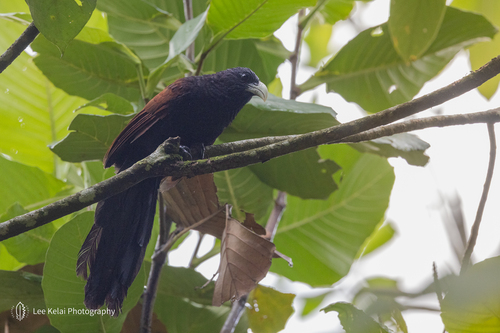
セイロンバンケン (Centropus chlororhynchos) セイロンバンケン
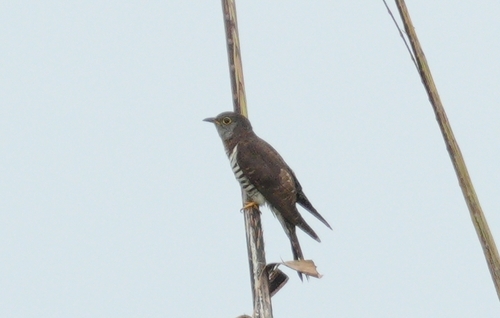
セグロカッコウ (Cuculus micropterus) セグロカッコウ

メディア

読み込み中…

要点

セイロンバンケンとセグロカッコウを区別する最も信頼できるフィールドマークは、セイロンバンケンの特徴的な淡い緑のくちばしと暗く光沢のある紫黒の体と長い暗緑の尾の組み合わせであり、対してセグロカッコウは灰色の上面、横縞の下面、黄色がかったアイリングを持っています。幼鳥の羽毛もかなり異なります:若いセイロンバンケンは鈍い色合いで縞模様があり、若いセグロカッコウは茶色がかり、頭部に白い斑点と頭部および翼の羽に広い白い先端があります。飛んでいるときや止まっているとき、セイロンバンケンは重くて尾が長く見え、セグロカッコウはスリムでよりタカのように見えます。生息地も助けになります:セイロンバンケンはスリランカの熱帯雨林の専門家であり、セグロカッコウはアジア全体の開けた森林や林に広く分布しています。

識別のコツ

  1. Bill color: セイロンバンケンは常に特徴的な淡い緑のくちばしを示し、スリランカの鳥の中でユニークです。セグロカッコウは暗いくちばしを持っており、くちばしが見える場合はこれが最も早いフィールドチェックです。
  2. Body color: セイロンバンケンは全体的に光沢のある紫黒で、マルーンの翼と暗緑の尾を持っています。セグロカッコウは上面が無地の灰色で、横縞のある下面と白い先端のある横縞の尾を持っています。
  3. Juvenile plumage: 若いセイロンバンケンは鈍くて縞模様がありますが、全体的に暗い色合いを保っています。若いセグロカッコウは茶色がかりで、頭部に白い斑点と頭部および翼の羽に広い白い先端があります—若いカッコウのこれらの淡いアクセントを探してください。
  4. Tail: セイロンバンケンの尾は長く、暗緑で、横縞がありません。セグロカッコウの尾は短く、広い亜終端の暗い帯と白い先端があります。飛んでいるときや止まっているとき、セイロンバンケンの尾は重くてより丸みを帯びて見えます。
  5. Eye-ring and iris: セグロカッコウは灰色から黄色のアイリングと、明るい茶色から赤みがかった虹彩を持ち、近距離で見えることがあります。セイロンバンケンの目は暗く、色付きのアイリングがありません。
  6. Wing pattern in flight: セイロンバンケンの翼は上面がマルーンで、下面が黒で、横縞がありません。セグロカッコウの翼は上面が無地の灰色で、マルーンや黒のコントラストはなく、下面は横縞があります。
  7. Structure: セイロンバンケンはより大きく、重い体と長い尾を持っています。セグロカッコウはスリムで、よりタカのようで、飛行中はより流線型に見えます。
  8. Behavior: セイロンバンケンは通常、密な熱帯雨林の下草に隠れており、ゆっくりと動き、遠くに飛ぶことは稀です。セグロカッコウはよりオープンに止まっているか、開けた森林や森林の端で木の間を飛んでいるのが見られる可能性が高いです。
  9. Habitat: スリランカでは、セイロンバンケンは湿潤地域の熱帯雨林に制限されています。セグロカッコウは、開けた森林や高地を含む、より広範囲の森林生息地に見られます。
  10. Sex differences: 両種は性別間で似ていますが、雌のセグロカッコウは喉がやや淡く、胸と尾が茶色がかることがあります—これは微妙で、フィールドでの区別には信頼できません。
  11. Vocalization: メモには記載されていません; この情報に基づいて声での区別には頼らないでください。
  12. Pitfalls: 照明が悪いと、セイロンバンケンの暗い羽毛は無地に見えることがありますが、緑のくちばしとマルーンの翼は依然として診断的です。若いセグロカッコウの白い斑点と茶色がかった色合いは、セイロンバンケンの羽毛とは異なります。
  13. Perched vs. flight views: 飛んでいるとき、セイロンバンケンは重くて遅く、広い翼と長い尾を持っています。セグロカッコウはより直接的で敏捷で、スリムなプロファイルを持っています。
  14. Range: スリランカ南西部の熱帯雨林の外にいる場合、セイロンバンケンは非常に可能性が低いです。セグロカッコウはアジア全体に広く分布しており、さまざまな生息地で見られる可能性が高いです。
  15. Nestlings: 巣で観察された場合にのみ関連があります; セグロカッコウの雛はオレンジ赤の口と黄色の開口フランジを持ち、セイロンバンケンでは見られません。

大きさ

セイロンバンケンは約43 cmの長さの中型から大型の鳥であり、これによりセグロカッコウよりも重く、より大きな印象を与えます。セグロカッコウは中型と記載されていますが、メモには正確な測定値はありません。セイロンバンケンの長い尾と重い体は、止まっているときや飛んでいるときに明らかであり、セグロカッコウはスリムでより流線型に見えます。両性は各種内でサイズが似ています。

羽色

行動

セイロンバンケンは秘密主義で、密な熱帯雨林の下草に隠れる傾向があり、遠くに飛ぶことは稀で、しばしば隠れています。その動きは重く、意図的で、地面や低い植生の中で行われます。セグロカッコウも内気で孤独ですが、開けた森林や森林の端で木の間を飛んでいるか、オープンに止まっているのが見られる可能性が高いです。飛行中、セグロカッコウはより直接的でタカのように見え、セイロンバンケンは重くて敏捷性が低いです。

生息環境

セイロンバンケンはスリランカ南西部の高く密な熱帯雨林に厳密に見られ、開けた地域に出ることは稀です。対照的に、セグロカッコウはインドから中国、東南アジアまでの広範囲にわたり、森林と開けた森林の両方に見られ、高地(最大3,600 m)でも見られることがあります。スリランカでは、セグロカッコウはセイロンバンケンよりも多様な森林生息地に出現することがあります。

より良い説明を送る

比較と同じ項目を使ってください。文章はすぐに公開されます。

The most reliable field mark to separate Green-billed Coucal from Indian Cuckoo is the coucal’s distinctive light green bill combined with its dark, glossy purple-black body and long dark green tail, versus the Indian Cuckoo’s grey upperparts, barred underparts, and yellowish eye-ring. Juvenile plumages are also quite different: young coucals are duller and streaked, while juvenile Indian Cuckoos are browner with white markings on the crown and broad white tips to head and wing feathers. In flight or perched, the coucal appears heavier and longer-tailed, while the cuckoo is slimmer and more hawk-like. Habitat can help: Green-billed Coucal is a Sri Lankan rainforest specialist, while Indian Cuckoo is widespread in open woodlands and forests across Asia.

  1. Bill color: Green-billed Coucal always shows a distinctive pale green bill, unique among Sri Lankan birds. Indian Cuckoo has a dark bill; this is the quickest field check if the bill is visible.
  2. Body color: Coucal is overall glossy purple-black with maroon wings and a dark green tail; Indian Cuckoo is plain grey above with barred underparts and a barred tail with a white tip.
  3. Juvenile plumage: Young coucals are dull and streaked but still dark overall. Juvenile Indian Cuckoos are brownish with white markings on the crown and broad white tips to head and wing feathers—look for these pale accents in young cuckoos.
  4. Tail: Coucal’s tail is long, dark green, and unbarred; Indian Cuckoo’s tail is shorter, with a broad subterminal dark band and a white tip. In flight or perched, the coucal’s tail looks heavier and more rounded.
  5. Eye-ring and iris: Indian Cuckoo has a gray to yellow eye-ring and a light brown to reddish iris, which can be visible at close range. Coucal’s eye is dark and lacks a colored eye-ring.
  6. Wing pattern in flight: Coucal’s wings are maroon above and black below, with no barring; Indian Cuckoo’s wings are plain grey above, with no maroon or black contrast, and the underparts are barred.
  7. Structure: Green-billed Coucal is bulkier, with a heavier body and longer tail. Indian Cuckoo is slimmer, more hawk-like, and appears more streamlined in flight.
  8. Behavior: Coucal is usually hidden in dense rainforest undergrowth, moving slowly and rarely flying far. Indian Cuckoo is more likely to be seen perched openly or flying between trees in open woodland or forest edge.
  9. Habitat: In Sri Lanka, Green-billed Coucal is restricted to wet zone rainforests; Indian Cuckoo is found in a wider range of wooded habitats, including open woodland and higher elevations.
  10. Sex differences: Both species are similar between sexes, but female Indian Cuckoo may be slightly paler on the throat and browner on the breast and tail—this is subtle and not reliable for field separation.
  11. Vocalization: Not described in the notes; do not rely on voice for separation based on this information.
  12. Pitfalls: In poor light, coucal’s dark plumage may appear plain, but the green bill and maroon wings are still diagnostic. Juvenile Indian Cuckoo’s white markings and brownish tones are unlike any coucal plumage.
  13. Perched vs. flight views: In flight, coucal is heavy and slow with broad wings and a long tail; Indian Cuckoo is more direct and agile, with a slimmer profile.
  14. Range: If outside southwest Sri Lankan rainforest, Green-billed Coucal is very unlikely; Indian Cuckoo is widespread across Asia and more likely in varied habitats.
  15. Nestlings: Only relevant if observed at the nest; Indian Cuckoo nestlings have orange-red mouths and yellow gape flanges, which are not seen in coucal.

Green-billed Coucal is a medium to large bird at about 43 cm in length [wikipedia], giving it a heavier, bulkier impression than the Indian Cuckoo, which is described as medium-sized but with no precise measurement in the notes. Coucal’s longer tail and heavier body are evident when perched or in flight, while Indian Cuckoo appears slimmer and more streamlined. Both sexes are similar in size within each species.

  • Juveniles: Green-billed Coucal juveniles are duller than adults and show streaking, but retain the overall dark, muted look. Indian Cuckoo juveniles are brownish, with white markings on the crown and broad white tips to the head and wing feathers, making them appear more patterned and paler-headed than coucal juveniles.
  • Adults: Green-billed Coucal adults have a striking combination of purple-black head and body, maroon upperwings, black underwings, and a long, dark green tail. The bill is a diagnostic pale green. Indian Cuckoo adults have plain grey upperparts, broad black barring on the underparts, and a tail with a broad subterminal dark band and white tip. The eye-ring is gray to yellow, and the iris is light brown to reddish. Females are slightly paler on the throat and browner on the breast and tail, but this is subtle.
  • Flight views: Coucal’s wings are maroon above and black below, with no barring or pale panels. Indian Cuckoo shows a barred tail and underparts, and the wings are not described as contrasting.
  • Sexes: Both species are similar between sexes, with only minor differences in Indian Cuckoo females (slightly paler throat, more brown on breast/tail).

Green-billed Coucal is secretive and tends to skulk in dense rainforest undergrowth, rarely flying far and often remaining hidden. Its movement is heavy and deliberate, both on the ground and in low vegetation. Indian Cuckoo is also shy and solitary but more likely to be seen perched openly or flying between trees in open woodland or forest edge. In flight, Indian Cuckoo is more direct and hawk-like, while coucal is heavier and less agile.

Green-billed Coucal is strictly found in the tall, dense rainforests of southwest Sri Lanka, rarely venturing into open areas. Indian Cuckoo, in contrast, occupies a much broader range, from India to China and Southeast Asia, and is found in both forests and open woodlands, sometimes at high elevations (up to 3,600 m). In Sri Lanka, Indian Cuckoo can occur in a wider variety of wooded habitats than the coucal.

変更を破棄しますか?

保存していない編集があります。今離れると失われます。

セイロンバンケン · セグロカッコウ · 苦手な鳥