

Motmot

ミドリコムシクイ 対 ミヤマカオグロイロムシクイ

Camaroptera brachyura 対 Apalis personata

ミドリコムシクイとミヤマカオグロイロムシクイのクイズ
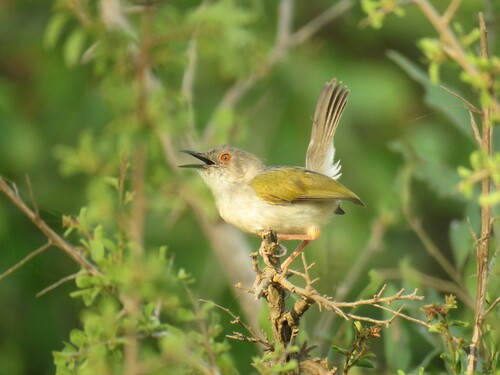
ミドリコムシクイ (Camaroptera brachyura) ミドリコムシクイ
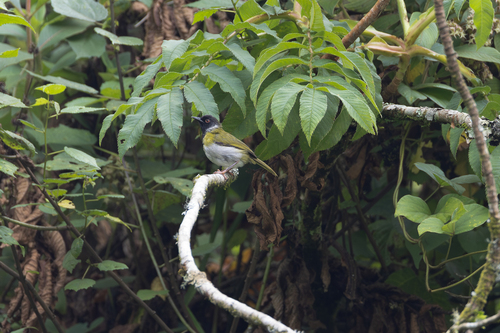
ミヤマカオグロイロムシクイ (Apalis personata) ミヤマカオグロイロムシクイ

メディア

読み込み中…

要点

ミドリコムシクイとミヤマカオグロイロムシクイの間で最も信頼できるフィールドマークは、ミヤマカオグロイロムシクイに見られる特徴的な黒い顔のマスクの存在であり、ミドリコムシクイには全く存在しません。両者は小さく緑がかったウグイスですが、ミドリコムシクイは均一な緑の上面を示し、顔のマスクは欠けています。一方、ミヤマカオグロイロムシクイは目立つ黒い顔と対照的な腹部が特徴です。幼鳥のミドリコムシクイは腹部が淡い黄色になることがありますが、顔のマスクは決して見られません。両種はサイズが似ており、密な植生に見られますが、特に顔周りの羽毛の違いが分離の鍵となります。

識別のコツ

  1. 顔のパターンが決定的: ミヤマカオグロイロムシクイは常に大胆な黒い顔のマスクを示します; ミドリコムシクイは決してそうではありません。黒いマスクが見えたら、それはミヤマカオグロイロムシクイです。
  2. 上面の色: ミドリコムシクイは均一な緑の上面とオリーブ色の翼を持ち、ミヤマカオグロイロムシクイはそれよりも緑が少なく、特に顔周りで対照的です。
  3. 腹部: ミドリコムシクイの腹部は白灰色で、幼鳥は胸に淡い黄色の洗いが見られます。ミヤマカオグロイロムシクイは腹部が淡いですが、顔のマスクが印象を支配します。
  4. 幼鳥のミドリコムシクイ: 若い鳥の胸に淡い黄色が見られるかもしれませんが、顔のマスクはありません。幼鳥のミヤマカオグロイロムシクイは記載されていませんが、マスクがないのは予想外です。
  5. 翼や飛行パターンの手がかりなし: どちらの種も、どの年齢でも特徴的な上翼や飛行マークを持つとは記載されていないので、飛行パターンに頼って分離しないでください。
  6. サイズは役に立たない: 両者は小さなウグイスで、質量の差はわずか1gです。サイズを分離の要因として無視してください。
  7. ミドリコムシクイの性別は似ている: ミドリコムシクイのオスとメスは似ているため、顔のマーキングは性別に基づく特徴ではありません。
  8. 生息地の文脈: 特にアルバーティンリフトの山地森林にいる場合は、ミヤマカオグロイロムシクイを疑ってください。低地の密な低木や茂みでは、ミドリコムシクイの方が可能性が高いです。
  9. 行動: ミドリコムシクイは密なカバーの中で低くうろついているのが見られることが多く、あまり開けた場所には出てきません。ミヤマカオグロイロムシクイは森林の中層でより活発である可能性があります。
  10. 巣の場所(観察された場合): ミドリコムシクイは低い茂みの中で葉を結びつけて巣を作ります—この行動が見られたらユニークです。
  11. 信頼できる声の手がかりなし: ここでは声の記載はありません; これらのメモに基づいて歌や鳴き声に頼って分離しないでください。
  12. 季節的または性別に基づく混乱なし: 両種は常駐であり、混乱を引き起こすような季節的な羽毛の変化は記載されていません。
  13. クイズの落とし穴: 主な混乱は、サイズと緑がかったトーンの類似から生じますが、顔のマスク(またはその欠如)が常に最良のチェックです。
  14. 疑わしい場合: 顔がよく見えない場合は、文脈を探してください—密な低地の茂み(ミドリコムシクイ)対山地森林(ミヤマカオグロイロムシクイ)。

大きさ

両種はサイズが非常に近く、ミドリコムシクイは平均10.0g、ミヤマカオグロイロムシクイは11.0gです [wikidata]。フィールドでは、この違いは無視できるもので、両者は小さく活発なウグイスに見えます。ミヤマカオグロイロムシクイの長さは提供されていませんが、ミドリコムシクイは約11.5 cmの長さです [wikipedia]。構造は利用可能な情報に基づいて信頼できる分離要因ではありません。

羽色

行動

ミドリコムシクイは、密なカバーの中で低くうろつく種として記載されており、巣作りのために葉を結びつけることが多いです [wikipedia]。ミヤマカオグロイロムシクイについては特定の行動の記載はありませんが、両者は同じ科の小さな昆虫食のウグイスであるため、一般的な採餌行動は似ている可能性があります。ミドリコムシクイはより秘密主義で、開けた場所で見られる可能性が低いかもしれません。

生息環境

ミドリコムシクイはサハラ以南のアフリカで常駐繁殖者であり、密なカバーと低い植生に見られます [wikipedia]。ミヤマカオグロイロムシクイはアルバーティンリフトの山地森林に自生しており、高い標高の森林生息地を好むことを示唆しています。重複ゾーンでは、ミドリコムシクイは低地の茂みや低木に見られる可能性が高く、ミヤマカオグロイロムシクイは山地森林に結びついています。

より良い説明を送る

比較と同じ項目を使ってください。文章はすぐに公開されます。

The most reliable field mark between Green-backed Camaroptera and Black-faced Apalis is the presence of a distinctive black face mask on the Black-faced Apalis, which is entirely absent in Green-backed Camaroptera. Both are small, greenish warblers, but the Camaroptera shows uniform green upperparts and lacks any facial mask, while the Apalis is marked by a striking black face and contrasting underparts. Juvenile Camaroptera can be paler yellow below, but never show a face mask. Both species are similar in size and can be found in dense vegetation, but their plumage differences—especially around the face—are the key to separation.

  1. Face pattern is decisive: Black-faced Apalis always shows a bold black face mask; Green-backed Camaroptera never does. If you see a black mask, it is Apalis.
  2. Upperpart color: Camaroptera has uniform green upperparts and olive wings, while Apalis is less green and more contrasting, especially around the face.
  3. Underparts: Camaroptera's underparts are whitish-grey, with juveniles showing a paler yellow wash on the breast. Apalis has paler underparts but the face mask dominates the impression.
  4. Juvenile Camaroptera: Look for a paler yellowish breast in young birds, but still no facial mask. Juvenile Apalis is not described, but absence of a mask would be unexpected.
  5. No wing or flight pattern clues: Neither species is described as having distinctive upperwing or flight marks in any age, so do not rely on in-flight pattern for separation.
  6. Size is not helpful: Both are tiny warblers, with only a 1g difference in mass. Ignore size as a separator.
  7. Sexes similar in Camaroptera: Both male and female Camaroptera look alike, so facial markings are not a sex-based feature.
  8. Habitat context: If in montane forest, especially in the Albertine Rift, suspect Black-faced Apalis. In lowland dense scrub or bush, Camaroptera is more likely.
  9. Behavior: Camaroptera is more likely to be seen skulking low in dense cover, rarely out in the open. Apalis may be more active in mid-levels of forest.
  10. Nest location (if observed): Camaroptera binds leaves together low in bushes for nesting—unique if you see this behavior.
  11. No reliable vocal clues: No vocalizations are described here; do not rely on song or call for separation based on these notes.
  12. No seasonal or sex-based confusion: Both species are resident and do not have described seasonal plumage changes that would cause confusion.
  13. Quiz pitfall: The main confusion arises from similar size and greenish tones, but the facial mask (or lack thereof) is always the best check.
  14. When in doubt: If you cannot see the face well, look for the context—dense lowland bush (Camaroptera) vs. montane forest (Apalis).

Both species are very close in size, with Green-backed Camaroptera averaging 10.0g and Black-faced Apalis 11.0g [wikidata]. In the field, this difference is negligible; both appear as small, active warblers. Length is not provided for Apalis, but Camaroptera is about 11.5 cm long [wikipedia]. Structure is not a reliable separator based on available information.

  • Juvenile/immature birds: Green-backed Camaroptera juveniles are paler yellow on the breast, but otherwise resemble adults with green upperparts and olive wings. There is no mention of a distinctive juvenile wing or flight pattern for either species, so age-specific upperwing marks are not diagnostic here.
  • Adults: Green-backed Camaroptera shows green upperparts, olive wings, and whitish-grey underparts, with no facial markings. Black-faced Apalis (mountain masked apalis) is defined by a bold black face mask, contrasting with paler underparts and presumably less green overall (though exact upperpart color is not detailed here). Both sexes of Camaroptera look similar, while Apalis is named for its facial mask, which is present in adults.
  • Key contrast: The black face mask of Apalis is the single most obvious difference at all ages except possibly for juveniles (not described), while Camaroptera always lacks any such facial pattern.

Green-backed Camaroptera is described as a skulking species, typically found low in dense cover and often binding leaves together for nesting [wikipedia]. There is no specific behavioral note for Black-faced Apalis, but both are small insectivorous warblers in the same family, so general foraging behavior is likely similar. Camaroptera may be more secretive and less likely to be seen in the open.

Green-backed Camaroptera is a resident breeder in Africa south of the Sahara, found in dense cover and low vegetation [wikipedia]. Black-faced Apalis is native to the Albertine Rift montane forests, suggesting a preference for higher elevation, forested habitats. In overlap zones, Camaroptera is more likely in lowland thickets and bush, while Apalis is tied to montane forest.

変更を破棄しますか?

保存していない編集があります。今離れると失われます。

ミドリコムシクイ · ミヤマカオグロイロムシクイ · 苦手な鳥