

Motmot

マガン 対 ヒシクイ

Anser albifrons 対 Anser serrirostris

マガンとヒシクイのクイズ
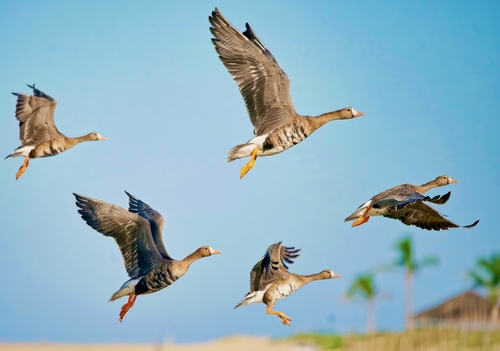
マガン (Anser albifrons) マガン
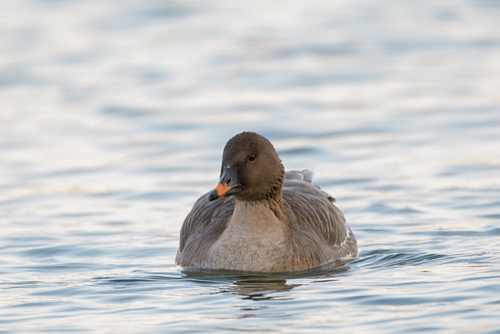
ヒシクイ (Anser serrirostris) ヒシクイ

メディア

読み込み中…

要点

マガンとヒシクイを区別するための最も信頼できるフィールドマークはくちばしです:マガンはピンクがかったくちばしを持ち、ヒシクイは明確なオレンジのバンドがある黒いくちばしを示します。飛んでいるときや休んでいるとき、マガンはくちばしの基部に太い白いブレイズを示し、ほとんどの亜種では広い白い側線と目立つ白い翼帯を持ち、ヒシクイのより均一で暗い上翼と対照的です。両種はオレンジ色の脚を持っていますが、全体の構造とサイズは重なる可能性があるため、まずはくちばしの色と顔のパターンに注目してください。未熟な鳥と成鳥は混合群れでは混同されることがありますが、これらのマークに注意を払えば通常は識別が可能です。

識別のコツ

  1. Bill color and pattern: マガンはピンクがかったくちばし(時々暗い爪のヒントがある)を持ち、ヒシクイは中央に明確なオレンジのバンドがある黒いくちばしを示します。これはすべての年齢と季節において最も一貫したフィールドマークです。
  2. White facial blaze: マガンだけがくちばしの基部に太い白いブレイズを示し、額の上まで延びています。ヒシクイはこれを全く持っておらず、その顔は平坦な茶色がかった灰色です。
  3. Wing bars in flight and at rest: 成鳥のマガン(特に A. a. albifrons)は、強い翼帯を作る広い白い先端の上翼覆いを示します。グリーンランドの鳥(A. a. flavirostris)は、より狭く目立たないバーを持っていますが、ヒシクイよりも多く、ヒシクイは狭い白いフリンジとずっと鈍い翼しか示しません。
  4. Flank line: マガンは特に A. a. albifrons で広く明るい白い側線を持ち、ヒシクイの側面はより平坦でこのマークが欠けています。
  5. Tail pattern: マガンは広い白い先端と側面を持つ暗い灰色の尾を示し、ヒシクイの尾はあまり明確にマークされておらず、狭い白いフリンジしかありません。
  6. Leg color: 両種は明るいオレンジ色の脚を持っています—これを区別に使わないでください。
  7. Belly barring: 成鳥のマガンはしばしば腹部に暗い斑点やバーを示しますが、これは変動があり、単独では信頼できません。いくつかの鳥はバリングがなく、ヒシクイは汚れていると斑点があるように見えることがあります。
  8. Size and structure: ヒシクイは平均して大きくてずっしりしていますが、重なりが広範です。くちばしの形が役立つことがあります:ヒシクイのくちばしは通常、特に東シベリアの A. s. serrirostris では長くて太いですが、小さな雌のヒシクイと大きな雄のマガンには注意が必要です。
  9. Voice: マガンの高音で笑うようなカッカッという声と、ヒシクイのより深く鼻にかかったホーンの声を聞いてください。飛行中や大きな騒がしい群れの中で役立ちます。
  10. Juvenile/first-winter birds: 両種はより鈍く均一に見えることがありますが、くちばしの色と白い顔のブレイズの有無は信頼できます。未熟なマガンは腹部のバリングが欠けているかもしれませんが、顔のパターンと(ほとんどの個体で)いくつかの翼帯を示します。
  11. Seasonal context: 両種は渡り鳥で、越冬地で重なることがあります。北アメリカではヒシクイは非常に珍しいですが、ユーラシアでは両種が一緒に見られることがあります。
  12. Sex and age: 両性は羽毛が似ており、雄はわずかに大きいですが、これはフィールドでは信頼できません。年齢に関連する変動は主に腹部のバリングと翼帯の強さにありますが、くちばしと顔のパターンは重要です。
  13. Pitfalls: 汚れたまたは濡れた鳥は側面や腹部のマークを隠すことがあります;遠くの鳥はくちばしの色を判断しにくくすることがあるので、複数の視点を試みてください。混合群れはユーラシアでは一般的であり、常に各鳥を注意深くチェックしてください。
  14. Perched vs. in flight: すべての重要なマーク(くちばし、顔のブレイズ、翼帯)は、止まっているときと飛んでいるときの両方で見ることができますが、飛行中の視点は翼帯や尾のパターンに役立つことがあります、特に群れの中では。
  15. When in doubt: まずはくちばしの色と顔のパターンに注目し、その後翼帯と側線を確認してください。これらがあいまいな場合、声と文脈が役立つかもしれませんが、サイズや脚の色には頼らないでください。

大きさ

ヒシクイは一般的に大きく、長さは68〜90 cm、翼幅は140〜174 cmで、マガンは長さ64〜81 cm、翼幅130〜165 cmです。ヒシクイはまた、平均して重い(雄は最大3.2 kg、雌は2.84 kg以上)ですが、マガンは通常1.93〜3.31 kgです。しかし、サイズの重なりは重要であり、孤立したり遠くの鳥には信頼できません。両種はハイイロガンよりも小さいですが、体格や姿勢が似て見えることがあります。

羽色

すべての年齢において、マガンはくちばしの基部に目立つ白いブレイズを示し、ヒシクイには欠けています。翼の上で、成鳥のマガン(特にヨーロッパの A. a. albifrons)は、飛行中や休んでいるときに目立つ翼帯を作る広い白いフリンジを持っています;グリーンランドの鳥(A. a. flavirostris)はより控えめな翼帯を持っていますが、ヒシクイとは対照的です。ヒシクイは暗い茶色の上翼覆いを持ち、狭い白いフリンジしかなく、はるかに目立たない翼帯になります。マガンの尾は暗い灰色で広い白い先端と側面を持ち、ヒシクイの尾はあまり明確にマークされていません。両種はオレンジ色の脚を持っていますが、マガンはピンクがかったくちばし(時々暗い爪のヒントがある)を示し、ヒシクイは中央にオレンジのバンドがある黒いくちばしを持っています。腹部のバリングはマガンで変動しますが、重なりや個体差のために信頼できる区別にはなりません。両種の未熟な鳥と初冬の鳥はより均一で鈍く見えることがありますが、くちばしと顔のパターンは重要です。

行動

両種は通常群れで見られ、オープンフィールドや湿地で草を食べることが多いです。飛行スタイルは似ており、安定して直接的で強く、首を伸ばしています。両種は警戒心が強く、すぐに飛び立つことがあります。フィールドでの区別に役立つ特異な行動の違いは示されていませんが、マガンは餌を食べるときにわずかに機敏または活発に見えることがあります。

生息環境

両種は北極または亜北極のツンドラで繁殖し、温帯の低地で越冬するために移動し、湿った草地、農業地帯、湿地などの類似の生息地を共有することがよくあります。ヨーロッパとアジアでは、群れが越冬地で混合することがあります。文脈は通常診断的ではなく、地域で期待される種が1つだけの場合を除きます;地域の豊富さについては eBird を確認してください。

声

マガンは高音で笑うようなカッカッという声を出し、しばしば「へへ」と表現され、音符の間に明確なブレイクがあります。ヒシクイはより深く、鼻にかかったホーンの呼び声を持ち、マガンよりも音楽的でなく、より単調です。呼び声は混合群れで役立ちますが、距離や騒がしい条件では常に簡単に区別できるわけではありません。

より良い説明を送る

比較と同じ項目を使ってください。文章はすぐに公開されます。

The most reliable field mark to separate Greater White-fronted Goose from Tundra Bean Goose is the bill: Greater White-fronted has a pinkish bill, while Tundra Bean Goose shows a black bill with a distinct orange band. In flight or at rest, Greater White-fronted also shows a bold white blaze at the base of the bill and, in most subspecies, a broad white flank line and prominent white wing bars, contrasting with the more uniform, dark upperwing of Tundra Bean Goose. Both species have orange legs, but overall structure and size can overlap, so focus on bill color and face pattern first. Immature and adult birds can be confused, especially in mixed flocks, but careful attention to these marks will usually clinch the ID.

  1. Bill color and pattern: Greater White-fronted Goose has a pinkish bill (sometimes with a hint of dark nail), while Tundra Bean Goose shows a black bill with a distinct orange band across the middle. This is the most consistent field mark for all ages and seasons.
  2. White facial blaze: Only Greater White-fronted Goose shows a bold white blaze at the base of the bill, extending up onto the forehead. Tundra Bean Goose lacks this entirely; its face is plain brownish-grey.
  3. Wing bars in flight and at rest: Adult Greater White-fronted (especially A. a. albifrons) shows broad, white-tipped upperwing coverts creating a strong wing bar. Greenland birds (A. a. flavirostris) have narrower, less obvious bars but still more than Tundra Bean Goose, which only shows narrow white fringes and a much duller wing.
  4. Flank line: Greater White-fronted has a broad, bright white flank line, especially in A. a. albifrons, while Tundra Bean Goose’s flanks are plainer and lack this mark.
  5. Tail pattern: Greater White-fronted shows a dark grey tail with a broad white tip and sides; Tundra Bean Goose’s tail is less distinctly marked, with only narrow white fringes.
  6. Leg color: Both species have bright orange legs—do not use this as a separator.
  7. Belly barring: Adult Greater White-fronted often shows dark blotches and bars on the belly, but this varies and is not reliable alone, as some birds lack barring and Tundra Bean Goose can appear blotched when dirty.
  8. Size and structure: Tundra Bean Goose is on average larger and bulkier, but overlap is extensive. Bill shape can help: Tundra Bean Goose’s bill is typically longer and stouter, especially in the East Siberian A. s. serrirostris, but beware small female beans and large male white-fronts.
  9. Voice: Listen for the high-pitched, laughing cackle of Greater White-fronted versus the deeper, nasal honk of Tundra Bean Goose. Useful in flight or in large, noisy flocks.
  10. Juvenile/first-winter birds: Both can appear duller and more uniform, but the bill color and presence/absence of the white facial blaze remain reliable. Juvenile Greater White-fronted may lack belly barring but still shows the face pattern and (in most) some wing bar.
  11. Seasonal context: Both species are migratory and may overlap in wintering grounds. In North America, Tundra Bean Goose is very rare; in Eurasia, both can occur together.
  12. Sex and age: Both sexes are similar in plumage; males are slightly larger, but this is not reliable in the field. Age-related variation is mostly in belly barring and wing bar strength, but bill and face pattern remain key.
  13. Pitfalls: Dirty or wet birds can obscure flank and belly marks; distant birds may make bill color hard to judge, so try for multiple views. Mixed flocks are common in Eurasia—always check each bird carefully.
  14. Perched vs. in flight: All key marks (bill, face blaze, wing bar) are visible both perched and in flight, but flight views may help with wing bar and tail pattern, especially in flocks.
  15. When in doubt: Focus on the bill color and face pattern first, then check for wing bar and flank line. If these are ambiguous, voice and context may help, but do not rely on size or leg color.

Tundra Bean Goose is generally larger, with a length of 68–90 cm and wingspan of 140–174 cm, compared to Greater White-fronted Goose at 64–81 cm length and 130–165 cm wingspan. Tundra Bean Goose also averages heavier (males up to 3.2 kg, females 2.84 kg or more), while Greater White-fronted typically weighs 1.93–3.31 kg. However, size overlap is significant and not reliable for lone or distant birds. Both species are smaller than Greylag Goose but can appear similar in bulk and posture.

For all ages, Greater White-fronted Goose shows a prominent white blaze at the base of the bill, lacking in Tundra Bean Goose. On the wing, adult Greater White-fronted (especially the European A. a. albifrons) has broad, conspicuous white fringes on the upperwing coverts, creating bold wing bars visible in flight and at rest; Greenland birds (A. a. flavirostris) have more subdued wing bars but still contrast with Tundra Bean Goose. Tundra Bean Goose has dark brown upperwing coverts with only narrow white fringes, resulting in a much less obvious wing bar. The tail of Greater White-fronted is dark grey with a broad white tip and sides, while Tundra Bean Goose’s tail is less distinctly marked. Both species have orange legs, but Greater White-fronted shows a pinkish bill (sometimes with a hint of dark nail), while Tundra Bean Goose has a black bill with a central orange band. Belly barring is variable in Greater White-fronted but not a reliable separator due to overlap and individual variation. Juvenile and first-winter birds of both species can be more uniform and dull, but the bill and face pattern remain key.

Both species are typically seen in flocks, often grazing in open fields or wetlands. Flight style is similar—steady, direct, and strong, with necks outstretched. Both can be wary and quick to flush. Neither species shows distinctive behavioral differences in the field that aid separation, though Greater White-fronted may appear slightly more agile or active when feeding.

Both species breed in Arctic or subarctic tundra and migrate to winter in temperate lowlands, often sharing similar habitats such as wet meadows, agricultural fields, and marshes. In Europe and Asia, flocks may mix in wintering areas. Context is not usually diagnostic unless only one species is expected locally; check eBird for regional abundance.

Greater White-fronted Goose gives a high-pitched, laughing cackle, often described as 'he-he', with a distinct break between notes. Tundra Bean Goose has a deeper, more nasal honking call, less musical and more monotone than Greater White-fronted. Calls can be useful in mixed flocks but are not always easy to distinguish at distance or in noisy conditions.

変更を破棄しますか?

保存していない編集があります。今離れると失われます。

マガン · ヒシクイ · 苦手な鳥