

Motmot

マガン 対 カオジロガン

Anser albifrons 対 Branta leucopsis

マガンとカオジロガンのクイズ
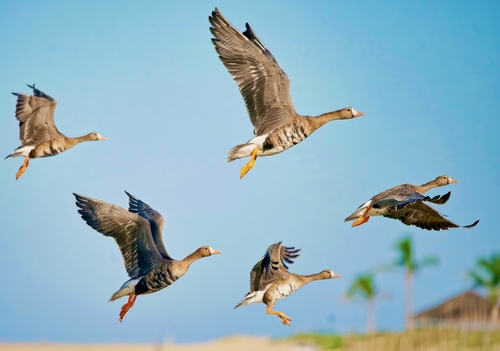
マガン (Anser albifrons) マガン
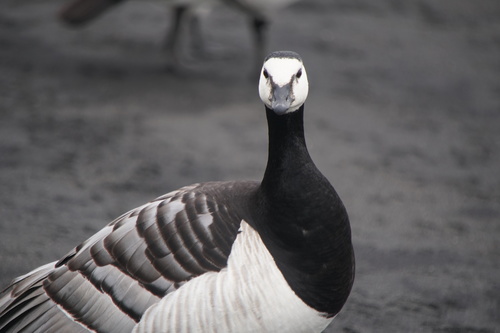
カオジロガン (Branta leucopsis) カオジロガン

メディア

読み込み中…

要点

マガンとカオジロガンを区別する最も信頼できるフィールドマークは、頭と首のパターンです:カオジロガンは白い顔を持つ際立った黒い首と頭を持ち、マガンは白いビルの基部に白いブレーズを持つ平凡な茶灰色の頭と首を示します。飛行中、カオジロガンは大胆な白い尻と銀色の下翼を見せますが、マガンはこれらの特徴がなく、より均一なマウスグレーの上翼を示します。両種の幼鳥は成鳥に似ていますが、カオジロガンの幼鳥はより丸みを帯びたマントルと側羽を持っています。構造的に、マガンは大きく、長いビルを持ち、オレンジ色の足とピンクがかったビルを持つのに対し、カオジロガンは小さく、短くて太い黒いビルと黒い足を持っています。これらの違いは、地上でも飛行中でも見ることができます。

識別のコツ

  1. Head and Neck Pattern: カオジロガンは常に白い顔の斑点を持つ黒い首と頭を示します;マガンは白いビルの基部にのみ白いブレーズを持つ平凡な茶灰色の頭と首を持っています。これは、どの年齢でも最も迅速なフィールドチェックです。
  2. Bill Color and Shape: マガンはピンクがかったビル(グリーンランドの鳥では時々オレンジ-黄色)を持ち、カオジロガンの小さくて太い黒いビルよりも長くて頑丈です。ビルの色は特に近距離で役立ちます。
  3. Leg Color: マガンは明るいオレンジ色の足を持ち、カオジロガンは黒い足を持っています。これは、鳥が地面にいるときや泳いでいるときに見ることができます。
  4. Body Color and Pattern: カオジロガンは白い腹、黒い胸、銀灰色の縞模様の上面を持つ鮮やかなパターンを持っています;マガンは全体的に茶灰色で、変動する暗い腹の縞模様を持ち、カオジロガンの鮮やかなコントラストが欠けています。
  5. Upperwing in Flight: カオジロガンは飛行中に銀灰色の下翼と際立った白い尻の斑点を示します;マガンはマウス色の上翼の覆い羽を持ち、白い尻がなく、より均一で鈍い上面を持っています。
  6. Juvenile Plumage: 幼鳥のカオジロガンはより丸みを帯びたマントルと側羽を持っていますが、すでに黒と白の顔/首のパターンを示しています;マガンの幼鳥は成鳥に似ていますが、強い顔のコントラストが欠けています。
  7. Tail Pattern: カオジロガンは飛行中にV字型の白い尻と尾の側面を持っています;マガンは白い先端と側面を持つ暗い尾を持っていますが、これらは狭く、あまり目立ちません。
  8. Size and Structure: マガンはカオジロガンよりも大きく、長い首を持ち、体重も重いです。カオジロガンはよりコンパクトで短い首を持っています。混合群れでは、サイズの違いが明確です。
  9. Jizz in Flight: カオジロガンの群れはより整然としていて、コンパクトに見え、黒と白のコントラストがより強く示されます;マガンの群れはより茶色く、コントラストが少なくなります。
  10. Voice: マガンの高音のカッカッという声とカオジロガンの吠えるような呼び声を聞いてくださいが、騒がしい群れでは注意して使用してください。
  11. White Blaze: マガンの白いブレーズはビルの基部に限られ、顔の上部には伸びませんが、カオジロガンは全白の顔を持っています。
  12. Belly Barring: マガンはしばしば暗い腹の縞模様を示しますが、これは変動があり、常に存在するわけではありません;カオジロガンはきれいな白い腹を持っています。
  13. Bill Nail: カオジロガンのビルは完全に黒いです;マガンは暗い爪を示すことがありますが、ビルはそれ以外はピンクがかったりオレンジ-黄色です。
  14. Context: 両種の群れを見た場合、頭のパターン、ビルの色、サイズの組み合わせを使用して迅速に区別してください。
  15. Pitfalls: 生息地や群れの行動だけに頼らないでください。両種は冬の野原や湿地で一緒に発生することがあります。

大きさ

マガンはカオジロガンよりも明らかに大きく、重いです。マガンの正確なAVONET質量は示されていませんが、通常は1.93–3.31 kgの重さで、長さは64–81 cm、翼幅は130–165 cmです。カオジロガンは軽く、平均体重は1687 g(1.21–2.23 kg)、長さは55–70 cm、翼幅は120–145 cmです。混合群れでは、マガンはより大きく、長い首の鳥として目立ちます。

羽色

幼鳥と成鳥のカオジロガンは、いずれの年齢でもマガンに匹敵することのない大胆な白い顔と黒い首を示します。飛行中、カオジロガンは目立つV字型の白い尻の斑点と銀灰色の下翼の裏地を持ち、マガンは白い尻がなく、代わりにマウス色の上翼の覆い羽とより均一な上翼を示します。マガンの成鳥はビルの基部に白いブレーズ(顔の上部にはあまり伸びない)、オレンジ色の足、ピンクがかったビルを持ち、体は灰色がかった茶色で暗い腹の縞模様がありますが、腹の縞模様は変動があり、常に信頼できるわけではありません。カオジロガンは白い腹、黒い胸、縞模様の銀灰色の上面を持ち、黒い足と小さな黒いビルを持っています。幼鳥のカオジロガンは、丸みを帯びたマントルと側羽で識別できますが、顔と首のパターンはすでに独特です。どちらの種にも混乱を引き起こすような季節的または性別に基づく羽毛の違いはありません。

行動

両種は社交的で、特に渡りや冬の間に群れで見られることがよくあります。マガンは開けた野原や湿地で餌を食べる傾向があり、他のAnserガンと一緒にいることが多く、より警戒心が強く見えることがあります。カオジロガンも群れを作りますが、一部の地域ではより近づきやすいかもしれません。飛行中、カオジロガンの群れはより整然としていてコンパクトに見え、際立った黒と白のパターンが遠くからでも見えますが、マガンの群れはより茶色く、コントラストが少なく見えます。

生息環境

両種は冬に特にヨーロッパで似たような湿地や農業の生息地に見られます。マガンは北極のツンドラで繁殖し、低地の野原、湿地、湖で冬を越します。カオジロガンも北極で繁殖しますが、繁殖範囲はより沿岸部にあり、同様の低地の生息地で冬を越します。生息地だけでは、彼らの範囲が重なる場所で信頼できる区別にはなりません。

声

マガンは高音のカッカッという呼び声を出し、しばしば「へへ」と表現され、音符の間に明確な区切りがあります。カオジロガンはより吠えるような、鳴き声が高く、マガンよりもカッカッという音が少ない呼び声を持っています。しかし、呼び声は遠くや混合群れでは常に診断的ではありません。

より良い説明を送る

比較と同じ項目を使ってください。文章はすぐに公開されます。

The most reliable field mark to separate Greater White-fronted Goose from Barnacle Goose is the head and neck pattern: Barnacle Goose has a striking black neck and head with a white face, while Greater White-fronted Goose shows a plain brownish-gray head and neck with a white blaze at the bill base. In flight, Barnacle Goose reveals a bold white rump and silvery underwings, whereas Greater White-fronted Goose lacks these features and shows more uniform mouse-gray upperwings. Juveniles of both species are similar to adults, but Barnacle Goose juveniles have more rounded mantle and flank feathers. Structurally, Greater White-fronted Goose is larger and longer-billed, with orange legs and a pinkish bill, while Barnacle Goose is smaller, with a short, stubby black bill and black legs. These differences are visible both on the ground and in flight.

  1. Head and Neck Pattern: Barnacle Goose always shows a black neck and head with a white face patch; Greater White-fronted Goose has a plain brownish-gray head and neck with a white blaze at the bill base only. This is the fastest field check at any age.
  2. Bill Color and Shape: Greater White-fronted Goose has a pinkish bill (sometimes orange-yellow in Greenland birds), longer and stouter than the small, stubby black bill of Barnacle Goose. Bill color is especially useful at close range.
  3. Leg Color: Greater White-fronted Goose has bright orange legs, while Barnacle Goose has black legs. This is visible when birds are on the ground or swimming.
  4. Body Color and Pattern: Barnacle Goose is sharply patterned with a white belly, black breast, and silver-grey barred upperparts; Greater White-fronted Goose is overall brownish-grey with variable dark belly barring and lacks the crisp contrast of Barnacle.
  5. Upperwing in Flight: Barnacle Goose shows a silvery-grey underwing and a striking white rump patch in flight; Greater White-fronted Goose has mouse-colored upperwing coverts and lacks a white rump, appearing more uniform and duller above.
  6. Juvenile Plumage: Juvenile Barnacle Geese have more rounded mantle and flank feathers but already show the black-and-white face/neck pattern; Greater White-fronted juveniles look similar to adults but lack strong facial contrast.
  7. Tail Pattern: Barnacle Goose has a white rump and tail sides forming a V in flight; Greater White-fronted Goose has a darker tail with a white tip and sides, but these are narrower and less obvious.
  8. Size and Structure: Greater White-fronted Goose is larger, longer-necked, and heavier-bodied than Barnacle Goose, which is more compact and short-necked. In mixed flocks, the size difference is clear.
  9. Jizz in Flight: Barnacle Goose flocks look neater, more compact, and show more black-and-white contrast; Greater White-fronted flocks are browner and less sharply marked.
  10. Voice: Listen for the high-pitched cackling of Greater White-fronted vs. the yapping, barking calls of Barnacle, but use with caution in noisy flocks.
  11. White Blaze: The white blaze on Greater White-fronted Goose is limited to the base of the bill and does not extend up the face, unlike the full white face of Barnacle Goose.
  12. Belly Barring: While Greater White-fronted Goose often shows dark belly bars, this is variable and not always present; Barnacle Goose has a clean white belly.
  13. Bill Nail: Barnacle Goose's bill is entirely black; Greater White-fronted may show a dark nail, but the bill is otherwise pinkish or orange-yellow.
  14. Context: If you see a flock with both species, use the combination of head pattern, bill color, and size for rapid separation.
  15. Pitfalls: Do not rely on habitat or flocking behavior alone, as both species can occur together in winter fields and wetlands.

Greater White-fronted Goose is distinctly larger and heavier than Barnacle Goose. While exact AVONET mass is not given for Greater White-fronted, it typically weighs 1.93–3.31 kg and measures 64–81 cm in length with a wingspan of 130–165 cm. Barnacle Goose is lighter, with a mean body mass of 1687 g (1.21–2.23 kg), length of 55–70 cm, and wingspan of 120–145 cm. In mixed flocks, Greater White-fronted will stand out as the bulkier, longer-necked bird.

Juvenile and adult Barnacle Geese both show a bold white face and black neck, which is never matched by Greater White-fronted Goose at any age. In flight, Barnacle Goose has a conspicuous V-shaped white rump patch and silvery-grey underwing linings, while Greater White-fronted Goose lacks a white rump and instead shows mouse-colored upperwing coverts and a more uniform upperwing. Greater White-fronted Goose adults have a white blaze at the bill base (not extending far up the face), orange legs, and a pinkish bill; their body is grey-brown with dark belly bars, but belly barring is variable and not always reliable. Barnacle Goose has a white belly, black breast, and barred silver-grey upperparts, with black legs and a small black bill. Juvenile Barnacle Geese can be told by their rounded mantle and flank feathers, but their face and neck pattern is already distinctive. There is no seasonal or sex-based plumage difference in either species that would cause confusion.

Both species are social and often seen in flocks, especially during migration and winter. Greater White-fronted Goose tends to feed in open fields and marshes, often with other Anser geese, and can appear more wary and alert. Barnacle Goose is also gregarious but may be more approachable in some areas. In flight, Barnacle Goose flocks can appear neater and more compact, with their striking black-and-white pattern visible at a distance, while Greater White-fronted Goose flocks look browner and less contrasting.

Both species can be found in similar wetland and agricultural habitats in winter, especially in Europe. Greater White-fronted Goose breeds in Arctic tundra and winters in lowland fields, marshes, and lakes. Barnacle Goose also breeds in the Arctic but is more coastal in its breeding range and winters in similar lowland habitats. Habitat alone is not a reliable separator where their ranges overlap.

Greater White-fronted Goose gives a high-pitched cackling call, often described as 'he-he', with a distinct break between notes. Barnacle Goose has a more yapping, barking call, higher-pitched and less cackling than Greater White-fronted. However, calls are not always diagnostic at a distance or in mixed flocks.

変更を破棄しますか?

保存していない編集があります。今離れると失われます。

マガン · カオジロガン · 苦手な鳥