

Motmot

スズガモ 対 ホオジロガモ

Aythya marila 対 Bucephala clangula

スズガモとホオジロガモのクイズ
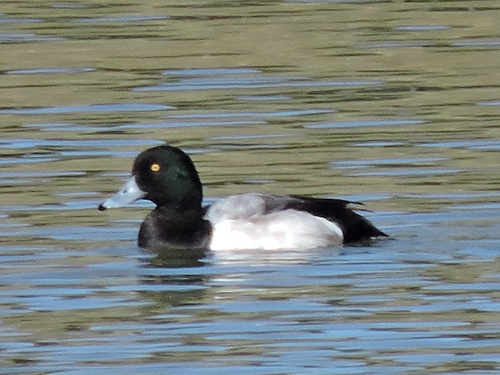
スズガモ (Aythya marila) スズガモ
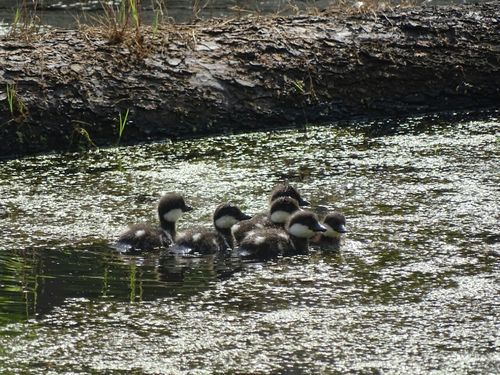
ホオジロガモ (Bucephala clangula) ホオジロガモ

メディア

読み込み中…

要点

グレーター・スカウプとホオジロガモの最も信頼できるフィールドマークは、飛行中の上翼のパターンです:すべての年齢のグレーター・スカウプは、二次羽から一次羽にかけて強い白い翼のストライプを示しますが、ホオジロガモは内側の翼に白い斑点を持ち、外側の一次羽は暗いです。休んでいるとき、グレーター・スカウプは丸い頭と青いくちばしを持ち、ホオジロガモのオスは暗く急な額の基部に特徴的な丸い白い斑点を持っています。両種の雌は茶色の頭をしていますが、ホオジロガモの雌はオレンジ色の脚を持ち、よりコンパクトで牛のような外見をしています。混合した群れや遠くからの観察では、まず飛行中の翼のストライプに焦点を当て、その後、止まっているときの頭の形とくちばしの色に注目してください。

識別のコツ

  1. 飛行中の翼のストライプ:すべての年齢のグレーター・スカウプは、二次羽から一次羽を通って翼先端まで続く白いストライプを示します;ホオジロガモでは、白は内側の翼に制限され、一次羽は暗いです。これは、成鳥と幼鳥の両方にとって、飛行中の最も信頼できるマークです。
  2. 頭の形:グレーター・スカウプは滑らかに丸い頭のプロファイルを持ち、特にオスで顕著ですが、ホオジロガモは急な額とより「牛のような」外見を持っています。これは横からの視点で最もよく見えます。
  3. くちばしの色と形:グレーター・スカウプは先端に小さな黒い爪を持つ淡い青いくちばしを持っています;ホオジロガモは暗いくちばしを持ち、北アメリカの亜種はより厚く、長いくちばしを持っています。くちばしの色は特に近距離で有用です。
  4. オスの羽色(休んでいるとき):オスのグレーター・スカウプは、光の加減によって緑がかったまたは紫がかった光沢のある暗い頭、黒い胸、白い側面と腹、淡い灰色の背中を持っています。オスのホオジロガモは、目の下に特徴的な丸い白い斑点を持つ暗い緑色の光沢のある頭、白い首と腹、暗い背中を持っています。
  5. 雌の羽色:雌のグレーター・スカウプは茶色で、くちばしの基部に白い斑点を持っています;雌のホオジロガモは茶色の頭、主に灰色の体、オレンジ色の脚と足を持っています。ホオジロガモのくちばしは暗く、スカウプの淡い基部の斑点はありません。
  6. 幼鳥/未熟な鳥:幼鳥のグレーター・スカウプは成鳥の雌に似ていますが、色が鈍いです;幼鳥のホオジロガモは雌に似ていますが、くちばしの斑点がなく、よりコンパクトで牛のような外見をしています。飛行中、翼のパターンは両方にとって診断的です。
  7. 脚の色:ホオジロガモ(特に雌)はオレンジ色の脚と足を持ち、鳥が羽繕いをしているときや飛行中に見えることがあります;グレーター・スカウプは灰色の脚と足を持っています。
  8. 群れのサイズと行動:グレーター・スカウプはしばしば開けた水面に大きく密集したラフトを形成します;ホオジロガモはより小さな群れやペアで見られることが多く、より活発に潜水します。
  9. 生息地の文脈:開けた塩水の湾に大きく密集した群れが好まれるのはグレーター・スカウプです;川や森林の湖に小さな群れが見られるのはホオジロガモの可能性が高いですが、両方とも大きな湖で重なることがあります。
  10. 頭の光沢の色:良い光の下で、グレーター・スカウプのオスは頭に緑または紫の光沢を示しますが、ホオジロガモのオスは緑がかった光沢を持っています;これは微妙で、常に見えるわけではありません。
  11. くちばしの爪:くちばしの先端にある黒い爪は、グレーター・スカウプではわずかに大きく、目立ちますが、これは小さなマークであり、他のマークと組み合わせて使用するのが最適です。
  12. 水面での姿勢:ホオジロガモはしばしばより直立でコンパクトに見えますが、グレーター・スカウプはより低く座り、広く見えます。
  13. 顔のパターン:ホオジロガモのオスだけが目の下に丸い白い斑点を持っています;グレーター・スカウプはこのマークを示しません。
  14. 休んでいるときの翼の白:両種は休んでいるときに翼に白を示しますが、スカウプでは白がより広範で明るく、特にオスで顕著です。
  15. 誤認の落とし穴:雌のグレーター・スカウプと雌のホオジロガモは遠くから見ると混同されることがあります;常に白いくちばしの斑点(スカウプ)と無地の暗いくちばしとオレンジ色の脚(ホオジロガモ)を確認し、可能な限り飛行中の翼のパターンを使用してください。

大きさ

両種は中型の潜水ガモですが、ホオジロガモはほとんどのグレーター・スカウプよりもわずかに重い(約900g)です。ただし、重なりがあります。グレーター・スカウプのオスは通常39〜56cmの長さで、翼幅は71〜84cmですが、ホオジロガモのオスは45〜51cmの長さで、翼幅は77〜83cmです。現場では、サイズだけでは重なりや性別、年齢による変動のため、信頼できる区別にはなりません。

羽色

最も診断的な違いは、特に両性の未熟および成鳥の飛行中の翼のパターンにあります。グレーター・スカウプは、二次羽から一次羽を通って翼先端まで続く広く明るい白い翼のストライプを示し、オスと雌、成鳥と幼鳥の両方で見ることができます。対照的に、ホオジロガモは内側の翼(二次羽)に白い斑点を持っていますが、一次羽は暗いため、白は翼先端まで延びません。水中では、成鳥のオスのグレーター・スカウプは、緑から紫の光沢のある暗い頭、黒い胸、白い側面と腹、淡い灰色の背中を持っています;雌はくちばしの基部に白い斑点を持つ茶色です。オスのホオジロガモは、目の下に丸い白い斑点を持つ暗い緑色の光沢のある頭、白い首と腹、暗い背中を持っています;雌は茶色の頭、灰色がかった体、オレンジ色の脚を持っています。幼鳥のグレーター・スカウプは成鳥の雌に似ていますが、色が鈍いです。一方、幼鳥のホオジロガモは雌に似ていますが、スカウプのくちばしの斑点がありません。

行動

両種は潜水ガモであり、水中で水生の獲物を捕るために潜る姿がよく見られます。グレーター・スカウプはしばしば開けた水面に大きく密集したラフトを形成し、時には数千羽に達することがありますが、ホオジロガモはより小さな群れやペアで見られることが多いです。ホオジロガモはより活発で警戒心が強く、頻繁に潜水し、泳いでいるときにより直立でコンパクトな姿勢を示す傾向があります。スカウプは通常、よりリラックスして水中で低く見えます。

生息環境

両種は大きな湖、川、沿岸の水域で冬を越しますが、グレーター・スカウプは開けた塩水の湾や河口で非常に大きな群れで見られる可能性が高いです。ホオジロガモはより小さな湖、川、保護された沿岸地域でより頻繁に見られ、大規模なラフトを形成する可能性は低いです。繁殖期には、グレーター・スカウプはツンドラや北方湿地に巣を作り、ホオジロガモは森林の湖や川を好みます。

より良い説明を送る

比較と同じ項目を使ってください。文章はすぐに公開されます。

The most reliable field mark between Greater Scaup and Common Goldeneye is the upperwing pattern in flight: Greater Scaup of all ages show a strong white wing stripe that extends from the secondaries well out onto the primaries, while Common Goldeneye show a white patch on the inner wing but dark outer primaries. At rest, Greater Scaup have a rounded head and blue bill, while Common Goldeneye males have a distinctive round white patch at the base of a dark, steep forehead. Females of both species are brown-headed, but goldeneye females have orange-yellow legs and a more compact, bull-headed look. In mixed flocks or distant views, focus first on the wing stripe in flight, then head shape and bill color when perched.

  1. Wing stripe in flight: Greater Scaup of all ages show a white stripe that runs from the secondaries out through the primaries to the wingtip; in Common Goldeneye, the white is restricted to the inner wing and the primaries are dark. This is the single most reliable mark in flight for both adults and immatures.
  2. Head shape: Greater Scaup have a smoothly rounded head profile, especially noticeable in males, while Common Goldeneye have a steep forehead and a more 'bull-headed' look. This is best seen in profile views.
  3. Bill color and shape: Greater Scaup have a light blue bill with a small black nail at the tip; Common Goldeneye have a dark bill, and the North American subspecies has a thicker, longer bill. Bill color is especially useful at close range.
  4. Male plumage (resting): Male Greater Scaup have a dark head with greenish or purplish sheen (depending on light), black breast, white flanks and belly, and pale grey back. Male Common Goldeneye have a dark green-glossed head with a distinctive round white patch below the eye, white neck and belly, and dark back.
  5. Female plumage: Female Greater Scaup are brown with a white patch at the base of the bill; female Common Goldeneye have a brown head, mostly grey body, and orange-yellow legs and feet. The goldeneye's bill is dark, lacking the scaup's pale base patch.
  6. Juvenile/immature birds: Juvenile Greater Scaup resemble adult females but are duller; juvenile Common Goldeneye are similar to females but lack a bill patch and have a more compact, bull-headed appearance. In flight, the wing pattern remains diagnostic for both.
  7. Leg color: Common Goldeneye (especially females) have orange-yellow legs and feet, which can be visible when birds are preening or in flight; Greater Scaup have grey legs and feet.
  8. Group size and behavior: Greater Scaup often form massive, tight rafts on open water; Common Goldeneye are more often found in small groups or pairs and are more active divers.
  9. Habitat context: Large, dense flocks on open saltwater bays favor Greater Scaup; smaller groups on rivers or forested lakes are more likely to be Common Goldeneye, but both can overlap on large lakes.
  10. Head gloss color: In good light, Greater Scaup males show a green or purple sheen to the head, while Common Goldeneye males have a greenish gloss; this is subtle and not always visible.
  11. Bill nail: The black nail at the tip of the bill is slightly larger and more obvious in Greater Scaup, but this is a minor mark and best used in combination with others.
  12. Posture on water: Common Goldeneye often appear more upright and compact, while Greater Scaup sit lower and look broader.
  13. Face pattern: Only male Common Goldeneye have a round white patch below the eye; Greater Scaup never show this mark.
  14. White on wing at rest: Both species show white in the wing when at rest, but in scaup the white is more extensive and brighter, especially in males.
  15. Mistaken identity pitfalls: Female and juvenile Greater Scaup can be confused with female Common Goldeneye at a distance; always check for the white bill patch (scaup) versus the plain dark bill and orange-yellow legs (goldeneye), and use wing pattern in flight whenever possible.

Both species are medium-sized diving ducks, but Common Goldeneye averages slightly heavier (about 900 g) than most Greater Scaup, though there is overlap. Greater Scaup males are typically 39–56 cm long with a 71–84 cm wingspan, while Common Goldeneye males are 45–51 cm long with a 77–83 cm wingspan. In the field, size alone is not a reliable separator due to overlap and variation by sex and age.

The most diagnostic difference is in the wing pattern during flight, especially for immature and adult birds of both sexes. Greater Scaup show a broad, bright white wing stripe that runs from the secondaries through the primaries to the wingtip, visible on both males and females, adults and juveniles. Common Goldeneye, by contrast, have a white patch on the inner wing (secondaries) but the primaries are dark, so the white does not extend to the wingtip. On the water, adult male Greater Scaup have a dark head with a green to purple sheen, black breast, white flanks and belly, and a pale grey back; females are brown with a white patch at the base of the bill. Male Common Goldeneye have a dark green-glossed head with a round white patch below the eye, white neck and belly, and dark back; females have a brown head, greyish body, and orange-yellow legs. Juvenile Greater Scaup resemble adult females but with duller markings, while juvenile goldeneye are similar to females but lack the scaup's bill patch.

Both are diving ducks, often seen feeding by diving underwater for aquatic prey. Greater Scaup often form large, dense rafts on open water, sometimes numbering in the thousands, while Common Goldeneye are more likely to be seen in smaller groups or pairs. Goldeneye tend to be more active and alert, often diving frequently and showing a more upright, compact posture when swimming. Scaup usually appear more relaxed and lower in the water.

Both species winter on large lakes, rivers, and coastal waters, but Greater Scaup are more likely to be found in very large flocks on open, often saltwater, bays and estuaries. Common Goldeneye are more frequently seen on smaller lakes, rivers, and sheltered coastal areas, and are less likely to form massive rafts. During breeding season, Greater Scaup nest in tundra and boreal wetlands, while Common Goldeneye prefer forested lakes and rivers.

変更を破棄しますか?

保存していない編集があります。今離れると失われます。

スズガモ · ホオジロガモ · 苦手な鳥