

Motmot

オオメダイチドリ 対 ヒメチドリ

Anarhynchus leschenaultii 対 Anarhynchus pecuarius

オオメダイチドリとヒメチドリのクイズ
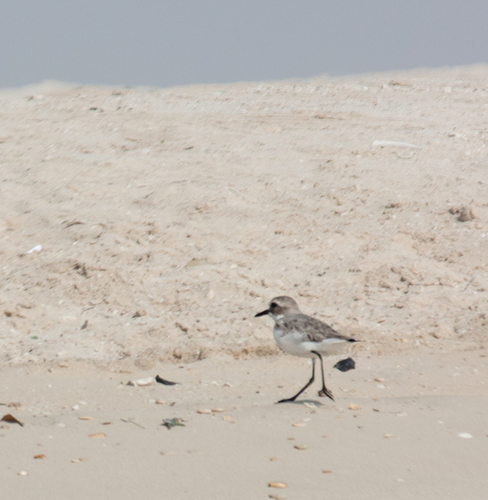
オオメダイチドリ (Anarhynchus leschenaultii) オオメダイチドリ
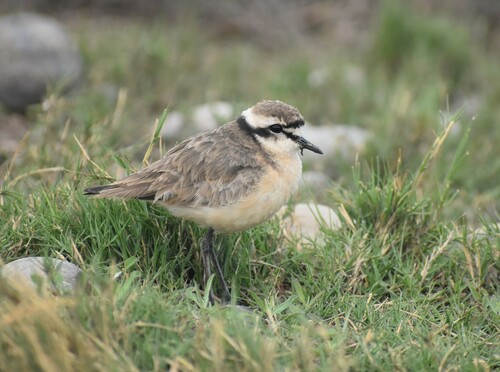
ヒメチドリ (Anarhynchus pecuarius) ヒメチドリ

メディア

読み込み中…

要点

オオメダイチドリとヒメチドリの最も信頼できるフィールドマークは全体的な構造です:オオメダイチドリは明らかにずんぐりしており、太いくちばしと長い脚を持っていますが、ヒメチドリはスリムで短いくちばしと繊細な体つきをしています。すべての羽色において、オオメダイチドリはよりずんぐりとした印象を示し、繁殖期のオスでは変動するオレンジ色の胸帯と黒いマスクを持っていますが、ヒメチドリは目を引く白い額、黒いアイストライプを持ち、オレンジ色のトーンはありません。幼鳥や非繁殖期の鳥は見分けが難しいことがありますが、ヒメチドリは常により繊細な外観を保ち、オオメダイチドリの重いくちばしや強いオレンジ色のトーンを示すことはありません。サイズと構造は最も一貫した識別要因であり、特に混合群れや並んで見られるときに顕著です。

識別のコツ

  1. サイズと構造:オオメダイチドリははるかに大きくずんぐりしており、太いくちばしと長い脚を持っています;ヒメチドリは小柄で、細いくちばしを持ち、繊細です。これはすべての羽色と年齢において最も信頼できる識別要因です。
  2. くちばしの形:オオメダイチドリは明らかに太く頑丈なくちばしを持っていますが、ヒメチドリのくちばしは細く短いです。くちばしの太さは、鳥が餌を食べているときや横から見たときに特に役立ちます。
  3. 脚の色:オオメダイチドリは緑がかった黄色の脚を持っています;ヒメチドリは通常黒い脚を持っていますが、時には緑がかったり灰色に見えることもあるため、これはあくまで補助的なマークです。
  4. 胸帯(繁殖期のオス):オオメダイチドリのオスは変動するオレンジ色の胸帯と額/後頭部にオレンジ色を示します;ヒメチドリはオレンジ色のトーンを示さず、代わりに白い額と黄色がかった腹部を持っています。
  5. 顔の模様(繁殖期):ヒメチドリはくちばしから首にかけて走る鋭い黒いアイストライプを持ち、部分的なカラーを形成し、白いスーペリキウムがあります;オオメダイチドリは黒いアイマスクを持っていますが、鮮明なカラーやスーペリキウムの模様はありません。
  6. 頭頂と額:ヒメチドリは黒っぽいバーのある白い額と砂色の先端を持つ茶色の頭頂を示します;オオメダイチドリの頭は繁殖期のオスではより均一に砂色またはオレンジ色のトーンです。
  7. 非繁殖期/幼鳥の羽色:両種は鈍くなりますが、ヒメチドリの幼鳥は大人の黒い顔のマークがなく、バフ色のカラーを持ち、細いくちばしを保ちます;オオメダイチドリの幼鳥は茶色がかり、ずんぐりしており、頭に赤褐色のヒントを示すことがあります。
  8. 尾の模様:ヒメチドリは黒っぽい中央の尾羽と白い外側のペアを持っています;これは飛行中や羽繕いの際に見ることができますが、微妙です。
  9. 腹部:ヒメチドリは黄色がかった腹部を持ち、腹は淡い色です;オオメダイチドリは下側が白く、繁殖期のオスにのみオレンジ色があります。
  10. 飛行中の印象:オオメダイチドリは広い翼を持ち重く見え、長い脚が後ろに引きずられます;ヒメチドリは速く、敏捷で、軽やかに飛びます。
  11. 生息地の文脈:アフリカでは、海岸から離れた小さく細いくちばしのチドリはほぼ常にヒメチドリです;オオメダイチドリは内陸ではまれで、はるかに大きいです。
  12. 性差:ヒメチドリは単型(オスとメスが似ている)ですが、オオメダイチドリのメスは繁殖羽色ではオスよりも鈍いです。
  13. 亜種の変異(オオメダイチドリ):オオメダイチドリのいくつかの西部亜種は小さなくちばしと強いオレンジ色の胸帯を持ち、他のメダイチドリに似て見えることがありますが、ヒメチドリほど繊細には見えません。
  14. 混合群れ:両種が存在する場合、サイズとくちばしの違いは特に明らかです;孤立した鳥との混乱がより起こりやすいです。
  15. 落とし穴:非繁殖期または幼鳥のヒメチドリには注意が必要で、非常に地味に見えることがありますが、常に小さなサイズと細いくちばしを確認して、若いオオメダイチドリとの混乱を避けてください。

大きさ

オオメダイチドリは明らかに大きく、長さは19〜22 cmで、ずんぐりしており、長い脚と太いくちばしを持っています。ヒメチドリははるかに小さく軽量(35〜40 g)で、翼の長さは100〜110 mm、くちばしは15〜23 mm、足は26〜33 mmです。フィールドでは、オオメダイチドリはより高くずんぐりして見え、ヒメチドリは全体的に小柄でより繊細です。このサイズの違いは、特に両種が存在する場合、距離があっても明らかです。

羽色

幼鳥と非繁殖期のヒメチドリは大人の黒い顔のマークがなく、茶色の上面、バフ色の後頸部のカラー、白い腹部を持っていますが、依然として細いくちばしで繊細な外観を保っています。幼鳥のオオメダイチドリは全体的に茶色がかり、時には頭に赤褐色のヒントを示しますが、常にずんぐりしており、太いくちばしを持っています。繁殖期には、オオメダイチドリのオスは変動するオレンジ色の胸帯、額と後頭部にオレンジ色、そして大胆な黒いアイマスクを示します;メスは鈍く灰色がかっています。繁殖羽色のヒメチドリは白い額、前頭部に黒いバー、カラーを形成する黒いアイストライプ、砂色の先端を持つ茶色の頭頂を持ち、黄色がかった腹部と白い腹を持っています。非繁殖期のヒメチドリは黒い前面のバーを失い、アイストライプは茶色がかりますが、鳥は下側が淡いままで、オレンジ色のトーンを得ることはありません。ヒメチドリの尾は黒っぽい中央の羽と白い外側のペアを持ち、微妙ですが時には見えるマークです。

行動

オオメダイチドリは通常、目的を持った安定した歩き方で移動し、オープンな干潟やビーチで緩い群れを作ることが多く、より頑丈で直立して見えることがあります。ヒメチドリはより活発で繊細で、短い停止を挟みながら速く走ることが多く、巣の近くに近づくと気を引くディスプレイを行うことがあります。両種はオープンな地面で餌を探しますが、ヒメチドリの動きはより軽やかで慌ただしいです。

生息環境

オオメダイチドリは沿岸の干潟、砂浜、時には内陸の塩分のある平地を好み、特に渡りや冬の間に見られます。ヒメチドリは主にサハラ以南のアフリカとマダガスカルで見られ、塩湿地、砂や泥の河岸、アルカリ性の草原、時には沿岸地域など、より広範な生息地を利用します。アフリカでは、海岸から離れた小さく細いくちばしのチドリは、ヒメチドリである可能性がはるかに高いです。

より良い説明を送る

比較と同じ項目を使ってください。文章はすぐに公開されます。

The most reliable field mark between Greater Sand Plover and Kittlitz's Plover is overall structure: Greater Sand Plover is noticeably bulkier, with a thicker bill and longer legs, while Kittlitz's Plover is daintier with a slim, short bill and finer build. In all plumages, Greater Sand Plover shows a chunkier jizz and, in breeding males, a variable orange breast band and black mask, while Kittlitz's Plover has a striking white forehead, black eye-stripe, and lacks any orange tones. Juvenile and non-breeding birds can be trickier, but Kittlitz's Plover always keeps a more delicate look and never shows the heavy bill or strong orange tones of Greater Sand Plover. Size and structure are the most consistent separators, especially in mixed flocks or when seen side-by-side.

  1. Size and structure: Greater Sand Plover is much larger and bulkier, with a thick bill and long legs; Kittlitz's Plover is petite, fine-billed, and delicate. This is the most reliable separator in all plumages and ages.
  2. Bill shape: Greater Sand Plover has a noticeably thick, robust bill, while Kittlitz's Plover's bill is slim and short. Bill thickness is especially useful when birds are feeding or seen in profile.
  3. Leg color: Greater Sand Plover has greenish-yellow legs; Kittlitz's Plover usually has black legs, but they can sometimes appear greenish or grey, so this is only a supporting mark.
  4. Breast band (breeding males): Greater Sand Plover males show a variable orange breast band and orange on the forehead/nape; Kittlitz's Plover never shows orange tones, instead having a white forehead and yellowish underparts.
  5. Face pattern (breeding): Kittlitz's Plover has a sharp black eye-stripe running from bill to neck, forming a partial collar, and a white supercilium; Greater Sand Plover has a black eye mask but lacks the crisp collar and supercilium pattern.
  6. Crown and forehead: Kittlitz's Plover shows a white forehead with a blackish bar and sandy-tipped brown crown; Greater Sand Plover's head is more uniformly sandy or orange-toned in breeding males.
  7. Non-breeding/juvenile plumage: Both species become duller, but Kittlitz's Plover juveniles lack black face marks, have a buff collar, and remain fine-billed; Greater Sand Plover juveniles are browner, chunkier, and may show a hint of rufous on the head.
  8. Tail pattern: Kittlitz's Plover has blackish central tail feathers with white outer pairs; this can be seen in flight or when preening, but is subtle.
  9. Underparts: Kittlitz's Plover has yellowish underparts with a pale belly; Greater Sand Plover is white below, with orange only in breeding males.
  10. Jizz in flight: Greater Sand Plover appears broad-winged and heavy, with long legs trailing; Kittlitz's Plover is quick, agile, and light on the wing.
  11. Habitat context: In Africa, a small, fine-billed plover away from the coast is almost always Kittlitz's; Greater Sand Plover is rare inland and much larger.
  12. Sexual dimorphism: Kittlitz's Plover is monomorphic (males and females look alike), while Greater Sand Plover females are duller than males in breeding plumage.
  13. Subspecies variation (Greater Sand Plover): Some western subspecies of Greater Sand Plover have smaller bills and stronger orange breast bands, which can make them look more like other sand plovers, but never as dainty as Kittlitz's.
  14. Mixed flocks: When both species are present, the size and bill differences are especially obvious; confusion is more likely with lone birds.
  15. Pitfalls: Beware of non-breeding or juvenile Kittlitz's Plover, which can look very plain, but always check for the small size and fine bill to avoid confusion with a young Greater Sand Plover.

Greater Sand Plover is significantly larger, measuring 19–22 cm in length and appearing chunky with long legs and a thick bill. Kittlitz's Plover is much smaller and lighter (35–40 g), with a wing length of 100–110 mm, a bill of 15–23 mm, and a tarsus of 26–33 mm. In the field, Greater Sand Plover stands taller and bulkier, while Kittlitz's Plover is petite and more delicate overall. This size difference is often obvious even at a distance, especially when both species are present.

Juvenile and non-breeding Kittlitz's Plovers lack the black face marks of adults, have brown upperparts, a buff hindneck collar, and white underparts, but still retain a fine-billed, dainty look. Juvenile Greater Sand Plovers are browner overall, sometimes with a hint of rufous on the head, but are always chunkier and have a thicker bill. In breeding season, male Greater Sand Plovers show a variable orange breast band, orange on the forehead and nape, and a bold black eye mask; females are duller and greyer. Kittlitz's Plover in breeding plumage has a white forehead, black bar on the forecrown, black eye-stripe forming a collar, and sandy-tipped brown crown, with yellowish underparts and a white belly. Non-breeding Kittlitz's Plover loses the black frontal bar and the eye-stripe becomes browner, but the bird remains pale below and never gains orange tones. The tail of Kittlitz's Plover has blackish central feathers and white outer pairs, a subtle but sometimes visible mark.

Greater Sand Plover typically moves with a purposeful, steady gait, often in loose flocks on open mudflats or beaches, and can appear more robust and upright. Kittlitz's Plover is more active and dainty, often running quickly with short stops, and may be seen performing distraction displays if approached near the nest. Both species forage on open ground, but Kittlitz's Plover's movements are lighter and more frenetic.

Greater Sand Plover favors coastal mudflats, sandy beaches, and sometimes inland saline flats, especially during migration and winter. Kittlitz's Plover is mostly found in sub-Saharan Africa and Madagascar, using a wider range of habitats including saltmarshes, sandy or muddy riverbanks, alkaline grasslands, and sometimes coastal areas. In Africa, a small, fine-billed plover away from the coast is much more likely to be Kittlitz's Plover.

変更を破棄しますか?

保存していない編集があります。今離れると失われます。

オオメダイチドリ · ヒメチドリ · 苦手な鳥