

Motmot

クビワガビチョウ 対 ヒゲチメドリ

Pterorhinus pectoralis 対 Pterorhinus lanceolatus

クビワガビチョウとヒゲチメドリのクイズ
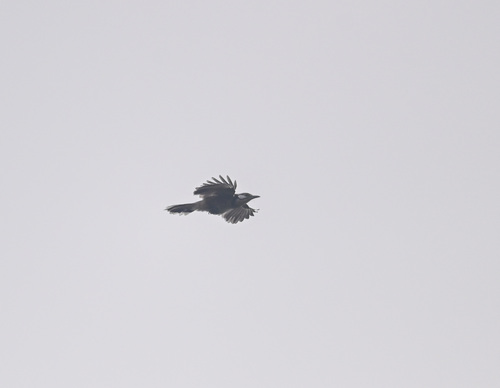
クビワガビチョウ (Pterorhinus pectoralis) クビワガビチョウ
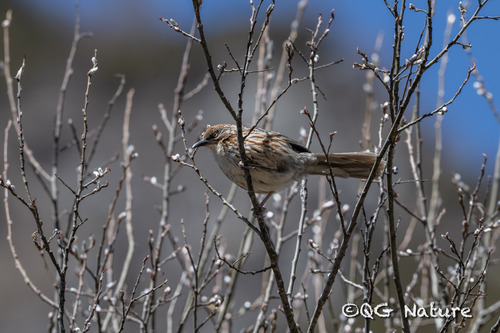
ヒゲチメドリ (Pterorhinus lanceolatus) ヒゲチメドリ

メディア

読み込み中…

要点

クビワガビチョウとヒゲチメドリは、南アジアと東アジアの重複する森林生息地に生息する大きな社会性のLeiothrichidaeですが、主に羽毛と分布が異なります。フィールドでの最も信頼できる識別は、クビワガビチョウの特徴的な「ネックレス」—上胸部を横切る太い黒い帯—であり、ヒゲチメドリにはこれがありません。両種は構造と行動が似ているように見えることがありますが、中国とインドの一部で生息地が重なっているため、羽毛に注意を払うことが重要です。年齢特有の翼のパターンの違いは利用可能な情報源には記載されていないため、成鳥の羽毛と全体的な色合いに焦点を当ててください。

識別のコツ

  1. Look for the 'necklace': クビワガビチョウは上胸部に太い黒い帯を示し、白い喉とバフィーな下部を鮮やかに分けています。これは最も信頼できるフィールドマークであり、すべての年齢のヒゲチメドリにはありません。
  2. Check the throat and breast: クビワガビチョウは黒いネックレスに囲まれた清潔な白い喉を持っていますが、ヒゲチメドリは対照的でない、縞模様または斑点のある胸を持ち、はっきりとした白い喉がありません。
  3. Assess overall contrast: クビワガビチョウは上部が暖かい茶色に見え、下部がより対照的に見える傾向がありますが、ヒゲチメドリは一般的により平坦で、色の移行があまり鋭くありません。
  4. Ignore size and shape: 両種はサイズ、構造、印象が似ているため、これらの特徴を識別に使用しないでください。
  5. No distinctive wing pattern: どちらの種にも年齢特有の上翼や飛行マークは記録されていないため、止まっているときや採餌しているときに見える羽毛の詳細に焦点を当ててください。
  6. Observe flocking behavior: 両種は社会的で、群れで移動します。行動は識別には役立ちません。
  7. Use range with caution: 中国の外、特に東南アジアやインド亜大陸(ネパール、ブータン、バングラデシュ、ラオス、タイ、ベトナム)では、ほぼ確実にクビワガビチョウです。中国、インド、ミャンマーでは、両種が発生する可能性があります。
  8. Habitat overlap: 両種は似たような森林生息地を利用するため、識別に植生の種類や標高を頼らないでください。
  9. Sex and season: 両種には性的二形や季節的な羽毛の変化は記録されていないため、フィールドマークは年間を通じて信頼できます。
  10. Juvenile confusion: 特定の幼鳥のマークは記載されていませんが、若い鳥は同じパターンに従う可能性が高い—黒いネックレスの有無を探してください。
  11. Voice: 情報源には診断的な声の違いはありません。識別には鳴き声や歌に頼らないでください。
  12. Plumage pitfalls: 照明が悪い場合や距離がある場合、ネックレスが見えにくいことがあります。全体的な対照と喉と胸のパターンの鮮明さを探してください。
  13. Introduced range: ハワイでは、クビワガビチョウのみが存在します。
  14. Community tip: 群れの中で黒い胸の帯を持つ鮮やかなマークのある鳥を見たら、それはクビワガビチョウです。より平坦で縞模様のある胸の鳥はヒゲチメドリです。
  15. Summary: 信頼できる識別のために、黒いネックレスの有無と喉と胸の対照の鮮明さを常に優先してください。

大きさ

両種はPterorhinus属の典型的な大きくて頑丈なバブラーであり、利用可能な情報源にはサイズや質量の違いは記録されていません。全体的な長さと体格は似ていると予想されるため、フィールドでの識別にサイズを頼らないでください。

羽色

どちらの種にも特異な幼鳥や未熟な翼のパターンは記載されていないため、識別は成鳥の羽毛に依存しなければなりません。クビワガビチョウはその太い黒い「ネックレス」—上胸部を横切る広い暗い帯で名付けられ、白い喉とバフィーな下部と対照的です。ヒゲチメドリはこのネックレスがなく、代わりにより均一で縞模様または斑点のある胸を示し、はっきりした帯がありません。両種は上部が茶色がかっていますが、クビワガビチョウはしばしばより暖かく、より対照的に見えるのに対し、ヒゲチメドリは一般的により平坦で、あまり鋭くありません。これらの違いは成鳥に存在し、未熟な個体にもおそらく見られますが、若い鳥に関する確認は不足しています。

行動

両種は社交的で、しばしば密な下草や森林の中層を通って騒がしい群れで移動します。採餌と社会的行動は似ており、両方ともカバーを素早く移動するため、はっきりと見るのが難しいことがあります。フィールドで彼らを信頼できるように分ける行動の違いは記録されていません。

生息環境

両種は亜熱帯または熱帯の湿った低地および山地の森林に生息し、中国、インド、ミャンマーで重複する範囲を持っています。クビワガビチョウはより広い範囲を持ち、ネパール、ブータン、バングラデシュ、ラオス、タイ、ベトナム、西に広がり、ハワイに導入された個体群もあります。ヒゲチメドリはより制限されており、主に中国、香港、インド、ミャンマーで見られます。重複する地域では、生息地の好みは似ているため、文脈だけでは診断的ではありません。

より良い説明を送る

比較と同じ項目を使ってください。文章はすぐに公開されます。

Greater Necklaced Laughingthrush and Chinese Babax are both large, social Leiothrichidae of overlapping forest habitats in southern and eastern Asia, but they differ mainly in plumage and range. The most reliable separation in the field is the distinctive 'necklace'—a bold black band across the upper breast—of the Greater Necklaced Laughingthrush, which the Chinese Babax lacks. Both species can appear similar in structure and behavior, and their habitats overlap in parts of China and India, so careful attention to plumage is essential. Age-specific wing pattern differences are not documented in available sources, so focus on adult plumage and overall coloration.

  1. Look for the 'necklace': The Greater Necklaced Laughingthrush shows a bold black band across the upper breast, sharply separating the white throat from the buffy underparts. This is the single most reliable field mark and is absent in Chinese Babax of all ages.
  2. Check the throat and breast: Greater Necklaced Laughingthrush has a clean white throat bordered by the black necklace, while Chinese Babax has a less contrasting, streaked or spotted breast and lacks a sharply defined white throat.
  3. Assess overall contrast: The Greater Necklaced Laughingthrush tends to appear warmer brown above and more contrasting below, while Chinese Babax is generally plainer, with less sharp color transitions.
  4. Ignore size and shape: Both species are similar in size, structure, and jizz, so do not use these features for separation.
  5. No distinctive wing pattern: There are no documented age-specific upperwing or flight marks for either species; focus on plumage details visible when perched or foraging.
  6. Observe flocking behavior: Both species are social and move in groups; behavior is not useful for separation.
  7. Use range with caution: If outside China, especially in Southeast Asia or the Indian subcontinent (Nepal, Bhutan, Bangladesh, Laos, Thailand, Vietnam), the bird is almost certainly Greater Necklaced Laughingthrush. In China, India, and Myanmar, both species can occur.
  8. Habitat overlap: Both species use similar forest habitats, so do not rely on vegetation type or elevation for separation.
  9. Sex and season: No sexual dimorphism or seasonal plumage changes are documented for either species; field marks are reliable year-round and for both sexes.
  10. Juvenile confusion: While no specific juvenile marks are described, young birds likely follow the same pattern—look for the presence or absence of the black necklace.
  11. Voice: No diagnostic vocal differences are available in the sources; do not rely on calls or songs for separation.
  12. Plumage pitfalls: In poor light or at distance, the necklace may be hard to see; look for the overall contrast and sharpness of the throat and breast pattern.
  13. Introduced range: In Hawaii, only Greater Necklaced Laughingthrush is present.
  14. Community tip: If you see a boldly marked, contrasting bird with a black breast band in a flock, it is Greater Necklaced Laughingthrush; a plainer, streaked-breasted bird is Chinese Babax.
  15. Summary: Always prioritize the presence or absence of the black necklace and the sharpness of the throat-breast contrast for reliable identification.

Both species are large, robust babblers typical of the genus Pterorhinus, and there are no documented size or mass differences in the available sources. Expect similar overall length and bulk, so do not rely on size for separation in the field.

No sources describe distinctive juvenile or immature wing patterns for either species, so separation must rely on adult plumage. The Greater Necklaced Laughingthrush is named for its bold black 'necklace'—a broad, dark band across the upper breast, contrasting with a white throat and buffy underparts. The Chinese Babax lacks this necklace and instead shows a more uniform, streaked or spotted breast without a sharp band. Both species are brownish above, but the Greater Necklaced Laughingthrush often appears warmer and more contrasting, while the Chinese Babax is generally plainer and less sharply marked. These differences are present in adults and likely in immatures, but confirmation for young birds is lacking.

Both species are gregarious, often moving in noisy flocks through dense undergrowth or mid-levels of forest. Their foraging and social behavior are similar, and both can be difficult to see clearly as they move quickly through cover. No behavioral differences are documented that would reliably separate them in the field.

Both species inhabit subtropical or tropical moist lowland and montane forests, with overlapping ranges in China, India, and Myanmar. The Greater Necklaced Laughingthrush has a broader range, extending west to Nepal, Bhutan, Bangladesh, Laos, Thailand, Vietnam, and even introduced populations in Hawaii. The Chinese Babax is more restricted, found mainly in China, Hong Kong, India, and Myanmar. In areas of overlap, habitat preferences are similar, so context alone is not diagnostic.

変更を破棄しますか?

保存していない編集があります。今離れると失われます。

クビワガビチョウ · ヒゲチメドリ · 苦手な鳥