

Motmot

ヨーロッパフラミンゴ 対 カイツブリ

Phoenicopterus roseus 対 Tachybaptus ruficollis

ヨーロッパフラミンゴとカイツブリのクイズ
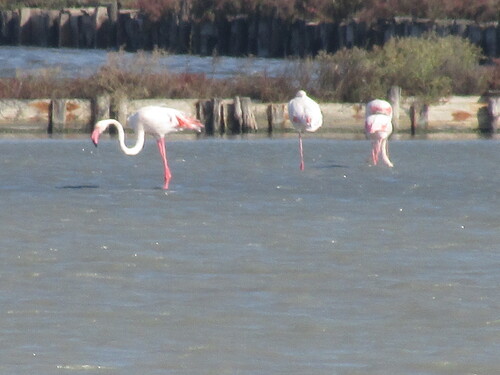
ヨーロッパフラミンゴ (Phoenicopterus roseus) ヨーロッパフラミンゴ
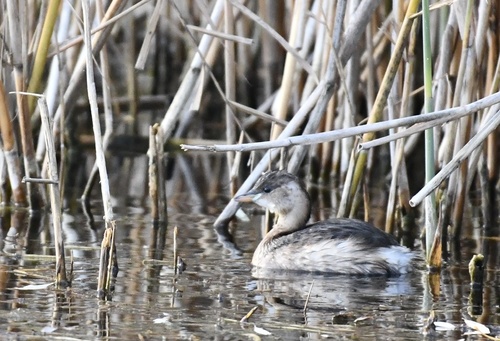
カイツブリ (Tachybaptus ruficollis) カイツブリ

メディア

読み込み中…

要点

最も信頼できるフィールドマークは全体の構造とサイズです:ヨーロッパフラミンゴは非常に大きく、長い脚と長い首を持つ鳥ですが、カイツブリは小さく、コンパクトな水鳥で、短い首と尾を持っています。飛行中または水上では、ヨーロッパフラミンゴは赤と黒の羽を持つ目を引くピンクがかった白の羽毛を示し、長いピンクの脚が後ろに引きずられます。カイツブリは、幼鳥でさえも、はるかに暗く、短く尖ったくちばしとピンクの色合いがありません。幼鳥のカイツブリは顔に黒と白のストライプと黄色がかったくちばしを示し、若いヨーロッパフラミンゴは淡い色で暗い脚を持っています。2種は形、サイズ、色合いで非常に異なり、混乱は非常に悪い視界条件や遠くのシルエットでしか起こりません。

識別のコツ

  1. サイズと構造: ヨーロッパフラミンゴはカイツブリの10倍以上の長さがあります。長い首と脚を持つ鳥を見たら、それはフラミンゴです。カイツブリは小さく、丸い体を持ち、短い首と尾があります。
  2. 脚: フラミンゴの長いピンクの脚は、立っているときも飛んでいるときも見え、尾をはるかに超えて引きずられます。カイツブリの脚は短く、フィールドでは尾を超えて見えることはありません。
  3. 首: フラミンゴは非常に長いS字型の首を持ち、しばしば直立または伸ばされています。カイツブリは短くまっすぐな首を持ち、コンパクトな外観を与えます。
  4. くちばしの形と色: フラミンゴのくちばしは大きく、下向きに曲がっており、主にピンクで黒い先端(成鳥)を持ち、幼鳥では鈍い色合いです。カイツブリのくちばしは短く尖っており、幼鳥では黄色がかった色で黒い先端を持ち、成鳥では黒くなります。
  5. 幼鳥の顔の模様: 幼鳥のカイツブリは頬と首に黒と白のストライプを持ち、フラミンゴでは見られません。幼鳥のフラミンゴは無地の顔をしています。
  6. 成鳥の羽毛: 成鳥のフラミンゴはピンクがかった白で、赤い翼の覆いと黒い初級・二級羽を持っています。成鳥のカイツブリは繁殖羽毛で、豊かな赤褐色の首と頬、暗い上面、明るい黄色の口を持ち、冬には鈍い茶色がかった灰色になりますが、それでもフラミンゴよりはるかに暗いです。
  7. 飛行中の翼の模様: フラミンゴは翼に大胆な黒と赤を示し、特に飛行中に明らかです。カイツブリは無地で短い翼を持ち、大胆な模様はありません。
  8. 尾と後部: カイツブリは特徴的な「パウダーパフ」の後部を持ち、しばしば膨らんでいます。フラミンゴの尾は短く、目立ちません。
  9. 姿勢と動き: フラミンゴは直立して歩き、しばしば片足で立ち、水中でくちばしを振りながら餌を取ります。カイツブリは低く泳ぎ、頻繁に潜り、めったに歩きません。
  10. 群れ: フラミンゴは群れを成し、大きく目立つ群れでよく見られます。カイツブリは通常孤独または小さなグループで見られます。
  11. 生息地: 水域が大きく開けた塩水の潟または干潟であれば、フラミンゴの可能性があります。小さな葦の生えた淡水の池はカイツブリの領域です。
  12. 声: フラミンゴはホーンのような鳴き声を出し、カイツブリはトリル音で繰り返し「ウィートウィートウィート」または「ウィーウィーウィー」と鳴きます。
  13. 飛行シルエット: フラミンゴは首と脚を完全に伸ばして飛び、長くまっすぐなプロファイルを形成します。カイツブリは短くて太いプロファイルを持ち、追い立てられたとき以外はめったに飛びません。
  14. 脚の色: 成鳥のフラミンゴは完全にピンクの脚を持ち、亜成鳥は暗い脚を持つことがあります。カイツブリの脚は通常の視界では見えません。
  15. 若鳥のくちばしの色: 幼鳥のフラミンゴは主に淡い色のくちばしを持ち、黒い先端があります。幼鳥のカイツブリは黄色がかったくちばしを持ち、黒い先端があります。

大きさ

ヨーロッパフラミンゴは非常に大きい:体長は平均約1325 mm(132.5 cm)で、最も背の高い水鳥の一つです [wikidata]。カイツブリははるかに小さく、コンパクトで丸い体と短い首を持っています(正確な長さは示されていませんが、最も小さなカイツブリの一つです)。サイズの違いは、両方が一緒に見られるか、馴染みのある水鳥と比較される範囲では診断的です。フラミンゴの脚と首は非常に長く、カイツブリはずんぐりして低い体型です。

羽色

幼鳥と未成熟の羽毛は、成鳥が存在しない場合の分離の鍵です。若いヨーロッパフラミンゴは全体的に淡い灰色またはピンクがかった白で、暗い脚と主にピンクのくちばしに黒い先端を持っています。彼らの翼はすでに黒い初級羽と二級羽を持ち、赤い覆いが特に飛行中に見られます。対照的に、幼鳥のカイツブリは小さな黒い先端を持つ黄色いくちばしと、頬と首に特徴的な黒と白のストライプを持っています。繁殖羽毛の成鳥のカイツブリは、上面が暗く、豊かな赤褐色の首、頬、側面を持ち、明るい黄色の口を持っています。非繁殖期および幼鳥では、赤褐色は汚れた茶色がかった灰色に置き換えられますが、鳥はフラミンゴよりはるかに暗いままです。フラミンゴは、幼いカイツブリの顔のストライプや黄色いくちばしを示すことはなく、コンパクトでパウダーパフの後部も持ちません。飛行中、フラミンゴは翼に広範な黒を示し、明るいピンクの脚が後ろに引きずられますが、カイツブリは短い翼を持ち、大胆な翼の模様はありません。

行動

ヨーロッパフラミンゴは通常、浅い水で歩いているのが見られ、大きく騒がしい群れで、頭を下げてくちばしを左右に振りながら餌を取ります。彼らは直立して立ち、しばしば片足で歩き、首と脚を完全に伸ばして飛びます。カイツブリは孤独または小さなグループで見られ、大きな群れを形成することはめったにありません。彼らは水中で低く泳ぎ、しばしば潜ったり、植生の中に隠れたりします。彼らの飛行は弱く低く、陸上を歩くことはめったにありません。姿勢、餌の取り方、群れの行動の対比は鮮明です。

生息環境

ヨーロッパフラミンゴは、大きく開けた干潟や浅い沿岸の潟に生息し、塩水または淡水を好み、しばしば露出した開けた場所にいます [wikipedia]。カイツブリは、小さく、より植生の多い淡水の池、湖、緩やかな川を好み、しばしば密な周辺の植生があります。両者は水生ですが、フラミンゴは開けた、時には沿岸の生息地に関連し、カイツブリは閉じられた、葦の生えた淡水の体に関連しています。

声

ヨーロッパフラミンゴは、特に飛行中やディスプレイ中に大きなガチョウのような鳴き声を出します。カイツブリの鳴き声はトリル音で繰り返される「ウィートウィートウィート」または「ウィーウィーウィー」で、馬のいななきを思わせます。鳴き声は完全に異なり、よく聞こえれば診断的です。

より良い説明を送る

比較と同じ項目を使ってください。文章はすぐに公開されます。

The most reliable field mark is overall structure and size: Greater Flamingo is an exceptionally large, long-legged, long-necked bird, while Little Grebe is a tiny, compact waterbird with a short neck and tail. In flight or on water, Greater Flamingo shows striking pinkish-white plumage with red and black in the wings, and long pink legs trailing far behind. Little Grebe, even as a juvenile, is much darker, with a short, pointed bill and no pink tones. Juvenile Little Grebes show black-and-white facial streaks and a yellowish bill, while young Greater Flamingos are pale with dark legs. The two species differ so dramatically in shape, size, and coloration that confusion is rare except in very poor viewing conditions or with distant silhouettes.

  1. Size and structure: Greater Flamingo is over ten times the length of Little Grebe; if you see a bird with a long neck and legs, it's a flamingo. Little Grebe is tiny, round-bodied, with a short neck and tail.
  2. Legs: Flamingo's long, pink legs are visible both when standing and in flight, trailing well beyond the tail. Little Grebe's legs are short and never visible beyond the tail in the field.
  3. Neck: Flamingos have extremely long, S-shaped necks, often held upright or outstretched. Grebes have short, straight necks, giving a compact appearance.
  4. Bill shape and color: Flamingo's bill is large, downcurved, mostly pink with a black tip (adults), or duller in juveniles. Little Grebe's bill is short, pointed, and yellowish with a black tip in juveniles, turning black in adults.
  5. Juvenile facial pattern: Juvenile Little Grebes have black-and-white streaks on the cheeks and neck, never seen in flamingos. Juvenile flamingos are plain-faced.
  6. Adult plumage: Adult flamingos are pinkish-white with red wing coverts and black primaries/secondaries. Adult Little Grebes in breeding plumage have a rich rufous neck and cheeks, dark upperparts, and a yellow gape; in winter, they are dull brownish-grey but still much darker than flamingos.
  7. Wing pattern in flight: Flamingos show bold black and red in the wings, especially obvious in flight. Little Grebes have plain, short wings with no bold pattern.
  8. Tail and rear: Little Grebe has a distinctive 'powder puff' rear end, often fluffed up. Flamingo's tail is short and not prominent.
  9. Posture and movement: Flamingos walk and stand upright, often on one leg, and feed by sweeping their bills in water. Grebes swim low, dive frequently, and rarely walk.
  10. Flocking: Flamingos are gregarious, often in large, conspicuous flocks. Little Grebes are usually solitary or in small groups.
  11. Habitat: If the waterbody is a large, open, saline lagoon or mudflat, flamingo is likely. Small, reedy freshwater ponds are Little Grebe territory.
  12. Voice: Honking calls indicate flamingo; trilled, whinnying calls point to Little Grebe.
  13. Flight silhouette: Flamingos fly with neck and legs fully outstretched, forming a long, straight profile. Grebes have a short, stubby profile and rarely fly except when flushed.
  14. Leg color: Adult flamingos have entirely pink legs; subadults may have darker legs. Grebes' legs are not visible in normal views.
  15. Bill color in young: Juvenile flamingos have a mostly pale bill with a black tip; juvenile grebes have a yellowish bill with a black tip.

Greater Flamingo is enormous: body length averages around 1325 mm (132.5 cm), making it one of the tallest wading birds [wikidata]. Little Grebe is much smaller, with a compact, rounded body and short neck (exact length not given, but it is among the smallest grebes). The sheer difference in size is diagnostic at any range where both can be seen together or compared to familiar waterbirds. Flamingo's legs and neck are extremely elongated, while Little Grebe is squat and low-slung.

Juvenile and immature plumages are key for separation if adults are not present. Young Greater Flamingos are pale greyish or pinkish-white overall, with dark legs and a mostly pink bill tipped with black; their wings already show black primaries and secondaries with red coverts, especially in flight. By contrast, juvenile Little Grebes have a yellow bill with a small black tip, and distinctive black-and-white streaks on the cheeks and neck. Adult Little Grebes in breeding plumage are dark above with rich rufous neck, cheeks, and flanks, and a bright yellow gape; in non-breeding and juvenile birds, the rufous is replaced by dirty brownish-grey, but the bird remains much darker than any flamingo. Flamingos never show the facial streaks or yellow bill of young grebes, nor the compact, powder-puff rear end. In flight, flamingos show extensive black in the wings and bright pink legs trailing behind, while Little Grebes have short wings and lack any bold wing pattern.

Greater Flamingos are usually seen wading in shallow water, often in large, noisy flocks, feeding with their heads down and sweeping their bills side to side. They stand and walk upright, often on one leg, and fly with neck and legs fully outstretched. Little Grebes are solitary or in small groups, rarely forming large flocks. They spend most of their time swimming low in the water, often diving or skulking among vegetation. Their flight is weak and low, and they rarely walk on land. The contrast in posture, feeding style, and flocking behavior is stark.

Greater Flamingos inhabit large, open mudflats and shallow coastal lagoons with saline or brackish water, often in exposed, open areas [wikipedia]. Little Grebes prefer smaller, more vegetated freshwater ponds, lakes, and slow rivers, often with dense marginal vegetation. While both are aquatic, flamingos are associated with open, sometimes coastal habitats, and grebes with enclosed, reedy freshwater bodies.

Greater Flamingo gives a loud, goose-like honking, especially in flight or during displays. Little Grebe's call is a trilled, repeated 'weet-weet-weet' or 'wee-wee-wee', reminiscent of a horse whinnying. The calls are completely different and diagnostic if heard well.

変更を破棄しますか?

保存していない編集があります。今離れると失われます。

ヨーロッパフラミンゴ · カイツブリ · 苦手な鳥