

Motmot

ヨーロッパフラミンゴ 対 コバシフラミンゴ

Phoenicopterus roseus 対 Phoenicoparrus jamesi

ヨーロッパフラミンゴとコバシフラミンゴのクイズ
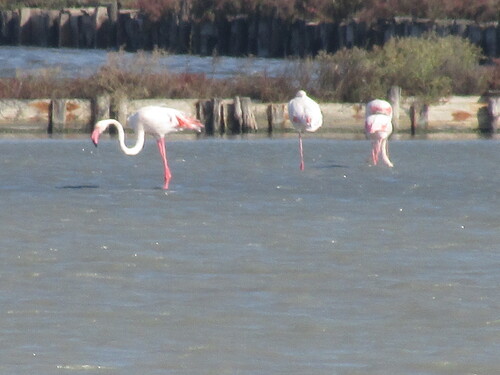
ヨーロッパフラミンゴ (Phoenicopterus roseus) ヨーロッパフラミンゴ
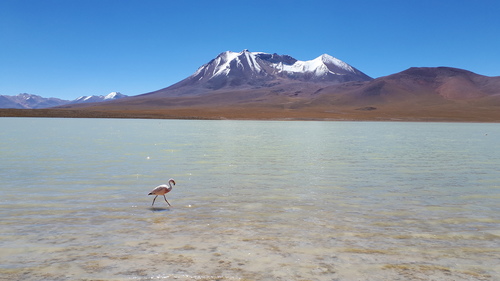
コバシフラミンゴ (Phoenicoparrus jamesi) コバシフラミンゴ

メディア

読み込み中…

要点

ヨーロッパフラミンゴとコバシフラミンゴを区別する最も信頼できるフィールドマークは、成鳥のくちばしと脚の色彩です。ヨーロッパフラミンゴは黒い先端のみのピンクのくちばしと完全にピンクの脚を示し、コバシフラミンゴは黒い先端のある明るい黄色のくちばしとレンガ色の脚を持っています。飛行中または止まっているとき、ヨーロッパフラミンゴは赤い翼の覆い羽と黒い一次・二次羽を示し、一方コバシフラミンゴの淡いピンクの羽毛は首と背中に明るいカーマインの筋がアクセントとなり、止まっているときには翼にわずかな黒が見えます。両種の未成熟な鳥はより淡いですが、くちばしと脚の色は最も良い手がかりです。ヨーロッパフラミンゴはコバシフラミンゴよりもはるかに大きくてがっしりしており、コバシフラミンゴはより繊細で首が短いです。生息地も役立ちます:ヨーロッパフラミンゴは旧世界の低地塩湖や干潟に見られ、コバシフラミンゴは南アメリカの高いアンデス高原に限定されています。

識別のコツ

  1. Bill color and pattern: 成鳥のヨーロッパフラミンゴは制限された黒い先端のあるピンクのくちばしを持ち、コバシフラミンゴは黒い先端のある明るい黄色のくちばしを持っています。これはひなを除くすべての年齢で最も一貫したマークです。
  2. Leg color: ヨーロッパフラミンゴの脚は成鳥では完全にピンクで、コバシフラミンゴの脚はレンガ色です。未成鳥のヨーロッパフラミンゴは暗い脚を持つことがありますが、決してレンガ色にはなりません。
  3. Size and structure: ヨーロッパフラミンゴははるかに大きくてがっしりしており、首と脚が長いです。コバシフラミンゴは小さく、より繊細で首が短いです。これは両種が一緒にいるときに最も明らかですが、経験によって判断できます。
  4. Wing coverts and flight feathers (adults): 飛行中、ヨーロッパフラミンゴは赤い翼の覆い羽と黒い一次・二次羽を示し、コバシフラミンゴは淡い翼にカーマインの筋があり、止まっているときにはわずかな黒(飛行羽)が見えます。
  5. Plumage tone: ヨーロッパフラミンゴは全体的にピンクがかった白で、赤いハイライトは翼の覆い羽に限られています。コバシフラミンゴは非常に淡いピンクで、首と背中に明るいカーマインの筋があります。
  6. Juvenile/immature birds: 両種とも成鳥よりも淡いですが、ヨーロッパフラミンゴの幼鳥は暗い脚を持つ灰色で、コバシフラミンゴの幼鳥は灰色または白で、年齢とともに徐々に淡いピンクになります。くちばしの色は早く発達するため、重要な手がかりとなります。
  7. Eye and face: コバシフラミンゴは成鳥の目の周りに明るい赤い皮膚と黄色の虹彩を持っています。これはフィールドではあまり明らかではありませんが、近距離では役立ちます。
  8. Feet: コバシフラミンゴ(およびすべてのPhoenicoparrusフラミンゴ)は後ろの爪(ハルクス)が欠けており、ヨーロッパフラミンゴは前向きの爪が3本とハルクスを持っています。これは非常に近距離または写真でのみ見えます。
  9. Habitat: ヨーロッパフラミンゴは旧世界の低地塩湖や干潟に見られ、コバシフラミンゴは南アメリカの高いアンデス塩湖に限定されています。
  10. Geographic range: アンデスの外で観察された場合、コバシフラミンゴは非常に可能性が低いです。旧世界の外では、ヨーロッパフラミンゴは可能性が低いです。
  11. Voice: ヨーロッパフラミンゴの大きなガチョウのような鳴き声は特徴的で、コバシフラミンゴの鳴き声はあまりよく説明されておらず、主要なフィールドマークではありません。
  12. Group composition: Greater Flamingosは非常に大きくて密な群れを形成することが多いですが、James's Flamingosも群れを作りますが、通常は少数で高地の湖でのみ見られます。
  13. Courtship display: 両種は群れでディスプレイを行いますが、ディスプレイの複雑さと群れのサイズはヨーロッパフラミンゴのコロニーでより顕著です。
  14. Seasonal variation: 両種の成鳥は繁殖期に色が明るくなりますが、基本的な色の違いは残ります。
  15. Sexual dimorphism: どちらの種も性別に基づく羽毛の違いは示しません。すべてのフィールドマークは両性に適用されます。

大きさ

ヨーロッパフラミンゴははるかに大きく、体長は平均1325 mm(132.5 cm)[wikidata]で、コバシフラミンゴは約900–920 mm(90–92 cm)[wikipedia]です。ヨーロッパフラミンゴはまた重く(2–4 kg対約2 kgのJames's)、フィールドではヨーロッパフラミンゴはより背が高く、がっしりしており、首が長く見えますが、コバシフラミンゴはよりコンパクトで繊細です。一緒に見られると、サイズの違いは際立っていますが、孤立した鳥や遠くの群れはサイズの判断を難しくすることがあります。

羽色

幼鳥と未成熟なヨーロッパフラミンゴは淡い灰色で暗い脚を持ち、成鳥の強いピンクのトーンが欠けており、翼の覆い羽はまだ赤くありません。ひなは灰色でふわふわしています。未成鳥は全体的に淡いですが、コバシフラミンゴよりもまだ大きくてがっしりしています。成鳥のヨーロッパフラミンゴはピンクがかった白の体、赤い翼の覆い羽、黒い一次・二次羽を持ち、脚は完全にピンクで、くちばしは黒い先端のあるピンクです。対照的に、コバシフラミンゴは全体的に非常に淡いピンクで、首と背中に明るいカーマインの筋があり、止まっているときには翼にわずかな黒(黒い飛行羽)が見えます。くちばしは黒い先端のある明るい黄色で、脚はレンガ色です。両種のひなは灰色または白で、2〜3歳までに徐々にピンクのトーンを獲得しますが、コバシフラミンゴは決してヨーロッパフラミンゴの深いピンクや赤い翼の覆い羽を達成しません。どちらの種にも性差はありません。飛行中、ヨーロッパフラミンゴの赤い翼の覆い羽と黒い飛行羽は明らかですが、コバシフラミンゴは淡い翼にカーマインの筋があり、限られた黒を示します。

行動

両種は泥をかき混ぜて食べ物をフィルタリングし、頭を下げて特化したくちばしで餌を取ります。ヨーロッパフラミンゴは浅い沿岸の塩湖や干潟で大きくて騒がしい群れで見られることが多いですが、コバシフラミンゴは高地のアンデス湖でコロニーを形成します。求愛ディスプレイは両方とも elaborate で、同期したグループの動きが含まれます。ヨーロッパフラミンゴは特に餌を取るまたは繁殖するグループで大きなガチョウのような鳴き声で知られています。コバシフラミンゴのディスプレイは首を伸ばし、声を出しますが、特定の鳴き声はメモに記載されていません。

生息環境

生息地は強力な区別要因です。ヨーロッパフラミンゴは旧世界(アフリカ、南ヨーロッパ、中東、インド亜大陸)の低地塩湖、干潟、浅い沿岸水域に生息しています。コバシフラミンゴは高地のアンデス高原(ペルー、チリ、ボリビア、アルゼンチン北西部)に限定され、3500メートル以上の塩湖で繁殖し、餌を取ります。旧世界や海面でフラミンゴを見た場合、ほぼ確実にヨーロッパフラミンゴです。高地のアンデス湖で見た場合はコバシフラミンゴです。

声

ヨーロッパフラミンゴは大きなガチョウのような鳴き声を発し、飛行中や餌を取る群れでよく聞かれます。コバシフラミンゴの鳴き声についてはメモに詳細な説明はありませんが、彼らのディスプレイには声が含まれています。実際には、鳴き声はこれらの2種を区別するための最も信頼できるフィールドマークではありません。

より良い説明を送る

比較と同じ項目を使ってください。文章はすぐに公開されます。

The most reliable field mark to separate Greater Flamingo from James's Flamingo is the bill and leg coloration in adults: Greater Flamingo shows a pink bill with only a black tip and entirely pink legs, while James's Flamingo has a bright yellow bill with a black tip and brick-red legs. In flight or when perched, Greater Flamingo displays red wing coverts and black primaries/secondaries, whereas James's Flamingo's pale pink plumage is accented by bright carmine streaks on the neck and back, and only a small amount of black is visible in the wings when perched. Immature birds of both species are paler, but the bill and leg colors remain the best clues. Greater Flamingo is much larger and bulkier than James's Flamingo, which is more delicate and shorter-necked. Habitat also helps: Greater Flamingo is found in lowland saline lagoons and mudflats of the Old World, while James's Flamingo is restricted to high Andean plateaus of South America.

  1. Bill color and pattern: Adult Greater Flamingo has a pink bill with a restricted black tip; James's Flamingo has a bright yellow bill with a black tip. This is the most consistent mark at all ages except chicks.
  2. Leg color: Greater Flamingo's legs are entirely pink in adults; James's Flamingo's are brick red. Subadult Greater Flamingos may have dark legs, but never brick red.
  3. Size and structure: Greater Flamingo is much larger and bulkier, with a longer neck and legs. James's Flamingo is smaller, more delicate, and shorter-necked. This is most obvious when both species are together, but can be judged with experience.
  4. Wing coverts and flight feathers (adults): In flight, Greater Flamingo shows red wing coverts and black primaries/secondaries; James's Flamingo shows pale wings with carmine streaks and only a small amount of black (flight feathers) visible when perched.
  5. Plumage tone: Greater Flamingo is pinkish-white overall, with red highlights limited to the wing coverts. James's Flamingo is very pale pink with bright carmine streaks on the neck and back.
  6. Juvenile/immature birds: Both are paler than adults, but Greater Flamingo juveniles are grey with dark legs, while James's Flamingo juveniles are grey or white and gradually become pale pink with age. Bill color remains a key clue as it develops early.
  7. Eye and face: James's Flamingo has bright red skin around the eyes and yellow irises in adults; this is less obvious in the field but can help at close range.
  8. Feet: James's Flamingo (and all Phoenicoparrus flamingos) lack a hind toe (hallux), while Greater Flamingo has three forward-facing toes plus a hallux. This is only visible at very close range or in photos.
  9. Habitat: Greater Flamingo is found in lowland saline lagoons and mudflats (Old World); James's Flamingo is restricted to high Andean saline lakes (South America).
  10. Geographic range: If observed outside the Andes, James's Flamingo is extremely unlikely; if outside the Old World, Greater Flamingo is unlikely.
  11. Voice: Greater Flamingo's loud, goose-like honking is distinctive; James's Flamingo's calls are less well described and not a primary field mark.
  12. Group composition: Greater Flamingos often form very large, dense flocks; James's Flamingos also flock but usually in smaller numbers and only at high-altitude lakes.
  13. Courtship display: Both species display in groups, but display complexity and group size are more pronounced in Greater Flamingo colonies.
  14. Seasonal variation: Both species' adults become brighter in the breeding season due to increased preening with pigmented oils, but the basic color differences remain.
  15. Sexual dimorphism: Neither species shows sex-based plumage differences; all field marks apply to both sexes.

Greater Flamingo is substantially larger, with a body length averaging 1325 mm (132.5 cm) [wikidata], compared to James's Flamingo, which measures about 900–920 mm (90–92 cm) [wikipedia]. Greater Flamingo is also heavier (2–4 kg vs. about 2 kg for James's). In the field, Greater Flamingo looks taller, bulkier, and longer-necked, while James's Flamingo is more compact and delicate. When seen together, the size difference is striking, but beware that lone birds or distant flocks can make size hard to judge.

Juvenile and immature Greater Flamingos are pale grey with dark legs, lacking the strong pink tones of adults, and their wing coverts are not yet red; chicks are grey and fluffy. Subadults are paler overall but still larger and bulkier than James's. Adult Greater Flamingos have pinkish-white bodies, red wing coverts, and black primaries and secondaries; legs are entirely pink, and the bill is pink with a black tip. James's Flamingo, in contrast, is very pale pink overall with bright carmine streaks on the neck and back, and only a small amount of black visible in the wings when perched (the black flight feathers). The bill is bright yellow with a black tip, and the legs are brick red. Both species' chicks are grey or white and gradually acquire pink tones by 2–3 years of age, but James's Flamingo never attains the deep pink or red wing coverts of Greater Flamingo. There is no sexual dimorphism in either species. In flight, Greater Flamingo's red wing coverts and black flight feathers are obvious, while James's Flamingo shows pale wings with carmine streaks and limited black.

Both species feed by stirring up mud and filtering food through their specialized bills with their heads down. Greater Flamingo is often seen in large, noisy flocks in shallow coastal lagoons and mudflats, while James's Flamingo forms colonies at high-elevation Andean lakes. Courtship displays are elaborate in both, involving synchronized group movements. Greater Flamingo is known for its loud, goose-like honking, especially in feeding or breeding groups. James's Flamingo's display involves neck stretching and vocalizations, but specific calls are not described in the notes.

Habitat is a strong separator. Greater Flamingo inhabits lowland saline lagoons, mudflats, and shallow coastal waters in the Old World (Africa, southern Europe, Middle East, Indian subcontinent). James's Flamingo is restricted to high-altitude Andean plateaus (Peru, Chile, Bolivia, NW Argentina), breeding and feeding at saline lakes above 3500 meters. If you see a flamingo in the Old World or at sea level, it is almost certainly Greater Flamingo; if at a high Andean lake, it is James's Flamingo.

Greater Flamingo gives a loud, goose-like honking call, often heard in flight or in feeding flocks. There is no detailed description of James's Flamingo's calls in the notes, but their display includes vocalizations. In practice, vocalizations are not the most reliable field mark for separating these two species.

変更を破棄しますか?

保存していない編集があります。今離れると失われます。

ヨーロッパフラミンゴ · コバシフラミンゴ · 苦手な鳥