

Motmot

ヨーロッパフラミンゴ 対 カンムリカイツブリ

Phoenicopterus roseus 対 Podiceps cristatus

ヨーロッパフラミンゴとカンムリカイツブリのクイズ
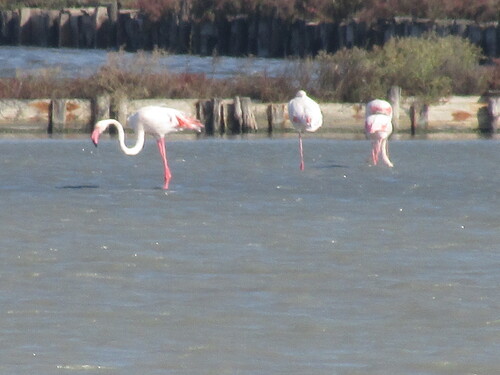
ヨーロッパフラミンゴ (Phoenicopterus roseus) ヨーロッパフラミンゴ
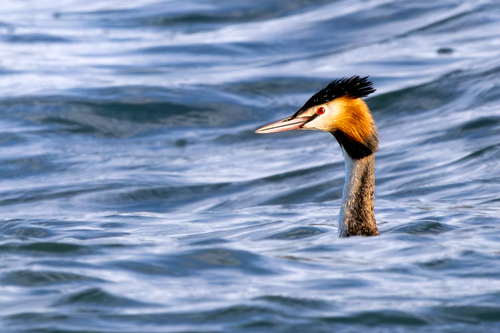
カンムリカイツブリ (Podiceps cristatus) カンムリカイツブリ

メディア

読み込み中…

要点

ヨーロッパフラミンゴとカンムリカイツブリを区別する最も信頼できるフィールドマークは、全体的な構造とサイズです:ヨーロッパフラミンゴは巨大で、長い脚と長い首を持つピンクがかった白い羽毛の水鳥で、下向きのくちばしを持っています。一方、カンムリカイツブリはずっと小さく、低く水面に浮かぶ水鳥で、鋭く真っ直ぐなくちばしと繁殖期に elaborateな頭の羽飾りを持っています。飛行中、フラミンゴは淡い翼と対照的な目を引く黒い飛行羽を示し、グリーブはずっと短い翼を持ち、そのような対照はありません。若いフラミンゴは灰色でピンクの色合いがなく、同じ長い脚と長い首のシルエットを示しますが、若いグリーブは大胆に縞模様の頭を持っています。両種は大きな水域で見ることができますが、その姿勢、形、行動は明らかに異なります。

識別のコツ

  1. Size and shape: ヨーロッパフラミンゴは巨大で長脚で、長い首と脚を持っています;カンムリカイツブリはずっと小さく、コンパクトで水面に低く浮かびます。これはどんな距離でも最も即時的で信頼できる違いです。
  2. Bill shape: フラミンゴは厚く、強く下向きのピンクのくちばしを持ち、黒い先端があります;グリーブは真っ直ぐで鋭い、ダガーのようなくちばしを持ち、冬はピンクがかり、繁殖期はより暗くなります。
  3. Legs: フラミンゴの脚は長く、成鳥は完全にピンクです(亜成鳥は暗い);グリーブの脚は短く、体の後方に位置し、長い延長としては決して見えません。
  4. Neck: フラミンゴの首は非常に長く、しばしばS字型に保持されます;グリーブの首はずっと短く、真っ直ぐです。
  5. Flight pattern: フラミンゴは首と脚を完全に伸ばして飛び、淡い翼と対照的な黒い飛行羽を示します;グリーブは短く丸い翼を持ち、低く飛び、急速な羽ばたきで強い色の対照はありません。
  6. Juvenile plumage: 若いフラミンゴは灰色でふわふわしており、頭に縞模様はありません;若いグリーブは大胆な黒と白の頭の縞模様('ハンバグ'パターン)を持ち、最初の冬までそれを保持します。
  7. Breeding plumage: 成鳥のフラミンゴは、特に脚と翼の覆羽においてピンクの色合いを強めます;グリーブは繁殖期に ornateな黒とオレンジがかった茶色の頭の羽飾りとラフを発達させ、フラミンゴには全く存在しません。
  8. Non-breeding plumage: フラミンゴは色が薄くなることがありますが、ピンクの脚と黒い先端のくちばしを保持します;グリーブは冬に頭の羽飾りを失い、白い顔とピンクのくちばしを示します。
  9. Courtship displays: フラミンゴは大きな同期した群れでディスプレイを行います;グリーブはしばしば頭を振ったり、藻を差し出したりする elaborateなペアダンスを行います。
  10. Feeding behavior: フラミンゴは水を踏みながら、くちばしを逆さにして泥を濾し取って餌を取ります;グリーブは水中に潜って魚を捕まえます。
  11. Habitat context: フラミンゴは塩水または汽水の浅いラグーンや干潟を好みます;グリーブは淡水の湖や貯水池に生息し、塩水の生息地にはめったにいません。
  12. Posture: フラミンゴは長い脚で直立して立ち、しばしば群れでいます;グリーブは低く浮かび、めったに立ったり歩いたりせず、通常は孤独またはペアでいます。
  13. Chick appearance: フラミンゴの雛は灰色でふわふわしています;グリーブの雛は大胆に縞模様があり、親の背中に乗ります。
  14. Vocalizations: フラミンゴは大きなガチョウのような鳴き声を出します;グリーブは静かで、トリルやうなり声を出します。
  15. Pitfalls: 遠くにいる淡いフラミンゴは、体だけが見えた場合、泳いでいるグリーブと間違えられるかもしれませんが、長い首と脚が常にそれを明らかにします。若いフラミンゴは決して頭に縞模様を持たず、グリーブは決してピンクの脚や下向きのくちばしを示しません。

大きさ

ヨーロッパフラミンゴは非常に大きく、体長は約132.5 cm(4フィート以上)で、カンムリカイツブリはわずか46〜51 cmです。フラミンゴはまた、ずっと重く(2〜4 kg対0.9〜1.5 kgのグリーブ)です。遠くからでも、フラミンゴの長い脚と首はそれを脚のように見せ、優雅に見えますが、グリーブはコンパクトで水面に低く浮かびます。これらの2種の間にはサイズやシルエットの重複はありません。

羽色

行動

ヨーロッパフラミンゴは浅い水の中で水を踏みながら餌を取り、しばしば大きな群れで、足で泥をかき混ぜ、逆さにした特化したくちばしで食べ物を濾し取ります。彼らは長い脚で立ち、歩き、その餌を取る姿勢は非常に特徴的です。カンムリカイツブリは専門のダイバーで、水中を低く泳ぎ、魚を追いかけるためにしばしば水面下に消えます。グリーブはめったに陸を歩かず、決して水を踏みません。フラミンゴは非常に社交的で、同期した求愛ディスプレイを行います;グリーブも elaborateなペアダンスを持っていますが、これをペアまたは小さなグループで行います。グリーブの雛は親の背中に乗り、これはフラミンゴでは見られない行動です。

生息環境

ヨーロッパフラミンゴは浅い沿岸のラグーン、塩田、干潟に生息し、しばしば塩水または汽水の環境にいます。カンムリカイツブリは豊富な植生のある淡水の湖や貯水池を好みますが、沿岸地域を含む大きな水域で冬を過ごすこともあります。両種は大きな水域で見ることができますが、フラミンゴはほぼ常に開放的で浅い塩水の生息地におり、グリーブはより深い淡水の生息地にいます。いくつかの大きな湿地では重複が可能ですが、彼らの微小生息地の好みと行動は異なります。

声

ヨーロッパフラミンゴは大きなガチョウのような鳴き声を出し、特に飛行中や社交的なディスプレイ中に聞かれます。カンムリカイツブリは一般的に静かで、トリル、うなり声、または吠えるような声の範囲を持っていますが、フラミンゴほど大きくはありません。声は分離に必要とされることはほとんどありませんが、フラミンゴの鳴き声ははるかに目立ちます。

より良い説明を送る

比較と同じ項目を使ってください。文章はすぐに公開されます。

The most reliable field mark to separate Greater Flamingo from Great Crested Grebe is overall structure and size: Greater Flamingo is a giant, long-legged, long-necked wader with pinkish-white plumage and a downcurved bill, while Great Crested Grebe is a much smaller, low-slung waterbird with a sharp, straight bill and elaborate head plumes in breeding season. In flight, flamingos show striking black flight feathers contrasting with pale wings, while grebes have much shorter wings and lack such contrast. Juvenile flamingos are grey and lack the pink tones, but still show the same long-legged, long-necked silhouette, while juvenile grebes have boldly striped heads. Both species may be seen on large water bodies, but their posture, shape, and behavior are unmistakably different.

  1. Size and shape: Greater Flamingo is enormous and stilt-legged, with a long neck and legs; Great Crested Grebe is much smaller, compact, and sits low in the water. This is the most immediate and reliable difference at any distance.
  2. Bill shape: Flamingo has a thick, strongly downcurved pink bill with a black tip; grebe has a straight, sharp, dagger-like bill, pinkish in winter, darker in breeding season.
  3. Legs: Flamingo's legs are long and entirely pink in adults (dark in subadults); grebe's legs are short, set far back on the body, and never visible as long extensions.
  4. Neck: Flamingo's neck is extremely long and often held in an S-shape; grebe's neck is much shorter and straight.
  5. Flight pattern: Flamingos fly with neck and legs fully outstretched, showing black flight feathers contrasting with pale wings; grebes have short, rounded wings and fly low, with rapid wingbeats and no strong color contrast.
  6. Juvenile plumage: Juvenile flamingos are grey and fluffy, never striped on the head; juvenile grebes have bold black-and-white head stripes ('humbug' pattern) until their first winter.
  7. Breeding plumage: Adult flamingos intensify pink coloration, especially on legs and wing coverts; grebes develop ornate black and orange-brown head plumes and ruffs, absent in flamingos.
  8. Non-breeding plumage: Flamingos may become paler but retain pink legs and black-tipped bill; grebes lose head plumes, showing a white face and pink bill.
  9. Courtship displays: Flamingos display in large synchronized groups; grebes perform elaborate pair dances, often with head-shaking and weed-offering.
  10. Feeding behavior: Flamingos feed by wading and filtering mud with their bills held upside-down; grebes dive underwater to catch fish.
  11. Habitat context: Flamingos prefer saline or brackish shallow lagoons and mudflats; grebes are on freshwater lakes and reservoirs, rarely in saline habitats.
  12. Posture: Flamingos stand upright on long legs, often in groups; grebes float low, rarely stand or walk, and are usually solitary or in pairs.
  13. Chick appearance: Flamingo chicks are grey and fluffy; grebe chicks are boldly striped and ride on parents' backs.
  14. Vocalizations: Flamingo gives loud, goose-like honks; grebe is quieter, with trills and growls.
  15. Pitfalls: A distant, pale flamingo might be mistaken for a swimming grebe if only the body is seen, but the long neck and legs will always give it away. Juvenile flamingos are never striped on the head, and grebes never show pink legs or a downcurved bill.

Greater Flamingo is vastly larger, with a body length of about 132.5 cm (over 4 feet), towering over the Great Crested Grebe, which measures only 46–51 cm long. The flamingo is also much heavier (2–4 kg vs. 0.9–1.5 kg for the grebe). Even at a distance, the flamingo's long legs and neck make it appear stilt-like and elegant, while the grebe is compact and sits low in the water. There is no overlap in size or silhouette between these two species.

  • Juveniles/Immatures: Juvenile Greater Flamingos are grey and fluffy, lacking the pink tones of adults, but still have long legs and neck. Subadults are paler and may have dark legs. Juvenile Great Crested Grebes have striking black-and-white striped heads ('humbug' pattern), which they lose after their first winter. No flamingo ever shows this head pattern.
  • Adults in flight: Flamingos show pale pinkish wings with a bold contrast between red coverts and black primary/secondary flight feathers; this is visible in all ages once fledged. Grebes have much shorter, rounded wings without such contrast and do not show black flight feathers.
  • Breeding adults: Flamingos intensify their pink coloration in the breeding season, especially on the legs and wing coverts, sometimes using uropygial secretions as 'make-up.' Grebes develop ornate black and orange-brown head plumes and ruffs in the breeding season, which are completely absent in flamingos.
  • Non-breeding adults: Flamingos may become paler but retain pink legs and black-tipped bill. Grebes lose their head plumes in winter (except in some tropical populations), showing a white face with a pink bill and no ruff.

Greater Flamingos feed by wading in shallow water, often in large flocks, stirring up mud with their feet and filtering food with their specialized bills held upside-down. They stand and walk on long legs, and their feeding posture is very distinctive. Great Crested Grebes are expert divers, swimming low in the water and often disappearing beneath the surface to chase fish. Grebes rarely walk on land and never wade. Flamingos are highly social, performing synchronized courtship displays; grebes also have elaborate pair dances but do these in pairs or small groups. Grebe chicks ride on their parents' backs, a behavior not seen in flamingos.

Greater Flamingos are found in shallow coastal lagoons, salt pans, and mudflats, often in saline or brackish environments. Great Crested Grebes prefer freshwater lakes and reservoirs with abundant vegetation, but may winter on larger water bodies, including coastal areas. While both may be seen on large water bodies, flamingos are almost always in open, shallow, saline habitats and grebes in deeper, freshwater habitats. Overlap is possible in some large wetlands, but their microhabitat preferences and behaviors are distinct.

Greater Flamingo gives a loud, goose-like honking call, especially in flight or during social displays. Great Crested Grebe is generally quieter, with a range of trilling, growling, or barking calls, but nothing as loud or honking as a flamingo. Voice is rarely needed for separation, but the flamingo's call is much more conspicuous.

変更を破棄しますか?

保存していない編集があります。今離れると失われます。

ヨーロッパフラミンゴ · カンムリカイツブリ · 苦手な鳥