

Motmot

オオバンケン 対 ノドグロサイホウチョウ

Centropus sinensis 対 Orthotomus atrogularis

オオバンケンとノドグロサイホウチョウのクイズ
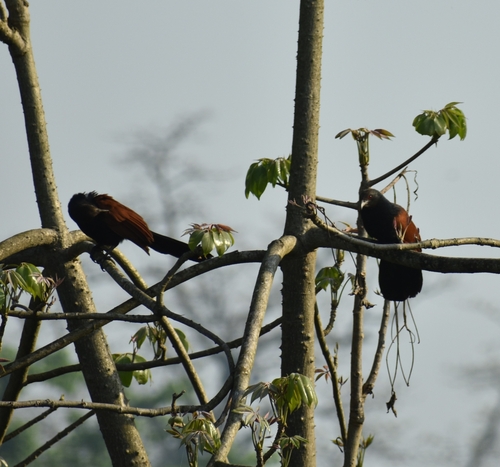
オオバンケン (Centropus sinensis) オオバンケン
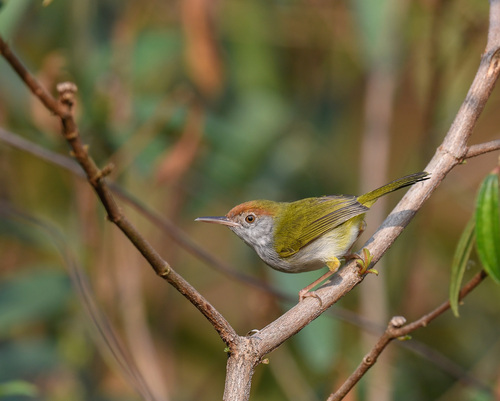
ノドグロサイホウチョウ (Orthotomus atrogularis) ノドグロサイホウチョウ

メディア

読み込み中…

要点

オオバンケンとノドグロサイホウチョウを区別する最も信頼できる方法は、サイズと構造です:オオバンケンは巨大でカラスサイズの鳥で、長く重い尾と銅色の茶色の翼を持っていますが、ノドグロサイホウチョウは小さく活発な歌鳥です。若いオオバンケンは、他のサイホウチョウとは異なり、縞模様のある腹部と尾を持っています。すべての羽色において、オオバンケンは黒っぽい頭/体と栗色の翼との間に際立ったコントラストを示しますが、ノドグロサイホウチョウははるかに小さく、ウグイスのような外見を持ち、オオバンケンの重いくちばしと長い尾が欠けています。距離があっても、サイズとシルエットの違いは明白です。

識別のコツ

  1. Size is the most immediate clue: オオバンケンはノドグロサイホウチョウと比べて巨大です。カラスやマイナのサイズに近い鳥を見たら、それはサイホウチョウではありません。
  2. Tail shape and length: オオバンケンは長く広い尾を持ち、飛行中や止まっているときにしばしば後ろに引きずります。サイホウチョウの尾は短く、狭く、しばしば傾いています。
  3. Bill structure: オオバンケンのくちばしは太く重く、わずかに下向きに曲がっており、カッコウに適しています。サイホウチョウのくちばしは細く、まっすぐで尖っており、昆虫食のウグイスに典型的です。
  4. Plumage contrast: 成熟したオオバンケンは、光沢のある黒い頭/体と豊かな栗色の翼との間に際立ったコントラストを示します。サイホウチョウはこの組み合わせを示しません;上面は緑がかり、下面は淡い色で、オスには暗い喉の斑点があります。
  5. Juvenile Coucal: 縞模様のある腹部と尾、頭の斑点を探してください。サイホウチョウはどの年齢でもこのパターンを示しません。
  6. Eye color: オオバンケンの目はルビー色(成鳥);サイホウチョウの目は暗く、目立ちません。
  7. Behavior: オオバンケンはゆっくりと動き、しばしば地面や低い密なカバーの中で移動します;サイホウチョウは非常に活発で、低い茂みの中で素早く飛び回り、尾をしばしば振ります。
  8. Flight style: オオバンケンの飛行は重く、遅く深い翼の打撃と長い尾が後ろに引きずられます;サイホウチョウの飛行は弱く、直接的で非常に短いです。
  9. Habitat context: 開けた野原、庭、またはエッジの生息地で見られた場合、オオバンケンの可能性が高いです;サイホウチョウはほぼ常に密で絡み合った下草の中にいます。
  10. Sex differences: 両種はほとんどの点で性別が似ていますが、オスのサイホウチョウは暗い喉の斑点を持っています;オオバンケンの性別はほぼ同じで、雌はわずかに大きいです。
  11. Vocalizations: ここでは詳細はありませんが、オオバンケンの鳴き声は深く共鳴し、サイホウチョウの鳴き声は高音で迅速です;声による混乱は起こりにくいです。
  12. Wing pattern: どちらの種も混乱を引き起こすような飛行中の特徴的な上翼パターンはありませんが、オオバンケンの栗色の翼は飛行中でも明白です。
  13. Pitfalls: 若いオオバンケンをサイホウチョウと混同しないでください—サイズと尾の長さは常に診断的です。サイホウチョウは決してスズメより大きくなりません。
  14. Seasonal variation: オオバンケンの南部亜種(parroti)は、頭部と腹部がわずかに茶色がかって見えることがありますが、サイホウチョウの色合いやサイズには決して近づきません。
  15. Geographic variation: 両種は亜種を持っていますが、外見が重なることはありません;オオバンケンの亜種は主にサイズと栗色の色合いが異なり、全体的なパターンには変化がありません。

大きさ

オオバンケンは非常に大きく(体重約283g)最大48cmの長さで、小さなカラスのサイズに近づきます。長く広い尾と重い下向きのくちばしを持っています。それに対して、ノドグロサイホウチョウは非常に小さな歌鳥です(質量は記載されていませんが、典型的なサイホウチョウは10g未満で約13cmの長さです)、細く短い尾と細く尖ったくちばしを持っています。直接比較がなくても、サイズのギャップは劇的です:オオバンケンは最大のウグイスやブンチョウをも圧倒し、サイホウチョウはその範囲で最も小さな鳥の一つです。

羽色

若いオオバンケンは、頭に斑点があり、腹部と尾に白っぽい縞模様があり、南部の亜種では時々羽が無地です。成鳥は光沢のある黒い頭、上部、腹部を持ち、豊かな栗色の翼と長い黒い尾を持っています。カバーの部分に淡いシャフトの筋はありません。目はルビー色です。それに対して、ノドグロサイホウチョウは腹部/尾に黒と栗色の組み合わせや縞模様がありません。その羽毛はサイホウチョウに典型的で、上面は緑がかりまたはオリーブ色、下面は淡い色で、オスには暗い(光沢のない黒い)喉の斑点があります。サイホウチョウのどの年齢もオオバンケンの重いコントラストや縞模様を示しません。オオバンケンの性別は似ています;サイホウチョウのオスは暗い喉を持っています。若いオオバンケンは他のオオバンケンと混同されることがありますが、サイホウチョウとは混同されません。

行動

オオバンケンはしばしば地面をゆっくり歩いたり、密な植生の中を這い上がったりしているのが見られ、時には重くてフラフラした翼の打撃と長い尾を引きずって飛ぶことがあります。動きは鈍く、慎重です。ノドグロサイホウチョウは非常に活発で、低い葉の中を素早く飛び回り、しばしば尾を振り、ほとんどじっとしていません。その飛行は弱く、直接的で、カバーの間で短いバーストがあります。オオバンケンのゆっくりとした地面ベースの動きは、サイホウチョウの落ち着きのない樹上行動とは異なります。

生息環境

両種は南アジアと東南アジアの重なる地域に生息することがありますが、オオバンケンは密林から農耕地、さらには都市の庭まで幅広い生息地を好み、しばしばより厚いカバーの中にいます。ノドグロサイホウチョウは亜熱帯または熱帯の湿った低地の森林やマングローブに制限され、通常は密な下草の中にいます。オオバンケンは開けたまたはエッジの生息地にいる可能性が高く、サイホウチョウは密で絡み合った植生の専門家です。

声

ノートには直接比較はありません。両種は声を出しますが、その鳴き声は非常に異なります:オオバンケンは深く共鳴する「クープ・クープ・クープ」という音を出します(ここでは説明されていません)、一方でサイホウチョウは通常、高音で迅速なウグイスのような鳴き声を出します。鳴き声だけで混乱することは考えにくいです。

より良い説明を送る

比較と同じ項目を使ってください。文章はすぐに公開されます。

The most reliable way to separate Greater Coucal from Dark-necked Tailorbird is by size and structure: Greater Coucal is a massive, crow-sized bird with a long, heavy tail and coppery-brown wings, while Dark-necked Tailorbird is a tiny, active songbird. Juvenile Greater Coucals have barred underparts and tails, unlike any tailorbird. In all plumages, Coucals show a striking contrast between blackish head/body and chestnut wings, whereas Dark-necked Tailorbird is much smaller, with a warbler-like jizz and lacks the Coucal's heavy bill and long tail. Even at a distance, the size and silhouette difference is unmistakable.

  1. Size is the most immediate clue: Greater Coucal is enormous compared to Dark-necked Tailorbird; if you see a bird anywhere near crow or myna size, it cannot be a tailorbird.
  2. Tail shape and length: Coucal has a long, broad, graduated tail that often drags behind in flight or when perched. Tailorbird's tail is short, narrow, and often held cocked.
  3. Bill structure: Coucal's bill is thick, heavy, and slightly decurved, suited for a cuckoo. Tailorbird's bill is fine, straight, and pointed, typical of insectivorous warblers.
  4. Plumage contrast: Adult Coucal shows a striking contrast between glossy black head/body and rich chestnut wings. Tailorbird never shows this combination; it is greenish above and pale below, with a dark throat patch in males.
  5. Juvenile Coucal: Look for barred underparts and tail, and spots on the crown. No tailorbird shows this pattern at any age.
  6. Eye color: Coucal has ruby red eyes (adults); tailorbird's eye is dark and does not stand out.
  7. Behavior: Coucal moves slowly, often on the ground or low in dense cover; tailorbird is hyperactive, flitting and tail-flicking in low shrubs.
  8. Flight style: Coucal's flight is heavy, with slow, deep wingbeats and a long tail trailing; tailorbird's flight is weak, direct, and very brief.
  9. Habitat context: If seen in open fields, gardens, or edge habitats, Coucal is more likely; tailorbird is almost always in dense, tangled undergrowth.
  10. Sex differences: Both species are sexually similar in most respects, but male tailorbird has a darker throat patch; Coucal sexes are nearly identical, with females slightly larger.
  11. Vocalizations: While not detailed here, Coucal's call is deep and resonant, tailorbird's is high-pitched and rapid; confusion by voice is unlikely.
  12. Wing pattern: No distinctive upperwing pattern in flight for either species that would cause confusion, but Coucal's chestnut wings are obvious even in flight.
  13. Pitfalls: Do not confuse juvenile Coucal with tailorbird—size and tail length are always diagnostic. Tailorbird is never larger than a sparrow.
  14. Seasonal variation: Coucal's southern race (parroti) may look slightly browner on the head and underparts, but never approaches tailorbird's coloration or size.
  15. Geographic variation: Both species have races, but none overlap in appearance; Coucal races vary mainly in size and shade of chestnut, not in overall pattern.

Greater Coucal is vastly larger (body mass ~283 g) and up to 48 cm long, approaching the size of a small crow. It has a long, broad tail and heavy, decurved bill. In contrast, Dark-necked Tailorbird is a very small songbird (no mass given, but typical tailorbirds are under 10 g and ~13 cm long), with a slim, short tail and fine, pointed bill. Even without direct comparison, the size gap is dramatic: Coucal dwarfs even the largest warblers or bulbuls, while Tailorbird is among the smallest birds in its range.

Juvenile Greater Coucal is duller black with spots on the crown and whitish bars on the underside and tail, sometimes with unbarred wings in southern races. Adults have a glossy black head, upper mantle, and underparts, with rich chestnut wings and a long black tail. No pale shaft streaks on the coverts. The eye is ruby red. In contrast, Dark-necked Tailorbird lacks any black-and-chestnut combination or barring on underparts/tail. Its plumage is typical of tailorbirds: greenish or olive upperparts, paler underparts, and a dark (not glossy black) throat patch in males. No age of tailorbird shows the Coucal's heavy contrast or barring. Sexes are similar in Coucal; Tailorbird males have a darker throat. Juvenile Coucals can be confused with other coucals but not with tailorbirds.

Greater Coucal is often seen walking slowly on the ground or clambering through dense vegetation, sometimes flying with heavy, floppy wingbeats and long tail trailing. It is sluggish and deliberate. Dark-necked Tailorbird is extremely active, flitting rapidly through low foliage, often flicking its tail and rarely sitting still. Its flight is weak and direct, with short bursts between cover. The Coucal's slow, ground-based movement is unlike the restless, arboreal behavior of the tailorbird.

Both species can occur in overlapping regions of South and Southeast Asia, but Greater Coucal prefers a wide range of habitats from dense jungle to cultivation and even urban gardens, often in thicker cover. Dark-necked Tailorbird is more restricted to subtropical or tropical moist lowland forests and mangroves, usually in dense undergrowth. Coucal is more likely in open or edge habitats, while tailorbird is a specialist of dense, tangled vegetation.

No direct comparison is available in the notes. Both species are vocal, but their calls are very different: Coucal gives deep, resonant 'coop-coop-coop' notes (not described here), while tailorbirds typically give high-pitched, rapid, warbler-like calls. Vocalizations alone are unlikely to cause confusion.

変更を破棄しますか?

保存していない編集があります。今離れると失われます。

オオバンケン · ノドグロサイホウチョウ · 苦手な鳥