

Motmot

ダイサギ 対 アフリカチュウサギ

Ardea alba 対 Ardea brachyrhyncha

ダイサギとアフリカチュウサギのクイズ
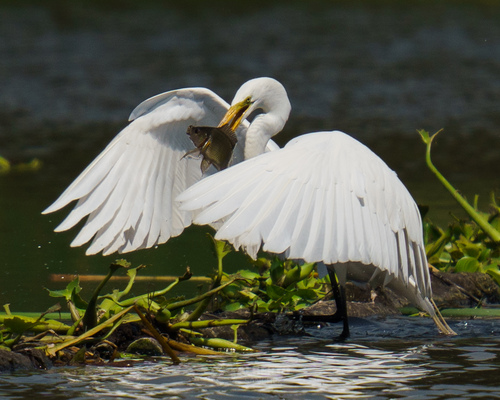
ダイサギ (Ardea alba) ダイサギ
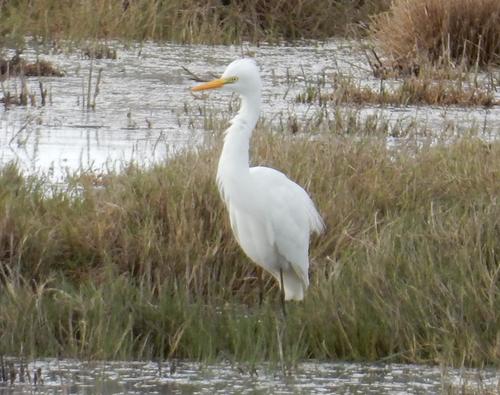
アフリカチュウサギ (Ardea brachyrhyncha) アフリカチュウサギ

メディア

読み込み中…

要点

ダイサギとアフリカチュウサギを区別する最も信頼できる方法は、サイズとくちばしの構造です:ダイサギははるかに大きく、首が長く、明らかに長くて重いくちばしを持っています。フィールドでは、ダイサギの口の開き(くちばしが顔に接する線)は目の後ろまで伸びていますが、アフリカチュウサギでは目のすぐ後ろで止まります。両者は全身が白く、くちばしは黄色で脚は暗いですが、裸の部分の色や比率の微妙な違いが重要です。繁殖期の鳥はくちばしや脚の色にさらなる違いを示しますが、非繁殖期や未熟な鳥は遠くから見ると非常に似ていることがあります。

識別のコツ

  1. Size and Structure: ダイサギははるかに大きくて背が高く、明らかに長い首とくちばしを持っています。他の鳥の上にそびえ立つ大きくて細長いサギを見たら、それはおそらくダイサギです。もしその鳥が中くらいの大きさであれば、アフリカチュウサギを考慮してください。
  2. Bill Length and Shape: ダイサギのくちばしは長くて重いのに対し、アフリカチュウサギのくちばしは短くてよりコンパクトです。これは鳥が並んでいるときに最もよく判断できますが、経験によって推定することもできます。
  3. Gape Line: ダイサギでは、口の開き(くちばしが顔に接する線)が目の後ろまで伸びていますが、アフリカチュウサギでは目のすぐ後ろで終わります。これはすべての年齢と季節において重要な構造的特徴ですが、遠くから見ると見えにくいことがあります。
  4. Leg and Foot Color: ダイサギは黒い脚と足を持っていますが、繁殖期には下肢が明るくなることがあります。アフリカチュウサギは暗い下肢と足の指を持ち、脛骨はより明るい(繁殖期には時々ピンクがかった赤)です。この違いは微妙で、良い光の下で使用するのが最適です。
  5. Bill Color in Breeding Season: 両種は繁殖外では黄色いくちばしを持っていますが、繁殖期にはアフリカチュウサギのくちばしがオレンジ赤に変わり、繁殖外では時々黒い先端が見られます。ダイサギのくちばしは暗くなることがありますが、黒い先端は見られません。
  6. Lores and Eye Color in Breeding: アフリカチュウサギの目の周りの部分は繁殖期に緑色に変わり、目は明るい赤になりますが、ダイサギの目の周りの部分と目はこの劇的な色の変化を示しません。
  7. Plumes: 両種は繁殖期に装飾的な羽毛を成長させますが、アフリカチュウサギは背中と胸の両方に長い羽毛を持ち、ダイサギの羽毛は主に背中にあります。これは微妙で、常に見えるわけではありません。
  8. Juvenile/Immature Birds: 両種の幼鳥は非繁殖期の成鳥に似ています;それらを区別するための特有の年齢特有の翼や飛行の印はありません。
  9. Flight Posture: 両者は首を引っ込めて飛びます;これは彼らを区別するのには役立ちませんが、コウノトリやツルとは区別されます。
  10. Habitat Context: アフリカでは、両者が一緒に見られることがありますが、ダイサギはより大きく開けた湿地を好み、アフリカチュウサギは季節的に洪水が発生する草原や小さな水域により頻繁に見られます。
  11. Association with Other Egrets: アフリカチュウサギは他のサギと混成群れで見られることが多く、時には比較して小さく見えることがあります。
  12. Voice: 信頼できるフィールドマークではありません;両者は一般的に静かで、呼び声は与えられるときに似ています。
  13. Pitfalls: 単独のダイサギは遠くから見ると小さく見えることがあり、繁殖期のアフリカチュウサギは裸の部分の色で驚くほど異なるように見えることがあります。可能な限り複数の特徴を確認してください。
  14. Geographic Range: アフリカの外では、どんな大きな白いサギもほぼ確実にダイサギです。サハラ以南のアフリカでは、両者が見られるため、構造的および裸の部分のマークが重要です。
  15. Seasonal Changes: 裸の部分の色(くちばし、脚、目の周り、目)は、繁殖期に両種で変化します;常に年の時期を考慮し、複数の支持マークを探してください。

大きさ

ダイサギは本当に大きなサギで、最大1メートルの高さに達し、長さは80〜104 cm、翼幅は131〜170 cmです。平均して約1,000 gの質量があります。それに対して、アフリカチュウサギは明らかに小さく、よりコンパクトで、長さは61〜69 cmです。このサイズの差は、両種が一緒に見られるときには通常明らかですが、単独または遠くから見た場合には過小評価されることがあります。ダイサギの首とくちばしは比率的に長くて重く、全体的に細長い外観を与えています。

羽色

両種はすべての年齢で全身が白く、幼鳥は両者の非繁殖期の成鳥に似ています。彼らを区別するための特有の幼鳥や未熟な上翼のパターンや飛行の印はありません;両者は飛行中に無地の白い翼を示します。繁殖羽毛では、両者は背中に装飾的な羽毛を発達させますが、アフリカチュウサギは胸にも長い羽毛を成長させます。裸の部分の色は季節ごとに変化します:ダイサギのくちばしは暗くなることがあり、脚は繁殖期に明るくなることがあります;アフリカチュウサギのくちばしはオレンジ赤に変わり、脛骨は一時的にピンクがかった赤になり、目の周りの部分と目はそれぞれ緑と明るい赤に変わります。繁殖外では、アフリカチュウサギのくちばしには黒い先端が見られることがありますが、ダイサギでは決して見られません。脚の色も微妙に異なります:ダイサギは黒い脚と足を持ち(下肢は繁殖期に明るくなることがあります)、アフリカチュウサギは暗い下肢と足の指を持ち、脛骨はより明るいです。

行動

両種はしばしば浅い水で足を浸し、ゆっくりと慎重に移動します。ダイサギは首を伸ばして翼を閉じて歩く傾向があり、飛行中は典型的なサギの姿勢で首を引っ込めます。アフリカチュウサギは緩い群れで社交的になることがありますが、しばしば孤独で、他のサギと一緒に見られることもあります。両者はコロニーで繁殖し、しばしば他のサギやサギと一緒に見られます。フィールドでの区別を助けるための主要な行動の違いは特に見られません。

生息環境

ダイサギは複数の大陸に広く分布し、湖や川から河口や洪水の発生した田畑まで、さまざまな湿地の生息地を利用します。アフリカチュウサギはサハラ以南のアフリカに制限され、通常は季節的に浸水する湿地、草原、浅い水辺に見られます。アフリカでは、両者が重なることがありますが、アフリカチュウサギは砂漠や密林を避けます。生息地だけでは重なりのある範囲では診断的ではありませんが、ダイサギはより大きく開けた湿地にいる可能性が高いです。

声

両種は一般的に静かです。ダイサギは動かされると低くてかすれた鳴き声を出し、コロニーでは大きな「クククク」または鳴き声を出します。アフリカチュウサギに関しては、資料には特有の声の違いは記載されておらず、声は区別のための信頼できるフィールドマークではありません。

より良い説明を送る

比較と同じ項目を使ってください。文章はすぐに公開されます。

The most reliable way to separate Great White Egret from Yellow-billed Egret is by size and bill structure: Great White Egret is much larger, with a longer neck and a noticeably longer, heavier bill. In the field, Great White Egret's gape (the line where the bill meets the face) extends well behind the eye, while on Yellow-billed Egret it stops just behind the eye. Both are all-white with yellow bills and dark legs, but subtle differences in bare part color and proportions are key. Breeding birds show further differences in bill and leg color, but beware that nonbreeding and immature birds can look very similar at a distance.

  1. Size and Structure: Great White Egret is much larger and taller, with a noticeably longer neck and bill. If you see a large, lanky egret towering over others, it's likely Great White Egret. If the bird is only medium-sized, consider Yellow-billed Egret.
  2. Bill Length and Shape: Great White Egret's bill is longer and heavier, while Yellow-billed Egret's is shorter and more compact. This is best judged when birds are side by side, but can be estimated with experience.
  3. Gape Line: On Great White Egret, the gape (the line where the bill meets the face) extends well behind the eye; on Yellow-billed Egret, it ends just behind the eye. This is a key structural mark at all ages and seasons, but may be hard to see at a distance.
  4. Leg and Foot Color: Great White Egret has black legs and feet, though the lower legs may become paler in breeding season. Yellow-billed Egret has dusky lower legs and toes, with a paler (sometimes pinkish-red in courtship) tibia. This difference is subtle and best used in good light.
  5. Bill Color in Breeding Season: Both species have yellow bills outside breeding, but in breeding, Yellow-billed Egret's bill turns orange-red, sometimes with a black tip outside breeding. Great White Egret's bill may darken but does not show a black tip.
  6. Lores and Eye Color in Breeding: Yellow-billed Egret's lores turn green and eyes become bright red in breeding; Great White Egret's lores and eyes do not show this dramatic color change.
  7. Plumes: Both species grow ornamental plumes in breeding, but Yellow-billed Egret has long plumes on both back and breast, while Great White Egret's are mainly on the back. This is subtle and not always visible.
  8. Juvenile/Immature Birds: Both species' juveniles look like nonbreeding adults; there are no distinctive age-specific wing or flight marks to separate them.
  9. Flight Posture: Both fly with necks retracted; this does not help separate them, but distinguishes them from storks and cranes.
  10. Habitat Context: In Africa, both may occur together, but Great White Egret prefers larger, open wetlands; Yellow-billed Egret is more often in seasonally flooded grasslands and smaller water bodies.
  11. Association with Other Egrets: Yellow-billed Egret is often found in mixed flocks with other egrets, sometimes making it seem smaller by comparison.
  12. Voice: Not a reliable field mark; both are generally silent and calls are similar when given.
  13. Pitfalls: Beware that lone Great White Egrets may appear smaller at a distance, and that Yellow-billed Egrets in breeding can look strikingly different in bare part color. Always check multiple features when possible.
  14. Geographic Range: Outside Africa, any large white egret is almost certainly Great White Egret. In Sub-Saharan Africa, both occur, so structural and bare part marks are essential.
  15. Seasonal Changes: Bare part colors (bill, legs, lores, eyes) change in both species during breeding; always consider the time of year and look for multiple supporting marks.

Great White Egret is a truly large heron, standing up to 1 meter tall, with a length of 80–104 cm and a wingspan of 131–170 cm. It averages around 1,000 g in mass. In contrast, Yellow-billed Egret is distinctly smaller and more compact, with a length of 61–69 cm. This size gap is usually obvious when both species are seen together, but can be underestimated if seen singly or at a distance. Great White Egret's neck and bill are proportionally longer and heavier, giving it a lankier appearance overall.

Both species are all-white at all ages, and juveniles resemble nonbreeding adults in both. There are no distinctive juvenile or immature upperwing patterns or flight marks to separate them; both show plain white wings in flight. In breeding plumage, both develop ornamental plumes on the back, but Yellow-billed Egret also grows long plumes on the breast. Bare part colors shift seasonally: Great White Egret's bill may darken and legs may become paler in breeding season; Yellow-billed Egret's bill turns orange-red, the tibia becomes pinkish-red briefly, and the lores and eyes shift to green and bright red, respectively. Outside breeding, Yellow-billed Egret's bill may show a black tip, never shown by Great White Egret. Leg color is also subtly different: Great White Egret has black legs and feet (lower legs may lighten in breeding), while Yellow-billed Egret has dusky lower legs and toes, with a paler tibia.

Both species are often found wading in shallow water, moving slowly and deliberately. Great White Egret tends to walk with its neck extended and wings close, and in flight, retracts its neck in a classic heron posture. Yellow-billed Egret can be gregarious in loose flocks but is often solitary; it is also found with other egrets. Both breed in colonies, often with other herons and egrets. No major behavioral differences are noted that aid field separation.

Great White Egret is widely distributed across multiple continents and uses a range of wetland habitats, from lakes and rivers to estuaries and flooded fields. Yellow-billed Egret is restricted to Sub-Saharan Africa, typically found in seasonally inundated wetlands, grasslands, and shallow water edges. In Africa, both may overlap, but Yellow-billed Egret avoids deserts and dense forests. Habitat alone is not diagnostic where ranges overlap, but Great White Egret is more likely in larger, open wetlands.

Both species are generally quiet. Great White Egret gives a low, hoarse croak when disturbed and a loud 'cuk cuk cuk' or squawk at colonies. No distinctive vocal differences are noted for Yellow-billed Egret in the sources; voice is not a reliable field mark for separation.

変更を破棄しますか?

保存していない編集があります。今離れると失われます。

ダイサギ · アフリカチュウサギ · 苦手な鳥