

Motmot

ダイサギ 対 アオサギ

Ardea alba 対 Ardea cinerea

ダイサギとアオサギのクイズ

ダイサギ (Ardea alba) ダイサギ
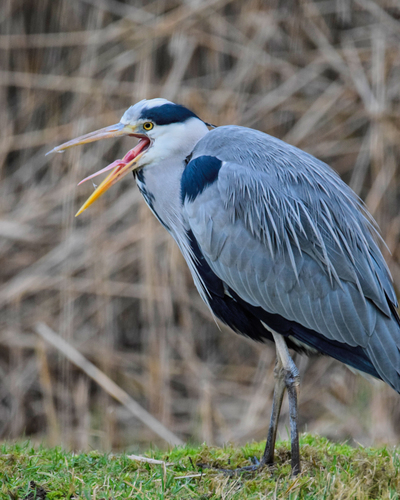
アオサギ (Ardea cinerea) アオサギ

メディア

読み込み中…

要点

ダイサギとアオサギを区別する最も信頼できるフィールドマークは羽毛です:ダイサギはすべての年齢で完全に白いのに対し、アオサギは決して全白ではなく、灰色の上面と対照的な白い頭と首に黒い模様を示します。飛行中、両種は首を引っ込めますが、ダイサギはより細く輝く白に見え、アオサギは明らかに灰色と黒でより大きく見えます。くちばしと脚の色も役立ちます:ダイサギは黄色いくちばしと黒い脚を持ち、アオサギはピンクがかった黄色いくちばしと茶色がかった脚を持っています。両種の幼鳥はこれらの重要な点で成鳥に似ているため、年齢は通常IDを複雑にしません。

識別のコツ

  1. 羽毛の色が決定的です: ダイサギは常に純白であり、アオサギは常に上面が灰色で下面が白、白い頭と首に黒い模様があります。これはすべての年齢と季節に当てはまります。
  2. くちばしの色: ダイサギは黄色いくちばしを持ち(繁殖期には少し暗くなることがあります)、アオサギはピンクがかった黄色いくちばしを持ち、繁殖成鳥ではより明るくなります。アオサギのくちばしはまた、より太くて強力です。
  3. 脚の色: ダイサギは黒い脚と足を持ち、アオサギは茶色の脚を持っています。繁殖期には、ダイサギの下肢がより淡くなることがありますが、決して茶色にはなりません。
  4. 頭の模様: アオサギは目から頭の後ろまで伸びる太い黒い眉斑と冠を示します;ダイサギの頭は単純な白で、黒はありません。
  5. 首の模様: アオサギは首の前面に青黒い筋を持ち、ダイサギの首は筋のない純白です。
  6. サイズと構造: アオサギはわずかに大きくて重く、より大きな体と太いくちばしを持っていますが、サイズの重なりは重要であり、鳥が並んでいない限り信頼できません。
  7. 飛行中の印象: 両者は首を引っ込めて飛びますが、ダイサギはより細く全白に見え、アオサギは重く見え、広い灰色の翼と白い首/頭を持っています。
  8. 幼鳥の混乱: 幼鳥のアオサギは鈍く灰色ですが、決して白ではありません;幼鳥のダイサギは非繁殖成鳥(全白)と同一です。年齢特有の翼の模様はIDを複雑にしません。
  9. 繁殖羽毛: 両種は繁殖期に装飾的な羽毛を発達させますが、ダイサギだけが全白のままです;アオサギの羽毛は灰色または黒っぽいです。
  10. 生息地の重なり: 両者は類似の湿地生息地に生息するため、生息地だけでの区別は避けてください。
  11. 鳴き声: 両者は厳しい鳴き声や叫び声を発しますが、呼び声は信頼できる区別にはなりません。
  12. 行動: 両者は浅い水で立って狩りをするか、忍び寄ることで狩りをします;ダイサギはより優雅で直立しているように見え、アオサギはより丸まって慎重に見えます。
  13. 止まっている姿勢: ダイサギは高くて細く立ち、アオサギはより大きく、首により顕著なS字曲線があります。
  14. 文脈: ある種が珍しい地域(例:北ヨーロッパの一部でのダイサギ)では、珍しさが役立つことがありますが、常に羽毛と構造で確認してください。
  15. 一般的な落とし穴: ダイサギの全白の羽毛を頭が淡いアオサギと混同しないでください;アオサギのために翼/背中の灰色と頭の黒を常に確認してください。

大きさ

両者は大きなサギですが、アオサギはわずかに大きくて重いです:最大100 cmの高さに達し、長さは84–102 cm、翼幅は155–195 cm、体重は1.02–2.08 kgです。ダイサギは最大1 mの高さに達し、長さは80–104 cm、翼幅は131–170 cm、体重は700–1,500 g(平均1,000 g)です。フィールドでは、サイズの重なりがかなりあり、鳥が並んでいない限り、サイズだけでは区別が信頼できません。

羽色

羽毛はすべての年齢で最も明確な違いです。ダイサギはすべての羽毛で純白であり、幼鳥、非繁殖、繁殖成鳥を含みます。繁殖期には背中に装飾的な羽毛を発達させますが、全白のままです。アオサギは決して全白ではありません:成鳥は灰色の上面、灰白色の下面、白い頭と首に太い黒い眉斑と冠、首に黒い筋を持っています。未熟なアオサギは鈍く、灰色の頭の縞と淡い灰色の顔を持っていますが、依然として灰色の上面を示し、全体的に白にはなりません。飛行中、ダイサギは輝く白い鳥であり、アオサギは灰色の翼と背中、白い首と頭の二色のパターンを示します。どちらの種にも混乱を招くような特徴的な幼鳥の翼の模様(黒い三角形や後縁など)はなく、全白対灰白の対比は年齢を問わず一貫しています。

行動

両種は通常、浅い水で立っているか、狩りをする際にゆっくりと動いているのが見られます。飛行中、両者は首を引っ込め、コンパクトで丸まったプロファイルを与えます。ダイサギはしばしばより優雅で細く見え、翼の拍動が遅く安定しています。アオサギはより重く、鈍重に見え、翼が広いです。止まっているとき、ダイサギは高くて細く立ち、アオサギはより大きく、首により顕著なS字曲線があります。両種は単独または緩い群れで見られることがあり、どちらもコロニーで繁殖します。

生息環境

生息地の重なりは広範囲です:両種は湿地、湖、川、湿原、池、沿岸地域によく出現します。ダイサギはより広い全球分布を持っていますが、ヨーロッパやユーラシアの多くの地域では、両者は同じ生息地に見られます。文脈は通常、区別には役立ちませんが、ある種が非常に珍しい地域を除きます。

声

どちらの種もコロニーから離れるとあまり声を出しません。ダイサギは動かされると低く粗い鳴き声を出し、コロニーでは「クククク」という鳴き声や高音の叫び声を発します。アオサギも一般的には静かですが、特に飛行中や巣の近くで厳しい鳴き声や叫び声を発することがあります。呼び声はトーンが似ており、フィールドでの区別には信頼できません。

より良い説明を送る

比較と同じ項目を使ってください。文章はすぐに公開されます。

The most reliable field mark separating Great White Egret from Grey Heron is plumage: Great White Egret is entirely white at all ages, while Grey Heron is never all-white, showing grey upperparts and a contrasting white head and neck with black markings. In flight, both species retract their necks, but the egret appears more slender and gleaming white, while the heron looks bulkier with obvious grey and black. Bill and leg color also help: Great White Egret has a yellow bill and black legs, while Grey Heron has a pinkish-yellow bill and brownish legs. Juveniles of both species resemble adults in these key respects, so age does not usually complicate the ID.

  1. Plumage color is decisive: Great White Egret is always pure white; Grey Heron is always grey above and white below, with a white head and neck and black markings. This works for all ages and seasons.
  2. Bill color: Great White Egret has a yellow bill (may darken slightly in breeding season); Grey Heron has a pinkish-yellow bill, which becomes brighter in breeding adults. Bill is also thicker and more powerful in Grey Heron.
  3. Leg color: Great White Egret has black legs and feet; Grey Heron has brown legs. In breeding season, egret's lower legs may become paler, but never brown.
  4. Head pattern: Grey Heron shows a bold black supercilium and crest extending from the eye to the back of the head; Great White Egret's head is plain white, lacking any black.
  5. Neck markings: Grey Heron has bluish-black streaks on the front of the neck; Great White Egret's neck is plain white with no streaking.
  6. Size and structure: Grey Heron is slightly larger and heavier, with a bulkier body and thicker bill, but size overlap is significant and not reliable unless birds are side by side.
  7. Jizz in flight: Both fly with necks retracted, but egret looks more slender and all-white; heron appears heavier, with broad grey wings and white neck/head.
  8. Juvenile confusion: Juvenile Grey Herons are duller and greyer, but still never white; juvenile Great White Egrets are identical to nonbreeding adults (all-white). No age-specific wing patterns complicate the ID.
  9. Breeding plumes: Both species develop ornamental plumes in breeding season, but only the egret remains all-white; the heron's plumes are grey or blackish.
  10. Habitat overlap: Both occur in similar wetland habitats, so do not use habitat alone for separation.
  11. Vocalizations: Both give harsh croaks and squawks, but calls are not reliably separable in the field.
  12. Behavior: Both hunt by standing or stalking in shallow water; egret may appear more graceful and upright, heron more hunched and deliberate.
  13. Perched posture: Egret stands tall and slim, heron bulkier with a more pronounced S-curve to the neck.
  14. Context: In areas where one species is rare (e.g., Great White Egret in parts of northern Europe), rarity may help, but always confirm with plumage and structure.
  15. Common pitfalls: Do not confuse all-white plumage of egret with pale-headed heron; always check for grey in wings/back and black on head for heron.

Both are large herons, but Grey Heron is slightly larger and heavier: it stands up to 100 cm tall, with a length of 84–102 cm and a wingspan of 155–195 cm, and weighs 1.02–2.08 kg. Great White Egret stands up to 1 m, measures 80–104 cm in length, with a wingspan of 131–170 cm, and weighs 700–1,500 g (average 1,000 g). In the field, size overlap is substantial, and unless birds are side by side, size alone is unreliable for separation.

Plumage is the clearest difference at all ages. Great White Egret is pure white in all plumages, including juveniles, nonbreeding, and breeding adults. In breeding season, it develops ornamental plumes on the back, but remains all-white. Grey Heron is never all-white: adults have ashy-grey upperparts, greyish-white underparts, a white head and neck with a bold black supercilium and crest, and black streaks on the neck. Immature Grey Herons are duller, with greyer head stripes and a paler grey face, but still show grey upperparts and are never white overall. In flight, the egret is a gleaming white bird, while the heron shows a two-tone pattern with grey wings and back and white neck and head. There are no distinctive juvenile wing patterns (such as black triangles or trailing edges) in either species that would confuse the issue; the all-white vs. grey-and-white contrast is consistent across ages.

Both species are typically seen wading in shallow water, standing still or moving slowly as they hunt. In flight, both retract their necks, giving a compact, hunched profile. The egret often appears more graceful and slender, with slower, steadier wingbeats. The heron looks heavier and more lumbering, with broader wings. When perched, the egret stands tall and slim, while the heron appears bulkier, with a more pronounced S-curve to the neck. Both species may be seen singly or in loose groups, and both breed colonially.

Habitat overlap is extensive: both species frequent wetlands, lakes, rivers, marshes, ponds, and coastal areas. Great White Egret has a wider global distribution, but in Europe and much of Eurasia, both can be found in the same habitats. Context is not usually helpful for separation, except in regions where one species is much rarer.

Neither species is highly vocal away from colonies. Great White Egret gives a low, hoarse croak when disturbed, and at colonies emits croaking 'cuk cuk cuk' and higher-pitched squawks. Grey Heron is also generally quiet but may utter harsh croaks or squawks, especially in flight or at the nest. Calls are similar in tone and not reliable for field separation.

変更を破棄しますか?

保存していない編集があります。今離れると失われます。

ダイサギ · アオサギ · 苦手な鳥