

Motmot

アカゲラ 対 コアカゲラ

Dendrocopos major 対 Dryobates minor

アカゲラとコアカゲラのクイズ
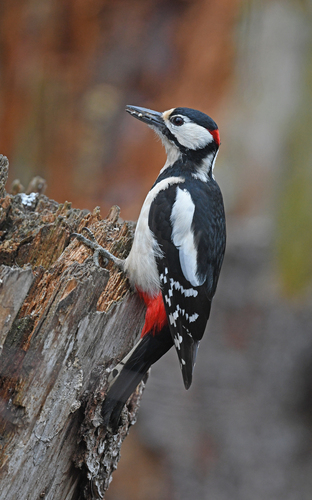
アカゲラ (Dendrocopos major) アカゲラ
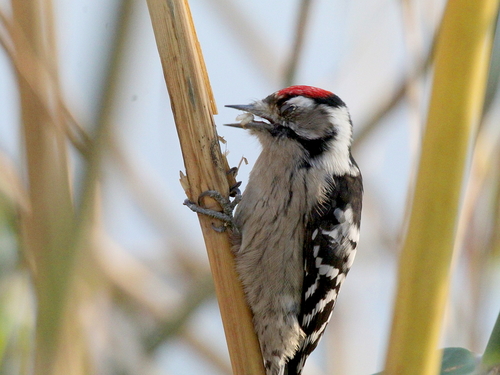
コアカゲラ (Dryobates minor) コアカゲラ

メディア

読み込み中…

要点

アカゲラとコアカゲラを区別する最も信頼できる方法は、サイズと構造です:アカゲラははるかに大きく、ずんぐりしており、重いくちばしと下腹部に目を引く赤い斑点があります。一方、コアカゲラは非常に小さく、スズメサイズで、この赤い腹の印がありません。飛んでいるときや止まっているとき、コアカゲラは背中と翼に強い白黒の縞模様を示し、成鳥のオスは完全な深紅の冠を持っています(ただの後頭部の斑点ではありません)。両種の幼鳥は頭に赤を示すことがありますが、全体的なサイズの違いと赤い腹の斑点の有無はすべての年齢で一貫しています。両種は白黒のキツツキですが、これらの構造的および羽毛の詳細に注意を払うことで、特に未成熟の鳥との混同を防ぐことができます。

識別のコツ

  1. サイズが最初のチェックです: アカゲラはほぼ2倍の長さで、コアカゲラの数倍の質量があります。もし鳥がスズメサイズに見えるなら、それはコアカゲラです;もしそれがツグミや小型のカラスサイズなら、それはアカゲラです。
  2. くちばしの構造: アカゲラは太くて強力なくちばしを持っています;コアカゲラのくちばしは短くて細く、ほとんど優雅です。
  3. 腹の赤: アカゲラ(すべての年齢)は下腹部と尾の下に赤い斑点を示します。コアカゲラは腹に赤を持つことはありません。
  4. 成鳥の冠の色: 成鳥のオスのコアカゲラは完全な深紅の冠を持っています;成鳥のオスのアカゲラは赤い後頭部の斑点しか持っていません。成鳥のメスのコアカゲラは白い冠を持ち、成鳥のメスのアカゲラは頭に赤を全く持っていません。
  5. 幼鳥の頭の模様: 幼鳥のアカゲラは赤い冠を示します(オスの方が多い)、しかしコアカゲラの幼鳥よりもはるかに大きく、光沢があります。両性のコアカゲラの幼鳥は冠にいくらかの深紅を示すことがありますが、常に小さく、強い翼の縞模様を持っています。
  6. 背中と翼の模様: コアカゲラは背中と翼に広く目立つ白黒の縞模様を示し、飛んでいるときや止まっているときに見えます。アカゲラは大きな白い肩の斑点を持ち、縞模様はあまり広がっておらず、背中は主に黒です。
  7. 肩の斑点: アカゲラは大きくてきれいな白い肩の斑点を持っています;コアカゲラはより縞模様があり、ストライプの外観を持ち、固体の白い肩はありません。
  8. 側面の模様: コアカゲラは側面に暗いストライプのある白い下部を持っています;アカゲラは赤い尾の下を除いて、下はきれいな白です。
  9. 尾の模様: 両種は尾にいくらかの縞模様がありますが、コアカゲラの外側の尾羽はより強く縞模様があります。
  10. 生息地と採餌の高さ: 鳥が高い樹冠にいる場合、特に成熟した広葉樹林の中では、コアカゲラを疑ってください。アカゲラはより低い位置や、より広範囲の森林生息地で見られることが多いです。
  11. ドラミングと鳴き声: コアカゲラのドラミングは短く、柔らかく、よりガラガラ音がします;アカゲラのドラミングはより大きく、力強いです。コアカゲラの鳴き声は繰り返しの「キーク」で、鳴き声の重複に注意してください。
  12. 巣穴のサイズと配置: コアカゲラは小さな巣穴(直径2.5〜5 cm)を高い位置に作ります;アカゲラの巣穴は大きく、しばしば低い位置にあります。
  13. 餌台での行動: アカゲラは餌台を訪れ、より大胆です;コアカゲラは餌台に来ることはまれで、はるかにシャイです。
  14. 光沢と色調: アカゲラの成鳥は青黒い上面が光沢があります;コアカゲラは鈍い黒と白です。
  15. 季節的変化: コアカゲラは顕著な季節的羽毛の変化を示しません;アカゲラの成鳥は繁殖後に換羽しますが、年間を通じて重要なフィールドマークを保持します。

大きさ

アカゲラはかなり大きいです:長さ20〜24 cm、翼幅34〜39 cm、体重は約89 gです。コアカゲラは最小のヨーロッパのキツツキで、長さはわずか14〜16.5 cm、翼幅は24〜29 cm、体重は平均して20 g未満です。フィールドでは、アカゲラはキツツキとしては頑丈でカラスのように見えますが、コアカゲラは繊細で、ハウススズメに近いサイズです。くちばしのサイズも手がかりです:アカゲラは太くて強いくちばしを持ち、コアカゲラのくちばしは細くて短いです。

羽色

行動

両種は似たような跳ねるような波状の飛行を共有し、木の幹や枝でドラミングや採餌をしているのを見ることができます。しかし、コアカゲラは樹冠の高い位置に見つかる可能性がはるかに高く、しばしば高い木の最上部にいて、一般的により捕まえにくく目立たないです。アカゲラはより大胆で、しばしば幹の下部や餌台で見られ、その大きなサイズと力強い動きによってより目立つ可能性があります。両種は穴を掘り、基部に木くずを残しますが、コアカゲラの穴ははるかに小さく、高い位置にあります。

生息環境

両種は森林や公園に生息していますが、コアカゲラは樹冠の上部での採餌に特化しており、たくさんの枯れ枝のある古い成熟した広葉樹林を好みます。アカゲラはより一般的で、針葉樹林、公園、庭など、より広範囲の森林生息地で見られます。枯れ木の存在は両種にとって重要ですが、コアカゲラは枯れ木の除去に対してより敏感です。

声

両種は鋭い鳴き声とドラミングを持っていますが、コアカゲラの鳴き声は繰り返しの「キーク」で、サイズに対して驚くほど大きく、ドラミングはアカゲラのものよりも短く柔らかい急速で振動する音です。経験を積むことで、ドラミングの違いを学ぶことができますが、フィールドでは、鳥が見えない限り、鳴き声は視覚的なマークよりも信頼性が低いです。

より良い説明を送る

比較と同じ項目を使ってください。文章はすぐに公開されます。

The most reliable way to separate Great Spotted Woodpecker from Lesser Spotted Woodpecker is by size and structure: Great Spotted is much larger and bulkier, with a heavier bill and a striking red patch on the lower belly, while Lesser Spotted is tiny, more sparrow-sized, and lacks this red belly mark. In flight or perched, Lesser Spotted shows strong black-and-white barring across the back and wings, and adult males have a full crimson crown (not just a nape patch). Juveniles of both can show red on the head, but the overall size difference and the presence or absence of the red belly patch are consistent at all ages. Both are black-and-white woodpeckers, but careful attention to these structural and plumage details will prevent confusion, especially with immature birds.

  1. Size is the first check: Great Spotted is nearly twice the length and several times the mass of Lesser Spotted. If the bird seems sparrow-sized, it's Lesser Spotted; if it's thrush- or small crow-sized, it's Great Spotted.
  2. Bill structure: Great Spotted has a thick, powerful bill; Lesser Spotted's bill is short and fine, almost dainty.
  3. Red on the belly: Only Great Spotted Woodpecker (all ages) shows a red patch on the lower belly and undertail. Lesser Spotted never has red on the belly.
  4. Crown color in adults: Adult male Lesser Spotted has a full crimson crown; adult male Great Spotted has only a red nape patch. Adult female Lesser Spotted has a white crown; adult female Great Spotted has no red on the head at all.
  5. Juvenile head pattern: Juvenile Great Spotted shows a red crown (more in males), but is much larger and glossier than juvenile Lesser Spotted. Juvenile Lesser Spotted of both sexes can show some crimson on the crown, but are always tiny and have strong wing barring.
  6. Back and wing pattern: Lesser Spotted shows broad, bold black-and-white barring across the lower back and wings, visible in flight and when perched. Great Spotted has a large white shoulder patch and less extensive barring, with the back mostly black.
  7. Shoulder patch: Great Spotted has a large, clean white shoulder patch; Lesser Spotted has a more barred and streaked appearance with no solid white shoulder.
  8. Flank pattern: Lesser Spotted has white underparts with dark streaks on the flanks; Great Spotted is clean white below except for the red undertail.
  9. Tail pattern: Both have some barring in the tail, but Lesser Spotted's outer tail feathers are more strongly barred.
  10. Habitat and foraging height: If the bird is high in the canopy, especially in mature deciduous woodland, suspect Lesser Spotted. Great Spotted is more often seen lower down or in a wider range of wooded habitats.
  11. Drumming and call: Lesser Spotted's drumming is shorter, softer, and more rattling; Great Spotted's is louder and more forceful. Lesser Spotted's call is a repeated 'keek', but beware overlap in calls.
  12. Nest hole size and placement: Lesser Spotted makes smaller nest holes (2.5–5 cm diameter) high up; Great Spotted's are larger and often lower.
  13. Behavior at feeders: Great Spotted will visit feeders and is bolder; Lesser Spotted rarely comes to feeders and is much shyer.
  14. Glossiness and color tone: Great Spotted adults are glossier with blue-black upperparts; Lesser Spotted is duller black and white.
  15. Seasonal changes: Lesser Spotted shows no marked seasonal plumage change; Great Spotted adults moult after breeding but retain the key field marks year-round.

Great Spotted Woodpecker is substantially larger: 20–24 cm in length, with a wingspan of 34–39 cm and a body mass around 89 g. Lesser Spotted Woodpecker is the smallest European woodpecker, only 14–16.5 cm long, with a wingspan of 24–29 cm and a body mass averaging just under 20 g. In the field, Great Spotted appears robust and crow-like for a woodpecker, while Lesser Spotted is delicate, closer in size to a House Sparrow. Bill size is also a giveaway: Great Spotted has a thick, strong bill, while Lesser Spotted's is fine and short.

  • Juveniles: Both species' juveniles can show red on the head, but Lesser Spotted juvenile males and females both have some crimson on the crown, while Great Spotted juveniles have a red crown (more extensive in males). Lesser Spotted juveniles are much smaller and lack the red belly patch of Great Spotted. The wing and back pattern is a key difference: Lesser Spotted of all ages shows broad, conspicuous black-and-white barring on the wings and lower back, while Great Spotted has a large white shoulder patch and less extensive barring, with the tail and flight feathers barred but the back mostly glossy black.

  • Adults: Great Spotted Woodpecker adults have glossy blue-black upperparts, a large white shoulder patch, and a red patch on the lower belly and undertail. Males have a crimson nape, females lack red on the head. Lesser Spotted adult males have a full crimson crown (not just a nape patch), females have a white crown, and both sexes have a barred lower back and wings, with no red on the belly. Underparts are white with streaks on the flanks in Lesser Spotted, plain white in Great Spotted except for the red undertail.

Both species share a similar bounding, undulating flight and can be seen drumming or foraging on tree trunks and branches. However, Lesser Spotted Woodpecker is much more likely to be found high in the canopy, often at the very tops of tall trees, and is generally more elusive and inconspicuous. Great Spotted is bolder, often seen lower on trunks or even at feeders, and is more likely to be noticed by its larger size and more forceful movements. Both species excavate holes and leave wood chips at the base, but Lesser Spotted's holes are much smaller and higher up.

Both species occur in woodland and parks, but Lesser Spotted Woodpecker is more specialized foraging in the upper canopy and favors older, mature deciduous woods with plenty of dead branches. Great Spotted is more generalist, found in a wider range of wooded habitats including coniferous forests, parks, and gardens. The presence of dead wood is important for both, but Lesser Spotted is more sensitive to the removal of dead trees.

Both species have sharp calls and drumming, but Lesser Spotted's call is a repeated 'keek', surprisingly loud for its size, and its drumming is a rapid, vibrating rattle that is shorter and softer than Great Spotted's. With experience, the difference in drumming can be learned, but in the field, vocalizations are less reliable than visual marks unless the bird is unseen.

変更を破棄しますか?

保存していない編集があります。今離れると失われます。

アカゲラ · コアカゲラ · 苦手な鳥