

Picchio rosso maggiore vs Picchio rosso minore
Dendrocopos major contro Dryobates minor
Fai un quiz con Picchio rosso maggiore e Picchio rosso minore
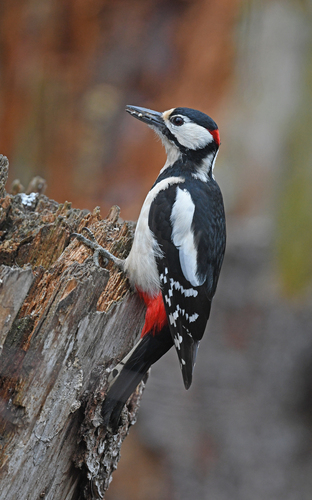 Picchio rosso maggiore
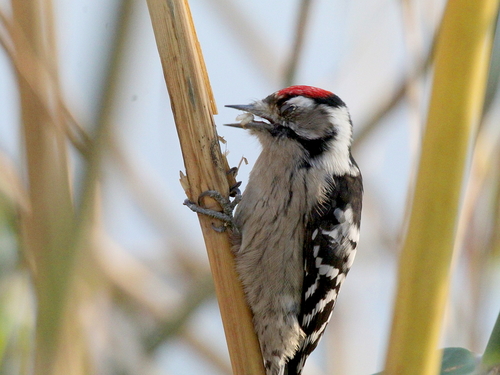 Picchio rosso minore
In breve
Il modo più affidabile per separare il Picchio rosso maggiore dal Picchio rosso minore è la dimensione e la struttura: il Picchio rosso maggiore è molto più grande e massiccio, con un becco più pesante e una sorprendente macchia rossa sul ventre inferiore, mentre il Picchio rosso minore è piccolo, delle dimensioni di un passero, e non ha questo segno rosso sul ventre. In volo o posato, il Picchio rosso minore mostra forti striature bianche e nere sulla schiena e sulle ali, e i maschi adulti hanno una corona cremisi completa (non solo una macchia sulla nuca). I giovani di entrambi possono mostrare rosso sulla testa, ma la differenza di dimensione complessiva e la presenza o assenza della macchia rossa sul ventre sono costanti in tutte le età. Entrambi sono picchi bianchi e neri, ma prestare attenzione a questi dettagli strutturali e di piumaggio eviterà confusione, specialmente con gli uccelli immaturi.
Consigli di identificazione
- La dimensione è il primo controllo: Il Picchio rosso maggiore è quasi il doppio della lunghezza e diverse volte la massa del Picchio rosso minore. Se l'uccello sembra delle dimensioni di un passero, è un Picchio rosso minore; se è delle dimensioni di un tordo o di un piccolo corvo, è un Picchio rosso maggiore.
- Struttura del becco: Il Picchio rosso maggiore ha un becco spesso e potente; il becco del Picchio rosso minore è corto e fine, quasi delicato.
- Rosso sul ventre: Solo il Picchio rosso maggiore (tutte le età) mostra una macchia rossa sul ventre inferiore e sull'undertail. Il Picchio rosso minore non ha mai rosso sul ventre.
- Colore della corona negli adulti: Il maschio adulto del Picchio rosso minore ha una corona cremisi completa; il maschio adulto del Picchio rosso maggiore ha solo una macchia rossa sulla nuca. La femmina adulta del Picchio rosso minore ha una corona bianca; la femmina adulta del Picchio rosso maggiore non ha rosso sulla testa.
- Schema della testa nei giovani: Il giovane Picchio rosso maggiore mostra una corona rossa (più nei maschi), ma è molto più grande e lucido rispetto al giovane Picchio rosso minore. Il giovane Picchio rosso minore di entrambi i sessi può mostrare un po' di cremisi sulla corona, ma è sempre piccolo e ha forti striature sulle ali.
- Back and wing pattern: Il Picchio rosso minore mostra ampie, audaci striature bianche e nere sulla schiena inferiore e sulle ali, visibili in volo e quando è posato. Il Picchio rosso maggiore ha una grande macchia bianca sulla spalla e striature meno estese, con la schiena per lo più nera.
- Shoulder patch: Il Picchio rosso maggiore ha una grande, pulita macchia bianca sulla spalla; il Picchio rosso minore ha un aspetto più striato e macchiato senza una solida spalla bianca.
- Flank pattern: Il Picchio rosso minore ha parti inferiori bianche con striature scure sui fianchi; il Picchio rosso maggiore è pulito bianco sotto tranne che per l'undertail rosso.
- Tail pattern: Entrambi hanno alcune striature nella coda, ma le penne esterne della coda del Picchio rosso minore sono più fortemente striate.
- Habitat and foraging height: Se l'uccello è in alto nella chioma, specialmente in boschi decidui maturi, sospetta il Picchio rosso minore. Il Picchio rosso maggiore è più spesso visto più in basso o in una gamma più ampia di habitat boschivi.
- Drumming and call: Il battere del Picchio rosso minore è più corto, più morbido e più rattling; quello del Picchio rosso maggiore è più forte e più potente. Il richiamo del Picchio rosso minore è un 'keek' ripetuto, ma fai attenzione alla sovrapposizione nei richiami.
- Dimensione e posizione del foro del nido: Il Picchio rosso minore fa fori nido più piccoli (2,5–5 cm di diametro) in alto; quelli del Picchio rosso maggiore sono più grandi e spesso più in basso.
- Behavior at feeders: Il Picchio rosso maggiore visiterà le mangiatoie ed è più audace; il Picchio rosso minore raramente viene alle mangiatoie ed è molto più timido.
- Lucentezza e tono di colore: Gli adulti del Picchio rosso maggiore sono più lucidi con parti superiori blu-nerastre; il Picchio rosso minore è di un nero e bianco più opaco.
- Cambiamenti stagionali: Il Picchio rosso minore non mostra cambiamenti di piumaggio stagionali marcati; gli adulti del Picchio rosso maggiore mutano dopo la riproduzione ma mantengono i segni distintivi tutto l'anno.
Taglia
Il Picchio rosso maggiore è sostanzialmente più grande: 20–24 cm di lunghezza, con un'apertura alare di 34–39 cm e una massa corporea di circa 89 g. Il Picchio rosso minore è il picchio europeo più piccolo, lungo solo 14–16,5 cm, con un'apertura alare di 24–29 cm e una massa corporea media di poco meno di 20 g. Sul campo, il Picchio rosso maggiore appare robusto e simile a un corvo per un picchio, mentre il Picchio rosso minore è delicato, più vicino in dimensione a un Passero domestico. Anche la dimensione del becco è un indizio: il Picchio rosso maggiore ha un becco spesso e robusto, mentre quello del Picchio rosso minore è fine e corto.
Piumaggio
-
Giovani: I giovani di entrambe le specie possono mostrare rosso sulla testa, ma i giovani maschi e femmine del Picchio rosso minore hanno entrambi un po' di cremisi sulla corona, mentre i giovani del Picchio rosso maggiore hanno una corona rossa (più estesa nei maschi). I giovani del Picchio rosso minore sono molto più piccoli e mancano della macchia rossa sul ventre del Picchio rosso maggiore. Il pattern delle ali e della schiena è una differenza chiave: il Picchio rosso minore di tutte le età mostra ampie e conspicue striature bianche e nere sulle ali e sulla schiena inferiore, mentre il Picchio rosso maggiore ha una grande macchia bianca sulla spalla e striature meno estese, con la coda e le piume di volo striate ma la schiena per lo più lucida e nera.
-
Adulti: Gli adulti del Picchio rosso maggiore hanno parti superiori blu-nerastre lucide, una grande macchia bianca sulla spalla e una macchia rossa sul ventre inferiore e sull'undertail. I maschi hanno una nuca cremisi, le femmine non hanno rosso sulla testa. I maschi adulti del Picchio rosso minore hanno una corona cremisi completa (non solo una macchia sulla nuca), le femmine hanno una corona bianca, e entrambi i sessi hanno una schiena e ali striate, senza rosso sul ventre. Le parti inferiori sono bianche con striature sui fianchi nel Picchio rosso minore, bianche semplici nel Picchio rosso maggiore tranne che per l'undertail rosso.
Comportamento
Entrambe le specie condividono un volo simile, ondulato e possono essere viste battere o foraggiare sui tronchi e sui rami degli alberi. Tuttavia, il Picchio rosso minore è molto più probabile che venga trovato in alto nella chioma, spesso in cima agli alberi alti, ed è generalmente più elusivo e poco appariscente. Il Picchio rosso maggiore è più audace, spesso visto più in basso sui tronchi o anche alle mangiatoie, ed è più probabile che venga notato per la sua dimensione maggiore e i movimenti più decisi. Entrambe le specie scavano fori e lasciano trucioli di legno alla base, ma i fori del Picchio rosso minore sono molto più piccoli e più in alto.
Habitat
Entrambe le specie si trovano in boschi e parchi, ma il Picchio rosso minore è più specializzato nel foraggiamento nella chioma superiore e favorisce boschi decidui più vecchi e maturi con molti rami morti. Il Picchio rosso maggiore è più generalista, trovato in una gamma più ampia di habitat boschivi, inclusi boschi di conifere, parchi e giardini. La presenza di legno morto è importante per entrambe, ma il Picchio rosso minore è più sensibile alla rimozione di alberi morti.
Voce
Entrambe le specie hanno richiami acuti e battere, ma il richiamo del Picchio rosso minore è un 'keek' ripetuto, sorprendentemente forte per la sua dimensione, e il suo battere è un rapido e vibrante rattle che è più corto e più morbido rispetto a quello del Picchio rosso maggiore. Con l'esperienza, la differenza nel battere può essere appresa, ma sul campo, le vocalizzazioni sono meno affidabili rispetto ai segni visivi a meno che l'uccello non sia invisibile.
Picchio rosso maggiore · Picchio rosso minore · I miei uccelli difficili