

Motmot

アカゲラ 対 キバシガラス

Dendrocopos major 対 Pyrrhocorax graculus

アカゲラとキバシガラスのクイズ
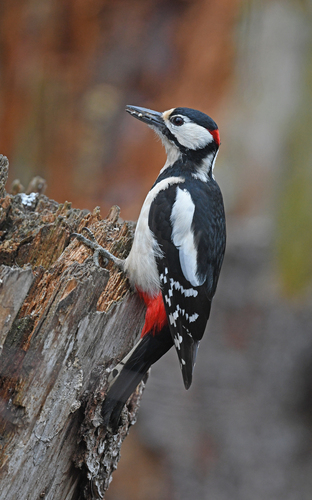
アカゲラ (Dendrocopos major) アカゲラ
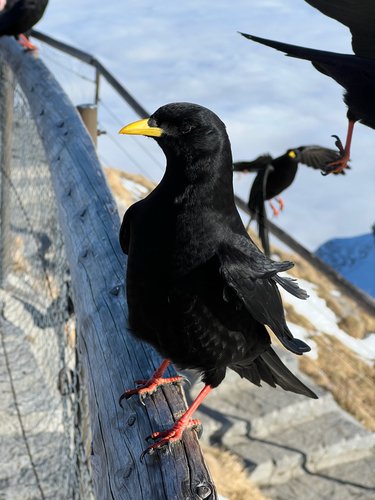
キバシガラス (Pyrrhocorax graculus) キバシガラス

メディア

読み込み中…

要点

キバシガラスとアカゲラを区別する最も信頼できるフィールドマークは、全体の色合いと構造です:アカゲラはコンパクトな黒と白の鳥で、目立つ白い肩の斑点と腹部に赤(オスと幼鳥には頭にも赤があります)を持っています。一方、キバシガラスは光沢のある黒いカラスのような鳥で、黄色いくちばしと赤い脚を持っています。飛んでいるときや休んでいるとき、アカゲラは強い黒と白のコントラストと短いノミのようなくちばしを示しますが、キバシガラスは均一に黒く、細長い下向きの黄色いくちばしと長い翼と尾を持っています。幼鳥のアカゲラは他のキツツキと混同されることがありますが、キバシガラスとは混同されませんし、その逆も同様です。生息地も強い手がかりです:キツツキは森林に、キバシガラスは高山の開けた場所にいます。

識別のコツ

  1. Overall color: アカゲラは黒と白で赤い腹部を持ち、キバシガラスは完全に光沢のある黒で白や赤の羽毛はありません。
  2. Bill color and shape: アカゲラはまっすぐでノミのようなスレートブラックのくちばしを持ち、キバシガラスは細長い下向きの黄色いくちばし(成鳥)または鈍い黄色(幼鳥)を持っています。
  3. Leg color: アカゲラの脚は緑がかった灰色で、キバシガラスの脚は明るい赤(成鳥)または茶色がかった(幼鳥)です。
  4. White shoulder patch: アカゲラだけが肩に大きな白い斑点を持ち、休んでいるときや飛んでいるときに見えます。
  5. Red on head: オスのアカゲラは赤いうなじを持ち、幼鳥は赤い冠を持っています。キバシガラスは頭に赤を示しません。
  6. Red on belly: アカゲラだけが赤(成鳥)またはピンクがかった(幼鳥)の下腹部と尾の下部を持っています。キバシガラスは下部がすべて黒です。
  7. Wing pattern in flight: アカゲラは黒と白の縞模様のある翼と尾を示し、キバシガラスは均一に黒で縞模様や白はありません。
  8. Tail shape: アカゲラは木にしがみつくために使う短くて硬い尾を持ち、キバシガラスは長くて柔軟な尾を持ち、飛んでいるときによく扇状になります。
  9. Flight style: アカゲラは跳ねるように波打つ弧を描いて飛び、キバシガラスは滑空し、アクロバティックな動きをしながらゆったりとした深い翼の動きで飛びます。
  10. Habitat: アカゲラは森林に、キバシガラスは高山の開けた場所にいます。もし木の上の崖で「キツツキ」を見たら、再考してください。
  11. Perching behavior: アカゲラは幹や枝を登り、キバシガラスは岩、崖、または地面に止まり、木に登ることはありません。
  12. Voice: アカゲラは鋭い「キック」コールやドラム音を出し、キバシガラスは波のような、笛のようなコールを出し、決してドラム音は出しません。
  13. Sex differences: アカゲラだけが性差を示し(オスの赤いうなじ)、キバシガラスの性別は同一です。
  14. Juvenile confusion: 幼鳥のアカゲラの赤い冠と鈍い羽毛はユニークで、幼鳥のキバシガラスはただの鈍い黒い鳥で鈍い黄色いくちばしを持っています。
  15. Size: キバシガラスはアカゲラのほぼ2倍の長さで、はるかに重いです;直接比較すると、キバシガラスはカラスのサイズで、アカゲラははるかに小さいです。

大きさ

アカゲラは中型のキツツキで、約20〜24 cmの長さで、体重は約89 gです [wikidata]。キバシガラスははるかに大きく、長さは37〜39 cm、翼幅は75〜85 cmで、キツツキのほぼ2倍の長さです。キバシガラスはまた、はるかに重く(成鳥の質量はAVONETに記載されていませんが、Wikipediaによれば188〜252 g)、相対的に長い尾と翼を持っています。フィールドでは、キバシガラスはカラスのサイズで細長く見え、アカゲラはコンパクトで尾が短いです。

羽色

行動

アカゲラはしばしば木の幹や枝を登り、短いホップで上に移動し、木を叩いたりつついたりするのが見られます。地面にいることはほとんどなく、キツツキ特有の跳ねるような波打つ飛び方をします。キバシガラスは非常に空中性が高く、しばしば滑空したり、アクロバティックな飛行動作を行ったりするのが見られます。地面では、開けた場所で歩いたり跳ねたりし、しばしば群れで行動します。木に登ったりドラムを叩いたりすることはありません。

生息環境

アカゲラは森林の鳥で、パレアールティック地域の森林、公園、庭園に生息し、低地や山地の森林を含みます。開けた場所や木のない場所ではほとんど見られません。キバシガラスは厳密に高山の種で、スペインからネパールまでの崖、岩の斜面、アルプスの草原で樹木の上で繁殖し、採餌します。森林や低地の生息地では見られません。高山で黄色いくちばしを持つ黒い鳥を見たら、ほぼ確実にキバシガラスです;森林では、アカゲラです。

声

アカゲラは鋭い「キック」または「チク」というコールを出し、木を叩きます;そのコールは短く、硬く、カラスのようではありません。キバシガラスは波のような「プリープ」と笛のような「スウィーオー」を持ち、典型的なカラスよりも高音でより音楽的で、さらに転がるようなアラームコールを持っています。そのコールは決してドラム音やキツツキのようではありません。声は聞こえた場合の強い手がかりです。

より良い説明を送る

比較と同じ項目を使ってください。文章はすぐに公開されます。

The most reliable field mark to separate Great Spotted Woodpecker from Alpine Chough is overall coloration and structure: Great Spotted Woodpecker is a compact, black-and-white bird with a bold white shoulder patch and red on the belly (plus red on the head in males and juveniles), while Alpine Chough is a glossy black, crow-like bird with a yellow bill and red legs. In flight or at rest, the woodpecker shows strong black-and-white contrast and a short, chisel bill, whereas the chough is uniformly black with a slender, downcurved yellow bill and longer wings and tail. Juvenile woodpeckers can be confused with other woodpeckers but not with choughs, and vice versa. Habitat is also a strong clue: woodpeckers in woodland, choughs in high mountain open areas.

  1. Overall color: Great Spotted Woodpecker is black and white with a red vent area; Alpine Chough is entirely glossy black with no white or red plumage.
  2. Bill color and shape: Woodpecker has a straight, chisel-like slate-black bill; chough has a slender, downcurved yellow bill (adults) or dull yellow (juveniles).
  3. Leg color: Woodpecker's legs are greenish-grey; chough's legs are bright red (adults) or brownish (juveniles).
  4. White shoulder patch: Only Great Spotted Woodpecker has a large white patch on the shoulder, visible at rest and in flight.
  5. Red on head: Male woodpeckers have a red nape; juveniles have a red crown. Choughs never show red on the head.
  6. Red on belly: Only woodpecker has a red (adult) or pinkish (juvenile) lower belly and undertail. Chough is all black below.
  7. Wing pattern in flight: Woodpecker shows black-and-white barred wings and tail; chough is uniformly black with no barring or white.
  8. Tail shape: Woodpecker has a short, stiff tail used for bracing on trees; chough has a longer, more flexible tail, often fanned in flight.
  9. Flight style: Woodpecker flies in bounding, undulating arcs; chough soars, glides, and performs acrobatic maneuvers with loose, deep wingbeats.
  10. Habitat: Woodpecker in woods, chough in high mountain open areas. If you see a 'woodpecker' on a cliff above the treeline, reconsider.
  11. Perching behavior: Woodpecker climbs trunks and branches; chough perches on rocks, cliffs, or the ground, never climbing trees.
  12. Voice: Woodpecker gives sharp 'kick' calls and drums; chough gives rippling, whistled calls, never drums.
  13. Sex differences: Only woodpecker shows sexual dimorphism (red nape in males); chough sexes are identical.
  14. Juvenile confusion: Juvenile woodpecker's red crown and duller plumage are unique; juvenile chough is just a duller black bird with a dull yellow bill.
  15. Size: Chough is nearly twice as long and much heavier than woodpecker; in direct comparison, chough is crow-sized, woodpecker is much smaller.

Great Spotted Woodpecker is a medium-sized woodpecker, about 20–24 cm long and weighing around 89 g [wikidata]. Alpine Chough is much larger, at 37–39 cm in length with a 75–85 cm wingspan, and is nearly twice as long as the woodpecker. The chough is also much heavier (adult mass not given in AVONET, but Wikipedia gives 188–252 g), with a proportionally longer tail and wings. In the field, the chough appears crow-sized and rangy, while the woodpecker is compact and shorter-tailed.

  • Juvenile/immature birds: Juvenile Great Spotted Woodpecker has a red crown (less extensive in females), duller and browner upperparts, and less defined markings than adults. The lower belly is pinkish rather than red. Juvenile Alpine Chough is simply a duller version of the adult: still all black but with a dull yellow bill and brownish legs. There are no bold white patches or red on the underparts in choughs of any age.
  • Adults: Great Spotted Woodpecker is black above with large white shoulder patches, white face and underparts (except for a scarlet lower belly and undertail), and black-and-white barred wings and tail. Males have a red nape, females lack this. Alpine Chough is glossy black all over, with no white or red in the plumage, a short yellow bill, and red legs. Sexes are identical in choughs.
  • In flight: Great Spotted Woodpecker shows strong black-and-white contrast on the upperwing and a white shoulder patch; Alpine Chough is all black with no white at all.

Great Spotted Woodpecker is often seen climbing tree trunks and branches, hitching upwards in short hops, and drumming or pecking at wood. It rarely spends time on the ground and flies in a bounding, undulating manner typical of woodpeckers. Alpine Chough is highly aerial, often seen soaring, gliding, or performing acrobatic flight maneuvers in updrafts near cliffs. On the ground, it walks or hops in open areas, often in flocks. It does not climb trees or drum.

Great Spotted Woodpecker is a woodland bird, found in forests, parks, and gardens across the Palearctic, including lowland and montane woods. It is rarely found in open or treeless areas. Alpine Chough is strictly a high mountain species, breeding and foraging above the treeline on cliffs, rocky slopes, and alpine meadows from Spain to Nepal. It is not found in forests or lowland habitats. If you see a black bird with a yellow bill in high mountains, it is almost certainly an Alpine Chough; if in woodland, a woodpecker.

Great Spotted Woodpecker gives sharp 'kick' or 'chik' calls and drums on wood; its calls are short, hard, and not crow-like. Alpine Chough has a rippling 'preep' and whistled 'sweeeooo', higher-pitched and more musical than typical crows, plus a rolling churr alarm call. Its calls are never drumming or woodpecker-like. Voice is a strong clue if heard.

変更を破棄しますか?

保存していない編集があります。今離れると失われます。

アカゲラ · キバシガラス · 苦手な鳥