

Motmot

ルリバネハチドリ 対 オオキリハシ

Pterophanes cyanopterus 対 Jacamerops aureus

ルリバネハチドリとオオキリハシのクイズ
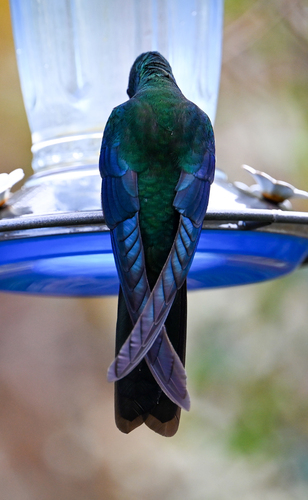
ルリバネハチドリ (Pterophanes cyanopterus) ルリバネハチドリ
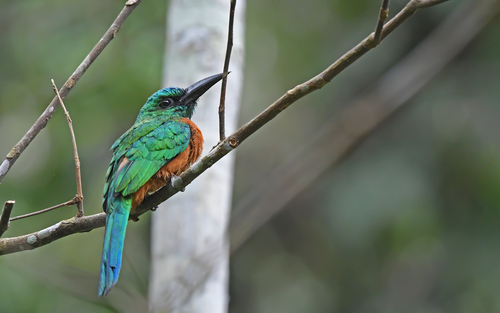
オオキリハシ (Jacamerops aureus) オオキリハシ

メディア

読み込み中…

要点

オオルリバネハチドリとオオキリハシを区別する最も信頼できる方法は、全体的な構造と生息地によるものです:オオルリバネハチドリは高いアンデスの森林やパラモに生息する巨大なオオハチドリで、金属的な青い翼を持っています。一方、オオキリハシは低地の熱帯雨林の樹冠に生息する、ずっしりとした体型の長いくちばしを持つ昆虫食者です。フィールドでは、オオルリバネハチドリのオスは鮮やかな青い翼と緑がかった青い体を示し、メスはシナモン色の腹部と青い翼の覆羽を持っています。オオキリハシの成鳥は、上面が金属的な緑色で、腹部が赤褐色で、オスには白い喉の斑点があります。オオルリバネハチドリはずっと軽くて細身で、短いくちばしと急速でオオハチドリのような飛行を持ち、オオキリハシは重い体型で長いくちばしを持ち、樹冠の中で直立して止まります。高い標高で青い翼を持つ大きな金属的な鳥を見たら、それはオオルリバネハチドリです;低地の熱帯雨林で重い赤褐色の腹部と緑色の背中を持つ鳥はオオキリハシです。

識別のコツ

  1. Habitat and elevation: アンデスの標高2,600 m以上にいる場合、ほぼ確実にオオルリバネハチドリを見ています;オオキリハシは500 m以下の低地の森林に限定されています。これはフィールドで彼らを区別する最も早い方法です。
  2. Overall structure: オオキリハシはオオルリバネハチドリを含むどのオオハチドリよりもずっと大きく、ずっしりとした体型で、長いくちばしを持っています。オオキリハシのくちばしはまっすぐで重く、短剣のようですが、オオルリバネハチドリのくちばしは短くてわずかに下向きです。
  3. Flight style: オオルリバネハチドリはオオハチドリ特有の急速で敏捷なホバリング飛行を持っています;オオキリハシはより直接的に飛び、長時間直立して止まることが多く、ホバリングはめったにしません。
  4. Wing and tail color (adult males): オオルリバネハチドリのオスは鮮やかな青い翼と緑がかった黒い尾を持っています;オオキリハシのオスは黒い翼(初列風切)と青黒い尾を持ち、飛行中や静止中にオオルリバネハチドリの青い輝きを決して示しません。
  5. Underparts color (adult males): オオルリバネハチドリは下側が青緑色です;オオキリハシは深い赤褐色で、対照的な白い喉の斑点があります(オスのみ)。
  6. Female plumage: メスのオオルリバネハチドリは緑色の側面を持つシナモン色の腹部と、翼の覆羽にのみ青を持っています;メスのオオキリハシは赤褐色の下側を持っていますが、白い喉の斑点はありません。
  7. White spot behind eye: オオルリバネハチドリの両性は目の後ろに小さな白い斑点を示しますが、オオキリハシにはありません。
  8. Bill color and shape: オオルリバネハチドリのくちばしは短く、まっすぐで黒いです;オオキリハシのくちばしは長く、重く、黒く、昆虫を捕まえるために適応しています。
  9. Perching posture: オオキリハシは直立して止まり、しばしば露出した樹冠の中間の枝に止まります;オオルリバネハチドリは通常、より水平に止まり、しばしば花の近くにいます。
  10. Tail pattern (female sapphirewing): メスのオオルリバネハチドリは外側の尾羽に多くの白を持っています、特に指名亜種では;オオキリハシの尾は均一に青黒いです。
  11. Crown color: メスのオオルリバネハチドリは暗い灰色の冠を持っています;オオキリハシは金属的な緑または青みがかった冠を持っています。
  12. Feeding behavior: オオルリバネハチドリは花で餌を食べているのが見られ、しばしばホバリングします;オオキリハシは昆虫を捕まえるために飛び出し、止まり木に戻ります。
  13. Size in the field: オオルリバネハチドリはオオハチドリとしては大きいですが、オオキリハシには劣ります。オオキリハシはほぼ3倍重く、ずっと長いです。
  14. Contextual clues: オオルリバネハチドリは高い標高の開けた、低木のある、またはエッジの生息地でよく見られます;オオキリハシは低地の森林の奥深くに生息し、しばしば水の近くにいます。
  15. Voice: メモには音声の記載はありませんので、区別のために声に頼らないでください。

大きさ

オオルリバネハチドリは大きなオオハチドリです(オス9.6–11.2 g、メス8.4–11 g、全長15.5–19 cm)ですが、オオキリハシには劣ります。オオキリハシは約63 gで、全長は25–30 cmです。オオキリハシは長いだけでなく、ずっしりとした体型で、頑丈な体と相対的にずっと長く重いくちばしを持っています。手に持ったり止まったりすると、オオキリハシはほぼツグミサイズに見えますが、オオルリバネハチドリはオオハチドリとしては大きいものの、まだずっと繊細で細身です。

羽色

どちらの種についても年齢特有の上翼のパターンは記載されていないため、成鳥の羽毛に焦点を当ててください。成鳥のオスのオオルリバネハチドリは上面が暗い青緑色で、鮮やかな青い翼と緑がかった黒い尾を持っています;下側は青緑色で、背中よりわずかに青みがかっています。両性は目の後ろに小さな白い斑点を持っています。メスは主に暗い金属的な緑色の上面、暗い灰色の冠、翼の覆羽にのみ青、緑色の側面を持つシナモン色の腹部を持ち、尾は緑がかった黒で外側の羽に多くの白があります。オオキリハシの成鳥のオスは上面が金属的な緑色で、金色や青みがかった色合い、白い下喉、深い赤褐色の下側を持ち、尾は青黒いです。メスは似ていますが、白い喉はありません。オオキリハシの翼は黒(初列風切)で、尾は青黒く、オオルリバネハチドリの青や緑がかった色合いはありません。若鳥や未熟な羽毛についてはメモに記載されていないため、若い鳥には注意が必要です。

行動

オオルリバネハチドリは主に花の蜜を食べ、ホバリングしたり止まったりして、小さな節足動物を捕まえることもあります。その飛行は急速で直接的で、オオハチドリ特有のもので、しばしば花のパッチやトラップラインを防御します。オオキリハシは待ち伏せ捕食者で、樹冠の中間で直立して止まり、飛んでいる昆虫を捕まえたり、クモや小さな脊椎動物を拾ったりして、再び止まり木に戻って獲物を枝に叩きつけます。その飛行はオオハチドリよりも直接的で敏捷性が低く、ホバリングはめったにしません。オオルリバネハチドリは通常、単独または他のオオハチドリと緩やかに関連して見られます;オオキリハシは通常、単独またはペアで見られます。

生息環境

オオルリバネハチドリはアンデスの高い標高(2,600–3,700 m)で見られ、湿った常緑樹林やエルフィン森林のエッジ、低木の斜面、パラモに生息しています。低地の熱帯雨林では決して見られません。対照的に、オオキリハシは厳密に低地の種(500 mまで)で、亜熱帯および熱帯の湿った森林に生息し、特に中間の樹冠や日陰の森林のエッジ、しばしば水流の近くにいます。彼らの分布域は一部の国で重なりますが、生息地や標高では決して重なりません。

より良い説明を送る

比較と同じ項目を使ってください。文章はすぐに公開されます。

The most reliable way to separate Great Sapphirewing from Great Jacamar is by overall structure and habitat: the sapphirewing is a giant hummingbird of high Andean forests and páramo with metallic blue wings, while the jacamar is a much bulkier, long-billed insect-eater of lowland rainforest canopies. In the field, Great Sapphirewing males show brilliant blue wings and greenish-blue body, while females have a cinnamon belly and blue wing coverts; Great Jacamar adults are metallic green above with a rufous belly and, in males, a white throat patch. The sapphirewing is much lighter and more slender, with a short bill and rapid, hummingbird-like flight, while the jacamar is heavy-bodied, long-billed, and perches upright in the mid-canopy. If you see a large, metallic bird at high elevation with blue wings, it's a sapphirewing; a heavy, rufous-bellied, green-backed bird in the lowland rainforest is a jacamar.

  1. Habitat and elevation: If you are above 2,600 m in the Andes, you are almost certainly seeing a Great Sapphirewing; Great Jacamar is restricted to lowland forests below 500 m. This is the fastest way to separate them in the field.
  2. Overall structure: Great Jacamar is much larger, bulkier, and longer-billed than any hummingbird, including the sapphirewing. Its bill is straight, heavy, and dagger-like, while the sapphirewing's is short and slightly decurved.
  3. Flight style: Sapphirewing has rapid, agile, hovering flight typical of hummingbirds; jacamar flies more directly and perches upright for long periods, rarely hovering.
  4. Wing and tail color (adult males): Sapphirewing males have brilliant blue wings and a greenish-black tail; jacamar males have black wings (primaries) and a blue-black tail, never showing the sapphirewing's blue shimmer in flight or at rest.
  5. Underparts color (adult males): Sapphirewing is blue-green below; jacamar is deep rufous below with a contrasting white throat patch (male only).
  6. Female plumage: Female sapphirewing has a cinnamon belly with green sides and blue only on the wing coverts; female jacamar is rufous below but lacks the white throat patch.
  7. White spot behind eye: Both sexes of sapphirewing show a small white spot behind the eye, absent in jacamar.
  8. Bill color and shape: Sapphirewing's bill is short, straight, and black; jacamar's is long, heavy, and black, adapted for catching insects.
  9. Perching posture: Jacamar perches upright, often on exposed mid-canopy branches; sapphirewing typically perches more horizontally, often near flowers.
  10. Tail pattern (female sapphirewing): Female sapphirewing has much white on the outer tail feathers, especially in the nominate subspecies; jacamar's tail is uniformly blue-black.
  11. Crown color: Female sapphirewing has a dusky gray crown; jacamar has a metallic green or blueish crown.
  12. Feeding behavior: Sapphirewing is seen feeding at flowers, often hovering; jacamar is seen sallying for insects and returning to a perch.
  13. Size in the field: Even though sapphirewing is large for a hummingbird, it is dwarfed by the jacamar, which is nearly three times heavier and much longer.
  14. Contextual clues: Sapphirewing is often seen in open, shrubby, or edge habitats at high elevation; jacamar is deep in lowland forest, often near water.
  15. Voice: No vocalizations are described in the notes, so do not rely on voice for separation.

Great Sapphirewing is a large hummingbird (males 9.6–11.2 g, females 8.4–11 g, length 15.5–19 cm), but is dwarfed by the Great Jacamar, which weighs about 63 g and measures 25–30 cm in length. The jacamar is not only longer but also much bulkier, with a robust body and a proportionally much longer, heavier bill. In hand or perched, the jacamar appears almost thrush-sized, while the sapphirewing, though large for a hummingbird, is still much more delicate and slender.

No age-specific upperwing patterns are described for either species, so focus on adult plumage. Adult male Great Sapphirewing is dark blue-green above with brilliant blue wings and a greenish-black tail; underparts are blue-green, slightly bluer than the back. Both sexes have a small white spot behind the eye. Females have mostly dark metallic green upperparts, a dusky gray crown, blue only on the wing coverts, and a cinnamon belly with green sides; their tail is greenish-black with much white on the outer feathers. Great Jacamar adult males are metallic green above with gold and blueish tints, a white lower throat, and deep rufous underparts; the tail is blue-black. Females are similar but lack the white throat. The jacamar's wings are black (primaries), and the tail is blue-black, lacking the sapphirewing's blue or greenish tones. Juvenile/immature plumage is not described for either species in the notes, so caution is needed with young birds.

Great Sapphirewing feeds mainly on nectar, hovering or perching at flowers, and occasionally catches small arthropods. Its flight is rapid and direct, typical of hummingbirds, and it often defends flower patches or trap-lines. Great Jacamar is a sit-and-wait predator, perching upright in the mid-canopy, sallying out to catch flying insects or gleaning spiders and small vertebrates, then returning to its perch to beat prey against a branch. Its flight is more direct and less agile than a hummingbird's, and it rarely hovers. Sapphirewings are typically seen alone or in loose association with other hummingbirds; jacamars are usually solitary or in pairs.

Great Sapphirewing is found at high elevations (2,600–3,700 m) in the Andes, inhabiting edges of humid evergreen and elfin forest, shrubby slopes, and páramo. It is never found in lowland rainforest. Great Jacamar, in contrast, is strictly a lowland species (to 500 m), living in subtropical and tropical moist forests, especially in the middle canopy and shaded forest edges, often near watercourses. Their ranges overlap in some countries, but never in habitat or elevation.

変更を破棄しますか?

保存していない編集があります。今離れると失われます。

ルリバネハチドリ · オオキリハシ · 苦手な鳥