

Motmot

カワウ 対 ヨーロッパヒメウ

Phalacrocorax carbo 対 Gulosus aristotelis

カワウとヨーロッパヒメウのクイズ
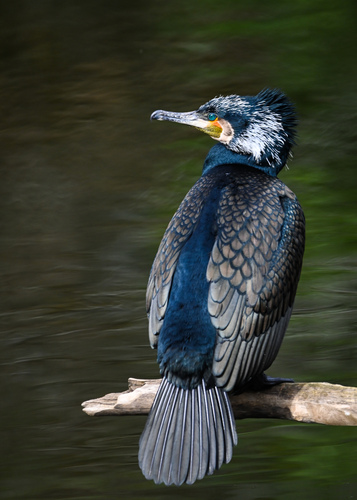
カワウ (Phalacrocorax carbo) カワウ
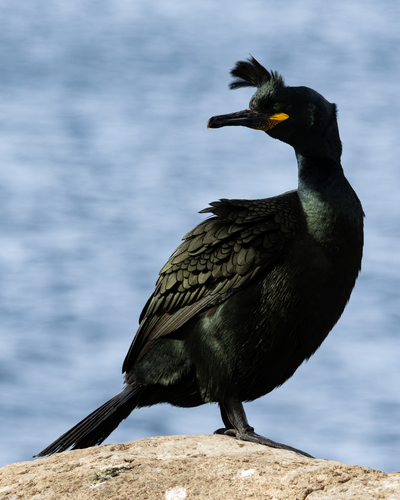
ヨーロッパヒメウ (Gulosus aristotelis) ヨーロッパヒメウ

メディア

読み込み中…

要点

ヨーロッパヒメウとカワウを区別する最も信頼できるフィールドマークは全体的な構造です:カワウはずっとずっしりとしており、重くて太いくちばしと大きくて頑丈な体を持っていますが、ヨーロッパヒメウは明らかにスリムで、細いくちばしと軽い体つきをしています。繁殖期には、成鳥のヒメウは小さな冠と金属的な緑の光沢を示しますが、カワウには冠がなく、紫色または青銅色の光沢があります。幼鳥の羽毛も異なります:若いカワウは淡い腹部を持っていますが、幼鳥のヒメウは下側が暗いです。尾羽の数(カワウは14、ヒメウは12)は技術的ですが絶対的な違いです。飛行中または遠くから見たとき、サイズと構造は通常最も早い手がかりです。

識別のコツ

  1. Overall size and bulk: カワウはヨーロッパヒメウよりもずっと大きくて重いです。特に鳥が並んでいるときや混合群れの中でこれを利用してください。
  2. Bill structure: カワウは太くて強力で、強くフックしたくちばしを持っています;ヒメウのくちばしは明らかに細くて繊細です。これは中距離でも見えます。
  3. Body shape and jizz: カワウは頑丈で、胸が深く、首が太いです;ヒメウはスリムで、首が長く、より流線型です。飛行中、カワウは広い翼を持ち、重そうに見え、ヒメウはより直接的で敏捷です。
  4. Tail feather count: カワウは14本の尾羽を持ち、ヒメウは12本です。これは診断的ですが、広げた尾をよく見る必要があります(フィールドでは稀です)。
  5. Breeding adult crest: 繁殖期に頭に小さな冠を示すのはヨーロッパヒメウだけです。大きな黒いカワウのような鳥に冠がない場合、春と初夏にヒメウを除外できます。
  6. Plumage gloss: カワウは体と翼に紫色または青銅色の光沢を持っています;ヒメウは金属的な緑の光沢を持ち、良い光の中で最も明らかです。これは微妙で、近くの直射日光の中で使用するのが最適です。
  7. White thigh patches: 繁殖期に、カワウの成鳥は太ももに特徴的な白いフィロプラームの斑点を持っています(時には頭/首にも);ヒメウはこれを示しません。これは春の強いマークです。
  8. Underparts in juveniles: 幼いカワウは淡いまたは白っぽい腹部を持ち、幼いヒメウの暗い腹部と胸と対照的です。これは夏の終わりから冬にかけての重要なマークです。
  9. Throat patch: 両方とも黄色の喉の斑点を持っていますが、ヒメウの方が小さく、広がりが少ないです。遠くからや光が悪いときには必ずしも信頼できるわけではありません。
  10. Leg and foot color: 両方とも暗い脚と完全に水かきのある足を持っています;これは有用な区別マークではありません。
  11. Habitat context: ヒメウはほぼ完全に沿岸で、岩の多い海岸を好みます;カワウは沿岸と内陸の水域の両方で見られます。海から遠くで見られた場合、ほぼ確実にカワウです。
  12. Group size: カワウは特に内陸で大きくて密な群れを形成することが多いです;ヒメウは通常、小さな群れまたは単独で、特に繁殖コロニーの外ではそうです。
  13. Flight style: カワウは深く、遅い翼の打撃と重いシルエットで飛びます;ヒメウはより速く、より直接的な飛行とスリムなプロファイルです。
  14. Bill color and gular patch: 両方ともくちばしの基部に黄色がありますが、喉の斑点の形と角度はカワウの亜種によって異なることがあります(ほとんどの観察者にとって実用的なフィールドマークではありません)。
  15. Voice: 両方ともコロニーから離れるとほとんど静かです;呼び声はフィールドでの区別には役立ちません。

大きさ

カワウはかなり大きくて重く、平均的な成鳥の質量は2200 g [wikidata]で、より小さくて軽いヨーロッパヒメウと比較されます(正確な質量は示されていませんが、一貫して中型から大型で軽い体つきと説明されています)。カワウは休んでいるときも飛んでいるときもずっしりとして見え、首が太く、より強力な印象を与えます。ヒメウはより流線型でスリムで、くちばしが狭く、存在感が少ないです。

羽色

行動

両種とも翼を広げて乾かす姿がよく見られますが、カワウは内陸でも沿岸でも見られる可能性が高く、しばしば大きくて密な群れを形成します。ヨーロッパヒメウはより厳密に沿岸に生息し、岩の多い海岸や島を好み、内陸で見られることは少ないです。飛行中、カワウは重くて労力を要するように見え、ヒメウはより速く、より敏捷で、より直接的な飛行をします。

生息環境

カワウは非常に適応力があり、湖、川、河口、海洋環境を含む広範囲で内陸水域と沿岸で繁殖し、餌を取ります。ヨーロッパヒメウは岩の多い海岸や島に大きく制限されており、塩水から遠くに出ることはほとんどありません。内陸でよく見られた場合、その鳥はほぼ確実にカワウです。

声

両種とも繁殖コロニーから離れるとほとんど静かで、喉の奥からの音を出します。声は区別のための実用的なフィールドマークではありません。

より良い説明を送る

比較と同じ項目を使ってください。文章はすぐに公開されます。

The most reliable field mark to separate Great Cormorant from European Shag is overall structure: Great Cormorant is much bulkier, with a heavier, thicker bill and a larger, more robust body, while European Shag is noticeably slimmer, with a thinner bill and lighter build. In breeding season, adult Shags show a small crest and a metallic green sheen, while Great Cormorants lack a crest and have a purplish or bronze gloss. Juvenile plumage also differs: young Great Cormorants have pale underparts, whereas juvenile Shags are darker below. Tail feather count (14 in cormorant, 12 in shag) is a technical but absolute difference. When seen in flight or at a distance, size and structure are usually the quickest clues.

  1. Overall size and bulk: Great Cormorant is much larger and heavier than European Shag. Use this especially when birds are side-by-side or in mixed flocks.
  2. Bill structure: Great Cormorant has a thick, powerful, strongly hooked bill; Shag's bill is noticeably thinner and more delicate. This is visible even at moderate range.
  3. Body shape and jizz: Great Cormorant is robust, deep-chested, and heavy-necked; Shag is slim, long-necked, and more streamlined. In flight, cormorant looks broad-winged and labored, shag more direct and agile.
  4. Tail feather count: Great Cormorant has 14 tail feathers, Shag has 12. This is diagnostic but requires a good view of the spread tail (rare in the field).
  5. Breeding adult crest: Only European Shag shows a small crest on the head in breeding season. Absence of crest in a large black cormorant-like bird rules out Shag in spring and early summer.
  6. Plumage gloss: Great Cormorant has a purple or bronze gloss, especially on the body and wings; Shag has a metallic green sheen, most obvious in good light. This is subtle and best used in close, direct sunlight.
  7. White thigh patches: In breeding season, Great Cormorant adults have distinctive white filoplume patches on the thighs (and sometimes head/neck); Shag never shows these. This is a strong mark in spring.
  8. Underparts in juveniles: Juvenile Great Cormorants have pale or whitish underparts, contrasting with the darker belly and breast of juvenile Shags. This is a key mark from late summer through winter.
  9. Throat patch: Both have a yellow throat patch, but Shag's is smaller and less extensive. Not always reliable at distance or in poor light.
  10. Leg and foot color: Both have dark legs and fully webbed feet; this is not a useful separation mark.
  11. Habitat context: Shag is almost exclusively coastal and prefers rocky shores; Great Cormorant is found both on coasts and inland waters. If seen far from the sea, it's almost certainly a cormorant.
  12. Group size: Great Cormorant often forms large, dense flocks, especially inland; Shag is usually in smaller groups or solitary, especially outside breeding colonies.
  13. Flight style: Great Cormorant flies with deeper, slower wingbeats and a heavier silhouette; Shag is quicker, with a more direct flight and slimmer profile.
  14. Bill color and gular patch: Both have yellow at the base of the bill, but the shape and angle of the gular patch can differ among cormorant subspecies (not a practical field mark for most observers).
  15. Voice: Both are mostly silent away from colonies; calls are not useful for field separation.

Great Cormorant is substantially larger and heavier, with an average adult mass of 2200 g [wikidata], compared to the smaller, lighter European Shag (no exact mass given, but consistently described as medium-large and lighter built). Great Cormorant appears bulkier both at rest and in flight, with a thicker neck and more powerful jizz. Shag is more streamlined and slender, with a narrower bill and a less imposing presence.

  • Juveniles/immatures: Young Great Cormorants have pale to whitish underparts, especially obvious in first-year birds, while juvenile Shags have darker underparts, lacking the strong pale contrast. This is a key field mark in autumn and winter flocks.
  • Adults (breeding): European Shag adults show a small crest on the head and a metallic green sheen to the plumage. Great Cormorant adults lack a crest and instead show a purplish or bronze gloss, especially on the body and wings. Both species have a yellowish throat patch, but the shape and extent differ subtly (not always reliable at distance).
  • Adults (non-breeding): Great Cormorant loses the white thigh and head filoplumes after breeding, becoming more uniformly black but still bulkier and with a stouter bill. Shag loses the crest but remains slimmer and green-glossed.
  • Tail feathers: Great Cormorant always has 14 tail feathers; European Shag has 12. This is diagnostic but rarely visible in the field.

Both species are often seen perched with wings spread to dry, but Great Cormorant is more likely to be found inland as well as on coasts, and often forms larger, denser flocks. European Shag is more strictly coastal, favoring rocky shores and islands, and is less likely to be seen far inland. In flight, Great Cormorant appears heavier and more labored, while Shag is quicker and more agile, with a more direct flight.

Great Cormorant is highly adaptable, breeding and feeding on both inland waters and coasts across a wide range, including lakes, rivers, estuaries, and marine environments. European Shag is much more restricted to rocky marine coasts and islands, rarely venturing far from saltwater. If seen well inland, the bird is almost certainly a Great Cormorant.

Both species are mostly silent away from breeding colonies, where they make guttural noises. Vocalizations are not a practical field mark for separation.

変更を破棄しますか?

保存していない編集があります。今離れると失われます。

カワウ · ヨーロッパヒメウ · 苦手な鳥