

Motmot

オオカモメ 対 シロカモメ

Larus marinus 対 Larus hyperboreus

オオカモメとシロカモメのクイズ
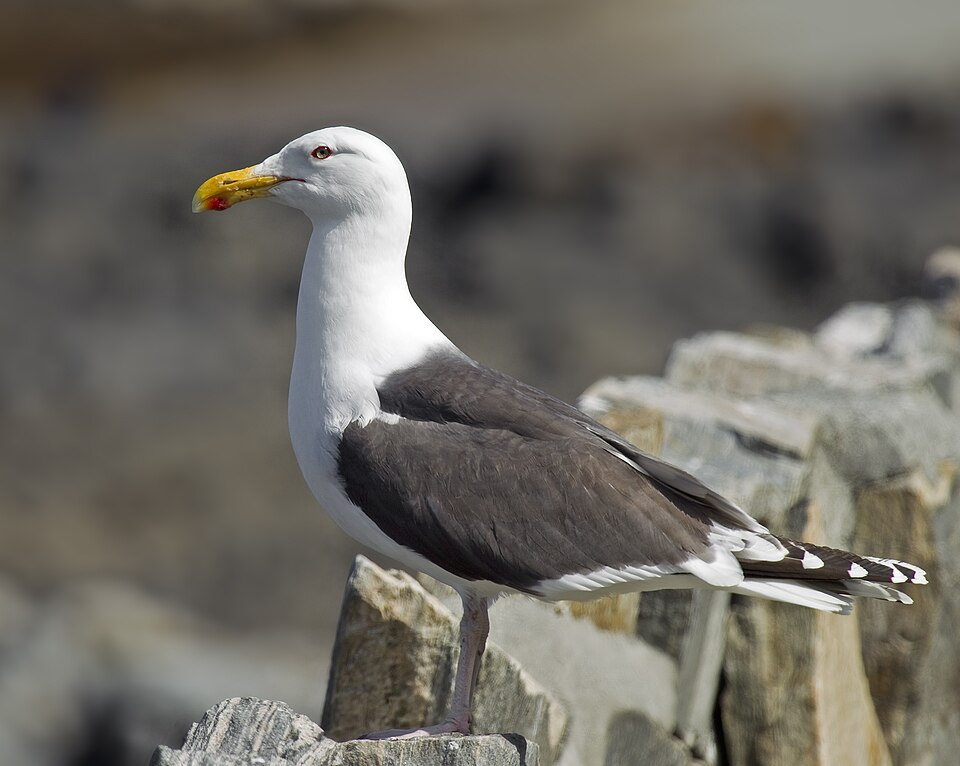
オオカモメ (Larus marinus) オオカモメ
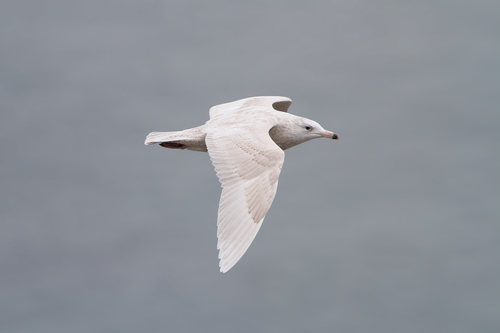
シロカモメ (Larus hyperboreus) シロカモメ

メディア

読み込み中…

要点

オオカモメとシロカモメの間で最も信頼できるフィールドマーク、特に未熟な鳥においては、翼と尾に黒があるかないかです:すべての年齢のシロカモメは非常に淡い色で、翼や尾に黒はありませんが、オオカモメ(特に幼鳥や未熟な個体)は暗いまたは黒っぽい茶色の飛行羽と黒っぽい尾帯を示します。成鳥も簡単に区別できます:オオカモメは際立って黒い背中と黒い翼を持ち、シロカモメは上面が淡い灰色です。構造とサイズは重なりますが、シロカモメは一部の個体群ではさらに大きく、重いことがあります。くちばしの色と模様、脚の色、全体的な印象はさらなる手がかりを提供しますが、両種は成熟するのに4年かかり、その間に変動する羽毛を示すことに注意してください。

識別のコツ

  1. Juvenile/immature wing and tail pattern: すべての年齢のシロカモメは翼と尾に黒がありません;オオカモメの幼鳥や未熟な個体は黒っぽい茶色の飛行羽と明確な黒っぽい尾帯を持っています。飛行中、これは最も良いマークです。
  2. Overall coloration (all ages): シロカモメは常に淡い色で、洗い流されたクリーミーまたは淡い灰色の外観を持っています。オオカモメは暗く、特に幼鳥の時はコントラストが強いです。
  3. Adult plumage: オオカモメは白い頭と深い黒い背中と翼を持ち、間違いなく識別できます;シロカモメは上面が淡い灰色で、どこにも黒はありません。
  4. Bill pattern (juveniles): シロカモメの幼鳥は黒い先端を持つピンクのくちばしを持っています;オオカモメの幼鳥は白い先端を持つ黒っぽい茶色のくちばしを持ち、年を取るにつれて完全に黒くなり、その後淡くなります。
  5. Leg color (juveniles): オオカモメの幼鳥はピンクのトーンを持つ暗い青灰色の脚を持っています;シロカモメは淡い脚を持つ傾向がありますが、これは変動があり、常に信頼できるわけではありません。
  6. Structure: 両者は巨大ですが、シロカモメは一部の個体群ではさらに大きく、くちばしが太く見えることがあります。くちばしのサイズだけでは診断できませんが、シロカモメは特に太いくちばしと重い頭に見えることがあります。
  7. Behavior: 鳥を積極的に狩ったり攻撃したりしているカモメを見た場合、特に海鳥や水鳥に対して、オオカモメの可能性が高いです;シロカモメはあまり攻撃的ではありません。
  8. Voice: 両者は深い笑い声のような鳴き声を持っていますが、オオカモメは二つの中でより深いです。これは微妙で、フィールドではあまり役に立ちません。
  9. Habitat: 両者が生息する場所では強い区別にはなりませんが、シロカモメは高い北極または亜北極の環境で見られる可能性が高く、オオカモメは北大西洋の沿岸に多いです。
  10. Aging pitfalls: 両種は成熟するのに4年かかり、中間的な羽毛の範囲を示します。未熟な個体の翼と尾に黒があるかないかに注目してください。
  11. Jizz in flight: オオカモメは長い翼を持ち、より威圧的に見えることがありますが、両者は広い翼を持ち、力強いです;羽毛を最初に使用してください。
  12. Confusion with other gulls: 両者はハイリングカモメやアイスランドカモメと混同されることがありますが、それらは小さく、異なる翼/尾のパターンを持っています。翼や尾に黒がない本当に巨大で淡いカモメを見た場合、それはシロカモメです;巨大で黒い翼を持っている場合、それはオオカモメです。
  13. Seasonal context: 両種は北部沿岸地域の冬に存在することがあります;分離のために季節だけに頼らないでください。
  14. Sex differences: どちらの種でもフィールドでの診断にはなりません。
  15. Mixed flocks: 両種が存在する場合、直接比較してください:シロカモメは最も淡い色で目立ち、オオカモメは最も暗い色です。

大きさ

両種は世界で最も大きなカモメの中にあり、そのサイズはかなり重なります。オオカモメはしばしば最大のカモメと呼ばれますが、シロカモメは同じくらい大きいか、一部の個体群ではさらに重いことがあります(シロカモメの平均成鳥質量:1412.5 g [wikidata])。両者は巨大で、くちばしが太く、翼が広いので、サイズだけでは特に距離がある場合や混合群れの中では信頼できません。

羽色

幼鳥と未熟な羽毛は最も診断的です:すべての年齢のシロカモメは非常に淡く、均一な淡い灰色-バフの外観を持ち、どの段階でも翼や尾に黒はありません。対照的に、オオカモメの幼鳥ははるかに暗く、よりパターン化されており、鱗状の黒茶色の上面、黒っぽい茶色の飛行羽、先端付近に明確な黒っぽい帯のある白い尾を持っています(基部にはジグザグのバーがあります)。オオカモメは年を取るにつれて、より暗く、コントラストの強い羽毛とより暗いくちばしを長く保持しますが、シロカモメは常に淡く、洗い流されたように見えます。成鳥は間違いなく識別できます:オオカモメは白い頭と深い黒い背中と翼を持ち、シロカモメは上面が淡い灰色で、どこにも黒はありません。くちばしの色も異なります:成鳥のオオカモメは赤い斑点のある黄色いくちばしを持ち、シロカモメは太い黄色いくちばし(成鳥)または黒い先端を持つピンクのくちばし(幼鳥)を持っています。脚の色は変動しますが、役立つことがあります:オオカモメの幼鳥はピンクのトーンを持つ暗い青灰色の脚を持ち、シロカモメは淡い脚を持つ傾向があります。

行動

オオカモメは特に攻撃的で捕食的であり、しばしば猛禽類のように振る舞い、狩り、略奪、さらには他の鳥を殺すこともあります。シロカモメも雑食性で機会主義的ですが、オオカモメほど攻撃的な捕食者とは見なされていません。両種は腐肉を食べますが、もしカモメが他の大型の鳥を積極的に狩ったり支配したりしているのを観察した場合、オオカモメの可能性が高いです。

生息環境

両種は北部の沿岸や島で繁殖し、冬を越し、しばしば範囲が重なります。オオカモメは北大西洋により結びついており、シロカモメはさらに北で繁殖し、北極および亜北極地域により関連していますが、両者は移動や冬の間に沿岸、ゴミ捨て場、内陸の水域で見つかることがあります。生息地は範囲が重なる場所では強い区別にはなりません。

声

両種は深い笑い声のような鳴き声を発します。オオカモメの鳴き声は他のほとんどのカモメよりも深いとされ、時には引き伸ばされた、牛のような最初の音を持っています。シロカモメの鳴き声はハイリングカモメに似ていますが、より深いです。声はこれら二つの間の分離のための信頼できるフィールドマークではありませんが、オオカモメが二つの中でより深いかもしれません。

より良い説明を送る

比較と同じ項目を使ってください。文章はすぐに公開されます。

The most reliable field mark between Great Black-backed Gull and Glaucous Gull, especially in immature birds, is the presence or absence of black on the wings and tail: Glaucous Gull of all ages is very pale, with no black in the wings or tail, while Great Black-backed Gull (especially juveniles and immatures) shows dark or blackish-brown flight feathers and a blackish tail band. Adults are also easily separated: Great Black-backed is strikingly black-backed and black-winged, while Glaucous is pale grey above. Structure and size overlap, but Glaucous can be even bulkier and heavier in some populations. Bill color and pattern, leg color, and overall jizz offer further clues, but beware that both species take four years to mature and show variable plumages during that time.

  1. Juvenile/immature wing and tail pattern: Glaucous Gull of all ages lacks black in the wings and tail; Great Black-backed Gull juveniles and immatures have blackish-brown flight feathers and a distinct blackish tail band. In flight, this is the single best mark.
  2. Overall coloration (all ages): Glaucous Gull is always pale, with a washed-out, creamy or pale grey look. Great Black-backed Gull is darker and more contrasting, especially as a juvenile.
  3. Adult plumage: Great Black-backed is unmistakable with a white head and deep black back and wings; Glaucous is pale grey above with no black anywhere.
  4. Bill pattern (juveniles): Glaucous Gull juveniles have a pink bill with a black tip; Great Black-backed juveniles have a brownish-black bill with a white tip, becoming all black as they age before paling.
  5. Leg color (juveniles): Great Black-backed juveniles have dark bluish-grey legs with pink tones; Glaucous Gull tends to have paler legs, but this is variable and not always reliable.
  6. Structure: Both are massive, but Glaucous can appear even bulkier and thicker-billed in some populations. Bill size alone is not diagnostic, but Glaucous may look especially thick-billed and heavy-headed.
  7. Behavior: If you see a gull actively hunting or attacking other birds, especially seabirds or waterfowl, Great Black-backed is more likely; Glaucous is less aggressive.
  8. Voice: Both have deep, laughing calls, but Great Black-backed is the deeper of the two. This is subtle and rarely useful in the field.
  9. Habitat: Not a strong separator where both occur, but Glaucous is more likely in high Arctic or subarctic settings, Great Black-backed more coastal North Atlantic.
  10. Aging pitfalls: Both species take four years to mature and show a range of intermediate plumages. Focus on the presence or absence of black in the wings and tail for immatures.
  11. Jizz in flight: Great Black-backed may appear longer-winged and more menacing, but both are broad-winged and powerful; use plumage first.
  12. Confusion with other gulls: Both can be confused with Herring or Iceland Gulls, but those are smaller and have different wing/tail patterns. If you see a truly massive, pale gull with no black in the wings or tail, it's Glaucous; if it's massive and black-winged, it's Great Black-backed.
  13. Seasonal context: Both species can be present in winter in northern coastal areas; do not rely on season alone for separation.
  14. Sex differences: Not diagnostic in the field for either species.
  15. Mixed flocks: When both species are present, compare directly: Glaucous will stand out as the palest, Great Black-backed as the darkest.

Both species are among the largest gulls in the world, and their sizes overlap considerably. Great Black-backed Gull is often called the largest gull, but Glaucous Gull can be equally large or even heavier in some populations (mean adult mass for Glaucous: 1412.5 g [wikidata]). Both are massive, thick-billed, and broad-winged, so size alone is unreliable for separation, especially at a distance or in mixed flocks.

Juvenile and immature plumage is the most diagnostic: Glaucous Gull of all ages is very pale, with a uniform pale grey-buff appearance and no black in the wings or tail at any stage. Juvenile Great Black-backed Gull, by contrast, is much darker and more patterned, with scaly black-brown upperparts, blackish-brown flight feathers, and a white tail with a distinct blackish band near the tip (and zigzag bars at the base). As Great Black-backed ages, it retains darker, more contrasting plumage and a darker bill for longer, while Glaucous always looks pale and washed-out. Adults are unmistakable: Great Black-backed is white-headed with a deep black back and wings, while Glaucous is pale grey above with no black anywhere. Bill color also differs: adult Great Black-backed has a yellow bill with a red spot, while Glaucous has a thick yellow bill (adults) or pink with black tip (juveniles). Leg color is variable but can help: Great Black-backed juveniles have dark bluish-grey legs with pink tones, while Glaucous tends to have pale legs.

Great Black-backed Gull is notably aggressive and predatory, often behaving more like a raptor—hunting, pirating, and even killing other birds, including fledged seabirds and waterfowl. Glaucous Gull is also omnivorous and opportunistic but is not described as being as aggressively predatory as Great Black-backed. Both species scavenge, but if you observe a gull actively hunting or dominating other large birds, Great Black-backed is more likely.

Both species breed and winter along northern coasts and islands, often overlapping in range. Great Black-backed is more tied to the North Atlantic, while Glaucous Gull breeds farther north and is more associated with Arctic and subarctic regions, but both can be found along coasts, at garbage dumps, and inland waters during migration and winter. Habitat is not a strong separator where ranges overlap.

Both species give deep, laughing cries. Great Black-backed Gull's call is described as deeper than most other gulls, sometimes with a drawn-out, bovid-like first note. Glaucous Gull's call is similar to Herring Gull but deeper. Voice is not a reliable field mark for separation between these two, except perhaps that Great Black-backed is the deeper of the two.

変更を破棄しますか?

保存していない編集があります。今離れると失われます。

オオカモメ · シロカモメ · 苦手な鳥