

Motmot

セスジキンノジコ 対 ヒメクサビオノジコ

Sicalis luteola 対 Emberizoides ypiranganus

セスジキンノジコとヒメクサビオノジコのクイズ
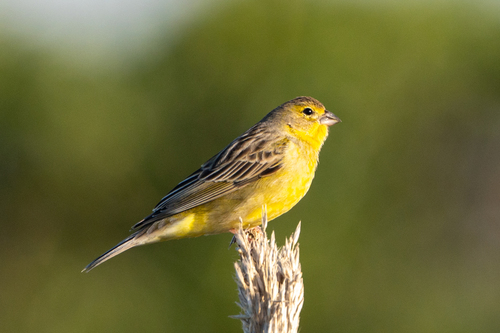
セスジキンノジコ (Sicalis luteola) セスジキンノジコ
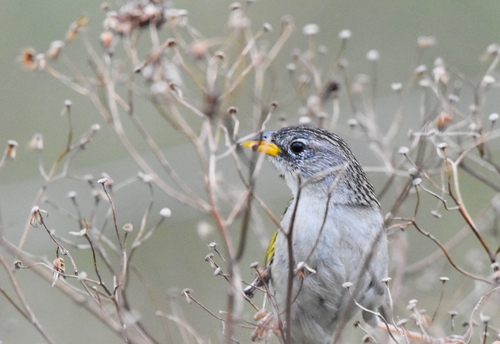
ヒメクサビオノジコ (Emberizoides ypiranganus) ヒメクサビオノジコ

メディア

読み込み中…

要点

セスジキンノジコとヒメクサビオノジコを区別する最も信頼できるフィールドマークは、全体の色合いと構造です:セスジキンノジコはコンパクトで明るい黄色の鳥(特に成鳥のオス)ですが、ヒメクサビオノジコは大きく、尾が長く、灰色の顔と淡い眉斑を持つ縞模様の緑褐色の上面パターンを示します。幼鳥のヒメクサビオノジコは黄色がかった色合いを示すことがありますが、上面には縞模様があり、長く尖った尾を持っています。構造と頭の模様は重要で、特に鳥が止まっているときや遠くで飛んでいるときに顕著です。

識別のコツ

  1. Upperpart streaking: ヒメクサビオノジコ(全ての年齢)は緑褐色の背中と冠に太い黒っぽい縞模様を示します;セスジキンノジコは上面が平坦で、縞模様がありません。これは全ての羽色において最も信頼できるマークです。
  2. Facial pattern: ヒメクサビオノジコは灰色の顔に淡い眉斑と薄い白色の目の輪、さらに暗い頬を持っています;セスジキンノジコは強い眉斑や目の輪がない平坦な顔をしています。
  3. Tail length and shape: ヒメクサビオノジコは長く尖った尾を持ち(しばしば傾けたり振ったりします);セスジキンノジコははるかに短い尾を持ち、ずんぐりした印象を与えます。
  4. Bill structure: ヒメクサビオノジコのくちばしは適度に太く、黄色がかったオレンジ色で、黒っぽい上嘴を持っています;セスジキンノジコはより短く、円錐形のくちばしを持ち、全体的にコンパクトな構造に合っています。
  5. Overall coloration: セスジキンノジコ(特に成鳥のオス)は上下とも明るい黄色で、コントラストが少ないです;ヒメクサビオノジコははるかに鈍い色合いで、淡い灰色の腹部と淡い側面を持ち、幼鳥のみがわずかな黄色がかった色合いを示します。
  6. Juvenile confusion: 幼鳥のヒメクサビオノジコは顔と腹部に黄色がかった色合いを示すことがありますが、常に上面の縞模様と長い尾を保持しています。幼鳥のセスジキンノジコは平坦で縞模様がありません。
  7. Wing pattern: ヒメクサビオノジコは茶色がかった翼に広い明るい緑色の縁を持ち、休んでいるときや飛んでいるときに見えます;セスジキンノジコは明るい緑色の縁がない均一な翼を持っています。
  8. Eye color: ヒメクサビオノジコは暗い茶色の虹彩を持っています;セスジキンノジコの目の色は指定されていませんが、重要なフィールドマークではありません。
  9. Leg color: ヒメクサビオノジコは茶色がかった黄色から鈍いピンク色の脚と足を持っています;セスジキンノジコの脚の色は特異ではありません。
  10. Behavior in the field: ヒメクサビオノジコの直立した細長い姿勢と尾を振る行動に注意し、セスジキンノジコのよりコンパクトで地面を探る行動と対比してください。
  11. Flight style: ヒメクサビオノジコの飛行はより波状で、長い尾を強調します;セスジキンノジコはより直接的に飛び、空中でよりコンパクトに見えます。
  12. Habitat overlap: 両種は開けた草原で一緒に見られることがあります;識別には生息地だけに頼らないでください。
  13. Sexes and ages: 両種は羽色において性別が同じですが、セスジキンノジコのオスはより明るい黄色です。ヒメクサビオノジコの性別は同一で、幼鳥は成鳥に似ていますが、黄色がかった色合いと縞模様があります。
  14. When in doubt: 上面の縞模様と尾の長さに焦点を当ててください—これらは全ての年齢と全ての季節において最も一貫して見える違いです。

大きさ

セスジキンノジコは小さくてコンパクトで、報告された体重は15.5 g [wikidata]です。ヒメクサビオノジコは明らかに大きく(18–22 g)、特に長い(18–20 cm)です。セスジキンノジコははるかに短いですが、後者の正確な長さはここでは示されていません。ヒメクサビオノジコは比例的に長く尖った尾と太いくちばしを持ち、セスジキンノジコのずんぐりした短い尾の外観と比較して、より細長い印象を与えます。

羽色

幼鳥と成鳥のヒメクサビオノジコは常に縞模様の上面を示し、背中と冠には緑褐色と黒の縞模様があり、灰色の顔に淡い眉斑と薄い白色の目の輪を持っています。幼鳥は上面と顔に淡い黄色がかった色合いを加えますが、縞模様と長い尾を保持しています。セスジキンノジコ(全ての年齢)はこれらの縞模様がなく、代わりに全体的に平坦で明るい黄色に見え、特にオスでは強い顔の模様がありません。雌や未成熟な個体は鈍い色合いになることがありますが、それでもヒメクサビオノジコの大胆な縞模様や顔のマーキングは欠けています。飛行中、ヒメクサビオノジコの長く尖った尾と緑色の縁のある翼は、短い尾でより均一なセスジキンノジコと対照的です。

行動

両種は草原の鳥ですが、ヒメクサビオノジコは長い尾と大きなサイズのため、しばしばより直立で細長く見えます。草の中で高い位置に止まったり、露出した茎の上に止まったりすることがあり、時々尾を振ります。セスジキンノジコはよりコンパクトで、姿勢がよりフィンチのように見え、しばしば草の中で低い位置で採餌します。ヒメクサビオノジコの飛行はより波状で、長い尾を強調し、セスジキンノジコはより直接的でひらひらとした印象を与えます。

生息環境

両種は南アメリカの開けた草原の生息地に生息し、時には範囲が重なることがあります(アルゼンチン、ブラジル、パラグアイ、ウルグアイ)。生息地だけでは信頼できる診断にはならず、ヒメクサビオノジコはやや高いまたは密な草を好むことがあり、セスジキンノジコのより開けた短い草の好みよりも、より低木の多いまたは背の高い草原で見られることがあります。

より良い説明を送る

比較と同じ項目を使ってください。文章はすぐに公開されます。

The most reliable field mark to separate Grassland Yellow-Finch from Lesser Grass-Finch is overall coloration and structure: Grassland Yellow-Finch is a compact, bright yellow bird (especially adult males), while Lesser Grass-Finch is larger, longer-tailed, and shows a streaked, greenish-brown upperpart pattern with a grayish face and pale supercilium. Juvenile Lesser Grass-Finch can show a yellowish cast, but still has streaked upperparts and a long, pointed tail. Structure and head pattern are key, especially when birds are perched or in flight at a distance.

  1. Upperpart streaking: Lesser Grass-Finch (all ages) shows bold blackish streaks on a greenish-brown back and crown; Grassland Yellow-Finch is plain above, lacking any streaks. This is the single most reliable mark in all plumages.
  2. Facial pattern: Lesser Grass-Finch has a grayish face with a pale supercilium and thin whitish eye-ring, plus darker lores; Grassland Yellow-Finch has a plain face without a strong supercilium or eye-ring.
  3. Tail length and shape: Lesser Grass-Finch has a long, pointed tail (often held cocked or flicked); Grassland Yellow-Finch has a much shorter tail, giving a dumpier look.
  4. Bill structure: The bill of Lesser Grass-Finch is moderately thick and yellow-orange with a blackish culmen; Grassland Yellow-Finch has a shorter, more conical bill, fitting its overall compact structure.
  5. Overall coloration: Grassland Yellow-Finch (especially adult males) is bright yellow below and above, with little contrast; Lesser Grass-Finch is much duller, with pale grayish underparts and buff flanks, and only juveniles show a faint yellowish wash.
  6. Juvenile confusion: Juvenile Lesser Grass-Finch may show a yellowish cast to the face and underparts, but always retains upperpart streaking and a long tail. Juvenile Grassland Yellow-Finch is plain and unstreaked.
  7. Wing pattern: Lesser Grass-Finch has brownish wings with wide, bright green edges, visible at rest and in flight; Grassland Yellow-Finch has uniform wings without bright green edging.
  8. Eye color: Lesser Grass-Finch has a dark brown iris; Grassland Yellow-Finch's eye color is not specified but is not a key field mark.
  9. Leg color: Lesser Grass-Finch has brownish yellow to dull pinkish legs and feet; leg color is not distinctive for Grassland Yellow-Finch.
  10. Behavior in the field: Watch for the upright, elongated posture and tail-flicking of Lesser Grass-Finch, versus the more compact, ground-foraging behavior of Grassland Yellow-Finch.
  11. Flight style: Lesser Grass-Finch's flight is more undulating and accentuates its long tail; Grassland Yellow-Finch flies more directly and appears more compact in the air.
  12. Habitat overlap: Both species can occur together in open grasslands; do not rely on habitat alone for identification.
  13. Sexes and ages: Both species are sexually monomorphic in plumage, but Grassland Yellow-Finch males are brighter yellow. Lesser Grass-Finch sexes are identical; juveniles are similar to adults but with a yellowish wash and streaks.
  14. When in doubt: Focus on upperpart streaking and tail length—these are the most consistent and visible differences at all ages and in all seasons.

Grassland Yellow-Finch is smaller and more compact, with a reported body mass of 15.5 g [wikidata]. Lesser Grass-Finch is distinctly larger (18–22 g) and notably longer (18–20 cm vs. the much shorter Grassland Yellow-Finch, though exact length for the latter is not given here). The Lesser Grass-Finch also has a proportionally longer, pointed tail and a thicker bill, giving it a lankier appearance compared to the stubby, short-tailed look of Grassland Yellow-Finch.

Juvenile and adult Lesser Grass-Finch always show streaked upperparts, with greenish-brown and black streaks on the back and crown, and a grayish face with a pale supercilium and thin whitish eye-ring. Juveniles add a buffy yellow cast to the upperparts and face, but retain the streaking and long tail. Grassland Yellow-Finch (all ages) lacks these streaks and instead appears plain and bright yellow overall, especially in males, with no strong facial pattern. Females and immatures may be duller but still lack the bold streaks and facial markings of Lesser Grass-Finch. In flight, Lesser Grass-Finch's long, pointed tail and green-edged wings contrast with the shorter-tailed, more uniform Grassland Yellow-Finch.

Both species are grassland birds, but Lesser Grass-Finch often appears more upright and elongated due to its long tail and larger size. It may perch higher in grasses or on exposed stems, sometimes flicking its tail. Grassland Yellow-Finch is more compact and may appear more finch-like in posture, often foraging lower in the grass. Flight of Lesser Grass-Finch is more undulating and accentuates its long tail, while Grassland Yellow-Finch appears more direct and fluttery.

Both species occur in open grassland habitats in South America, sometimes overlapping in range (Argentina, Brazil, Paraguay, Uruguay). Habitat alone is not reliably diagnostic, but Lesser Grass-Finch may favor slightly taller or denser grass, and is sometimes found in more shrubby or rank grassland than the more open, short-grass preference of Grassland Yellow-Finch.

変更を破棄しますか?

保存していない編集があります。今離れると失われます。

セスジキンノジコ · ヒメクサビオノジコ · 苦手な鳥