

Motmot

タイワンセッカ 対 ズアカオオセッカ

Cisticola exilis 対 Cincloramphus timoriensis

タイワンセッカとズアカオオセッカのクイズ
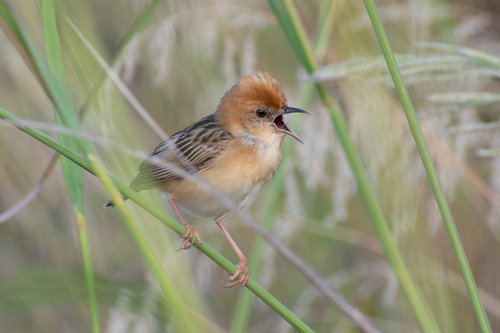
タイワンセッカ (Cisticola exilis) タイワンセッカ
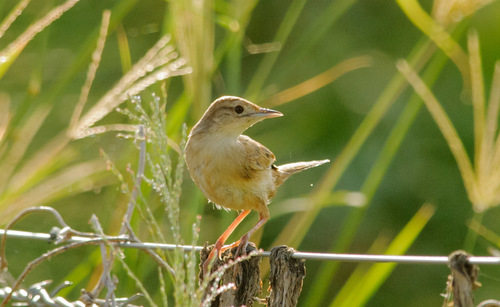
ズアカオオセッカ (Cincloramphus timoriensis) ズアカオオセッカ

メディア

読み込み中…

要点

最も信頼できるフィールドマークは尾の長さと形です:繁殖羽のタイワンセッカは明らかに短い尾を持ち、ズアカオオセッカは常に長く、垂れ下がった段階的な尾を示します。繁殖シーズン以外では、セッカはより長い尾を取り戻しますが、それでもズアカオオセッカの尾よりも短く、明らかに垂れ下がっているわけではありません。両種は上面に縞模様があり、下面は淡いですが、繁殖期のオスのタイワンセッカだけが豊かな金色またはオレンジ色の頭を示すことができ、ズアカオオセッカは赤褐色(濃い茶色)の帽子と赤褐色の尾羽を持っています。構造とサイズも重要です:ズアカオオセッカははるかに大きく、体重も重いです。飛んでいるときや止まっているときは、最も迅速に区別するために尾の長さと帽子の色に注目してください。

識別のコツ

  1. 尾の長さと形: 繁殖期には、タイワンセッカのオスは非常に短い尾を持っています;繁殖以外では、彼らの尾は長くなりますが、ズアカオオセッカの尾よりも短く、明らかに垂れ下がっているわけではありません。ズアカオオセッカは常に長く、垂れ下がった段階的な尾を示します—これは年間を通じて最も一貫したフィールドマークです。
  2. 帽子の色: 繁殖期のオスのセッカは、草原の鳥の中でユニークな明るい金色のオレンジ色の頭を持っています。ズアカオオセッカは豊かな赤褐色(茶色)の帽子を持ち、金色ではなく、これはすべての年齢と性別に存在します。
  3. 体のサイズと構造: タイワンセッカは小さくて繊細で、細いくちばしを持っています。ズアカオオセッカははるかに大きく、ずっしりとしており、明らかに太く、長いくちばしを持っています。
  4. 上面の縞模様: 両種は上面に縞模様がありますが、セッカの縞模様は茶色の背景に黒または濃い茶色で、ズアカオオセッカの縞模様はより拡散しており、対照が少ないです。
  5. 下面: 両者は淡い下面を持っていますが、セッカの下面はクリーム色で、ズアカオオセッカの下面は縞模様がなく、より淡く、時にはほぼ白に見えます。
  6. 赤褐色の尾と翼の縁: ズアカオオセッカは赤褐色の尾と翼の羽毛の縁を示し、特に飛んでいるときや羽繕いをしているときに目立ちます。セッカは繁殖期のオスの頭以外ではこれらの赤褐色の色合いを欠いています。
  7. くちばしの形: ズアカオオセッカのくちばしは太く、長いです。特に両種が並んで見られたり、良い横顔のビューで見られたりすると、顕著です。
  8. ディスプレイ行動: セッカのオスは、歌を伴った垂直で螺旋状のディスプレイ飛行を行い、しばしば立てた冠を持っています。ズアカオオセッカのオスは、止まり木から歌ったり、あまり elaborate なディスプレイ飛行を行ったりします。
  9. 声: セッカからの鋭い昆虫のような呼び声("teewip", "wheezz, whit-whit")と、ズアカオオセッカのゴロゴロした爆発的なトリルを聞き分けてください。
  10. 生息地の文脈: 非常に高く、密な湿った草や葦の茂みでは、ズアカオオセッカの方が可能性が高いです。短く、パッチ状または乾燥した草では、セッカの方が期待されます。
  11. 幼鳥の混乱: 幼いセッカはより淡いですが、その他は成鳥と似ています;どちらの種にもユニークな幼鳥のマークは記載されていないため、構造と尾の長さを使用してください。
  12. 止まっているときと飛んでいるとき: 飛んでいるとき、ズアカオオセッカの長い尾は明らかで、しばしば垂れ下がります;セッカの尾は繁殖期のオスでは短く、四角い先端を持ち、繁殖期以外ではそうではありません。
  13. 季節の変化: 繁殖期に劇的に変化するのはセッカのオスだけで、金色の頭と短い尾を持っています。ズアカオオセッカは強い季節変化を示しません。
  14. 冠のディスプレイ: セッカは歌っているときに冠を見せることがありますが、ズアカオオセッカはそうではありません。
  15. 落とし穴: 非繁殖期のセッカとズアカオオセッカは、悪い光や距離で似て見えることがあります—常に尾の長さ、帽子の色、全体のサイズを確認してから判断してください。

大きさ

タイワンセッカは小さな鳥で、約9〜11.5 cmの長さで、約8.5 gの重さです [wikidata]。対照的に、ズアカオオセッカはかなり大きく、重い(13〜25 g [wikipedia])、体が長く、特に長く垂れ下がった尾を持っています。ズアカオオセッカのくちばしも頭のサイズに対して太く、長いです。両者が一緒に見られると、セッカはほぼ半分のサイズに見え、より繊細な体つきをしています。

羽色

行動

タイワンセッカのオスは繁殖期に elaborate なディスプレイ飛行を行います:彼らは垂直に上昇し、螺旋状に上がり、歌いながら円を描き、そして急降下します。これらのディスプレイはしばしば繰り返され、声を伴います。ズアカオオセッカのオスも露出した止まり木から歌ったり、ディスプレイ飛行を行ったりしますが、彼らの飛行はあまりアクロバティックではなく、領土を宣伝することに重点を置いています。両種は草原で活発ですが、セッカは草の中で低く見られる可能性が高く、短くひらひらした飛行をすることが多いのに対し、ズアカオオセッカはしばしば高く止まり、より意図的で、あまり不規則でない動きで移動します。

生息環境

両種は草原や葦の生息地に見られ、オーストラリアや東南アジアで範囲が重なることがよくあります。しかし、ズアカオオセッカは高く密な草や葦の生息地により強く関連しており、しばしば湿った、繁茂した植生に見られます。タイワンセッカはより柔軟で、短い草、エッジ、さらには乾燥したりより開けたパッチを利用します。生息地が非常に湿っていて、高く、密な場合は、ズアカオオセッカの方が可能性が高いです;短く、パッチ状または乾燥した草では、セッカの方が期待されます。

声

タイワンセッカは、鋭い"teewip"音や"wheezz, whit-whit"の一連の独特な呼び声を多様に発します。これらはしばしばディスプレイ飛行中に発せられます。歌っているとき、オスは冠を立てることがあります。ズアカオオセッカは、大きくて不機嫌なゴロゴロした呼び声と、繰り返される"tick-tick-tick-tick"で始まり、爆発的で下降するトリルで終わる長い歌を生成します。ズアカオオセッカの歌はより複雑で音楽的であり、セッカの歌はよりシンプルで昆虫のようです。

より良い説明を送る

比較と同じ項目を使ってください。文章はすぐに公開されます。

The most reliable field mark is the tail length and shape: Golden-headed Cisticola in breeding plumage has a noticeably short tail, while Tawny Grassbird always shows a long, drooping, graduated tail. Outside the breeding season, cisticolas regain a longer tail, but it is still shorter and less obviously drooped than the grassbird’s. Both species are streaked above and pale below, but only the cisticola can show a rich golden or orange head in breeding males, while Tawny Grassbird has a rufous (rich brown) cap and rufous rump. Structure and size are also key: Tawny Grassbird is much larger and heavier-bodied. In flight or perched, focus on tail length and cap color for the quickest separation.

  1. Tail length and shape: In breeding season, Golden-headed Cisticola males have a very short tail; outside breeding, their tail is longer but still shorter and less obviously drooping than Tawny Grassbird’s. Tawny Grassbird always shows a long, drooping, graduated tail—this is the most consistent field mark year-round.
  2. Cap color: Breeding male cisticolas have a bright golden-orange head, unique among grassland birds. Tawny Grassbird has a rich rufous (brown) cap, not golden, and this is present in all ages and sexes.
  3. Body size and structure: Golden-headed Cisticola is tiny and delicate, with a fine bill. Tawny Grassbird is much larger, bulkier, and has a noticeably stouter, longer bill.
  4. Upperparts streaking: Both species are streaked above, but the cisticola’s streaks are black or dark brown on a brown background, while the grassbird’s are more diffuse and less contrasting.
  5. Underparts: Both have pale underparts, but the cisticola’s are cream, and the grassbird’s are unstreaked and paler, sometimes almost white.
  6. Rufous rump and wing fringes: Tawny Grassbird shows a rufous rump and rufous fringes to the flight feathers, especially visible in flight or when preening. Cisticola lacks these rufous tones except on the head in breeding males.
  7. Bill shape: The grassbird’s bill is stouter and longer, especially noticeable if both species are seen side-by-side or in good profile views.
  8. Display behavior: Cisticola males perform vertical, spiraling display flights with song, often with a raised crest. Grassbird males sing from perches or in less elaborate display flights.
  9. Voice: Listen for sharp, insect-like calls from cisticola ("teewip", "wheezz, whit-whit") versus the grassbird’s churring and explosive trills.
  10. Habitat context: In very tall, dense, wet grass or reedbeds, Tawny Grassbird is more likely. In shorter, patchier, or drier grass, cisticola is more expected.
  11. Juvenile confusion: Juvenile cisticolas are paler but otherwise similar to adults; no unique juvenile marks are described for either species, so use structure and tail length.
  12. Perched vs in flight: In flight, the grassbird’s long tail is obvious and often droops; cisticola’s tail is short and square-tipped in breeding males, less so outside breeding.
  13. Seasonal change: Only the cisticola male changes dramatically in breeding season, with a golden head and short tail. Grassbird does not show strong seasonal changes.
  14. Crest display: Cisticola may show a crest when singing; grassbird does not.
  15. Pitfalls: Non-breeding cisticolas and grassbirds can look similar in poor light or at a distance—always check tail length, cap color, and overall size before making a call.

Golden-headed Cisticola is a tiny bird, around 9–11.5 cm long and weighing about 8.5 g [wikidata]. In contrast, Tawny Grassbird is substantially larger and heavier (13–25 g per [wikipedia]), with a much longer body and especially a long, drooping tail. The grassbird’s bill is also stouter and longer relative to head size. If both are seen together, the cisticola looks almost half the size, with a more delicate build.

  • Juveniles and non-breeding birds: Both species are streaked above and pale below, but Golden-headed Cisticola juveniles are paler overall and share the adult’s streaked brown upperparts and cream underparts. Tawny Grassbird juveniles resemble adults, with streaked upperparts, an unstreaked rufous cap, and unstreaked pale underparts.
  • Breeding male Golden-headed Cisticola: Shows a striking golden-orange head and body, a much shorter tail, and a dull chin. This golden wash is unique and never matched by Tawny Grassbird.
  • Tawny Grassbird (all ages/seasons): Always has a rich rufous (brown) cap, unstreaked underparts, obvious rufous fringes to the flight feathers, and a long, drooping, graduated tail. The rump is rufous, which can be visible in flight or when the tail is flicked.
  • Upperwing pattern: No distinctive juvenile/immature upperwing marks are described for either species, but the grassbird’s rufous fringes to the flight feathers can be a subtle in-flight clue.

Golden-headed Cisticola males perform elaborate display flights during breeding: they ascend vertically, spiral up, circle while singing, and then descend steeply. These displays are often repeated and are accompanied by vocalizations. Tawny Grassbird males also sing from exposed perches and in display flights, but their flight is less acrobatic and more about advertising territory. Both species are active in grassland, but the cisticola is more likely to be seen low in grass or making short, fluttery flights, while the grassbird often perches higher and moves with a more deliberate, less erratic jizz.

Both species are found in grassland and reedbed habitats, often overlapping in range in Australia and Southeast Asia. However, Tawny Grassbird is more strongly associated with tall, dense grass or reedbeds and is often found in wetter, ranker vegetation. Golden-headed Cisticola is more flexible, using shorter grass, edges, and even drier or more open patches. If the habitat is very wet, tall, and dense, Tawny Grassbird is more likely; in shorter, patchier, or drier grass, cisticola is more expected.

Golden-headed Cisticola gives a variety of distinctive calls, including sharp "teewip" notes and a "wheezz, whit-whit" series, often delivered during display flights. When singing, the male may raise a crest. Tawny Grassbird produces loud, grumpy churring calls and a longer song that starts with a repeated "tick-tick-tick-tick" and ends in an explosive, descending trill. The grassbird’s song is more complex and musical, while the cisticola’s is simpler and more insect-like.

変更を破棄しますか?

保存していない編集があります。今離れると失われます。

タイワンセッカ · ズアカオオセッカ · 苦手な鳥