

Motmot

キンイタダキアメリカムシクイ 対 ウグイスアメリカムシクイ

Basileuterus culicivorus 対 Myiothlypis flaveola

キンイタダキアメリカムシクイとウグイスアメリカムシクイのクイズ
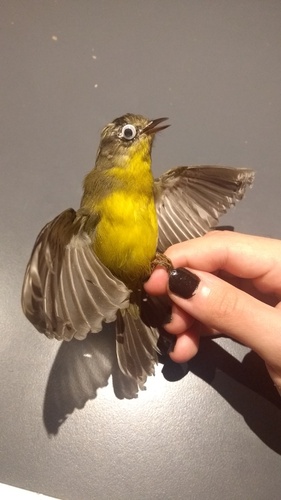
キンイタダキアメリカムシクイ (Basileuterus culicivorus) キンイタダキアメリカムシクイ
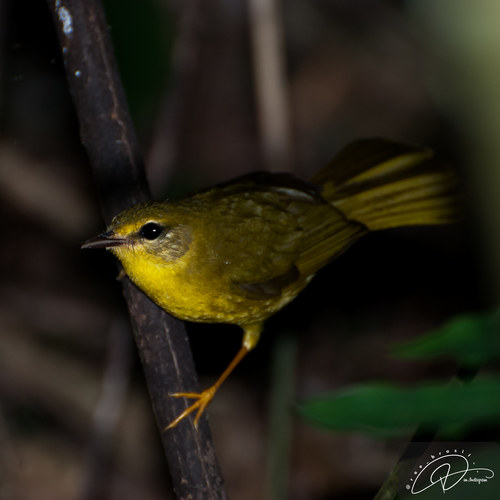
ウグイスアメリカムシクイ (Myiothlypis flaveola) ウグイスアメリカムシクイ

メディア

読み込み中…

要点

キンイタダキアメリカムシクイとウグイスアメリカムシクイの最も信頼できるフィールドマークは頭の模様です:キンイタダキアメリカムシクイは明確な黒い縁取りのある黄色(またはオレンジ-ルフス)の冠のストライプと強いスーペリシウムを示しますが、ウグイスアメリカムシクイは対照的なストライプのないオリーブグリーンの冠を持ち、黄色のスーペリシウムと黄色の頬を持っています。未成熟のキンイタダキアメリカムシクイは冠のストライプが欠けており、全体的に鈍い色合いで、混乱を招くことがありますが、それでもウグイスアメリカムシクイの全体的にオリーブ色の上面と黄色の顔は際立っています。手に取ったり良い視界で見ると、ウグイスアメリカムシクイは明らかに重くて長いです。両種は黄色の腹部を持っていますが、キンイタダキアメリカムシクイは一部の個体群で白い腹部を示すことがあります。構造と行動は大まかに似ていますが、頭の模様と体の大きさの微妙な違いが最良の手がかりです。

識別のコツ

  1. Head pattern is the best field mark in adults: キンイタダキアメリカムシクイは常に黒い縁取りのある黄色(またはオレンジ-ルフス、亜種によって異なる)冠のストライプと対照的なスーペリシウムを示します;ウグイスアメリカムシクイは冠のストライプがなく、代わりにオリーブグリーンの冠と黄色のスーペリシウム、黄色の頬を持っています。
  2. Immature Golden-crowned Warblers lack the crown stripe and are duller: これはウグイスアメリカムシクイとの混乱を引き起こす可能性がありますが、それでもウグイスアメリカムシクイはより均一にオリーブグリーンの冠を持ち、明確に黄色の頬と耳の覆いを持っていますが、未成熟のキンイタダキアメリカムシクイはより茶色く、黄色の顔が欠けています。
  3. Supercilium color and extent: キンイタダキアメリカムシクイのスーペリシウムは黄色または白で通常は明確に定義されていますが、ウグイスアメリカムシクイのスーペリシウムは黄色で、目の後ろでオリーブ-イエローにフェードし、あまり明確に縁取られていません。
  4. Cheek and face color: ウグイスアメリカムシクイは黄色の頬と目の下に黄色の三日月を持ち、顔がより均一に黄色に見えます。キンイタダキアメリカムシクイは灰色の頭を持ち、顔にはスーペリシウムを除いてあまり黄色がありません。
  5. Eyestripe: 両種は暗い/曇ったアイストライプを持っていますが、キンイタダキアメリカムシクイでは通常より明確に定義され、冠のストライプとスーペリシウムによって上部が縁取られています。
  6. Underparts color: 両種は黄色の腹部を持っていますが、一部のキンイタダキアメリカムシクイの個体群(特にヒポルエクス群)は白い腹部を持ち、これはウグイスアメリカムシクイには決して見られません。
  7. Upperparts: キンイタダキアメリカムシクイは上面が灰緑色ですが、ウグイスアメリカムシクイは冠、うなじ、背中、翼、尾にわたってより均一にオリーブグリーンです。
  8. Bill color: ウグイスアメリカムシクイのくちばしは黒っぽい(亜種によっては曇った色)ですが、キンイタダキアメリカムシクイのくちばしの色は指定されておらず、特に目立つとはされていません。
  9. Leg color: ウグイスアメリカムシクイはオレンジ-ピンクの脚と足を持ち、近くで見ると見えることがあります;キンイタダキアメリカムシクイの脚の色は指定されていません。
  10. Size and structure: ウグイスアメリカムシクイはキンイタダキアメリカムシクイ(約14.5 cm、13.1 g)よりも明らかに大きくて重い(約12–13.5 cm、9.7 g)ですが、これは両方が一緒に見られない限り微妙です。
  11. Sexes similar in both species: 分離に使用するための性的二形はありません。
  12. No distinctive wing panel or flight mark in either species: 飛行中の分離は翼の模様ではなく、頭と顔の模様に依存します。
  13. Subspecies variation in Golden-crowned: 白いスーペリシウムとオレンジ-ルフスの冠のストライプを持つ鳥(アウレオカピルス群)に出会った場合、これは依然としてキンイタダキアメリカムシクイです;ウグイスアメリカムシクイはどの色の冠のストライプも示しません。
  14. Ground-foraging behavior: ウグイスアメリカムシクイは地面を跳ね回り、葉をひっくり返す行動がより多く見られますが、これは独占的ではありません。
  15. Range overlap: 両種はブラジル、アルゼンチン、パラグアイの一部で一緒に見られることがあります;確実な同定には羽毛と構造を使用し、範囲ではなく使用してください。

大きさ

ウグイスアメリカムシクイは大きくて重い:長さ約14.5 cm、平均13.1 gで、キンイタダキアメリカムシクイの12.0–13.5 cmと9.7 gと比較されます。フィールドでは、ウグイスアメリカムシクイはしばしばより大きく、長い体に見え、わずかに重いくちばしを持っています。しかし、両方とも小さなムシクイであり、サイズだけでは直接比較がない限り、補助的なマークであり、主要なマークではありません。

羽色

行動

両種は昆虫食で、低い植生や地面で採餌します。ウグイスアメリカムシクイは地面での採餌行動が注目されており、くちばしで葉をひっくり返しながら跳ね回り、しばしば単独またはペアで見られ、混成種の群れに参加することは稀です。キンイタダキアメリカムシクイの行動はここでは詳細に説明されていませんが、採餌スタイルや群れの中で特にウグイスアメリカムシクイと異なるとはされていません。

生息環境

両種は南アメリカの重複する地域に生息していますが、キンイタダキアメリカムシクイの範囲はメキシコの北部まで広がっています。これらのノートでは、両種の生息地の好みは詳細に説明されていませんが、一般的に森林や低木のある地域で見られます。地域の豊富さや微生息地の好みは一部の地域で役立つかもしれませんが、提供された情報に基づいて診断的ではありません。

より良い説明を送る

比較と同じ項目を使ってください。文章はすぐに公開されます。

The most reliable field mark between Golden-crowned Warbler and Flavescent Warbler is the head pattern: Golden-crowned shows a distinct black-bordered yellow (or orange-rufous) crown stripe and a strong supercilium, while Flavescent Warbler has an olive-green crown without a contrasting stripe, but with a yellow supercilium and yellow cheeks. Immature Golden-crowned Warblers lack the crown stripe and are duller overall, which can lead to confusion, but even then, Flavescent Warbler’s all-olive upperparts and yellow face stand out. In the hand or with good views, Flavescent is noticeably heavier and longer. Both species have yellow underparts, but Golden-crowned can show white underparts in some populations. Structure and behavior are broadly similar, but subtle differences in head pattern and body bulk are your best clues.

  1. Head pattern is the best field mark in adults: Golden-crowned Warbler always shows a black-bordered yellow (or orange-rufous, depending on subspecies) crown stripe and a contrasting supercilium; Flavescent Warbler lacks any crown stripe and instead has an olive-green crown with a yellow supercilium and yellow cheeks.
  2. Immature Golden-crowned Warblers lack the crown stripe and are duller: This can cause confusion with Flavescent, but even then, Flavescent has a more uniformly olive-green crown and distinctly yellow cheeks and ear coverts, while immature Golden-crowned is browner and lacks the yellow face.
  3. Supercilium color and extent: Golden-crowned’s supercilium is yellow or white and usually sharply defined, while Flavescent’s is yellow, fading to olive-yellow behind the eye, and is less sharply bordered.
  4. Cheek and face color: Flavescent Warbler has yellow cheeks and a yellow crescent under the eye, giving the face a more uniformly yellow look. Golden-crowned has a grey head with less yellow on the face, except for the supercilium.
  5. Eyestripe: Both species have a dark/dusky eyestripe, but in Golden-crowned it is usually more sharply defined and bordered above by the crown stripe and supercilium.
  6. Underparts color: Both species are yellow-bellied, but some Golden-crowned Warbler populations (notably the hypoleucus group) have white underparts, which is never the case for Flavescent.
  7. Upperparts: Golden-crowned is grey-green above, while Flavescent is more uniformly olive-green across the crown, nape, back, wings, and tail.
  8. Bill color: Flavescent Warbler’s bill is blackish (dusky in some subspecies), while Golden-crowned’s bill color is not specified but is not noted as distinctive.
  9. Leg color: Flavescent Warbler has orange-pink legs and feet, which may be visible at close range; Golden-crowned’s leg color is not specified.
  10. Size and structure: Flavescent Warbler is noticeably larger and heavier (about 14.5 cm, 13.1 g) than Golden-crowned (12–13.5 cm, 9.7 g), but this is subtle unless both are seen together.
  11. Sexes similar in both species: No sexual dimorphism to use for separation.
  12. No distinctive wing panel or flight mark in either species: Separation in flight relies on head and face pattern, not wing pattern.
  13. Subspecies variation in Golden-crowned: If you encounter a bird with a white supercilium and orange-rufous crown stripe (aureocapillus group), this is still Golden-crowned; Flavescent never shows a crown stripe of any color.
  14. Ground-foraging behavior: Flavescent is more often seen hopping on the ground and turning over leaves, but this is not exclusive.
  15. Range overlap: Both can occur together in parts of Brazil, Argentina, and Paraguay; use plumage and structure, not range, for positive ID.

Flavescent Warbler is larger and heavier: about 14.5 cm in length and averaging 13.1 g, compared to Golden-crowned Warbler’s 12.0–13.5 cm and 9.7 g. In the field, Flavescent often appears bulkier and longer-bodied, with a slightly heavier bill. However, both are small warblers and size alone is a supporting, not primary, mark unless you have direct comparison.

  • Immature/juvenile Golden-crowned Warbler: Duller, browner, and lacks the adult’s crown stripe and supercilium, retaining only the eyestripe. This can make them resemble Flavescent, but they still lack the latter’s yellow cheeks and olive-green crown.
  • Adult Golden-crowned Warbler: Grey-green upperparts, bright yellow underparts (sometimes white in some populations), grey head with a black-bordered yellow or orange-rufous crown stripe, and a yellow or white supercilium. The black eyestripe is prominent. Subspecies variation can affect crown and underpart color, but the crown stripe is always present in adults.
  • Adult Flavescent Warbler: Olive-green crown (no crown stripe), yellow supercilium that fades to olive-yellow behind the eye, dusky eyestripe, yellow crescent under the eye, and yellow cheeks and ear coverts. The upperparts, wings, and tail are olive-green, and the underparts are yellow throughout. The face is overall more yellow and lacks the sharp contrast of Golden-crowned’s head pattern.
  • No distinctive upperwing or flight pattern differences are described for either species in any age.

Both species are insectivorous and forage in low vegetation or on the ground. Flavescent Warbler is noted for its ground-foraging behavior, hopping and turning over leaves with its bill, and is often seen singly or in pairs, rarely joining mixed-species flocks. Golden-crowned Warbler’s behavior is not described in detail here, but it is not noted as being especially distinctive from Flavescent in foraging style or flocking.

Both species occur in overlapping regions of South America, but Golden-crowned Warbler’s range extends farther north into Mexico. Habitat preferences are not described in detail for either species in these notes, but both are generally found in forested or shrubby areas. Local abundance and microhabitat preferences may help in some regions, but are not diagnostic based on the provided information.

変更を破棄しますか?

保存していない編集があります。今離れると失われます。

キンイタダキアメリカムシクイ · ウグイスアメリカムシクイ · 苦手な鳥