

Golden-crowned Warbler vs Flavescent Warbler
Basileuterus culicivorus contro Myiothlypis flaveola
Fai un quiz con Golden-crowned Warbler e Flavescent Warbler
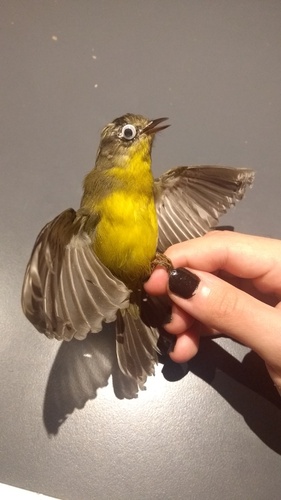 Golden-crowned Warbler
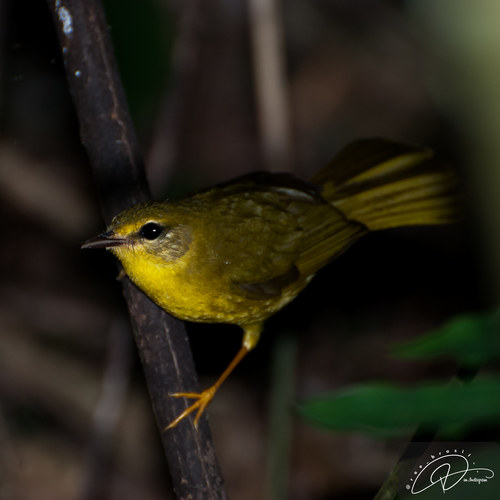 Flavescent Warbler
In breve
Il segno di campo più affidabile tra il Golden-crowned Warbler e il Flavescent Warbler è il motivo della testa: il Golden-crowned mostra una striscia di corona gialla (o arancio-rossiccia) bordata di nero e un forte supercilium, mentre il Flavescent Warbler ha una corona verde oliva senza una striscia a contrasto, ma con un supercilium giallo e guance gialle. I Golden-crowned Warblers immaturi mancano della striscia di corona e sono complessivamente più opachi, il che può portare a confusione, ma anche in quel caso, le parti superiori completamente olive del Flavescent Warbler e il viso giallo si distinguono. In mano o con buone visuali, il Flavescent è visibilmente più pesante e lungo. Entrambe le specie hanno parti inferiori gialle, ma il Golden-crowned può mostrare parti inferiori bianche in alcune popolazioni. La struttura e il comportamento sono ampiamente simili, ma sottili differenze nel motivo della testa e nella massa corporea sono i tuoi migliori indizi.
Consigli di identificazione
- Il motivo della testa è il miglior segno di campo negli adulti: Il Golden-crowned Warbler mostra sempre una striscia di corona gialla (o arancio-rossiccia, a seconda della sottospecie) bordata di nero e un supercilium a contrasto; il Flavescent Warbler non ha alcuna striscia di corona e ha invece una corona verde oliva con un supercilium giallo e guance gialle.
- I Golden-crowned Warblers immaturi mancano della striscia di corona e sono più opachi: Questo può causare confusione con il Flavescent, ma anche in quel caso, il Flavescent ha una corona più uniformemente verde oliva e guance e copritrici auricolari gialle, mentre il Golden-crowned immaturo è più marrone e manca del viso giallo.
- Colore e estensione del supercilium: Il supercilium del Golden-crowned è giallo o bianco e di solito è ben definito, mentre quello del Flavescent è giallo, sfumando in giallo-oliva dietro l'occhio, ed è meno nettamente bordato.
- Colore delle guance e del viso: Il Flavescent Warbler ha guance gialle e un crescente giallo sotto l'occhio, dando al viso un aspetto più uniformemente giallo. Il Golden-crowned ha una testa grigia con meno giallo sul viso, tranne che per il supercilium.
- Striscia oculare: Entrambe le specie hanno una striscia oculare scura/ombrosa, ma nel Golden-crowned è di solito più nettamente definita e bordata sopra dalla striscia di corona e dal supercilium.
- Colore delle parti inferiori: Entrambe le specie hanno il ventre giallo, ma alcune popolazioni di Golden-crowned Warbler (in particolare il gruppo hypoleucus) hanno parti inferiori bianche, il che non è mai il caso per il Flavescent.
- Parti superiori: Il Golden-crowned è grigio-verde sopra, mentre il Flavescent è più uniformemente verde oliva sulla corona, sul nape, sulla schiena, sulle ali e sulla coda.
- Colore del becco: Il becco del Flavescent Warbler è nerastro (ombroso in alcune sottospecie), mentre il colore del becco del Golden-crowned non è specificato ma non è notato come distintivo.
- Colore delle gambe: Il Flavescent Warbler ha gambe e piedi arancio-rosati, che possono essere visibili a distanza ravvicinata; il colore delle gambe del Golden-crowned non è specificato.
- Dimensioni e struttura: Il Flavescent Warbler è visibilmente più grande e pesante (circa 14,5 cm, 13,1 g) rispetto al Golden-crowned (12–13,5 cm, 9,7 g), ma questo è sottile a meno che entrambi non siano visti insieme.
- Sessi simili in entrambe le specie: Nessun dimorfismo sessuale da utilizzare per la separazione.
- Nessun pannello alare distintivo o segno di volo in entrambe le specie: La separazione in volo si basa sul motivo della testa e del viso, non sul motivo delle ali.
- Variazione delle sottospecie nel Golden-crowned: Se incontri un uccello con un supercilium bianco e una striscia di corona arancio-rossiccia (gruppo aureocapillus), questo è comunque un Golden-crowned; il Flavescent non mostra mai una striscia di corona di alcun colore.
- Comportamento di foraggiamento a terra: Il Flavescent è più spesso visto saltellare a terra e girare le foglie, ma questo non è esclusivo.
- Sovrapposizione dell'areale: Entrambi possono verificarsi insieme in parti del Brasile, Argentina e Paraguay; utilizza il piumaggio e la struttura, non l'areale, per un'identificazione positiva.
Taglia
Il Flavescent Warbler è più grande e pesante: circa 14,5 cm di lunghezza e una media di 13,1 g, rispetto ai 12,0–13,5 cm e 9,7 g del Golden-crowned Warbler. Sul campo, il Flavescent appare spesso più massiccio e con un corpo più lungo, con un becco leggermente più pesante. Tuttavia, entrambi sono piccoli warbler e la dimensione da sola è un segno di supporto, non primario, a meno che tu non abbia un confronto diretto.
Piumaggio
- Golden-crowned Warbler immaturo/giovanile: Più opaco, marrone e privo della striscia di corona e del supercilium dell'adulto, mantenendo solo la striscia oculare. Questo può farli somigliare al Flavescent, ma mancano ancora delle guance gialle e della corona verde oliva di quest'ultimo.
- Golden-crowned Warbler adulto: Parti superiori grigio-verdi, parti inferiori gialle brillanti (a volte bianche in alcune popolazioni), testa grigia con una striscia di corona gialla o arancio-rossiccia bordata di nero, e un supercilium giallo o bianco. La striscia oculare nera è prominente. La variazione delle sottospecie può influenzare il colore della corona e delle parti inferiori, ma la striscia di corona è sempre presente negli adulti.
- Flavescent Warbler adulto: Corona verde oliva (senza striscia di corona), supercilium giallo che sfuma in giallo-oliva dietro l'occhio, striscia oculare ombrosa, crescente giallo sotto l'occhio e guance e copritrici auricolari gialle. Le parti superiori, le ali e la coda sono verde oliva, e le parti inferiori sono gialle in tutto. Il viso è complessivamente più giallo e manca del forte contrasto del motivo della testa del Golden-crowned.
- **Nessuna differenza distintiva nel piumaggio superiore o nel motivo di volo è descritta per entrambe le specie in nessuna età.
Comportamento
Entrambe le specie sono insetti e foraggiano in vegetazione bassa o a terra. Il Flavescent Warbler è noto per il suo comportamento di foraggiamento a terra, saltellando e girando le foglie con il becco, ed è spesso visto singolarmente o in coppie, raramente unendosi a stormi di specie miste. Il comportamento del Golden-crowned Warbler non è descritto in dettaglio qui, ma non è notato come particolarmente distintivo rispetto al Flavescent nello stile di foraggiamento o nella formazione di stormi.
Habitat
Entrambe le specie si trovano in regioni sovrapposte del Sud America, ma l'areale del Golden-crowned Warbler si estende più a nord in Messico. Le preferenze di habitat non sono descritte in dettaglio per entrambe le specie in queste note, ma entrambe si trovano generalmente in aree boschive o cespugliose. L'abbondanza locale e le preferenze di microhabitat possono aiutare in alcune regioni, ma non sono diagnostiche in base alle informazioni fornite.
Golden-crowned Warbler · Flavescent Warbler · I miei uccelli difficili