

Motmot

ニワムシクイ 対 メジロムシクイ

Sylvia borin 対 Curruca hortensis

ニワムシクイとメジロムシクイのクイズ
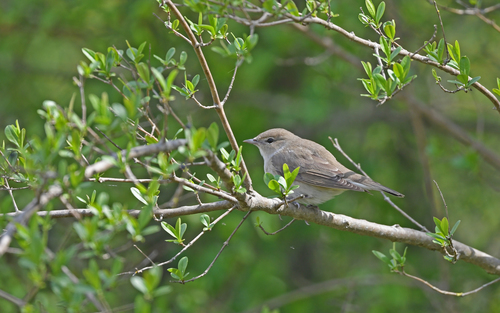
ニワムシクイ (Sylvia borin) ニワムシクイ
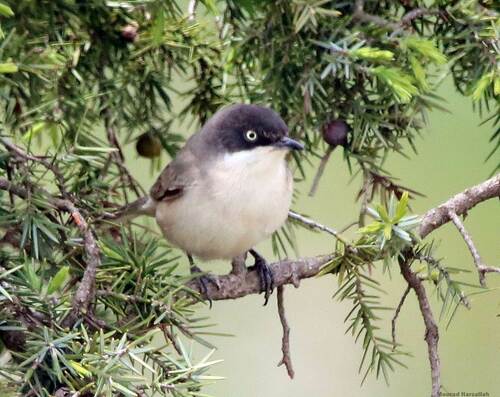
メジロムシクイ (Curruca hortensis) メジロムシクイ

メディア

読み込み中…

要点

ニワムシクイとメジロムシクイの最も信頼できるフィールドマークは、全体のサイズと頭のパターンです:メジロムシクイは明らかに大きく、より長く尖ったくちばしと、成鳥のオスにおいては目を引く頭のパターン(暗灰色の頭、黒いマスク、白い喉、淡い虹彩)を持っています。一方、ニワムシクイは小さく、顔が地味で、すべての年齢において強い顔のマーキングが欠けています。両種の幼鳥はより地味ですが、メジロムシクイは依然としてがっしりしており、より淡い頭と淡褐色の腹部を示すことがあります。飛んでいる時や止まっている時、ニワムシクイは常に地味で柔らかいトーンに見えますが、メジロムシクイは未熟な羽毛であっても、より長く重い構造を示し、しばしば対照的な喉を持っています。顔のパターンがなく、穏やかな表情の地味な茶色のムシクイを見たら、それはおそらくニワムシクイです;強いくちばしと(オスの場合)マスクのある大きな灰色の鳥はメジロムシクイです。

識別のコツ

  1. Size and structure: メジロムシクイはニワムシクイよりも明らかに大きく、がっしりしており、より長く重いくちばしと長い尾を持っています。この違いは、良い視界や直接の比較ができるときに利用してください。
  2. Head pattern (adults): オスのメジロムシクイは暗灰色の頭、黒い目のマスク、白い喉、白い虹彩を示し、地味な顔のニワムシクイとは非常に異なります。ニワムシクイはマスクや強いコントラストを持つことはありません。
  3. Bill shape: メジロムシクイのくちばしはより長く尖っており、重い頭の印象を与えます。ニワムシクイのくちばしは短く、より繊細です。
  4. Plumage (all ages): ニワムシクイは常に地味です:上面はオリーブブラウン、下面は鈍い白、わずかに淡いスーペリキュームとアイリングがあります。メジロムシクイ(未熟なものも含む)は上面がより灰色で、より淡いまたは淡褐色の頭としばしばより対照的な喉を持っています。
  5. Eye color: 成熟したオスのメジロムシクイは目を引く白い虹彩を持っています;ニワムシクイの目は常に暗いです。しかし、未熟なメジロムシクイは暗い目を持っているため、若い鳥では信頼できません。
  6. Facial markings: ニワムシクイはすべての年齢でマスクや強い顔のパターンを欠いています;メジロムシクイのオスは黒いマスクを持ち、雌や未熟なものでもいくつかのコントラストを示すことがあります。
  7. Underparts: ニワムシクイは鈍い白の下面を持ち、喉と側面に淡褐色の洗いがかかっています;メジロムシクイの雌や未熟なものは、より淡褐色の下面を持ち、時にはより白い喉を持っています。
  8. Upperparts: ニワムシクイはオリーブブラウンで地味です;メジロムシクイは灰色または灰褐色で、しばしばより冷たいトーンを持っています。
  9. Perched posture: メジロムシクイはしばしばより直立してオープンに止まり、そのサイズと頭のパターンを見せつけますが、ニワムシクイは密なカバーの中に隠れる可能性が高いです。
  10. Flight appearance: メジロムシクイは飛行中により長い翼と重い印象を与えます;ニワムシクイはコンパクトで、あまり頑丈ではありません。
  11. Habitat: 北部/中央ヨーロッパでは、ニワムシクイがはるかに多く見られます;メジロムシクイは南部/地中海の繁殖者です。範囲と生息地をサポートする手がかりとして利用してください。
  12. Song: ニワムシクイの歌は豊かでメロディックで、クロウタドリに似ています;メジロムシクイの歌は音楽的ではなく、より「リルー・リルー」と叱責するようなものです。両方をよく知っていない限り、注意して使用してください。
  13. Juvenile confusion: 両種の幼鳥はより地味ですが、ニワムシクイの幼鳥は依然として地味な顔と柔らかいトーンを持ち、メジロムシクイの幼鳥はより大きく、より淡い頭と淡褐色の腹部を持っています。
  14. No wingbars or strong upperwing patterns: どちらの種もすべての年齢で特異な翼のマーキングを示さないため、構造と顔に焦点を当ててください。
  15. Sexes similar in ニワムシクイ: ニワムシクイには性的二形性を期待しないでください;両性は似ています。メジロムシクイのオスは雌や未熟なものよりもはるかに大胆な頭を持っています。

大きさ

メジロムシクイは明らかに大きく、長さは15〜16 cm [wikipedia]で、ニワムシクイの14 cmと比較されます。メジロムシクイは、より長く尖ったくちばしと、より重く長い尾の外観を持つ、最も大きな典型的なムシクイの一つとしても説明されています。ニワムシクイはコンパクトで、より繊細な構造と短いくちばしを持っています。ここではメジロムシクイの体重データは直接利用できませんが、サイズの違いはフィールドで視覚的に明らかであり、特に両種が馴染みのある場合には顕著です。直接比較すると、メジロムシクイのサイズと体格は明確で、単独で見てもわかります。

羽色

両種の幼鳥と未熟な鳥は成鳥よりも地味ですが、重要な違いは残ります。ニワムシクイ(すべての年齢)は非常に地味です:上面はオリーブブラウン、下面は鈍い白、わずかに淡いスーペリキュームとアイリングがあり、強い顔のマーキングはありません。幼鳥は上面がより淡く灰色で、下面は淡褐色の洗いがありますが、顔のパターンは依然として欠けています。メジロムシクイの成鳥のオスは、地味な灰色の背中、白い下面、暗灰色の頭、黒い目のマスク、白い喉、目を引く白い虹彩を持っています。雌や未熟なものは鈍く、より淡い頭、淡褐色の下面、灰褐色の背中を持っていますが、これらでも喉にいくつかのコントラストやより重いくちばしを示すことがあります。メジロムシクイの虹彩は若い鳥では暗いので、目の色は未熟なものでは常に診断的ではありません。どちらの種もすべての年齢で翼帯や強い上翼パターンを示さないため、分離は全体の色合いと顔のパターンに依存します。要約すると:ニワムシクイは常に地味な顔と柔らかいトーンを持ち、メジロムシクイ(特にオス)はより大胆な頭を持ち、より大きく、未熟なものでもよりがっしりしていて繊細さが少ない傾向があります。

行動

両種は通常、密な植生の中に見られ、隠れることがありますが、メジロムシクイはしばしばより高く、オープンに止まり、その大きなサイズと重い構造にふさわしいです。ニワムシクイはより低く、密なカバーの中に留まる可能性が高いです。飛行中、メジロムシクイのサイズと長い翼と尾が明らかで、ニワムシクイはよりコンパクトで頑丈さが少ないように見えます。採餌行動は似ており、両方とも昆虫食ですが、メジロムシクイはより慎重で、より小さなニワムシクイよりも落ち着きがないように見えることがあります。

生息環境

ニワムシクイはヨーロッパのほとんどと西シベリアで繁殖し、密な低いカバーのあるオープンな森林を好み、名前にもかかわらず実際の庭ではめったに見られません。メジロムシクイは地中海の種で、オープンな落葉樹林で繁殖し、しばしば茂みや低木のある地域に生息し、北西アフリカにまで広がっています。両者はサハラ以南のアフリカで冬を越しますが、ニワムシクイは閉じた森林や木のないサヘルを避けます。重なり合う範囲では、生息地が役立ちます:ニワムシクイは北部および中央ヨーロッパでより多く見られ、メジロムシクイは南部の地中海地域に見られます。

声

ニワムシクイの歌は豊かでメロディックなさえずりで、クロウタドリに非常に似ており、混同しやすいです。メジロムシクイの歌は、一連のさえずりの「リルー・リルー」と叱責する音として説明されますが、ニワムシクイよりも音楽的ではなく、より突然です。呼び声はソースに詳しく記載されていないため、声はフルソングが聞かれない限り、サポートマークとしてのみ使用されます。

より良い説明を送る

比較と同じ項目を使ってください。文章はすぐに公開されます。

The most reliable field mark between Garden Warbler and Western Orphean Warbler is overall size and head pattern: Western Orphean Warbler is noticeably larger, with a longer, more pointed bill and a striking head pattern in adult males (dark grey head, black mask, white throat and pale iris), while Garden Warbler is smaller, plain-faced, and lacks any strong facial markings at all ages. Juveniles of both are plainer, but the Orphean is still bulkier and may show a paler head and buff underparts. In flight or perched, Garden Warbler always appears plain and soft-toned, while Orphean Warbler—even in immature plumage—shows a longer, heavier structure and often a contrasting throat. If you see a plain, brownish warbler with no face pattern and a gentle expression, it's likely a Garden Warbler; a larger, greyish bird with a strong bill and (in males) a masked face is Western Orphean.

  1. Size and structure: Western Orphean Warbler is noticeably larger and bulkier than Garden Warbler, with a longer, heavier bill and longer tail. Use this difference whenever you have a good view or a direct comparison.
  2. Head pattern (adults): Male Orphean Warbler shows a dark grey head, black eye mask, white throat, and white iris—very different from the plain-faced Garden Warbler, which never has a mask or strong contrast.
  3. Bill shape: Orphean Warbler's bill is longer and more pointed, giving a heavier-headed look. Garden Warbler's bill is shorter and more delicate.
  4. Plumage (all ages): Garden Warbler is always plain: olive-brown above, dull white below, with only a faint pale supercilium and eyering. Orphean Warbler (even immatures) is greyer above, with a paler or buffy head and often a more contrasting throat.
  5. Eye color: Adult male Orphean Warbler has a striking white iris; Garden Warbler's eye is always dark. However, immature Orphean Warblers have dark eyes, so this is not reliable in young birds.
  6. Facial markings: Garden Warbler lacks any mask or strong facial pattern at all ages; Orphean Warbler males have a black mask, and even females/immatures may show some contrast.
  7. Underparts: Garden Warbler is dull white below with a buff wash to throat and flanks; Orphean Warbler females/immatures are buffier below, sometimes with a whiter throat.
  8. Upperparts: Garden Warbler is olive-brown and plain; Orphean Warbler is greyish or grey-brown, often with a colder tone.
  9. Perched posture: Orphean Warbler often perches more upright and openly, showing off its size and head pattern, while Garden Warbler is more likely to skulk in dense cover.
  10. Flight appearance: Orphean Warbler looks longer-winged and heavier in flight; Garden Warbler is compact and less robust.
  11. Habitat: In northern/central Europe, Garden Warbler is much more likely; Orphean Warbler is a southern/Mediterranean breeder. Use range and habitat as a supporting clue.
  12. Song: Garden Warbler's song is rich and melodic, similar to Blackcap; Orphean Warbler's is less musical, more 'liroo-liroo' and scolding. Use with caution unless you know both well.
  13. Juvenile confusion: Both species' juveniles are plainer, but Garden Warbler juveniles are still plain-faced and soft-toned, while Orphean Warbler juveniles are larger, with a paler head and buffier underparts.
  14. No wingbars or strong upperwing patterns: Neither species shows distinctive wing markings in any age, so focus on structure and face.
  15. Sexes similar in Garden Warbler: Do not expect any sexual dimorphism in Garden Warbler; both sexes are alike. Orphean Warbler males are much bolder-headed than females or immatures.

Western Orphean Warbler is distinctly larger: 15–16 cm in length [wikipedia], compared to Garden Warbler's 14 cm. The Orphean is also described as one of the largest typical warblers, with a longer, more pointed bill and a heavier, longer-tailed appearance. Garden Warbler is compact, with a more delicate structure and shorter bill. Weight data are not directly available for Orphean here, but the size difference is visually obvious in the field, especially if both species are familiar. In direct comparison, Orphean Warbler's size and bulk are clear, even if seen singly.

Juvenile and immature birds of both species are plainer than adults, but key differences remain. Garden Warbler (all ages) is very plain: olive-brown upperparts, dull white underparts, a faint pale supercilium, and a whitish eyering, with no strong facial markings. Juveniles are paler and greyer above, with a buff wash below, but still lack any face pattern. Western Orphean Warbler adult males have a plain grey back, white underparts, a dark grey head, black eye mask, white throat, and a striking white iris. Females and immatures are duller, with a paler head, buff underparts, and a greyish-brown back, but even these may show some contrast on the throat and a heavier bill. The Orphean's iris is dark in young birds, so eye color is not always diagnostic in immatures. Neither species shows wingbars or strong upperwing patterns in any age, so separation relies on overall coloration and face pattern. In summary: Garden Warbler is always plain-faced and soft-toned, while Orphean Warbler (especially males) is bolder-headed and larger, and even immatures tend to look bulkier and less delicate.

Both species are typically found in dense vegetation and can be skulking, but Western Orphean Warbler often perches higher and more openly, befitting its larger size and heavier structure. Garden Warbler is more likely to stay low and within dense cover. In flight, Orphean Warbler's size and longer wings and tail are apparent, while Garden Warbler appears more compact and less robust. Foraging behavior is similar, with both being insectivorous, but Orphean may appear more deliberate and less restless than the smaller Garden Warbler.

Garden Warbler breeds across most of Europe and western Siberia, preferring open woodland with dense low cover, and is rarely found in actual gardens despite its name. Western Orphean Warbler is a Mediterranean species, breeding in open deciduous woodland, often in bushy or scrubby areas, and extending into northwest Africa. Both winter in sub-Saharan Africa, but Garden Warbler avoids closed forest and treeless Sahel. In overlapping range, habitat can help: Garden Warbler is more likely in northern and central Europe, Orphean Warbler in southern, Mediterranean regions.

Garden Warbler's song is a rich, melodic warble, very similar to Blackcap, and can be confusingly alike. Western Orphean Warbler's song is described as a series of warbling 'liroo-liroo' and scolding notes, but is less musical and more abrupt than Garden Warbler. Calls are not detailed in the sources, so voice is only a supporting mark unless the full song is heard.

変更を破棄しますか?

保存していない編集があります。今離れると失われます。

ニワムシクイ · メジロムシクイ · 苦手な鳥