

Motmot

オカヨシガモ 対 オナガガモ

Mareca strepera 対 Anas acuta

オカヨシガモとオナガガモのクイズ
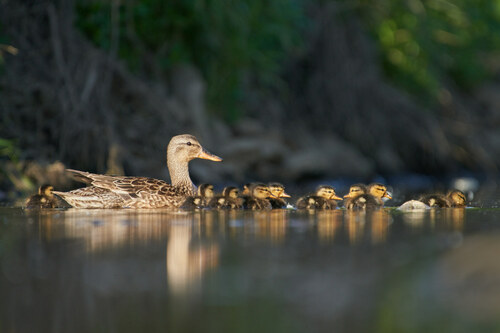
オカヨシガモ (Mareca strepera) オカヨシガモ
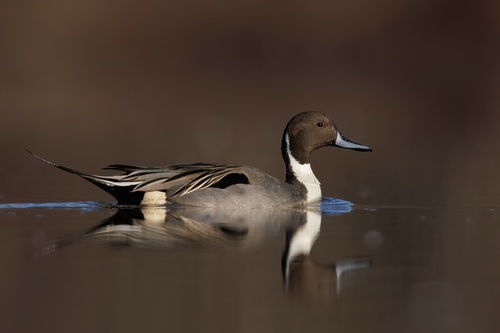
オナガガモ (Anas acuta) オナガガモ

メディア

読み込み中…

要点

オカヨシガモとオナガガモを区別する最も信頼できる方法は、飛行中の翼と尾のパターンによるものです:すべての年齢のオカヨシガモは明るい白いスペキュラム(翼のパッチ)を示し、オナガガモは白い後縁を持つ暗いスペキュラムを持ち、成鳥のオスは長く尖った尾を持っています。幼鳥と雌のオナガガモは長い尾を欠いていますが、依然として独特の翼のパターンを示します。構造も重要です:オナガガモはより細身で、首が長く(オスの場合)、明らかに長く尖った尾を持っています。水中では、オカヨシガモのオスは黒い後部と白い腹を持つ無地の灰色であり、オナガガモのオスはチョコレートブラウンの頭と目を引く白い首のストライプを持っています。両方の雌は似て見えることがありますが、オカヨシガモの雌は暗いオレンジの縁のあるくちばしを持ち、常に白いスペキュラムを示します。声と行動も追加の手がかりを提供しますが、翼のパターンと形状がフィールドで最も信頼できるものです。

識別のコツ

  1. 飛行中または休息中の白いスペキュラム(翼のパッチ): すべての年齢と性別のオカヨシガモは、特にオスの場合、栗色の縁取りのある明るい白いスペキュラムを示し、休息中でも飛行中でも見えます。オナガガモは決して白いスペキュラムを示さず、代わりに暗いスペキュラムに強い白い後縁(特に雌と幼鳥の場合)を探し、オスの場合は淡いルフスの先端を探します。これは、飛行中または翼を広げた鳥の最も信頼できる印です。
  2. 尾の形と長さ: オスのオナガガモは非常に長く尖った中央の尾羽(最大10 cm)を持ち、すべての羽色で鋭くピンのような外観を与えます。オカヨシガモの尾は短く丸いです。雌と幼鳥のオナガガモは長い尾を欠いていますが、オカヨシガモよりも尖った尾を持っています。
  3. 首の長さと姿勢: オナガガモは明らかにより細身で長い首を持ち、しばしば首を伸ばして前傾姿勢で泳ぎます。オカヨシガモはよりコンパクトで、短い首とより水平で平坦な泳ぎの姿勢を持っています。
  4. くちばしの色と形: オカヨシガモの雌はオレンジの縁のある暗いくちばしを持ち、オナガガモの雌は長い青灰色のくちばしを持っています。オカヨシガモのオスのくちばしは無地の暗色です。くちばしの色は特に雌とエクリプスのオスに役立ちます。
  5. オスの繁殖羽色: オカヨシガモのオスは黒い後部と白い腹を持つ灰色で、頭の模様はありません。オナガガモのオスはチョコレートブラウンの頭、白い首のストライプ、長い尾を持っています。白い首のストライプや長い尾が見えたら、それはオナガガモです。
  6. 雌/幼鳥の体のパターン: 両種の雌はまだらな茶色ですが、オカヨシガモの雌は通常より淡く、より均一な顔と白い腹を持っています。オナガガモの雌はより均一な灰色の茶色の頭とより尖った尾を持っています。
  7. エクリプス(非繁殖)オス: 両者は鈍くなり、より雌のようになりますが、オカヨシガモのオスは上部がより灰色で白いスペキュラムを保持し、オナガガモのオスは長い尾とオスの翼のパターンを保持します。
  8. 飛行の特徴: オナガガモは飛行中により細身で、長い首と尾を持ち、わずかに後ろに傾いた翼を持っています。オカヨシガモはずんぐりした体型で、短い首と尾を持ち、より典型的なカモの飛行プロファイルを持っています。
  9. 声: 聞こえた場合、オカヨシガモの雌は高音のクワックを出し、オナガガモの雌は粗いクワックを出します。オカヨシガモのオスは短いグラントまたはホイッスルを出し、オナガガモのオスはフルートのようなホイッスルを出します。
  10. 生息地: 両者は一緒に発生することがありますが、オカヨシガモは密な植生のある湿地を好み、オナガガモはより開けた湿地や大きな湖にいる可能性が高いです。診断にはならないが、文脈で役立つかもしれません。
  11. 群れのサイズと行動: オナガガモは特に移動中により大きく、より活発な群れにいることが多いです。オカヨシガモは小さなグループを形成し、繁殖シーズン外ではあまり群れません。
  12. 餌の取り方: オカヨシガモは潜水したり、クーツから盗んだりすることがありますが、オナガガモは主に水面で餌を取ります。行動は注意深く観察すれば役立つかもしれません。
  13. サイズ: オナガガモは一般的に大きく、より細長いですが、重なりがあります;直接比較のみに使用してください。
  14. 幼鳥の混乱: 幼鳥のオナガガモはあまりきれいにスカロップされておらず、鈍い茶色のスペキュラムを持ち、後縁が狭くなっていますが、オカヨシガモの幼鳥のように白いスペキュラムは決して示しません。若い鳥の飛行中の翼のパッチを常に確認してください。
  15. 疑わしい場合: 特に飛行中または鳥が羽を整えたり伸ばしたりしているときは、翼のパターン(スペキュラムの色と境界)と尾の形/長さを優先してください。

大きさ

オナガガモは一般的にオカヨシガモよりも大きく、より細長い体型を持ち、成鳥の平均体重は約945.5 gです [wikidata]。オナガガモは首が長く、オスの場合は非常に長く尖った尾を持っています。オカヨシガモはよりコンパクトで、短い首と尾を持っています。直接比較すると、オナガガモはより優雅でスリムに見え、オカヨシガモはずんぐりしていて細長く見えます。

羽色

行動

両種は水面を泳ぐカモですが、オカヨシガモは繁殖シーズン外ではあまり群れず、小さな群れを形成する傾向があります。オナガガモは特に移動中により大きなグループで見られる可能性が高いです。オカヨシガモはしばしば水面で餌を取ったり、潜水したりし、時にはクーツから盗んだりしますが、オナガガモは主に水面で餌を取ります。飛行中、オナガガモは速く直接的で、わずかに後ろに傾いた翼を持ち、オカヨシガモの飛行はより典型的な水面を泳ぐカモのもので、首と尾の伸びがあまり目立ちません。

生息環境

両種は開けた湿地、湖、湿原を利用しますが、オカヨシガモは密な縁取りのある植生のある地域を好み、非常に開けた水域では見られにくいです。オナガガモはより広範囲に分布し、より広い範囲の開けた湿地、特に大きな湖や移動中の沿岸地域で見られることがあります。生息地の重なりは一般的で、文脈だけでは診断にはなりません。

声

オカヨシガモは一般的に静かで、雌は高音のクワック(gag-ag-ag-ag)を出し、オスは短いグラント(mep)またはホイッスルを出します、特に求愛中に。オナガガモの雌は粗いクワックを出し、オスはフルートのようなホイッスルを出します。混合群れでは声が役立つことがありますが、主なフィールドマークになることはほとんどありません。

より良い説明を送る

比較と同じ項目を使ってください。文章はすぐに公開されます。

The most reliable way to separate Gadwall from Northern Pintail is by their wing and tail patterns in flight: Gadwall of all ages shows a bright white speculum (wing patch), while Northern Pintail has a dark speculum with a white trailing edge, and adult males have a long, pointed tail. Juvenile and female pintails lack the long tail but still show the distinctive wing pattern. Structure is also key: pintails are more slender, with longer necks and (in males) a noticeably longer, pointed tail. On the water, Gadwall males are plain gray with a black rear and white belly, while male pintails have a chocolate-brown head and striking white neck stripe. Females of both can look similar, but Gadwall females have a darker, orange-edged bill and always show a white speculum. Voice and behavior offer additional clues, but wing pattern and shape are the most reliable in the field.

  1. White speculum (wing patch) in flight or at rest: Gadwall of all ages and sexes shows a bright white speculum bordered by chestnut (especially in males), visible both at rest and in flight. Northern Pintail never shows a white speculum; instead, look for a dark speculum with a strong white trailing edge (especially in females and juveniles), and in males, a pale rufous leading edge. This is the most reliable mark for birds in flight or with wings spread.
  2. Tail shape and length: Male Northern Pintail has extremely long, pointed central tail feathers (up to 10 cm), giving a sharp, pin-like look in all plumages. Gadwall tail is short and rounded. Female and juvenile pintails lack the long tail, but still have a more pointed tail than Gadwall.
  3. Neck length and posture: Pintails are noticeably more slender and long-necked, often holding their necks outstretched and swimming with a forward-leaning posture. Gadwall is more compact, with a shorter neck and a more horizontal, level swimming position.
  4. Bill color and shape: Gadwall females have a dark bill with orange edges, while female pintails have a longer, blue-grey bill. Male Gadwall bills are plain dark. Bill color is especially useful for females and eclipse males.
  5. Male breeding plumage: Gadwall drake is gray with a black rear and white belly, lacking any head pattern. Pintail drake is striking with a chocolate-brown head, white neck stripe, and long tail. If you see a white neck stripe or a long tail, it's a pintail.
  6. Female/juvenile body pattern: Both species' females are mottled brown, but Gadwall females are usually paler with a more uniform face and a white belly. Pintail females have a more uniform grey-brown head and a more pointed tail.
  7. Eclipse (non-breeding) males: Both become duller and more female-like, but Gadwall males remain greyer above and keep the white speculum; pintail males keep the long tail and male wing pattern.
  8. Flight jizz: Pintails are more slender in flight, with longer necks and tails, and slightly swept-back wings. Gadwall is chunkier with a shorter neck and tail, and more typical duck flight profile.
  9. Voice: If heard, Gadwall females give a higher-pitched quack, pintail females a rougher quack. Gadwall males give a short grunt or whistle, pintail males a flute-like whistle.
  10. Habitat: Both can occur together, but Gadwall prefers marshes with dense vegetation, while pintail is more likely in open wetlands and larger lakes. Not diagnostic, but may help in context.
  11. Flock size and behavior: Pintails are often in larger, more active flocks, especially on migration. Gadwall tends to form smaller groups and is less gregarious outside breeding season.
  12. Feeding: Gadwall may dive or steal from coots, while pintail mostly dabbles and grazes. Behavior may help if observed closely.
  13. Size: Pintail is generally larger and more elongated, but overlap exists; use only with direct comparison.
  14. Juvenile confusion: Juvenile pintails are less neatly scalloped and have a duller brown speculum with a narrower trailing edge, but never show a white speculum like Gadwall juveniles. Always check the wing patch in flight for young birds.
  15. When in doubt: Prioritize the wing pattern (speculum color and borders) and tail shape/length, especially in flight or when birds are preening or stretching wings.

Northern Pintail is generally larger and more elongated than Gadwall, with a body mass averaging about 945.5 g for adults [wikidata]. Pintails have a longer neck and, in males, a much longer and pointed tail. Gadwall is more compact, with a shorter neck and tail. In direct comparison, pintails look more graceful and slim, while Gadwall appear chunkier and less elongated.

  • Juvenile and female plumage: Both species' juveniles and females are mottled brown, but Gadwall females and immatures always show a white speculum (the wing patch visible in flight and often at rest), while Northern Pintail females and juveniles have a dark brown speculum with a prominent white trailing edge. Pintail juveniles are less neatly scalloped than adults and have a duller brown speculum with a narrower trailing edge.
  • Adult male breeding plumage: Gadwall drakes are patterned gray with a black rear end and white belly, and always show a white speculum bordered by chestnut. Pintail drakes are unmistakable with a chocolate-brown head, white breast and neck stripe, gray sides, and very long central tail feathers. Their upperwing in flight shows a black speculum with a white trailing edge and pale rufous at the front.
  • Eclipse (non-breeding) males: Both species' males become duller and more female-like, but Gadwall males retain the white speculum and are generally greyer above, while Pintail males keep the male wing pattern and long shoulder feathers, and their long tail remains a clue.
  • Bill color: Gadwall females have a dark bill with orange edges; Pintail females have a long, blue-grey bill.

Both species are dabbling ducks, but Gadwall is less gregarious outside the breeding season and tends to form smaller flocks. Pintails are more likely to be seen in larger groups, especially during migration. Gadwall often feeds by dabbling or even diving for food, sometimes stealing from coots, while pintails feed more by dabbling and grazing. In flight, pintails are fast and direct with slightly swept-back wings, while Gadwall flight is more typical of dabbling ducks, with less pronounced neck and tail extension.

Both species use open wetlands, lakes, and marshes, but Gadwall favors areas with dense fringing vegetation and is less likely to be seen in very open water. Pintails are more widespread and can be found in a broader range of open wetlands, including larger lakes and even coastal areas during migration. Habitat overlap is common, so context alone is rarely diagnostic.

Gadwall is generally quieter, with females giving a higher-pitched quack (gag-ag-ag-ag) and males a short grunt (mep) or whistle, especially during courtship. Pintail females have a rough quack, while males give a flute-like whistle. In mixed flocks, voice may help, but is rarely the primary field mark.

変更を破棄しますか?

保存していない編集があります。今離れると失われます。

オカヨシガモ · オナガガモ · 苦手な鳥