

Motmot

ハイイロウミツバメ 対 アメリカクロウミツバメ

Hydrobates furcatus 対 Hydrobates melania

ハイイロウミツバメとアメリカクロウミツバメのクイズ
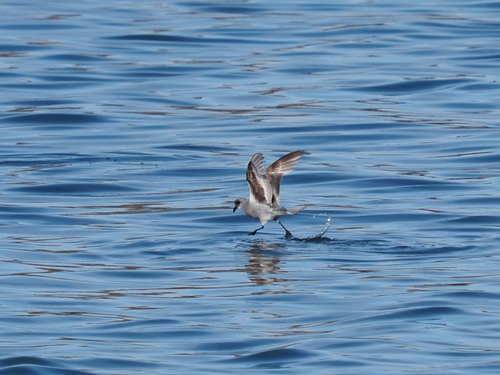
ハイイロウミツバメ (Hydrobates furcatus) ハイイロウミツバメ
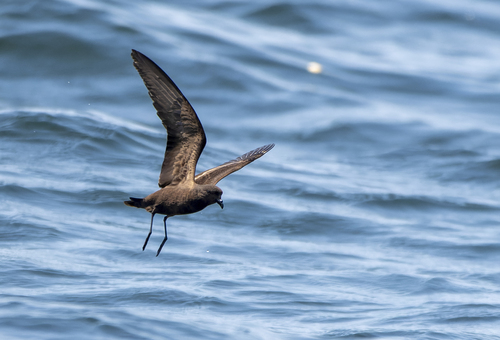
アメリカクロウミツバメ (Hydrobates melania) アメリカクロウミツバメ

メディア

読み込み中…

要点

フォークテイルウミツバメとアメリカクロウミツバメを区別する最も信頼できるフィールドマークは、全体の羽色です:フォークテイルはウミツバメの中で独特の青灰色であり、アメリカクロウミツバメははるかに暗く、すすけたまたは黒っぽい茶色に見えます。フォークテイルはまた、より淡い腹面と対照的な下翼を示しますが、アメリカクロウミツバメはより均一に暗いです。尾の形はあまり信頼できず、フォークテイルの「フォーク」はしばしば微妙で、特に幼鳥では常に見えるわけではありません。両種はサイズと構造が似ているため、特に飛行中は色とコントラストに注目してください。生息地の重複は可能ですが、フォークテイルはより北方で外洋性であり、アメリカクロウミツバメはより南方です。

識別のコツ

  1. Plumage color is key: フォークテイルウミツバメは北太平洋で唯一の青灰色のウミツバメであり、アメリカクロウミツバメは均一に暗い茶色から黒っぽいです。このマークはすべての年齢と季節で使用してください。
  2. Underparts contrast: フォークテイルはより淡い腹面と暗い下翼を示し、飛行中に目立つコントラストを生み出します。アメリカクロウミツバメは下も上も暗く、コントラストはほとんどありません。
  3. Tail shape is unreliable: 名前に反して、フォークテイルの「フォーク」はしばしば微妙で、特に幼鳥では常に見えるわけではありません。尾の形だけに頼らないでください。
  4. Head pattern: フォークテイルは暗い灰色の額と黒い耳の斑点を持っていますが、これらは微妙で、距離がある場合や光が悪い場合には見えないことがあります。
  5. Bill: 両種は小さな黒いくちばしを持っていますが、これは有用なフィールドマークではありません。
  6. Juvenile confusion: 幼鳥のフォークテイルは成鳥に似ていますが、尾の切れ込みがあまりはっきりしていません。アメリカクロウミツバメの幼鳥は成鳥と異なるとは記載されていないため、年齢は強い混乱要因ではありません。
  7. Structural similarity: 両者はサイズが似ており、アメリカクロウミツバメはわずかに重く、長いですが、これはフィールドでは明らかではありません。
  8. Flight style: 両種は水面近くで短くて硬い翼の拍動で飛びます。行動は信頼できる区別要因ではありません。
  9. Geographic context: フォークテイルはカリフォルニアの北部および遠洋で見られる可能性が高く、特にアラスカやベーリング海で見られます。アメリカクロウミツバメはより南方ですが、両者は太平洋沿岸で発生する可能性があります。
  10. Habitat overlap: 両種が可能な場所では、生息地ではなく羽色と下翼のコントラストに頼ってください。
  11. Voice: フォークテイルはほとんど静かで、主に繁殖コロニーで夜に鳴きます。アメリカクロウミツバメの鳴き声は記載されていません。コロニーから離れた場所での区別には声を使用しないでください。
  12. Sexes similar: 両種は羽色やサイズにおいて性差がほとんどありません。
  13. Lighting pitfalls: 光が悪いと、フォークテイルは暗く見えることがあり、南部のフォークテイルはやや薄暗く見えることがありますが、それでもアメリカクロウミツバメの均一な黒っぽいトーンは欠けています。
  14. At a distance: グレー(フォークテイル)対黒っぽい(アメリカクロウミツバメ)の全体的な印象を使用し、細かい詳細ではなくしてください。
  15. Colony context: 繁殖コロニーで観察された場合は、知られている範囲を確認してください—フォークテイルはアメリカクロウミツバメよりもはるかに北で繁殖します。

大きさ

両種は小型のウミツバメで、翼幅は似ています(フォークテイル:46 cm;アメリカクロウミツバメ:46–51 cm)。アメリカクロウミツバメはわずかに重く(61.5 g対54.0 g)およびわずかに長い(23 cm対20 cm)ですが、これらの違いは微妙で、フィールドではほとんど役に立ちません。構造と比率は大まかに似ているため、サイズに頼って区別するべきではありません。

羽色

すべての年齢のフォークテイルウミツバメは、北太平洋のウミツバメの中で全体的な青灰色の色合いで独特です。これは良い光の中で最も明らかで、淡い腹面と対照的な暗い下翼があります。額は暗い灰色で、黒い耳の斑点と小さな黒いくちばしがあります。幼鳥は成鳥に似ていますが、尾の切れ込みがあまりはっきりしないことがあり、「フォーク」があまり目立たなくなります。南部のフォークテイルの個体群は暗く見えることがありますが、それでも灰色がかった色合いを保持しています。対照的に、アメリカクロウミツバメは均一に暗い茶色から黒っぽく、青色や灰色のトーンは欠けています。その腹面と下翼も暗く、コントラストはほとんどありません。どちらの種にも特有の年齢別の上翼や尾のパターンは記載されていないため、全体的な色とコントラストに頼ってください。両性は両種で似ています。

行動

両種は水面近くで短くて硬い翼の拍動で餌を探します。フォークテイルウミツバメはしばしば船の後を追い、表面で餌を食べる姿が見られ、時には密集した群れで見られます。アメリカクロウミツバメの飛行スタイルは似ており、両者は浮遊しているように見えることがあります。行動の違いは微妙で、フィールドでの区別には信頼できません。

生息環境

フォークテイルウミツバメは北太平洋で広く豊富で、北カリフォルニアからアラスカ、北東アジアまで繁殖します。冬に最も北方に分布するウミツバメであり、非常に外洋性で、繁殖コロニーを除いてはしばしば陸から遠く離れています。アメリカクロウミツバメはより南方ですが、両者は太平洋沿岸で重複することがあります。フォークテイルは開けた海を好み、島で繁殖しますが、アメリカクロウミツバメの繁殖および餌場はより南方です。生息地は範囲が重複する場所では弱い診断的要素です。

声

フォークテイルウミツバメは一般的に海では静かで、主に繁殖コロニーで夜に鳴きます。主な鳴き声はざらざらした多音の「アナ-アナ-アナ」で、オスからは高音の単音があります。アメリカクロウミツバメの鳴き声は提供されたメモには記載されていないため、声は海での区別には信頼できるフィールドマークではありません。

より良い説明を送る

比較と同じ項目を使ってください。文章はすぐに公開されます。

The most reliable field mark to separate Fork-tailed Storm-Petrel from Black Storm-Petrel is overall plumage color: Fork-tailed is uniquely bluish-gray among storm-petrels, while Black is much darker, appearing sooty or blackish-brown. Fork-tailed also shows a paler underside and contrasting underwings, whereas Black Storm-Petrel is more uniformly dark. Tail shape is less reliable, as the 'fork' in Fork-tailed is often subtle and not always visible, especially in juveniles. Both species are similar in size and structure, so focus on color and contrast, especially in flight. Habitat overlap is possible, but Fork-tailed is more northerly and pelagic, while Black is more southern.

  1. Plumage color is key: Fork-tailed Storm-Petrel is the only bluish-gray storm-petrel in the North Pacific; Black Storm-Petrel is uniformly dark brown to blackish. Use this mark in all ages and seasons.
  2. Underparts contrast: Fork-tailed shows a paler underside with darker underwings, creating a noticeable contrast in flight. Black Storm-Petrel is dark below and above, with little contrast.
  3. Tail shape is unreliable: Despite its name, Fork-tailed's 'fork' is often subtle and not always visible, especially in juveniles. Do not rely on tail shape alone.
  4. Head pattern: Fork-tailed has a dark gray forehead and black ear patch, but these are subtle and may not be visible at distance or in poor light.
  5. Bill: Both species have small, black bills; this is not a useful field mark.
  6. Juvenile confusion: Juvenile Fork-taileds look like adults but with a less distinct tail notch. Black Storm-Petrel juveniles are not described as differing from adults, so age is not a strong confounding factor.
  7. Structural similarity: Both are similar in size, with Black Storm-Petrel slightly heavier and longer, but this is not apparent in the field.
  8. Flight style: Both species fly with short, stiff wingbeats close to the water. Behavior is not a reliable separator.
  9. Geographic context: Fork-tailed is more likely north of California and far offshore, especially in Alaska and the Bering Sea. Black Storm-Petrel is more southern, but both can occur off the Pacific coast.
  10. Habitat overlap: Where both species are possible, rely on plumage color and underwing contrast, not habitat.
  11. Voice: Fork-tailed is mostly silent at sea; Black Storm-Petrel's calls are not described. Do not use voice for separation away from colonies.
  12. Sexes similar: Both species show little to no sexual dimorphism in plumage or size.
  13. Lighting pitfalls: In poor light, Fork-tailed may appear darker, and southern Fork-taileds are somewhat duskier, but still lack the uniform blackish tone of Black Storm-Petrel.
  14. At a distance: Use overall impression of gray (Fork-tailed) versus blackish (Black) rather than fine details.
  15. Colony context: If observed at a breeding colony, check the known range—Fork-tailed breeds much farther north than Black Storm-Petrel.

Both species are small storm-petrels with similar wingspans (Fork-tailed: 46 cm; Black: 46–51 cm). Black Storm-Petrel is slightly heavier (61.5 g vs. 54.0 g) and marginally longer (23 cm vs. 20 cm), but these differences are subtle and rarely useful in the field. Structure and proportions are broadly similar, so size should not be relied upon for separation.

Fork-tailed Storm-Petrel of all ages is unique among North Pacific storm-petrels for its overall bluish-gray coloration. This is most obvious in good light, with a paler underside and contrasting darker underwings. The forehead is dark gray, with a black ear patch and small black bill. Juveniles resemble adults but may have a less distinct tail notch, making the 'fork' less apparent. Southern populations of Fork-tailed can appear darker, but still retain a grayish cast. Black Storm-Petrel, by contrast, is uniformly dark brown to blackish, lacking any bluish or gray tones. Its underparts and underwings are also dark, with little contrast. No distinctive age-specific upperwing or tail pattern is noted for either species, so rely on overall color and contrast. Both sexes are similar in both species.

Both species forage with short, stiff wingbeats close to the water surface, typical of storm-petrels. Fork-tailed Storm-Petrel is often seen following ships and feeding at the surface, sometimes in dense flocks. Black Storm-Petrel's flight style is similar, and both may appear buoyant and erratic. Behavioral differences are subtle and not reliable for field separation.

Fork-tailed Storm-Petrel is widespread and abundant in the northern Pacific, breeding from northern California through Alaska and northeast Asia. It is the most northerly distributed storm-petrel in winter and is highly pelagic, often far from land except at breeding colonies. Black Storm-Petrel is more southerly, but both can overlap off the Pacific coast. Fork-tailed prefers open ocean and breeds on islands, while Black Storm-Petrel's breeding and foraging ranges are more southern. Habitat is only weakly diagnostic where ranges overlap.

Fork-tailed Storm-Petrel is generally silent at sea, calling mainly at breeding colonies at night. Its main call is a raspy multi-note 'ana-ana-ana', with a higher-pitched single note from males. Black Storm-Petrel's vocalizations are not described in the provided notes, so voice is not a reliable field mark for separation at sea.

変更を破棄しますか?

保存していない編集があります。今離れると失われます。

ハイイロウミツバメ · アメリカクロウミツバメ · 苦手な鳥