

Motmot

アカアシミズナギドリ 対 オナガミズナギドリ

Ardenna carneipes 対 Ardenna pacifica

アカアシミズナギドリとオナガミズナギドリのクイズ
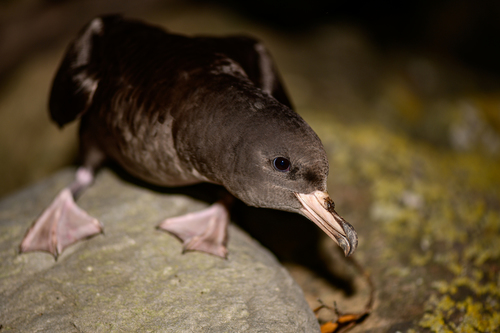
アカアシミズナギドリ (Ardenna carneipes) アカアシミズナギドリ
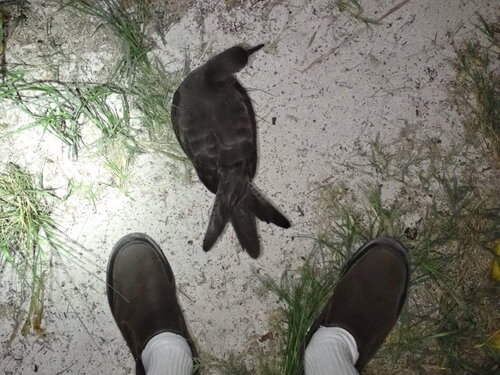
オナガミズナギドリ (Ardenna pacifica) オナガミズナギドリ

メディア

読み込み中…

要点

アカアシミズナギドリとオナガミズナギドリを区別する最も信頼できる方法は、くちばしと足の色です:アカアシミズナギドリは、明るい色のくちばしに明確な黒い先端と淡いピンク色の足を持ち、オナガミズナギドリは常に暗いくちばしとサーモンピンクの脚を示します。飛行中、両者は全体的に暗く見えることがありますが、オナガミズナギドリは暗い形態と明るい形態の両方があり、明るい形態は対照的に明るい腹部を示します。尾の形状も重要です:オナガミズナギドリは、滑空飛行中に明らかになる長いくさび形の尾を持ち、アカアシミズナギドリの尾は短く、尖っていません。サイズと構造は微妙に異なり、アカアシミズナギドリは体重が重く、ややがっしりとしています。これらの種はインド太平洋で広く重なっているため、これらのフィールドマークに注意を払うことが不可欠です。

識別のコツ

  1. Bill color: アカアシミズナギドリは常に明るい色のくちばしに明確な黒い先端を示し、オナガミズナギドリは均一に暗いくちばしを持っています。これは近距離での最も信頼できるフィールドマークです。
  2. Foot color: アカアシミズナギドリは淡いピンク色の足を持ち、飛行中に後ろに見えることがよくあります;オナガミズナギドリはサーモンピンクの脚を持っていますが、通常は後方に位置し、あまり目立ちません。
  3. Tail shape: オナガミズナギドリは、滑空飛行中や尾を広げたときに特に目立つ長いくさび形の尾を持っています。アカアシミズナギドリの尾は短く、より四角い形をしており、くさび形に見えることはほとんどありません。
  4. Plumage (dark morphs): 両種は均一に暗く見えることがありますが、アカアシミズナギドリだけがこれを淡いくちばしと足と組み合わせています。暗い形態のオナガミズナギドリは全体的な暗さが非常に似ていることがありますが、常に暗いくちばしを持っています。
  5. Plumage (pale morph Wedge-tailed): 明るい腹部と顔を持つミズナギドリを見た場合、それは明るい形態のオナガミズナギドリです;アカアシミズナギドリは下部がこれほど明るくなることはありません。
  6. Size and structure: アカアシミズナギドリは重く、がっしりしており、首が太く、胸が深いです。オナガミズナギドリはスリムで、特に尾と翼でより細長いです。これは微妙で、直接比較することで最もよく理解できます。
  7. Flight style: オナガミズナギドリはしばしばより浮遊感があり、尾を広げて滑空し、くさび形を強調します。アカアシミズナギドリは飛行中により安定しており、重い印象を与えます。
  8. Habitat and context: 両種はインド太平洋で一緒に発生するため、場所だけに頼らないでください。しかし、オナガミズナギドリは特に熱帯の水域で見られる可能性が高く、特に繁殖コロニーの近くで見られます。
  9. Voice: コロニーでは、オナガミズナギドリは非常に声が大きく、長いうめき声を発します。アカアシミズナギドリは一般的に静かです。
  10. Pitfalls (dark morph confusion): 暗い形態のオナガミズナギドリは主な混乱のリスクです;常にくちばしの色と尾の形を確認してください。距離があると、これらを判断するのは難しい場合があるため、複数の特徴を使用する必要があります。
  11. Pitfalls (pale morph confusion): 明るい形態のオナガミズナギドリは独特で、アカアシミズナギドリと混同すべきではありません。アカアシミズナギドリは下部が明るくなることはありません。
  12. No age-specific wing pattern: 両種は区別に役立つ特異な幼鳥や未熟な上翼のマークを示さないため、裸の部分と全体の構造に焦点を当ててください。
  13. Bare part visibility: 光が悪い場合や距離がある場合、くちばしと足の色は見えにくいことがあります。この場合、尾の形と全体の構造にもっと頼ってください。
  14. Colony behavior: 陸上で観察された場合、オナガミズナギドリは巣穴の外で呼んだり休んだりしているのが見られる可能性が高く、アカアシミズナギドリは目立ちません。
  15. Mixed flocks: 両種は餌を求める群れで一緒に見られることがあるため、個々の注意深い観察が必要です。

大きさ

アカアシミズナギドリは明らかに重く(609 g 対 465 g [wikidata])、よりがっしりとした印象を与え、より軽量なオナガミズナギドリと比較されます。直接比較すると、アカアシミズナギドリは通常、特に体と首でがっしりとした印象を与え、オナガミズナギドリはスリムでより細長いです。しかし、サイズだけでは海上での診断は稀であり、重なりや距離がこれを微妙にすることがあります。

羽色

どちらの種にも年齢特異的な上翼のパターンは記載されていないため、全体の色合いと裸の部分のコントラストに焦点を当てます。成鳥のアカアシミズナギドリは、上部と下部が均一に暗いすすけた茶色から黒っぽい色で、淡いパネルや対照的な腹部はなく、常に淡いピンク色の足と黒い先端のある淡いくちばしを示します。オナガミズナギドリは変動があります:暗い形態も均一に暗い(時にはやや茶色がかることもあります)が、常に暗いくちばしとサーモンピンクの脚を持っています;明るい形態は、はるかに明るい腹部と顔を示し、灰色がかった茶色の上部と上翼を持ち、飛行中に強いコントラストを生み出します。オナガミズナギドリの両方の形態は、特に尾が広げられたときや滑空飛行中に明らかになる長いくさび形の尾を持っています。アカアシミズナギドリの尾は短く、より四角い形をしています。情報源には、どちらの種にも幼鳥や未熟な特異的な翼のマークは記載されていません。

行動

両種は外洋性であり、しばしば海上を低く滑空しているのが見られますが、オナガミズナギドリの飛行はより浮遊感があり、くさび形の尾が長い滑空中によく見えます。アカアシミズナギドリは、飛行中により重く、より目的意識を持っているように見えます。コロニーでは、オナガミズナギドリは表面にいるか、巣穴の近くで呼んでいるのが見られる可能性が高く、アカアシミズナギドリは陸上で目立ちません。両種は魚やイカを食べ、しばしば他のミズナギドリと混合した群れで見られます。

生息環境

両種はインド太平洋で広く発生し、同じ沖合の水域で見られます。オナガミズナギドリはより厳密に熱帯性であり、アカアシミズナギドリは温帯地域に分布しています。繁殖地では、オナガミズナギドリは熱帯の島々にある大きくて騒がしいコロニーで巣を作る可能性が高く、アカアシミズナギドリは温帯の島々の巣穴を好みます。海上では、ハビタットは彼らを確実に区別するものではありません。

声

オナガミズナギドリはコロニーで非常に声が大きく、長いうめき声を発します(ハワイ語の名前「ua'u kani」はこの音を指します)、特に夜間に。アカアシミズナギドリははるかに静かで、海上やコロニーで呼んでいるのが聞こえる可能性は低いです。声は海上での区別にはあまり役立ちませんが、繁殖地では役立つことがあります。

より良い説明を送る

比較と同じ項目を使ってください。文章はすぐに公開されます。

The most reliable way to separate Flesh-footed Shearwater from Wedge-tailed Shearwater is by bill and foot color: Flesh-footed has a pale bill with a distinct black tip and pale pinkish feet, while Wedge-tailed always shows a dark bill and salmon-pink legs. In flight, both can appear dark overall, but Wedge-tailed comes in both dark and pale morphs, with the pale morph showing contrasting paler underparts. Tail shape is also key: Wedge-tailed has a long, wedge-shaped tail that is obvious in gliding flight, while Flesh-footed’s tail is shorter and less pointed. Size and structure differ subtly, with Flesh-footed being heavier-bodied and slightly bulkier. These species overlap widely in the Indo-Pacific, so careful attention to these field marks is essential.

  1. Bill color: Flesh-footed Shearwater always shows a pale bill with a distinct black tip; Wedge-tailed Shearwater has a uniformly dark bill. This is the single most reliable field mark at close range.
  2. Foot color: Flesh-footed has pale pinkish feet, often visible trailing behind in flight; Wedge-tailed has salmon-pink legs, but these are usually set far back and less obvious.
  3. Tail shape: Wedge-tailed Shearwater has a long, wedge-shaped tail that is especially prominent in gliding flight or when the tail is fanned. Flesh-footed’s tail is shorter and more squared off, rarely appearing wedge-shaped.
  4. Plumage (dark morphs): Both species can appear uniformly dark, but only Flesh-footed combines this with a pale bill and feet. Dark-morph Wedge-tailed can be very similar in overall darkness but always has a dark bill.
  5. Plumage (pale morph Wedge-tailed): If you see a shearwater with contrasting pale underparts and face, it is a pale-morph Wedge-tailed; Flesh-footed is never this pale below.
  6. Size and structure: Flesh-footed is heavier and bulkier, with a thicker neck and deeper chest. Wedge-tailed is slimmer and more elongated, especially in the tail and wings. This is subtle and best appreciated with direct comparison.
  7. Flight style: Wedge-tailed often appears more buoyant and glides with the tail fanned, emphasizing the wedge shape. Flesh-footed is steadier and heavier in flight.
  8. Habitat and context: Both species occur together in the Indo-Pacific, so do not rely on location alone. However, Wedge-tailed is more likely in strictly tropical waters, especially near breeding colonies.
  9. Voice: At colonies, Wedge-tailed is much more vocal, giving long moaning calls. Flesh-footed is generally silent.
  10. Pitfalls (dark morph confusion): Dark-morph Wedge-tailed is the main confusion risk; always check bill color and tail shape. At distance, these can be hard to judge, so multiple features should be used.
  11. Pitfalls (pale morph confusion): Pale-morph Wedge-tailed is distinctive and should not be confused with Flesh-footed, as Flesh-footed is never pale below.
  12. No age-specific wing pattern: Neither species shows distinctive juvenile or immature upperwing marks that help with separation; focus on bare parts and overall structure instead.
  13. Bare part visibility: In poor light or at distance, bill and foot color can be hard to see. In these cases, rely more on tail shape and overall structure.
  14. Colony behavior: If observed on land, Wedge-tailed is more likely to be seen calling or resting outside burrows; Flesh-footed is less conspicuous.
  15. Mixed flocks: Both species may occur together in feeding flocks, so careful individual scrutiny is required.

Flesh-footed Shearwater is noticeably heavier (609 g vs. 465 g [wikidata]), giving it a bulkier, more robust impression compared to the more lightly built Wedge-tailed Shearwater. In direct comparison, Flesh-footed typically appears stockier, especially in the body and neck, while Wedge-tailed is slimmer and more elongated, especially in flight. However, size alone is rarely diagnostic at sea, as overlap and distance can make this subtle.

No age-specific upperwing patterns are described for either species, so focus is on overall coloration and bare part contrasts. Adult Flesh-footed Shearwater is uniformly dark sooty-brown to blackish above and below, with no pale panels or contrasting underparts, and always shows pale pinkish feet and a pale bill with a black tip. Wedge-tailed Shearwater is variable: the dark morph is also uniformly dark (sometimes slightly browner), but always has a dark bill and salmon-pink legs; the pale morph shows much paler underparts and face, with grey-brown upperparts and upperwings, creating a strong contrast in flight. Both morphs of Wedge-tailed have the namesake long, wedge-shaped tail, which is especially obvious when the tail is fanned or in gliding flight. Flesh-footed’s tail is shorter and more squared off. No juvenile/immature-specific wing markings are noted for either species in the sources.

Both species are pelagic and often seen gliding low over the ocean, but Wedge-tailed Shearwater’s flight is more buoyant and the wedge-shaped tail is frequently visible in long glides. Flesh-footed Shearwater tends to appear heavier and more purposeful in flight. At colonies, Wedge-tailed is more likely to be seen on the surface or calling near burrows, while Flesh-footed is less conspicuous on land. Both species feed on fish and squid, often in mixed flocks with other shearwaters.

Both species occur widely in the Indo-Pacific and can be found in the same offshore waters. Wedge-tailed Shearwater is more strictly tropical, while Flesh-footed Shearwater ranges into temperate zones. At breeding sites, Wedge-tailed is more likely to be found nesting in large, noisy colonies on tropical islands, while Flesh-footed prefers burrows on temperate islands. At sea, habitat does not reliably separate them.

Wedge-tailed Shearwater is notably vocal at colonies, giving long, moaning calls (the Hawaiian name 'ua'u kani refers to this sound), especially at night. Flesh-footed Shearwater is much quieter and less likely to be heard calling at sea or at colonies. Voice is rarely useful for separation at sea, but can help at breeding sites.

変更を破棄しますか?

保存していない編集があります。今離れると失われます。

アカアシミズナギドリ · オナガミズナギドリ · 苦手な鳥