

Motmot

メジロガモ 対 スズガモ

Aythya nyroca 対 Aythya marila

メジロガモとスズガモのクイズ
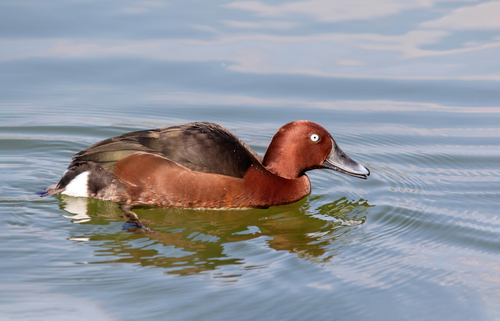
メジロガモ (Aythya nyroca) メジロガモ
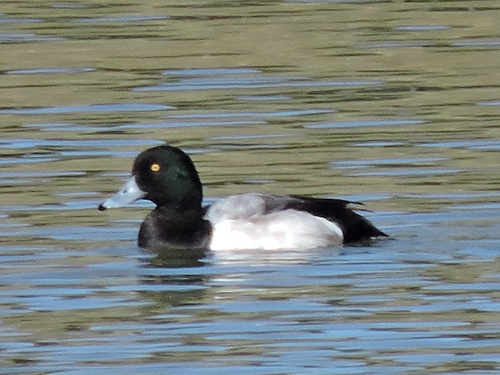
スズガモ (Aythya marila) スズガモ

メディア

読み込み中…

要点

メジロガモとスズガモを区別する最も信頼できるフィールドマークは、全体の羽色とパターンです。メジロガモのオスはリッチな栗色で、目を引く白い尾羽と腹部を持っていますが、スズガモのオスははるかに淡い色で、白い腹部、灰色の背中、緑がかったまたは紫がかった光沢のある暗い頭を持っています。飛行中、スズガモは、スペキュラムから一次羽にかけて伸びる大胆な白い翼のストライプを示しますが、メジロガモはそれほど広範囲にわたる白い下翼と腹部を持っていません。両種の雌は茶色ですが、メジロガモの雌はより暖かいトーンで、スカウプの特徴的な白い顔の斑点がありません。くちばしの色と形も役立ちます:スズガモは広く淡い青いくちばしを持ち、メジロガモのくちばしはより暗く、細長いです。幼鳥と雌は混乱を招くことがありますが、翼のパターン、頭の形、尾羽の色に注意を払えば、通常は識別が可能です。

識別のコツ

  1. Wing pattern in flight (all ages): スズガモは、スペキュラムから一次羽の先端まで伸びる大胆な白いストライプを示します。メジロガモは、白い下翼の斑点と白い腹部を持っていますが、上翼には長い白いストライプはありません。これは飛行中に最も明らかで、すべての年齢にとって重要なマークです。
  2. Overall plumage (adult males): メジロガモのオスは全体がリッチで暗い栗色で、純白の尾羽と腹部を持っています。スズガモのオスは、緑または紫の光沢のある暗い頭、黒い胸と尾、明るい白い側面と腹部、淡い灰色の背中を持っています。
  3. Female and juvenile plumage: 雌のスズガモは茶色で、くちばしの基部に特徴的な白い斑点と淡い青いくちばしを持っています。メジロガモの雌はより鈍い、暖かい茶色で、白い顔の斑点がなく、より暗いくちばしを持っています。
  4. Bill color and shape: スズガモは、先端に黒い爪を持つ広い淡い青灰色のくちばしを持っています。メジロガモのくちばしはより暗く、細長く、広くてスプーン状の外観がありません。
  5. Eye color: メジロガモのオスは黄色い目を持ち、雌は暗い目を持っています。両性のスズガモは黄色い目を持っています。これは近距離では役立ちますが、遠くでは見えにくいことがあります。
  6. Head shape: スズガモは、メジロガモのよりコンパクトで傾斜のある頭と比較して、より丸みを帯びた、ふっくらとした頭のプロファイルを持っています。これは微妙で、直接比較するのが最適です。
  7. Undertail pattern: メジロガモは常に純白の尾羽を示し、特にディスプレイ中や泳いでいるときに尾が巻かれると明らかです。スズガモの尾羽は暗く、羽色の他の部分と強く対比しません。
  8. Back color (males): スズガモのオスは淡い灰色の、虫食い模様の背中を持っています。メジロガモは淡い虫食い模様のない均一な栗色です。
  9. Flank color: スズガモのオスは明るい白い側面を持っています。メジロガモのオスは側面全体が栗色です。
  10. Face pattern (females/immatures): 雌のスズガモはくちばしの基部に白い斑点を持っています。メジロガモの雌はこれがなく、顔が平坦に見えます。
  11. Size and structure: スズガモはメジロガモよりも大きく、がっしりしており、体が長いです。混合群れでは、スカウプはサイズと体格で際立ちます。
  12. Habitat context: メジロガモは、植生のある、保護された水域にいる可能性が高いです。スズガモは、特に冬に開放的な湖や沿岸の水域を好みます。
  13. Flock behavior: 大きくて密なラフトはスズガモに典型的です。メジロガモは通常、より小さく、緩い群れを形成します。
  14. Courtship display: メジロガモのオスは、求愛中に三角形の白い尾羽の斑点を示すために尾を巻くことがありますが、スズガモはこの行動を示しません。
  15. Pitfalls: 雌と幼鳥のスズガモはかなり暗く見えることがあり、遠くでは顔に明らかな白がない場合がありますが、飛行中の翼のストライプとくちばしの色/形は信頼できます。メジロガモは強い光の中で淡く見えることがありますが、スカウプの強い翼のストライプや淡い背中は決して示しません。

大きさ

スズガモはメジロガモよりも明らかに大きく、重いです。メジロガモは体重が約551.5gで平均していますが、スズガモは長さも重さもあり(オスの成鳥726–1,360g、長さ39–56cm、翼幅71–84cm)、混合群れではスズガモはよりがっしりとして長い体に見えます。メジロガモはAythyaの中では中型ですが、スズガモよりも明らかに小さく、よりコンパクトです。

羽色

幼鳥と雌のスズガモは茶色で、くちばしの基部に特徴的な白い斑点と、飛行中にスペキュラムから一次羽にかけて伸びる白い翼のストライプを持っています。彼らの下部はより淡く、オスは灰色がかった背中、雌と幼鳥は茶色です。メジロガモのオスは均一なリッチな栗色で、対照的な純白の尾羽と腹部を持ち、飛行中にはそれほど広範囲にわたる白い下翼の斑点があります。雌はより鈍く、より均一な茶色ですが、スカウプよりも暖かいトーンで、白い顔の斑点がありません。すべての羽色において、メジロガモは黄色(オス)または暗い(雌)の目を持ち、両性のスズガモの目は黄色です。スカウプの頭はオスにおいて緑または紫の光沢があり、くちばしは常に淡い青灰色で黒い爪を持ち、メジロガモのくちばしはより暗く、細長いです。

行動

両種は潜水性のカモであり、他のAythya種と混合群れで潜水または水面で餌を取るのが見られます。メジロガモはスズガモよりも社交的でなく、より小さな群れを形成する傾向がありますが、一般的な場所では群れを作ることがあります。スズガモは冬に非常に社交的で、大規模な「ラフト」を形成し、数千羽になることがあります。メジロガモのオスは、求愛中に尾を巻いて三角形の白い尾羽の斑点を示すことがありますが、これはスカウプでは見られません。

生息環境

メジロガモは、植生の豊富な湖、池、湿地を好み、より保護されたまたは内陸の場所にいることが多く、時には出現する植生に巣を作ります。スズガモは、特に冬に、湖や沿岸の湾を含むより大きな開放水域を好みます。両者が大きな湖で一緒に見られることがありますが、メジロガモはより静かな、葦に囲まれた水域にいる可能性が高く、スズガモは開放水域や沿岸の生息地に典型的です。

より良い説明を送る

比較と同じ項目を使ってください。文章はすぐに公開されます。

The most reliable field mark to separate Ferruginous Duck from Greater Scaup is the overall plumage color and pattern: Ferruginous Duck males are rich chestnut with a striking white undertail and belly, while Greater Scaup males are much paler, with a white belly, grey back, and a dark head with a greenish or purplish sheen. In flight, Greater Scaup shows a bold white wing stripe extending from the speculum through the primaries, while Ferruginous Duck has a less extensive white underwing and belly. Females of both species are brown, but Ferruginous Duck females are warmer-toned and lack the scaup's distinctive white face patch. Bill color and shape also help: Greater Scaup has a broad, pale blue bill, while Ferruginous Duck's bill is darker and more slender. Juveniles and females can be confusing, but attention to wing pattern, head shape, and undertail color will usually resolve the ID.

  1. Wing pattern in flight (all ages): Greater Scaup shows a bold white stripe extending from the speculum through the primaries to the wingtip; Ferruginous Duck has a less extensive white underwing patch and white belly, but not a long white stripe on the upperwing. This is most obvious in flight and is a key mark for all ages.
  2. Overall plumage (adult males): Ferruginous Duck males are rich, dark chestnut all over with a pure white undertail and belly. Greater Scaup males have a dark head with green or purple gloss, black breast and tail, bright white flanks and belly, and a pale grey back.
  3. Female and juvenile plumage: Female Greater Scaup is brown with a distinctive white patch at the base of the bill and a pale blue bill; Ferruginous Duck females are duller, warmer brown, lack the white face patch, and have a darker bill.
  4. Bill color and shape: Greater Scaup has a broad, pale blue-grey bill with a black nail at the tip; Ferruginous Duck's bill is darker, more slender, and lacks the broad, spatulate look.
  5. Eye color: Ferruginous Duck males have a yellow eye, females a dark eye; Greater Scaup of both sexes have yellow eyes. This is useful at close range but can be hard to see at distance.
  6. Head shape: Greater Scaup has a more rounded, fuller head profile, especially compared to Ferruginous Duck's more compact, sloping head. This is subtle and best used in direct comparison.
  7. Undertail pattern: Ferruginous Duck always shows a pure white undertail, especially obvious when the tail is curled during display or when swimming. Greater Scaup's undertail is dark and does not contrast strongly with the rest of the plumage.
  8. Back color (males): Greater Scaup males have a pale grey, vermiculated back; Ferruginous Duck is uniformly chestnut without pale vermiculations.
  9. Flank color: Greater Scaup males have bright white flanks; Ferruginous Duck males are chestnut throughout the flanks.
  10. Face pattern (females/immatures): Female Greater Scaup has a white patch at the base of the bill; Ferruginous Duck females lack this, appearing plain-faced.
  11. Size and structure: Greater Scaup is larger, bulkier, and longer-bodied than Ferruginous Duck. In mixed flocks, scaup will stand out by size and bulk.
  12. Habitat context: Ferruginous Duck is more likely in vegetated, sheltered waters; Greater Scaup prefers open lakes and coastal waters, especially in winter.
  13. Flock behavior: Large, dense rafts are typical of Greater Scaup; Ferruginous Duck usually forms smaller, looser groups.
  14. Courtship display: Ferruginous Duck males may curl the tail to show a triangular white undertail patch; Greater Scaup does not show this behavior.
  15. Pitfalls: Female and juvenile Greater Scaup can appear quite dark and may lack obvious white on the face at distance, but the wing stripe in flight and bill color/shape remain reliable. Ferruginous Duck can appear paler in strong light, but never shows the strong wing stripe or pale back of scaup.

Greater Scaup is noticeably larger and heavier than Ferruginous Duck. Ferruginous Duck averages about 551.5 g in body mass [wikidata], while Greater Scaup is both longer and heavier (adult males 726–1,360 g, length 39–56 cm, wingspan 71–84 cm) [wikipedia]. In mixed flocks, Greater Scaup will look bulkier and longer-bodied, with a broader head and bill. Ferruginous Duck is mid-sized for an Aythya, but still clearly smaller and more compact than Greater Scaup.

Juvenile and female Greater Scaup are brown with a distinctive white patch at the base of the bill and a white wing stripe that extends from the speculum through the primaries in flight. Their underparts are paler, and the back is greyish in males, brown in females and juveniles. Ferruginous Duck males are a uniform rich chestnut with a contrasting pure white undertail and belly, and a less extensive white underwing patch in flight. Females are duller, more uniformly brown, but still warmer-toned than scaup, and lack the white face patch. In all plumages, Ferruginous Duck has a yellow (male) or dark (female) eye, while Greater Scaup's eye is yellow in both sexes. The scaup's head has a green or purple gloss in males, and the bill is always pale blue-grey with a black nail, while Ferruginous Duck's bill is darker and more slender.

Both species are diving ducks and may be seen feeding by diving or dabbling, often in mixed flocks with other Aythya species. Ferruginous Duck is less social than Greater Scaup, tending to form smaller flocks, though it can be gregarious where common. Greater Scaup is highly gregarious in winter, forming large 'rafts' that can number in the thousands. Ferruginous Duck males may display by curling the tail to show a triangular white undertail patch during courtship, a behavior not seen in scaup.

Ferruginous Duck prefers well-vegetated lakes, ponds, and marshes, often in more sheltered or inland sites, and sometimes nests in emergent vegetation. Greater Scaup favors larger, open water bodies, including lakes and coastal bays, especially in winter. While both may occur together on large lakes, Ferruginous Duck is more likely in quieter, reed-fringed waters, while Greater Scaup is typical of open water and coastal habitats.

変更を破棄しますか?

保存していない編集があります。今離れると失われます。

メジロガモ · スズガモ · 苦手な鳥