

Motmot

Fawn-colored Lark 対 Dune Lark

Calendulauda africanoides 対 Calendulauda erythrochlamys

Fawn-colored LarkとDune Larkのクイズ
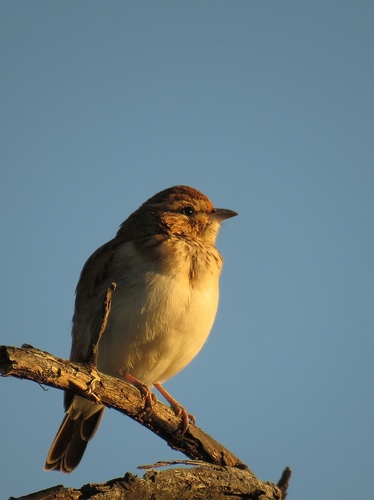
Fawn-colored Lark (Calendulauda africanoides) Fawn-colored Lark
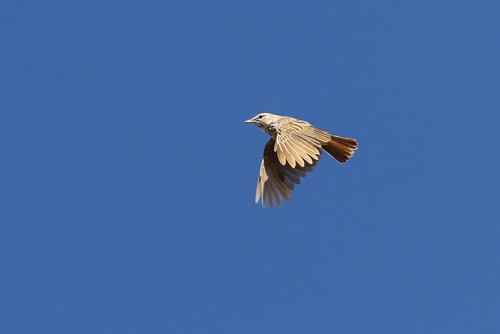
Dune Lark (Calendulauda erythrochlamys) Dune Lark

メディア

読み込み中…

要点

Fawn-colored LarkとDune Larkをフィールドで分ける最も信頼できる方法は、分布と生息地によるものです:Dune Larkはナミビアの乾燥した草原と砂丘に厳密に特有であり、Fawn-colored Larkは南中央アフリカ全体に広く分布しています。ナミビアの乾燥した西部、特に砂地や砂丘の生息地にいる場合、ほぼ確実にDune Larkを見ていることになります。両種はサイズと一般的な外観が似ており、利用可能な情報源には詳細な羽毛や年齢特有の翼のパターンの違いは文書化されていません。実際には、文脈と場所が分離のための最良のツールであり、微妙な羽毛や構造的なマークは現在の参考文献によって支持されていません。

識別のコツ

  1. Location is key: ナミビアにいる場合、特に乾燥した西部地域や砂丘の生息地にいると、ほぼ確実にDune Larkを見ています。Fawn-colored Larkはナミビアの西部砂漠には生息していません。
  2. Broader range for Fawn-colored Lark: ナミビアの外にいる場合、特に南中央アフリカの国々では、見かけるヒバリはFawn-colored Larkである可能性が高いです。
  3. Habitat context: Dune Larkは砂地の乾燥した草原に密接に関連しています。Fawn-colored Larkはより広範な開けた乾燥した生息地に見られますが、砂丘に厳密には関連していません。
  4. No reliable plumage differences: 両種は砂色の茶色であり、利用可能な文献には特徴的なフィールドマークがありません。微妙な羽毛の色合いやパターンに頼らないでください。
  5. No documented age-specific wing patterns: これらの種間での幼鳥や未成熟の翼や尾のパターンの違いは文書化されていません。
  6. Similar size and structure: 両者は中型のヒバリであり、現在のデータに基づいてくちばしの長さ、尾の形、または全体的な構造において重要な違いはありません。
  7. Behavior is not diagnostic: 両種は地面で採餌し、典型的なヒバリの行動を示します。どちらの種にも特有のディスプレイや採餌スタイルは記載されていません。
  8. Vocalizations undocumented: 利用可能な情報源には、歌や鳴き声の違いは文書化されていません。声でこれらの種を分けようとしないでください。
  9. Sexes similar: 両種に性差は記載されておらず、オスとメスは似ています。
  10. Season not a factor: 季節的な羽毛や移動の違いは記載されておらず、両者は年間を通じてそれぞれの分布域に生息しています。
  11. Pitfall – ignoring range: 最も一般的な誤りは、Dune Larkの厳密なナミビアの分布を見落とすことです。まず自分の位置を確認してください。
  12. Pitfall – over-interpreting subtle color: 微妙な色合いの違いでこれらの種を分けようとしないでください;これらは信頼できず、文献によって支持されていません。
  13. Pitfall – assuming overlap: 文書化された分布の重複はありません;ナミビアの砂丘にいる場合、Dune Larkが存在する唯一のCalendulaudaです。
  14. Use eBird and local guides: 確認のために、地元のチェックリストやeBirdを参照して、あなたの地域で期待される種を確認してください。
  15. If in doubt, prioritize habitat and range: すべてが失敗した場合、最良の手がかりはあなたがいる場所とその生息地です。

大きさ

Fawn-colored Larkの平均体重は23.0 gと文書化されています [wikidata]。利用可能な情報源にはDune Larkの体重は発表されていませんが、両者は中型のヒバリであり、フィールドで見たときに全体的なサイズと構造が似ているように見えます。分離に使用できる信頼できるサイズの違いはありません。

羽色

Fawn-colored LarkとDune Larkの間の年齢特有または成鳥の羽毛の違いについての詳細な説明は、利用可能な情報源にはありません。両者は典型的な「ファawn」または砂色の茶色のヒバリとして記述されており、乾燥した生息地にうまく溶け込んでいます。どちらの種にも特徴的な幼鳥や未成熟の上翼パターン、尾のマーク、または季節的な羽毛の違いは文書化されていません。したがって、羽毛はこれらの2種を分けるための信頼できるフィールドマークではありません。

行動

行動の違いは利用可能な情報源には記載されていません。両種は典型的なヒバリであり、開けた乾燥した生息地で地面で採餌しているのが見られる可能性が高いです。フィールドで信頼できる分離を行うための特有の飛行スタイル、ディスプレイ、または採餌行動は文書化されていません。

生息環境

生息地は最も診断的な特徴です。Dune Larkはナミビアに厳密に特有であり、特に砂地や砂丘の豊富な地域において、亜熱帯または熱帯の乾燥した低地草原にのみ見られます [wikipedia]。対照的に、Fawn-colored Larkは南中央アフリカ全体に広く分布しており、砂丘やナミビアに制限されていません。ナミビアの乾燥した西部でCalendulaudaのヒバリに出会った場合、特に砂丘や砂地の草原では、ほぼ確実にDune Larkです。南中央アフリカの他の地域では、Fawn-colored Larkが期待される種です。

より良い説明を送る

比較と同じ項目を使ってください。文章はすぐに公開されます。

The most reliable way to separate Fawn-coloured Lark from Dune Lark in the field is by range and habitat: Dune Lark is strictly endemic to Namibia’s dry grasslands and dunes, while Fawn-coloured Lark is found more broadly across south-central Africa. If you’re in Namibia’s arid west, especially in sandy or dune habitats, you’re almost certainly looking at Dune Lark. Both species are similar in size and general appearance, and there are no detailed plumage or age-specific wing pattern differences documented in the available sources. In practice, context and location are your best tools for separation, as subtle plumage or structural marks are not supported by the current references.

  1. Location is key: If you are in Namibia, especially in the dry western regions or dune habitats, you are almost certainly seeing Dune Lark. Fawn-coloured Lark does not occur in Namibia’s western deserts.
  2. Broader range for Fawn-coloured Lark: If you are outside Namibia, particularly in south-central African countries, the lark you see is much more likely to be Fawn-coloured Lark.
  3. Habitat context: Dune Lark is closely tied to sandy, arid, dune-dominated grasslands. Fawn-coloured Lark is found in a wider range of open, arid habitats but is not as strictly associated with dunes.
  4. No reliable plumage differences: Both species are sandy-brown and lack distinctive field marks in the available literature. Do not rely on subtle plumage tones or patterns for separation.
  5. No documented age-specific wing patterns: There are no published differences in juvenile or immature wing or tail patterns between these species.
  6. Similar size and structure: Both are medium-sized larks with no significant difference in bill length, tail shape, or overall structure based on current data.
  7. Behavior is not diagnostic: Both species forage on the ground and show typical lark behavior. No unique display or foraging style is described for either.
  8. Vocalizations undocumented: There are no published differences in song or calls in the available sources. Do not attempt to separate these species by voice.
  9. Sexes similar: No sexual dimorphism is described for either species; males and females look alike.
  10. Season not a factor: No seasonal plumage or migratory differences are noted; both are resident in their respective ranges year-round.
  11. Pitfall – ignoring range: The most common mistake is overlooking the strict Namibian range of Dune Lark. Always check your location first.
  12. Pitfall – over-interpreting subtle color: Do not try to separate these species by slight differences in fawn or sandy tones; these are not reliable and are not supported by the literature.
  13. Pitfall – assuming overlap: There is no documented range overlap; if you are in Namibia’s dunes, Dune Lark is the only Calendulauda present.
  14. Use eBird and local guides: For confirmation, consult local checklists or eBird for expected species in your area.
  15. If in doubt, prioritize habitat and range: When all else fails, your best clue is where you are and the habitat you are in.

Fawn-coloured Lark has a documented average body mass of 23.0 g [wikidata]. There is no published mass for Dune Lark in the available sources, but both are medium-sized larks and appear similar in overall size and structure when seen in the field. No reliable size difference can be used for separation.

There are no detailed descriptions of age-specific or adult plumage differences between Fawn-coloured Lark and Dune Lark in the available sources. Both are described as typical 'fawn' or sandy-brown larks, blending well with their arid habitats. No distinctive juvenile or immature upperwing patterns, tail markings, or seasonal plumage differences are documented for either species. Thus, plumage is not a reliable field mark for separating these two species.

Behavioral differences are not described in the available sources. Both species are typical larks, likely to be seen foraging on the ground in open, arid habitats. No unique flight style, display, or foraging behavior is documented that would reliably separate them in the field.

Habitat is the most diagnostic feature. Dune Lark is strictly endemic to Namibia and is found only in subtropical or tropical dry lowland grassland, especially in sandy or dune-rich areas [wikipedia]. Fawn-coloured Lark, in contrast, is found more broadly across south-central Africa and is not restricted to dunes or Namibia. If you encounter a Calendulauda lark in Namibia’s arid west, especially in dune or sandy grassland, it is almost certainly Dune Lark. Elsewhere in south-central Africa, Fawn-coloured Lark is the expected species.

変更を破棄しますか?

保存していない編集があります。今離れると失われます。

Fawn-colored Lark · Dune Lark · 苦手な鳥