

Motmot

サザナミアリモズ 対 シマアリモズ

Cymbilaimus lineatus 対 Thamnophilus doliatus

サザナミアリモズとシマアリモズのクイズ
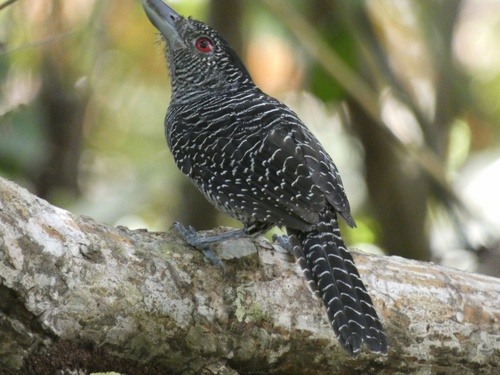
サザナミアリモズ (Cymbilaimus lineatus) サザナミアリモズ
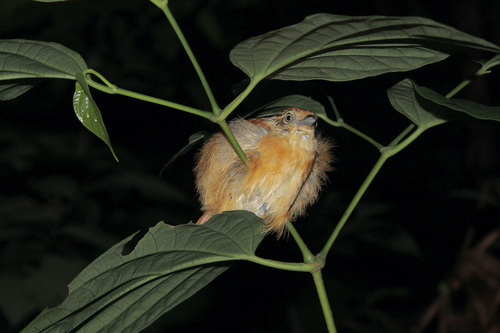
シマアリモズ (Thamnophilus doliatus) シマアリモズ

メディア

読み込み中…

要点

サザナミアリモズとシマアリモズの最も信頼できるフィールドマークは虹彩の色です:サザナミアリモズは両性ともに鮮やかな赤い目を示しますが、シマアリモズの成鳥は淡い黄色の虹彩を持っています(赤みがかったり栗色の虹彩を持つ亜種もあります)。両種のオスは大胆に黒と白の縞模様ですが、パターンと頭の色合いは異なります:Fasciatedのオスは黒い冠と細かい縞模様を持ち、Barredのオスはふさふさした冠と広い縞模様を持っています。メスはより明確で、Fasciatedのメスは赤褐色の冠と細かい茶色/黄色の縞模様を持ち、Barredのメスは上面が豊かなシナモン色で、下面はオクラ色です。くちばしの大きさと形は似ていますが、Fasciatedの方が体が重いです。幼鳥と未成熟の羽毛は重なることがありますが、虹彩の色と頭のパターンは依然として有用です。両種は広範囲に分布し、生息地が重なるため、視覚的なマークが重要です。

識別のコツ

  1. 虹彩の色が最良のフィールドマークです: サザナミアリモズは両性ともにすべての年齢で赤い虹彩を持ち、シマアリモズの成鳥は淡い黄色の虹彩を持っています(いくつかの亜種は赤みがかったり栗色です)。良い光の中で目の色を確認してください。
  2. オスの冠と冠羽: Fasciatedのオスは非常に細かい白い縞模様のある黒い冠と額を持ち、Barredのオスはふさふさした黒い冠(しばしば立ち上がっている)を持ち、冠羽の白い基部や斑点を示すことがあります(いくつかの亜種で)。
  3. 縞の幅とパターン: Fasciatedのオスは全体に細かく黒と白の縞模様を持ち、薄い縞です;Barredのオスは上面に広い黒い縞、下面に広い白い縞を持ち、よりずんぐりした、対照的な外観を与えます。
  4. メスの頭部と上面: Fasciatedのメスは赤褐色の冠と体に細かい茶色/黄色の縞模様を持ち、Barredのメスは上面がシナモン色で、下面はオクラ色で、細かい縞模様がなく、代わりに頭と首の側面に縞模様を示します。
  5. 尾のパターン: Fasciatedのメスは暗褐色と淡いバフの縞模様のある尾を持ち、Barredのメスは亜種によっては尾の縞模様があまり明確でないことがあります。
  6. 顔と喉: Barredのオスは顔、喉、あごに細い黒と白の縞模様を持ち、Fasciatedのオスはより均等に縞模様があります。
  7. くちばし: 両者ともに重く、鉤状のくちばしを持ちますが、Fasciatedの方がやや頑丈に見えることがあります;強いフィールドマークではありません。
  8. 体の大きさと形: Fasciatedはやや重く、ずんぐりしていますが、サイズの重なりはかなりあります;補助的なマークとしてのみ使用してください。
  9. 幼鳥/未成熟の混乱: 両種の若いオスは縞模様がありますが、虹彩の色は診断的です。Fasciatedの亜成鳥のオスは成鳥よりも広い白い縞を持ち、Barredの幼鳥は黒と淡い黄色がかった茶色の縞模様を持っています。
  10. 冠の行動: シマアリモズは特に歌っているときや興奮しているときにふさふさした冠を頻繁に立てます;Fasciatedはこれをあまり目立たせません。
  11. 鳴き声: 大きく、加速する、カッカッという音やクスクスという音の連続を聞いたら、それはシマアリモズです。Fasciatedの歌はここでは説明されていません。
  12. 生息地: 両者は似たような生息地に生息しています;生息地だけに頼らないでください。
  13. 亜種の変異: 一部のシマアリモズの亜種は赤みがかったり栗色の虹彩、白い斑点、または淡い下面を持っています—常に複数のマークを確認してください。
  14. 性的二形性: 両種は強いオス/メスの違いを示しますが、冠と下面のパターンと色は全体の縞模様よりも信頼性があります。
  15. 止まっているときと活動的なとき: 両者は直立して止まりますが、Barredは特に鳴いているときに尾を上下させたり、冠を立てているのが見られることが多いです。

大きさ

サザナミアリモズはやや重く(平均体重34.7g [wikidata])、シマアリモズ(15–18.5 cm、24–32g)よりも少し長い(17–18 cm)です。フィールドでは、Fasciatedはよりずんぐりして見えるかもしれませんが、両者は長さと全体的な構造が似ています。くちばしの大きさは両者ともに頑丈で、双眼鏡で見てもほとんど違いは見られません。

羽色

行動

両種は典型的なアリバードで、密な下層で餌を探し、しばしば隠れています。シマアリモズは目立つふさふさした冠で知られ、特に歌っているときや興奮しているときに頻繁に立てます。サザナミアリモズはこの行動をあまり強く示しません。両者は直立して止まり、計画的に動きますが、Barredは鳴いているときにより活発に見えることがあります、頭を下げたり尾を上下させたりします。

生息環境

両種はネオトロピカルな範囲で広く重なり、メキシコと中央アメリカから南アメリカの多くの地域に生息しています(Fasciatedは最南端の国を除いて存在し、Barredはチリとウルグアイには存在しません)。両者は森林の縁、二次成長、密な茂みを好むため、生息地はほとんどの範囲で信頼できる区別にはなりません。

声

シマアリモズは特に声が大きく、加速し、次に下降するカッカッという音やクスクスという音の連続を持ち、しばしば強調された音で終わります。両性ともに歌い、オスはしばしば歌っているときに冠を見せます。サザナミアリモズの鳴き声は提供されたメモには記載されていないため、声はBarredの特徴的な歌が聞かれた場合のみ診断的です。

より良い説明を送る

比較と同じ項目を使ってください。文章はすぐに公開されます。

The most reliable field mark between Fasciated Antshrike and Barred Antshrike is the iris color: Fasciated Antshrike always shows a striking red eye in both sexes, while Barred Antshrike adults have a pale yellow iris (except for some subspecies with reddish or chestnut irises). Males of both species are boldly barred black and white, but the pattern and head coloration differ: Fasciated males have a black crown and finer barring, while Barred males have a bushy crest and broader bars. Females are more distinct—Fasciated females have a rufous crown and fine brown/yellowish barring, while Barred females are rich cinnamon above with ochraceous underparts. Bill size and shape are similar, but Fasciated is heavier-bodied. Juvenile and immature plumages can overlap, but iris color and head pattern remain useful. Both species overlap widely in range and habitat, so visual marks are essential.

  1. Iris color is the best field mark: Fasciated Antshrike always has a red iris in both sexes and all ages; Barred Antshrike adults have a pale yellow iris (some subspecies reddish or chestnut). Check eye color in good light.
  2. Male crown and crest: Fasciated males have a solid black crown and forehead with very fine white bars; Barred males have a bushy black crest (often raised) and may show white bases or spots on crest feathers (in some subspecies).
  3. Bar width and pattern: Fasciated males are finely barred black and white throughout, with thin bars; Barred males have broader black bars above and broader white bars below, giving a chunkier, more contrasting look.
  4. Female head and upperparts: Fasciated females have a rufous crown and fine brown/yellowish barring on the body; Barred females are cinnamon-rufous above with ochraceous-buff underparts and lack fine barring, instead showing streaked sides of head and neck.
  5. Tail pattern: Fasciated females have a tail barred with dark brown and pale buff; Barred females may have less distinct tail barring, depending on subspecies.
  6. Face and throat: Barred males have thin black and white streaks on the face, throat, and chin; Fasciated males are more evenly barred.
  7. Bill: Both have heavy, hooked bills, but Fasciated may appear slightly more robust; not a strong field mark.
  8. Body size and shape: Fasciated is slightly heavier and bulkier, but size overlap is considerable; use only as a supporting mark.
  9. Juvenile/immature confusion: Both species' young males are barred, but iris color remains diagnostic. Fasciated subadult males have wider white bars than adults; Barred juveniles are barred black and light yellowish brown.
  10. Crest behavior: Barred Antshrike frequently raises its bushy crest, especially when singing or agitated; Fasciated does not display this as prominently.
  11. Vocalization: If you hear a loud, accelerating, cackling or chuckling series, it's Barred Antshrike. Fasciated's song is not described here.
  12. Habitat: Both occur in similar habitats; do not rely on habitat alone.
  13. Subspecies variation: Some Barred Antshrike subspecies have reddish or chestnut irises, white spots on the forehead, or paler underparts—always check multiple marks.
  14. Sexual dimorphism: Both species show strong male/female differences, but the pattern and color of the crown and underparts are more reliable than overall barring.
  15. Perched vs. active: Both perch upright, but Barred is more likely to be seen tail-pumping and crest-raising, especially when vocalizing.

Fasciated Antshrike is slightly heavier (mean body mass 34.7g [wikidata]) and averages a bit longer (17–18 cm) than Barred Antshrike (15–18.5 cm, 24–32g). In the field, Fasciated may look bulkier, but both are similar in length and overall structure. Bill size is robust in both, with little difference visible through binoculars.

  • Juveniles/Immatures: Both species' young males are barred, but Fasciated subadult males show wider white bars than adults, while juvenile Barred males are barred black and light yellowish brown. Iris color is already diagnostic: Fasciated juveniles have a red iris, Barred juveniles a pale yellow or reddish (in some subspecies) iris.
  • Adult Males: Fasciated males have a black crown and forehead with very fine white barring, and the rest of the body is finely barred black and white. Barred males have a bushy black crest (often raised), broader black and white bars (black bars thicker above, white bars thicker below), and a face/throat with thin streaks rather than bars. Some Barred subspecies show white bases to crest feathers or white spots on the forehead.
  • Adult Females: Fasciated females have a rufous crown, fine dark brown and pale yellowish brown barring on the body, and a barred tail. Barred females are cinnamon-rufous above, ochraceous-buff below, and lack the fine barring of Fasciated; their head and neck sides are streaked, not barred. Some Barred subspecies have white or streaked throats and paler underparts.
  • Iris Color: Fasciated always red; Barred usually pale yellow, but some subspecies reddish or chestnut.

Both species are typical antbirds, foraging in dense understory and often remaining hidden. Barred Antshrike is known for its conspicuous, bushy crest, which it frequently raises, especially when singing or agitated. Fasciated Antshrike does not show this behavior as strongly. Both perch upright and move methodically, but Barred may appear more animated when vocalizing, bowing and tail-pumping.

Both species overlap widely in their Neotropical range, occurring from Mexico and Central America through much of South America (Fasciated absent only from southernmost countries; Barred absent from Chile and Uruguay). Both favor forest edges, secondary growth, and dense thickets, so habitat is not a reliable separator in most of their range.

Barred Antshrike is notably vocal, with a loud, accelerating, and then descending series of cackling or chuckling notes, often ending with an emphatic note. Both sexes sing, and males often display their crest while doing so. Fasciated Antshrike's vocalizations are not described in the provided notes, so voice is only diagnostic if Barred's distinctive song is heard.

変更を破棄しますか?

保存していない編集があります。今離れると失われます。

サザナミアリモズ · シマアリモズ · 苦手な鳥