

Batará Lineado vs Batará Barrado
Cymbilaimus lineatus frente a Thamnophilus doliatus
Juega un quiz con Batará Lineado y Batará Barrado
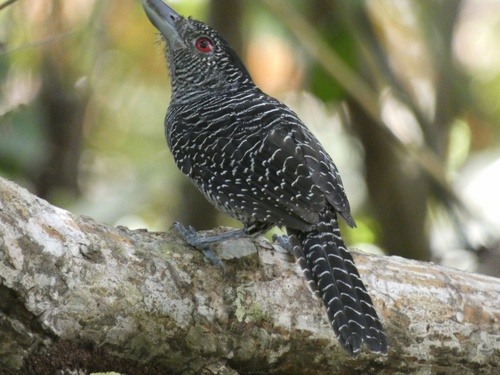 Batará Lineado
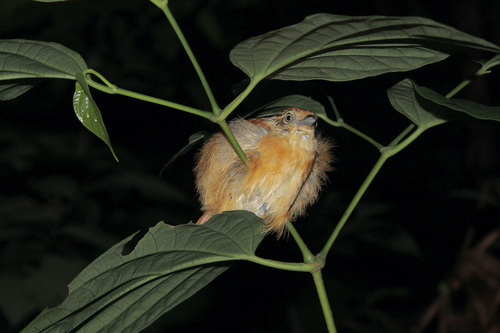 Batará Barrado
En breve
The most reliable field mark between Fasciated Antshrike and Barred Antshrike is the iris color: Fasciated Antshrike always shows a striking red eye in both sexes, while Barred Antshrike adults have a pale yellow iris (except for some subspecies with reddish or chestnut irises). Males of both species are boldly barred black and white, but the pattern and head coloration differ: Fasciated males have a black crown and finer barring, while Barred males have a bushy crest and broader bars. Females are more distinct—Fasciated females have a rufous crown and fine brown/yellowish barring, while Barred females are rich cinnamon above with ochraceous underparts. Bill size and shape are similar, but Fasciated is heavier-bodied. Juvenile and immature plumages can overlap, but iris color and head pattern remain useful. Both species overlap widely in range and habitat, so visual marks are essential.
Consejos de identificación
- Iris color is the best field mark: Fasciated Antshrike always has a red iris in both sexes and all ages; Barred Antshrike adults have a pale yellow iris (some subspecies reddish or chestnut). Check eye color in good light.
- Male crown and crest: Fasciated males have a solid black crown and forehead with very fine white bars; Barred males have a bushy black crest (often raised) and may show white bases or spots on crest feathers (in some subspecies).
- Bar width and pattern: Fasciated males are finely barred black and white throughout, with thin bars; Barred males have broader black bars above and broader white bars below, giving a chunkier, more contrasting look.
- Female head and upperparts: Fasciated females have a rufous crown and fine brown/yellowish barring on the body; Barred females are cinnamon-rufous above with ochraceous-buff underparts and lack fine barring, instead showing streaked sides of head and neck.
- Tail pattern: Fasciated females have a tail barred with dark brown and pale buff; Barred females may have less distinct tail barring, depending on subspecies.
- Face and throat: Barred males have thin black and white streaks on the face, throat, and chin; Fasciated males are more evenly barred.
- Bill: Both have heavy, hooked bills, but Fasciated may appear slightly more robust; not a strong field mark.
- Body size and shape: Fasciated is slightly heavier and bulkier, but size overlap is considerable; use only as a supporting mark.
- Juvenile/immature confusion: Both species' young males are barred, but iris color remains diagnostic. Fasciated subadult males have wider white bars than adults; Barred juveniles are barred black and light yellowish brown.
- Crest behavior: Barred Antshrike frequently raises its bushy crest, especially when singing or agitated; Fasciated does not display this as prominently.
- Vocalization: If you hear a loud, accelerating, cackling or chuckling series, it's Barred Antshrike. Fasciated's song is not described here.
- Habitat: Both occur in similar habitats; do not rely on habitat alone.
- Subspecies variation: Some Barred Antshrike subspecies have reddish or chestnut irises, white spots on the forehead, or paler underparts—always check multiple marks.
- Sexual dimorphism: Both species show strong male/female differences, but the pattern and color of the crown and underparts are more reliable than overall barring.
- Perched vs. active: Both perch upright, but Barred is more likely to be seen tail-pumping and crest-raising, especially when vocalizing.
Tamaño
Fasciated Antshrike is slightly heavier (mean body mass 34.7g [wikidata]) and averages a bit longer (17–18 cm) than Barred Antshrike (15–18.5 cm, 24–32g). In the field, Fasciated may look bulkier, but both are similar in length and overall structure. Bill size is robust in both, with little difference visible through binoculars.
Plumaje
- Juveniles/Immatures: Both species' young males are barred, but Fasciated subadult males show wider white bars than adults, while juvenile Barred males are barred black and light yellowish brown. Iris color is already diagnostic: Fasciated juveniles have a red iris, Barred juveniles a pale yellow or reddish (in some subspecies) iris.
- Adult Males: Fasciated males have a black crown and forehead with very fine white barring, and the rest of the body is finely barred black and white. Barred males have a bushy black crest (often raised), broader black and white bars (black bars thicker above, white bars thicker below), and a face/throat with thin streaks rather than bars. Some Barred subspecies show white bases to crest feathers or white spots on the forehead.
- Adult Females: Fasciated females have a rufous crown, fine dark brown and pale yellowish brown barring on the body, and a barred tail. Barred females are cinnamon-rufous above, ochraceous-buff below, and lack the fine barring of Fasciated; their head and neck sides are streaked, not barred. Some Barred subspecies have white or streaked throats and paler underparts.
- Iris Color: Fasciated always red; Barred usually pale yellow, but some subspecies reddish or chestnut.
Comportamiento
Both species are typical antbirds, foraging in dense understory and often remaining hidden. Barred Antshrike is known for its conspicuous, bushy crest, which it frequently raises, especially when singing or agitated. Fasciated Antshrike does not show this behavior as strongly. Both perch upright and move methodically, but Barred may appear more animated when vocalizing, bowing and tail-pumping.
Hábitat
Both species overlap widely in their Neotropical range, occurring from Mexico and Central America through much of South America (Fasciated absent only from southernmost countries; Barred absent from Chile and Uruguay). Both favor forest edges, secondary growth, and dense thickets, so habitat is not a reliable separator in most of their range.
Voz
Barred Antshrike is notably vocal, with a loud, accelerating, and then descending series of cackling or chuckling notes, often ending with an emphatic note. Both sexes sing, and males often display their crest while doing so. Fasciated Antshrike's vocalizations are not described in the provided notes, so voice is only diagnostic if Barred's distinctive song is heard.