

Motmot

ヒメウミツバメ 対 コシジロウミツバメ

Hydrobates pelagicus 対 Hydrobates leucorhous

ヒメウミツバメとコシジロウミツバメのクイズ
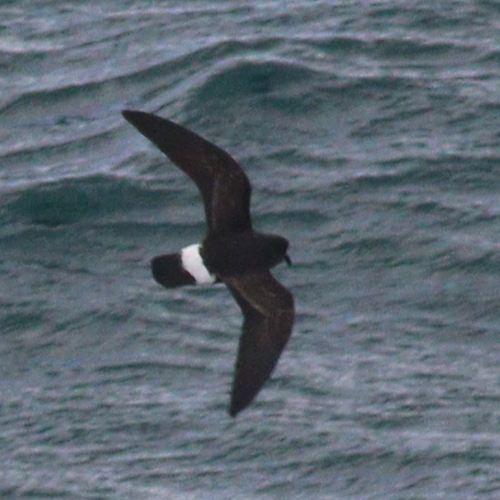
ヒメウミツバメ (Hydrobates pelagicus) ヒメウミツバメ
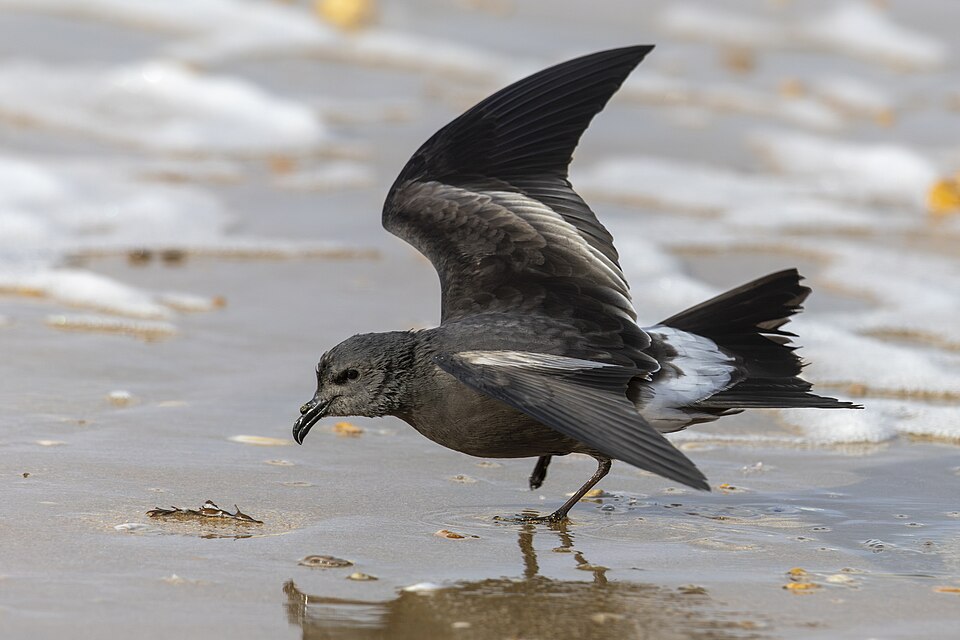
コシジロウミツバメ (Hydrobates leucorhous) コシジロウミツバメ

メディア

読み込み中…

要点

尾の形とサイズは最も信頼できるフィールドマークです:ヒメウミツバメは明らかに小さく、四角い尾を持ち、コシジロウミツバメは大きく、明らかに分かれた尾を示します。 両種は主に黒で白い尾羽を持っていますが、コシジロウミツバメはしばしば尾羽を分ける暗い線と淡い顔を持ち、ヒメウミツバメはきれいな白い尾羽と白い下羽のバーを持っています。飛行中、ヒメウミツバメはよりひらひらとしたコウモリのように見え、コシジロウミツバメはより浮遊感があり、滑空します。幼鳥のヒメウミツバメは上羽に狭い白いバーを示すことがありますが、これはコシジロウミツバメには見られません。まず尾の形とサイズを確認し、その後下羽のバーと飛行スタイルをチェックしてください。

識別のコツ

  1. 尾の形は最良のフィールドマークです: ヒメウミツバメは常に四角い尾を持ち、コシジロウミツバメは分かれた尾を示します。これは飛行中に尾が広がったときやバンキング時に特に明らかです。これはすべての年齢と季節に適用されます。
  2. サイズの違い: コシジロウミツバメはヒメウミツバメよりも明らかに大きく、翼が長いですが、これは経験や直接の比較で最もよく判断されます。
  3. 下羽のバー(ヒメウミツバメのみ): ヒメウミツバメの下羽には広い白い帯が見られます(すべての年齢);コシジロウミツバメにはこの特徴がありません。
  4. 幼鳥の上羽のバー(ヒメウミツバメのみ): 新鮮な幼鳥/未成熟のヒメウミツバメは上羽に狭い白いバーを示すことがありますが、これはすべての年齢のコシジロウミツバメには見られません。
  5. 尾羽のパターン: ヒメウミツバメは尾の側面まで延びるきれいな雪のように白い尾羽を持っています;コシジロウミツバメは通常、中央に暗い線または分かれた白い尾羽を持ち、一部の太平洋のコシジロウミツバメは完全に暗い尾羽を持っています(大西洋では稀)。
  6. 顔の色: コシジロウミツバメはやや淡い顔を示すことがありますが、ヒメウミツバメの顔は均一に暗いです。
  7. 飛行スタイル: ヒメウミツバメは短い滑空を伴う弱く、ひらひらとしたコウモリのような飛行を持ち、コシジロウミツバメはより浮遊感があり、より深い、よりバウンディングな翼の打撃と長い滑空を持っています。
  8. 採餌行動: 両種は水面をパタパタと叩きますが、ヒメウミツバメはしばしば翼を上げてホバリングし、水面を歩いているようには見えません;コシジロウミツバメはより直接的で、ひらひらとした印象が少ないように見えることがあります。
  9. 羽毛の摩耗: ヒメウミツバメは羽毛が摩耗すると暗い茶色(黒ではない)に見えることがありますが、これは変動があり、常に信頼できるわけではありません。
  10. くちばしと脚の構造: 海上では信頼できる区別はできません;違いは微妙で、フィールドでは診断的ではありません。
  11. 性別と亜種: 海上ではどちらの種でも性別や亜種の信頼できるフィールドマークはありません。
  12. 生息地/文脈: 両種は外洋性ですが、コシジロウミツバメはより沖合や冷たい水域にいる可能性が高いです;知られたコロニーでない限り診断的ではありません。
  13. 鳴き声: メモには含まれていません;海上では実用的なフィールドマークではありません。
  14. 落とし穴: 暗い尾羽のコシジロウミツバメ(主に太平洋)には注意してください;これらは非常に難しく、他の全暗いウミツバメと区別がつかないことがあります。
  15. 要約のヒント: 尾の形とサイズから始め、その後下羽のバーと尾羽のパターンをチェックしてください。飛行スタイルと幼鳥の上羽のバーを補助的なマークとして使用してください。

大きさ

ヒメウミツバメはコシジロウミツバメ(18–21 cmの長さ、43–48 cmの翼幅)と比較して、明らかに小さく(長さ14–18 cm、翼幅36–39 cm、平均28 g)です。違いは通常、直接の比較や経験で明らかですが、参照がないと海上では判断が難しいことがあります。コシジロウミツバメはよりがっしりとしており、翼が長く、飛行中により実質的に見えます。

羽色

行動

ヒメウミツバメは頻繁に短い滑空を伴う弱く、ひらひらとしたコウモリのような飛行を持っています。しばしば翼を上げてホバリングし、水面をパタパタと叩きますが、水面を歩いているようには見えません。コシジロウミツバメはより浮遊感があり、滑空する飛行を持ち、より深い翼の打撃とより不規則でバウンディングな印象を与えます。両種は水面をパタパタと叩いて餌を取りますが、コシジロウミツバメはより目的意識があり、ひらひらとした印象が少ないように見えることがあります。陸上では、両種とも不器用に歩き、巣穴に向かって移動します。

生息環境

両種は外洋性で、遠隔の島で繁殖し、コロニー以外では陸上からはほとんど見られません。ヒメウミツバメは主に北東大西洋(フェロー諸島、イギリス、アイルランド、アイスランド)で繁殖し、コシジロウミツバメは北大西洋と北太平洋に広い分布を持っています。海上では、両種が一緒に見られることがありますが、コシジロウミツバメはより沖合や冷たい水域にいる可能性が高いです。文脈は知られたコロニーでない限り、診断的ではありません。

より良い説明を送る

比較と同じ項目を使ってください。文章はすぐに公開されます。

Tail shape and size are the most reliable field marks: European Storm-Petrel is distinctly smaller with a square tail, while Leach's Storm-Petrel is larger and shows a noticeably forked tail. Both species are mostly black with a white rump, but Leach's often has a dark line dividing the rump and a paler face, while European has a clean white rump and a white underwing bar. In flight, European Storm-Petrel appears more fluttery and bat-like, whereas Leach's Storm-Petrel is more buoyant and gliding. Juvenile European Storm-Petrels can show a narrow white bar on the upperwing, a feature not seen in Leach's. Use tail shape and size first, then check for underwing bar and flight style.

  1. Tail shape is the best field mark: European Storm-Petrel always has a square tail, while Leach's Storm-Petrel shows a forked tail, especially obvious when the tail is spread in flight or when banking. This works for all ages and seasons.
  2. Size difference: Leach's is noticeably larger and longer-winged than European, but this is best judged with experience or direct comparison.
  3. Underwing bar (European only): Look for a broad white band on the underwing of European Storm-Petrel (all ages); Leach's lacks this feature.
  4. Upperwing bar in juveniles (European only): Fresh juvenile/immature European Storm-Petrels can show a narrow white bar on the upperwing, absent in Leach's at all ages.
  5. Rump pattern: European has a clean, snow-white rump extending to the tail sides; Leach's usually has a white rump with a dark central line or split, and some Pacific Leach's are entirely dark-rumped (rare in the Atlantic).
  6. Facial color: Leach's may show a slightly paler face, while European's face is uniformly dark.
  7. Flight style: European Storm-Petrel has a weak, fluttery, bat-like flight with short glides; Leach's is more buoyant, with deeper, more bounding wingbeats and longer glides.
  8. Feeding behavior: Both patter on the water, but European often hovers with wings raised and does not appear to walk on the surface; Leach's may look more direct and less fluttery.
  9. Plumage wear: European Storm-Petrel can look dark brown (not black) when plumage is worn, but this is variable and not always reliable.
  10. Bill and leg structure: Not reliably separable at sea; differences are subtle and not diagnostic in the field.
  11. Sex and subspecies: No reliable field marks for sex or subspecies in either species at sea.
  12. Habitat/context: Both are pelagic, but Leach's is more likely farther offshore or in colder waters; not diagnostic unless at a known colony.
  13. Vocalizations: Not covered in the notes; not a practical field mark at sea.
  14. Pitfall: Beware of dark-rumped Leach's (mainly Pacific); these can be very difficult and may be indistinguishable from other all-dark storm-petrels.
  15. Summary tip: Start with tail shape and size, then check for underwing bar and rump pattern. Use flight style and upperwing bar in juveniles as supporting marks.

European Storm-Petrel is significantly smaller (14–18 cm length, 36–39 cm wingspan, average 28 g) compared to Leach's Storm-Petrel (18–21 cm length, 43–48 cm wingspan) [wikipedia][avonet]. The difference is usually obvious in direct comparison or with experience, but can be harder to judge at sea without a reference. Leach's is bulkier and longer-winged, appearing more substantial in flight.

  • Juvenile/immature European Storm-Petrel can show a narrow white bar on the upperwing, which is absent in Leach's Storm-Petrel at all ages. This is a key mark for fresh young birds.
  • Rump pattern: European Storm-Petrel has a clean, snow-white rump extending to the sides of the tail base; Leach's Storm-Petrel usually has a white rump with a dark central line or divide, and some Pacific Leach's can be entirely dark-rumped (rare in the Atlantic).
  • Underwing: European Storm-Petrel shows a broad white band on the underwing, visible in good light; Leach's lacks this mark, instead showing a paler grey-brown bar on the upperwing coverts and a slightly paler face.
  • Tail: European Storm-Petrel has a square tail, while Leach's has a distinctly forked tail, especially visible in flight and when fanned.
  • Overall color: Both are mostly black, but European Storm-Petrel can look dark brown when worn; Leach's may show a paler face and upperwing bar.

European Storm-Petrel has a weak, fluttering, bat-like flight with frequent short glides. It often hovers with wings raised and patters on the water, but does not appear to walk on the surface. Leach's Storm-Petrel has a more buoyant, gliding flight with deeper wingbeats and a more erratic, bounding jizz. Both species patter on the water to feed, but Leach's may appear more purposeful and less fluttery. On land, both walk awkwardly, shuffling to their burrows.

Both species are pelagic and breed on remote islands, rarely seen from land except at colonies. European Storm-Petrel breeds mainly in the northeast Atlantic (Faroe Islands, UK, Ireland, Iceland), while Leach's has a broader North Atlantic and North Pacific distribution. At sea, both can occur together, but Leach's is more likely farther offshore and in colder waters. Context is rarely diagnostic unless at a known colony.

変更を破棄しますか?

保存していない編集があります。今離れると失われます。

ヒメウミツバメ · コシジロウミツバメ · 苦手な鳥