

Motmot

ヨーロッパコマドリ 対 サヨナキドリ

Erithacus rubecula 対 Luscinia megarhynchos

ヨーロッパコマドリとサヨナキドリのクイズ
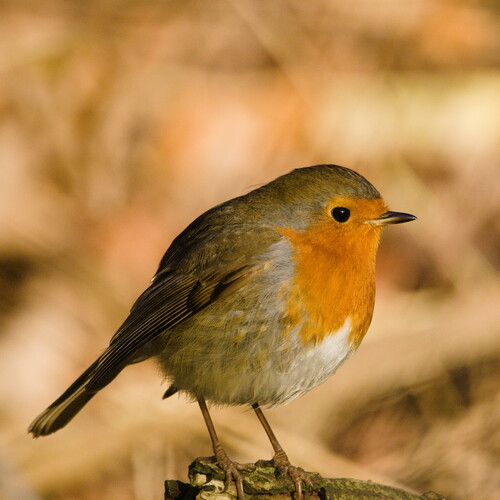
ヨーロッパコマドリ (Erithacus rubecula) ヨーロッパコマドリ
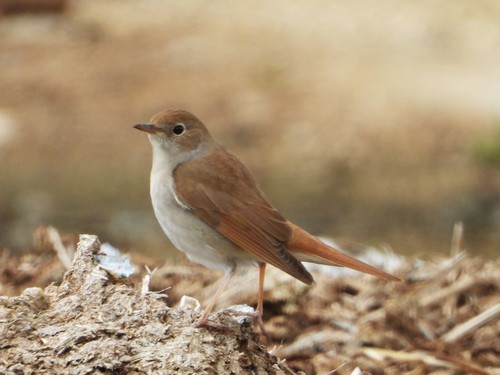
サヨナキドリ (Luscinia megarhynchos) サヨナキドリ

メディア

読み込み中…

要点

ヨーロッパコマドリとサヨナキドリを区別する最も信頼できる方法は、ロビンの明るいオレンジ赤の胸と顔であり、これはサヨナキドリのどの年齢や性別でも見られません。幼鳥のロビンは茶色で斑点がありますが、それでもサヨナキドリはより地味で、茶色の上面と対照的な特徴的な赤褐色の尾を持っています。サヨナキドリはより大きく、尾が長く、上面はより均一に茶色で、下面はバフホワイトで、オレンジや強い顔色はありません。飛んでいる時や止まっている時には、ロビンのコンパクトで丸い体形と、サヨナキドリのより長く、細身のプロファイルと赤褐色の尾を見分けてください。両種は似たような生息地に見られますが、サヨナキドリははるかに希少で、北部および西部ヨーロッパの多くの地域で非常に局所的です。

識別のコツ

  1. オレンジ赤の胸と顔(成鳥ロビン): これを示すのはヨーロッパコマドリだけで、サヨナキドリは決して示しません。すべての成鳥と部分的に換羽したほとんどの初冬鳥に適用されます。
  2. 幼鳥ロビンとサヨナキドリ: 幼鳥のロビンは斑点のある茶色と白で、オレンジはありませんが、依然として丸い体形と短い尾を持っています。幼鳥のサヨナキドリは上面が地味な茶色で、下面がバフで、赤褐色の尾を持ち、決して斑点や模様はありません。
  3. 赤褐色の尾(サヨナキドリ): すべての年齢のサヨナキドリは、茶色の背中と対照的な明確な赤褐色の尾を示します。ロビンの尾は茶色で、決して赤褐色ではありません。
  4. 体形: ロビンはコンパクトで丸く、短い尾を持ち、サヨナキドリはより長く、細身で、尾が長いです。
  5. 翼の覆い羽の先端(初冬ロビン): 初冬のロビンは翼の覆い羽に黄褐色の先端を示すことがありますが、サヨナキドリにはありません。
  6. 顔の模様: ロビンは強いオレンジの顔を持ち、サヨナキドリの顔は地味な茶色で、時々東部亜種では淡い色の眉斑がありますが、決してオレンジではありません。
  7. 下面: ロビンはオレンジの胸を持つ白い腹を持ち、サヨナキドリはバフから白で、オレンジや赤はありません。
  8. くちばしと目: 両者ともに暗いくちばしと目を持ち、区別には役立ちません。
  9. 止まっている行動: ロビンはしばしば開けた場所に止まり、慣れていますが、サヨナキドリは内気で、通常は密なカバーに留まります。
  10. 飛行シルエット: ロビンは飛行中に短い尾とコンパクトに見え、サヨナキドリはより長く、尖った尾を持っています。
  11. 歌: ロビンの歌は甘くて悲しげで、年間を通して聞かれ、サヨナキドリの歌ははるかに大きく、より多様で、主に春に深いカバーから発せられます。
  12. 生息地: ロビンは庭、公園、森で一般的で、サヨナキドリは希少で局所的で、特にイングランド南東部と大陸ヨーロッパで密な低木や茂みを好みます。
  13. 季節: サヨナキドリはその範囲のほとんどで春と夏にのみ存在し、ロビンはほとんどの地域で年間を通じて生息しています。
  14. 性差: 両種は羽毛において性別が同形であり、外見から性別を判断することはできません。
  15. 落とし穴: 幼鳥ロビン(オレンジなし)とサヨナキドリを薄暗い光の中で見分ける際には注意が必要です—形、尾の色、生息地が重要です。

大きさ

ヨーロッパコマドリは小さく、体長は12.5–14.0 cm、翼幅は20–22 cm、体重は16–22 gです [wikipedia][avonet]。サヨナキドリは体長が15–16.5 cmで [wikipedia]、体と尾が長いので明らかに大きいです。距離があると違いは微妙ですが、良い視界や両者が一緒に見られると明らかです。サヨナキドリはロビンよりもより細長く、コンパクトではありません。

羽色

行動

ロビンはしばしば低い枝、ポスト、または庭の家具に直立して止まっているのが見られ、頻繁に翼や尾をひらひらさせます。彼らは特に庭では非常に大胆で慣れています。サヨナキドリはより秘密主義で、通常は密な下草や低い低木に隠れ、開けた場所で見られることは少ないです。サヨナキドリは赤褐色の尾や翼をひらひらさせることがありますが、一般的にロビンよりも動きが目立たないです。

生息環境

両種は森林の端、庭、公園に生息することがありますが、ロビンは特に西部および北部ヨーロッパではるかに広範囲に分布し、一般的です。ロビンは都市部を含む広範囲の生息地に見られます。サヨナキドリははるかに局所的で、特に南部および東部ヨーロッパで密な低木、茂み、切り株の森林を好みます。イギリスでは、サヨナキドリは南東部の数県に制限されており、減少していますが、ロビンはほぼどこにでも豊富です。

声

ロビンの歌は高く、甘く、やや悲しげなフレーズの連続で、しばしば目に見える止まり木から発せられ、年間を通じて聞かれます(特に秋と冬に)。サヨナキドリの歌ははるかに豊かで、大きく、より多様で、強力な口笛、トリル、ゴロゴロ音を伴い、通常は深いカバーから発せられ、主に春と初夏の夜明けや夕暮れに聞かれます。サヨナキドリはオスだけが歌い、ロビンの両性は歌いますが、サヨナキドリの歌ははるかに elaborate で有名です。

より良い説明を送る

比較と同じ項目を使ってください。文章はすぐに公開されます。

The most reliable way to separate European Robin from Common Nightingale is by the robin's bright orange-red breast and face, which is never shown by nightingale of any age or sex. Juvenile robins are brown and speckled, but even then, nightingales are plainer and have a distinctive rufous tail contrasting with brown upperparts. Nightingales are larger and longer-tailed, with a more uniformly brown appearance above and buff-white below, lacking any orange or strong facial color. In flight or perched, look for the robin's compact, round-bodied shape versus the nightingale's longer, more slender profile and reddish tail. Both species can be found in similar habitats, but nightingale is much scarcer and highly localized in much of northern and western Europe.

  1. Orange-red breast and face (adult robin): Only European Robin shows this; nightingale never does. Works for all adults and most first-winters after partial molt.
  2. Juvenile robin vs nightingale: Juvenile robins are mottled brown and white, lacking orange, but still appear round-bodied and short-tailed. Juvenile nightingales are plain brown above, buff below, with a rufous tail—never mottled or spotted.
  3. Rufous tail (nightingale): Nightingale of all ages shows a distinctly rufous tail, contrasting with the brown back. Robin's tail is brown and never rufous.
  4. Body shape: Robin is compact, round, and short-tailed; nightingale is longer, more slender, and has a longer tail.
  5. Wing covert tips (first-winter robin): First-winter robins may show yellow-brown tips to the wing coverts, which are absent in nightingale.
  6. Facial pattern: Robin has a strong orange face; nightingale's face is plain brown, sometimes with a faint pale supercilium in eastern subspecies, but never orange.
  7. Underparts: Robin has a white belly with orange breast; nightingale is buff to white below, with no orange or red.
  8. Bill and eye: Both have dark bills and eyes; not a useful separator.
  9. Perched behavior: Robin often perches in the open and is tame; nightingale is shy, usually stays in dense cover.
  10. Flight silhouette: Robin appears short-tailed and compact in flight; nightingale is longer, with a more pointed tail.
  11. Song: Robin's song is sweet and melancholy, heard year-round; nightingale's song is much louder, more varied, and delivered mostly in spring from deep cover.
  12. Habitat: Robin is common in gardens, parks, and woods; nightingale is rare and local, favoring dense scrub and thickets, especially in southeast England and continental Europe.
  13. Season: Nightingale is present only in spring and summer in most of its range; robin is resident year-round in most areas.
  14. Sex differences: Both species are sexually monomorphic in plumage; sex cannot be determined by appearance.
  15. Pitfalls: Beware of juvenile robin (no orange) and nightingale in poor light—shape, tail color, and habitat are key then.

European Robin is smaller, measuring 12.5–14.0 cm in length with a wingspan of 20–22 cm and weighing 16–22 g [wikipedia][avonet]. Common Nightingale is noticeably larger at 15–16.5 cm in length [wikipedia], with a longer body and tail. The difference is subtle at a distance but obvious with good views or when both are seen together. Nightingale appears more elongated and less compact than robin.

  • Juvenile/First-winter: Juvenile robins are mottled brown and white, lacking any orange or red on the breast or face, but still show a compact, round shape and short tail. First-winter robins resemble adults but may show yellow-brown tips to the wing coverts, a feature not present in nightingale. Juvenile nightingales are similar to adults: plain brown above, buff to white below, with a rufous tail and no orange or red anywhere.
  • Adult: Adult robins of both sexes have a vivid orange-red breast and face bordered by bluish-grey, brownish upperparts, and a whitish belly. Nightingales are plain brown above (sometimes paler in eastern subspecies), with a strong rufous tail, buff to white underparts, and sometimes a faint pale supercilium in eastern birds. Nightingales never show any orange or red on the face or breast.
  • Flight/Upperwing: No distinctive upperwing pattern is described for either species in flight, but the robin's compact shape and short tail contrast with the nightingale's longer, more pointed tail and overall length.

Robins are often seen perching upright on low branches, posts, or garden furniture, frequently flicking their wings and tail. They can be quite bold and tame, especially in gardens. Nightingales are more secretive, usually skulking in dense undergrowth or low shrubs, and are less likely to be seen in the open. Nightingales may flick their rufous tail and wings, but are generally less conspicuous in their movements than robins.

Both species can occur in woodland edges, gardens, and parks, but robins are far more widespread and common, especially in western and northern Europe. Robins are found in a wide range of habitats, including urban areas. Nightingales are much more localized, favoring dense scrub, thickets, and coppiced woodland, especially in southern and eastern Europe. In the UK, nightingales are restricted to a few counties in the southeast and are declining, whereas robins are abundant almost everywhere.

The robin's song is a series of high, sweet, and somewhat melancholy phrases, often delivered from a visible perch, and is heard year-round (especially in autumn and winter). Nightingale song is much richer, louder, and more varied, with powerful whistles, trills, and gurgles, typically delivered from deep cover and mostly at dawn or dusk in spring and early summer. Only male nightingales sing; both sexes of robin sing, but the nightingale's song is far more elaborate and famous.

変更を破棄しますか?

保存していない編集があります。今離れると失われます。

ヨーロッパコマドリ · サヨナキドリ · 苦手な鳥