

Petirrojo Europeo vs Ruiseñor Común
Erithacus rubecula frente a Luscinia megarhynchos
Juega un quiz con Petirrojo Europeo y Ruiseñor Común
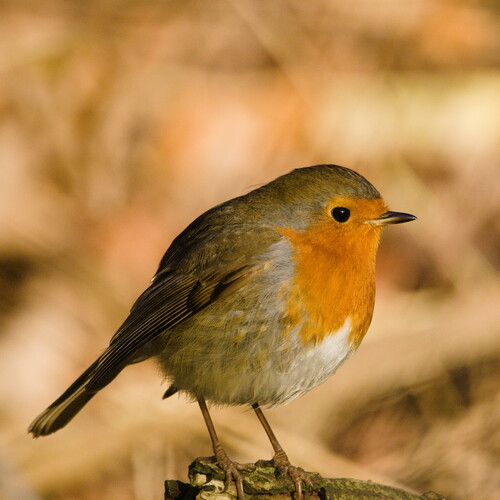 Petirrojo Europeo
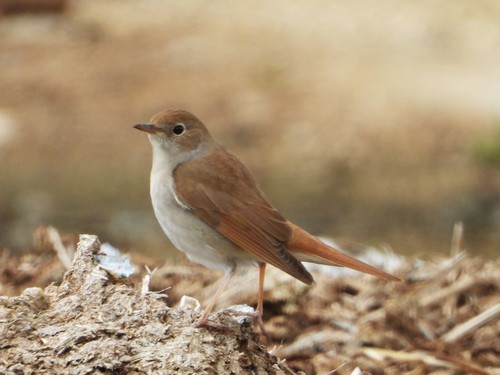 Ruiseñor Común
En breve
La forma más confiable de separar el Petirrojo Europeo del Ruiseñor Común es por el brillante pecho y cara naranja-roja del petirrojo, que nunca es mostrado por el ruiseñor de cualquier edad o sexo. Los petirrojos juveniles son marrones y moteados, pero incluso entonces, los ruiseñores son más simples y tienen una distintiva cola rufo que contrasta con las partes superiores marrones. Los ruiseñores son más grandes y tienen colas más largas, con una apariencia más uniformemente marrón por encima y blanco amarillento por debajo, careciendo de cualquier color naranja o facial fuerte. En vuelo o posados, busca la forma compacta y redondeada del petirrojo frente al perfil más largo y esbelto del ruiseñor y su cola rojiza. Ambas especies pueden encontrarse en hábitats similares, pero el ruiseñor es mucho más escaso y altamente localizado en gran parte del norte y oeste de Europa.
Consejos de identificación
- Pecho y cara naranja-roja (petirrojo adulto): Solo el Petirrojo Europeo muestra esto; el ruiseñor nunca lo hace. Funciona para todos los adultos y la mayoría de los primeros inviernos después de la muda parcial.
- Petirrojo juvenil vs ruiseñor: Los petirrojos juveniles son marrones y blancos moteados, careciendo de naranja, pero aún así parecen de cuerpo redondo y cola corta. Los ruiseñores juveniles son marrón simple por encima, blanco amarillento por debajo, con una cola rufo—nunca moteados o manchados.
- Cola rufo (ruiseñor): El ruiseñor de todas las edades muestra una cola distintivamente rufo, contrastando con la espalda marrón. La cola del petirrojo es marrón y nunca rufo.
- Forma del cuerpo: El petirrojo es compacto, redondo y de cola corta; el ruiseñor es más largo, más esbelto y tiene una cola más larga.
- Puntas de las cobertoras de las alas (petirrojo de primer invierno): Los petirrojos de primer invierno pueden mostrar puntas marrón-amarillentas en las cobertoras de las alas, que están ausentes en el ruiseñor.
- Patrón facial: El petirrojo tiene una cara naranja fuerte; la cara del ruiseñor es marrón simple, a veces con un tenue supercilio pálido en las subespecies orientales, pero nunca naranja.
- Partes inferiores: El petirrojo tiene un vientre blanco con pecho naranja; el ruiseñor es blanco amarillento por debajo, sin naranja o rojo.
- Pico y ojo: Ambos tienen picos y ojos oscuros; no es un separador útil.
- Comportamiento posado: El petirrojo a menudo se posa en lugares abiertos y es manso; el ruiseñor es tímido, generalmente permanece en cobertura densa.
- Silhouette de vuelo: El petirrojo aparece de cola corta y compacto en vuelo; el ruiseñor es más largo, con una cola más puntiaguda.
- Canto: El canto del petirrojo es dulce y melancólico, escuchado durante todo el año; el canto del ruiseñor es mucho más fuerte, más variado, y se entrega principalmente en primavera desde una cobertura densa.
- Hábitat: El petirrojo es común en jardines, parques y bosques; el ruiseñor es raro y local, favoreciendo matorrales densos y arbustos, especialmente en el sureste de Inglaterra y Europa continental.
- Temporada: El ruiseñor está presente solo en primavera y verano en la mayor parte de su rango; el petirrojo es residente durante todo el año en la mayoría de las áreas.
- Diferencias sexuales: Ambas especies son sexualmente monomórficas en plumaje; el sexo no puede ser determinado por la apariencia.
- Trampas: Cuidado con el petirrojo juvenil (sin naranja) y el ruiseñor en poca luz—la forma, el color de la cola y el hábitat son clave entonces.
Tamaño
El Petirrojo Europeo es más pequeño, midiendo 12.5–14.0 cm de longitud con una envergadura de 20–22 cm y pesando 16–22 g [wikipedia][avonet]. El Ruiseñor Común es notablemente más grande, midiendo 15–16.5 cm de longitud [wikipedia], con un cuerpo y cola más largos. La diferencia es sutil a distancia pero obvia con buenas vistas o cuando ambos son vistos juntos. El ruiseñor parece más alargado y menos compacto que el petirrojo.
Plumaje
- Juvenil/Primer invierno: Los petirrojos juveniles son marrones y blancos moteados, careciendo de cualquier naranja o rojo en el pecho o la cara, pero aún muestran una forma compacta, redonda y cola corta. Los petirrojos de primer invierno se parecen a los adultos pero pueden mostrar puntas marrón-amarillentas en las cobertoras de las alas, una característica que no está presente en el ruiseñor. Los ruiseñores juveniles son similares a los adultos: marrón simple por encima, blanco amarillento por debajo, con una cola rufo y sin naranja o rojo en ninguna parte.
- Adulto: Los petirrojos adultos de ambos sexos tienen un pecho y cara naranja-roja vívidos bordeados por partes superiores gris-azuladas y marrones, y un vientre blanquecino. Los ruiseñores son marrón simple por encima (a veces más pálidos en las subespecies orientales), con una fuerte cola rufo, partes inferiores de blanco amarillento, y a veces un tenue supercilio pálido en los pájaros orientales. Los ruiseñores nunca muestran naranja o rojo en la cara o el pecho.
- Vuelo/Parte superior del ala: No se describe un patrón distintivo en la parte superior del ala para ninguna de las especies en vuelo, pero la forma compacta del petirrojo y su cola corta contrastan con la cola más larga y puntiaguda del ruiseñor y su longitud general.
Comportamiento
Los petirrojos a menudo se ven posados verticalmente en ramas bajas, postes o muebles de jardín, frecuentemente moviendo sus alas y cola. Pueden ser bastante audaces y mansos, especialmente en jardines. Los ruiseñores son más secretos, generalmente se esconden en la densa maleza o arbustos bajos, y son menos propensos a ser vistos en lugares abiertos. Los ruiseñores pueden mover su cola y alas rufo, pero generalmente son menos conspicuos en sus movimientos que los petirrojos.
Hábitat
Ambas especies pueden ocurrir en bordes de bosques, jardines y parques, pero los petirrojos son mucho más extendidos y comunes, especialmente en el oeste y norte de Europa. Los petirrojos se encuentran en una amplia gama de hábitats, incluyendo áreas urbanas. Los ruiseñores son mucho más localizados, favoreciendo matorrales densos, arbustos y bosques de corta, especialmente en el sur y este de Europa. En el Reino Unido, los ruiseñores están restringidos a unos pocos condados en el sureste y están en declive, mientras que los petirrojos son abundantes casi en todas partes.
Voz
El canto del petirrojo es una serie de frases altas, dulces y algo melancólicas, a menudo entregadas desde un posadero visible, y se escucha durante todo el año (especialmente en otoño e invierno). El canto del ruiseñor es mucho más rico, más fuerte y más variado, con potentes silbidos, trinos y gorgoteos, típicamente entregados desde una cobertura densa y mayormente al amanecer o al anochecer en primavera y principios del verano. Solo los machos de ruiseñor cantan; ambos sexos de petirrojo cantan, pero el canto del ruiseñor es mucho más elaborado y famoso.