

Motmot

ヨーロッパハチクマ 対 ヨーロッパチュウヒ

Pernis apivorus 対 Circus aeruginosus

ヨーロッパハチクマとヨーロッパチュウヒのクイズ
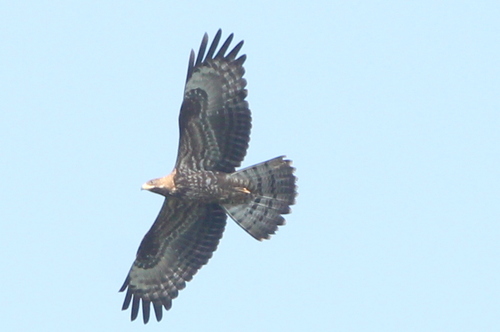
ヨーロッパハチクマ (Pernis apivorus) ヨーロッパハチクマ
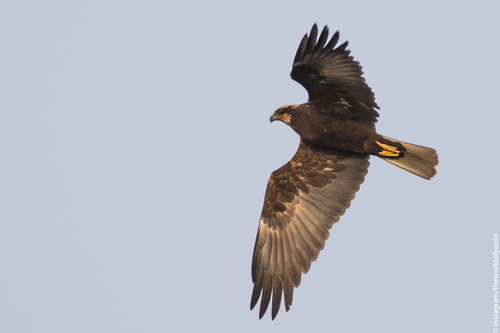
ヨーロッパチュウヒ (Circus aeruginosus) ヨーロッパチュウヒ

メディア

読み込み中…

要点

ヨーロッパハチクマとヨーロッパチュウヒを飛行中に区別する最も信頼できるフィールドマークは構造です:ハチクマは長い首、小さな鳩のような頭、そして通常2本の暗いバーがある長くて細い尾を示しますが、チュウヒはよりずんぐりしており、翼が広く、尾は短く、あまり明確にバーがありません。幼鳥のハチクマはヨーロッパノスリに似ることがありますが、チュウヒには似ません。チュウヒの幼鳥は暗く、ハチクマの特徴的な頭と尾の形が欠けています。滑空時の姿勢が重要です:ハチクマは平らでまっすぐな翼で滑空し、頭を前に突き出しますが、チュウヒは翼を浅いVの形に保ち、しばしば足をぶら下げます。性差は両方に見られますが、ハチクマの青灰色のオスの頭は独特です。これらの構造的および飛行の手がかりを最初に使用し、その後に羽毛と文脈を確認してください。

識別のコツ

  1. Head and neck shape in flight: ハチクマは小さな鳩のような頭と前に突き出た長い首を示し、チュウヒのブロック状の頭と短い首とは異なります。これは遠くからの最も良いマークです。
  2. Tail length and barring: ハチクマの尾は長くて細く、通常2本の細い暗いバーと広い亜端バーがあり、すべての年齢で見られます。チュウヒの尾は短く、広く、このパターンがありません。
  3. Wing shape and posture: ハチクマは平らでまっすぐな翼で滑空し、時には手首でわずかに下向きに曲がることがあります。チュウヒは翼を浅いV(ダイヘドラル)に保ち、狩りの際に足をぶら下げることがよくあります。
  4. Plumage in adult males: オスのハチクマは青灰色の頭を持ち(独特)、オスのチュウヒは淡い頭と肩、茶色の前羽、灰色の二次羽と尾、黒い初列風切羽を持ち、下から見ると三色に見えます。
  5. Plumage in females and juveniles: メスのハチクマは茶色の頭を持ち、オスよりもやや暗いです。チュウヒのメスと幼鳥は暗いチョコレートブラウンで、淡い黄色がかった頭と肩、そして暗い目のマスクを持っています。幼鳥のチュウヒはハチクマの尾のパターンや頭の形を決して示しません。
  6. Jizz and flight style: ハチクマは直接飛行中に長い首を持ち、ほぼガチョウのように見え、時には角ばった胸を持ちます。チュウヒはずんぐりしており、より重く、ハリアーのような飛行をし、しばしば足をぶら下げているのが見えます。
  7. Habitat context: ハチクマは繁殖期に特に森林と関連していることがほとんどで、チュウヒは開けた湿地と沼地に結びついています。生息地は強力な手がかりとなることがあります。
  8. Behavior: ハチクマは秘密主義で、展示や移動中以外はほとんど見られません。チュウヒは目立ち、しばしば開けた地面の上を低く狩ります。
  9. Mimicry confusion: 幼鳥のハチクマはヨーロッパノスリに似ることがありますが、チュウヒには似ません。長い首と小さな頭を持つ「ノスリ」を見たと思ったら、ハチクマを確認してください。
  10. Sexual dimorphism: 両種は性による二形性がありますが、ハチクマのオスだけが青灰色の頭を持っています。チュウヒのオスは淡い頭と灰色の二次羽/尾を持ちますが、青灰色の頭は持ちません。
  11. Size: ハチクマはやや長く、翼が長いですが、体重は軽いです。チュウヒは特にメスではずんぐりしています。サイズは微妙で、他のマークと一緒に使用するのが最適です。
  12. Legs in flight: チュウヒはしばしば足をぶら下げて飛びますが、ハチクマはそうではありません。
  13. Voice: 両方とも一般的に静かです。ハチクマの「ぴーる」はめったに聞かれず、信頼できるフィールドマークではありません。
  14. Season and range: ハチクマは稀な夏の渡り鳥で、春/夏に森林の上で最も見られます。チュウヒはより広範囲に分布し、年間を通じて沼地の上で見られる可能性が高いです。
  15. Pitfalls: 全体的な茶色の色合いやサイズだけに頼らないでください。信頼できる区別のために頭/首の形、尾のパターン、飛行スタイルに焦点を当ててください。

大きさ

ヨーロッパハチクマはやや長く(52–60 cm)、翼幅も広い(130–150 cm)ですが、ヨーロッパチュウヒ(48–56 cm、翼幅115–130 cm)よりも体重は軽い(440–1050 g対400–800 g)です。ハチクマは長くてスリムに見え、尾と首が相対的に長いですが、チュウヒはずんぐりしています。フィールドでは、チュウヒはしばしば重く、翼が広く見えますが、その違いは微妙で、直接比較や経験で判断するのが最適です。

羽色

幼鳥と未熟な羽毛は一般的な落とし穴です。幼鳥のヨーロッパハチクマはヨーロッパノスリに似ることがありますが、チュウヒには似ません:長くて細い尾に2本または3本の暗いバーと広い亜端バンドを示し、小さな鳩のような頭を持っています。幼鳥のチュウヒは全体的に暗いチョコレートブラウンで、時には頭と肩に限られた黄色が見られますが、ハチクマの尾のパターンや頭の形は決して示しません。成鳥のオスのハチクマは青灰色の頭を持ち(このペアでは独特)、メスの頭は茶色です。両性とも長いバーのある尾と平らでまっすぐな翼を持っています。成鳥のオスのチュウヒは飛行中に三色に見えます:茶色の前羽、灰色の二次羽と尾、黒い初列風切羽、淡い頭/肩。メスと幼鳥は暗い茶色で、淡い黄色がかった頭と肩、目の周りに暗いマスクを持っています。チュウヒはハチクマの小さな頭、長い首、または尾のパターンを決して示しません。ハチクマの角ばった胸と頭の突き出しは、直接飛行中に最もよく見られます。

行動

ハチクマは平らでまっすぐな翼で滑空し、高く飛び、あまり羽ばたかず、手首でわずかに下向きに曲がることがあります。頭は前に突き出ており、長い首のように見えます。チュウヒは湿地や野原の低いところで狩りをし、翼を浅いVの形に保ちながら滑空し、足をぶら下げていることがよくあります。展示中、ハチクマのオスは翼を叩くことがあります。チュウヒは開けた地面の上を低く四分の一に飛ぶのが見られる可能性が高く、ハチクマはより秘密主義で、移動や展示飛行中にのみ見られることが多いです。

生息環境

ヨーロッパハチクマは森林で繁殖し、春の展示以外は目立たないです。イギリスでは稀で局所的で、主にイングランド南東部に生息し、森林のない地域ではほとんど見られません。チュウヒは開けた湿地、沼地、葦原の鳥で、開けた国の上を低く飛んでいるのが見られる可能性が高いです。沼の上に大きな猛禽を見た場合、チュウヒである可能性がはるかに高いです。成熟した森林の上、特に春にはハチクマを考慮してください。

声

ハチクマは明確な「ぴーる」の呼び声を出しますが、一般的に静かで、フィールドではあまり聞かれません。チュウヒも一般的に静かで、声はこの2種の区別のための信頼できるフィールドマークではありません。

より良い説明を送る

比較と同じ項目を使ってください。文章はすぐに公開されます。

The most reliable field mark to separate European Honey-buzzard from Western Marsh Harrier in flight is structure: Honey-buzzard shows a long neck, small pigeon-like head, and long, narrow tail with fewer (usually two) dark bars, while Marsh Harrier is bulkier with broader wings and a shorter, less distinctly barred tail. Juvenile Honey-buzzards may mimic Common Buzzard, but not Marsh Harrier; Marsh Harrier juveniles are dark and lack the honey-buzzard's distinctive head and tail shape. Soaring jizz is key: Honey-buzzard glides on flat, straight wings with the head projecting forward, while Marsh Harrier holds its wings in a shallow V and often dangles its legs. Sex differences are visible in both, but the honey-buzzard's blue-grey male head is unique. Use these structural and flight clues first, then check plumage and context.

  1. Head and neck shape in flight: Honey-buzzard shows a small, pigeon-like head and a long neck projecting forward, unlike the blockier head and shorter neck of Marsh Harrier. This is the single best mark at distance.
  2. Tail length and barring: Honey-buzzard's tail is longer and narrower, with usually two narrow dark bars plus a broad subterminal bar, visible in all ages; Marsh Harrier's tail is shorter, broader, and lacks this pattern.
  3. Wing shape and posture: Honey-buzzard soars on flat, straight wings, sometimes with a downward kink at the carpal; Marsh Harrier holds wings in a shallow V (dihedral) and often dangles legs when hunting.
  4. Plumage in adult males: Male Honey-buzzard has a blue-grey head (unique), while male Marsh Harrier has a pale head and shoulders, brown forewing, grey secondaries and tail, and black primaries—appearing three-toned from below.
  5. Plumage in females and juveniles: Female Honey-buzzard has a brown head and is slightly darker than the male; Marsh Harrier females and juveniles are dark chocolate-brown with a pale yellowish head and shoulders, and a dark eye mask. Juvenile Marsh Harrier never shows the honey-buzzard's tail pattern or head shape.
  6. Jizz and flight style: Honey-buzzard appears long-necked and almost goose-like in direct flight, with a sometimes angular chest; Marsh Harrier is bulkier, with a heavier, more harrier-like flight and often visible dangling legs.
  7. Habitat context: Honey-buzzard is almost always associated with woodland, especially in breeding season; Marsh Harrier is tied to open wetlands and marshes. Habitat can be a strong clue.
  8. Behavior: Honey-buzzard is secretive, rarely seen except in display or migration; Marsh Harrier is conspicuous, often hunting low over open ground.
  9. Mimicry confusion: Juvenile Honey-buzzard may mimic Common Buzzard, but not Marsh Harrier. If you think you see a 'buzzard' with a long neck and small head, check for honey-buzzard.
  10. Sexual dimorphism: Both species are sexually dimorphic, but only Honey-buzzard males have a blue-grey head. Marsh Harrier males have a pale head and grey secondaries/tail, but never a blue-grey head.
  11. Size: Honey-buzzard is slightly longer and longer-winged, but less heavy-bodied; Marsh Harrier is bulkier, especially in females. Size is subtle and best used with other marks.
  12. Legs in flight: Marsh Harrier often flies with legs dangling; Honey-buzzard does not.
  13. Voice: Both are generally silent; honey-buzzard's 'peee-lu' is rarely heard and not a reliable field mark.
  14. Season and range: Honey-buzzard is a scarce summer migrant, most likely in spring/summer over woodland; Marsh Harrier is more widespread and likely over marshes year-round.
  15. Pitfalls: Do not rely on overall brown coloration or size alone; focus on head/neck shape, tail pattern, and flight style for reliable separation.

European Honey-buzzard is slightly longer (52–60 cm) and has a broader wingspan (130–150 cm) than Western Marsh Harrier (48–56 cm, 115–130 cm wingspan), but is less heavy-bodied (440–1050 g vs. 400–800 g). Honey-buzzard appears longer and slimmer, with a proportionally longer tail and neck, while Marsh Harrier is bulkier, especially in females. In the field, Marsh Harrier often looks heavier and broader-winged, but the difference is subtle and best judged in direct comparison or with experience.

Juvenile and immature plumages are a common pitfall. Juvenile European Honey-buzzard can resemble Common Buzzard, but not Marsh Harrier: it shows a long, narrow tail with two or three dark bars and a broad subterminal band, and a small, pigeon-like head. Juvenile Marsh Harriers are dark chocolate-brown overall, sometimes with limited yellow on the head and shoulders, but never show the honey-buzzard's tail pattern or head shape. Adult male Honey-buzzard has a blue-grey head (unique in this pair), while the female's head is brown; both sexes have a long, barred tail and flat, straight wings. Adult male Marsh Harrier is three-toned in flight: brown forewing, grey secondaries and tail, black primaries, and pale head/shoulders. Females and juveniles are dark brown with a pale yellowish head and shoulders, and a dark mask around the eye. Marsh Harrier never shows the honey-buzzard's small head, long neck, or tail pattern. The honey-buzzard's angular chest and head projection are best seen in direct flight.

Honey-buzzard soars on flat, straight wings, often high and with little flapping, and may show a slight downward kink at the carpal. Its head projects forward, giving a long-necked look. Marsh Harrier hunts low over marshes and fields, gliding with wings in a shallow V and legs often dangling. In display, honey-buzzard males may wing-clap. Marsh Harrier is more likely to be seen quartering low over open ground, while honey-buzzard is more secretive and often seen only during migration or display flights.

European Honey-buzzard breeds in woodlands and is inconspicuous except during spring display. It is scarce and local in the UK, mostly in southeastern England, and is rarely seen away from forested areas. Marsh Harrier is a bird of open wetlands, marshes, and reedbeds, and is much more likely to be seen flying low over open country. If you see a large raptor over a marsh, Marsh Harrier is far more likely; over mature woodland, especially in spring, consider Honey-buzzard.

Honey-buzzard gives a clear 'peee-lu' call, but is generally silent and not often heard in the field. Marsh Harrier is also generally silent, and voice is not a reliable field mark for separation between these two.

変更を破棄しますか?

保存していない編集があります。今離れると失われます。

ヨーロッパハチクマ · ヨーロッパチュウヒ · 苦手な鳥