

Motmot

ヨーロッパハチクマ 対 マダラハゲワシ

Pernis apivorus 対 Gyps rueppelli

ヨーロッパハチクマとマダラハゲワシのクイズ
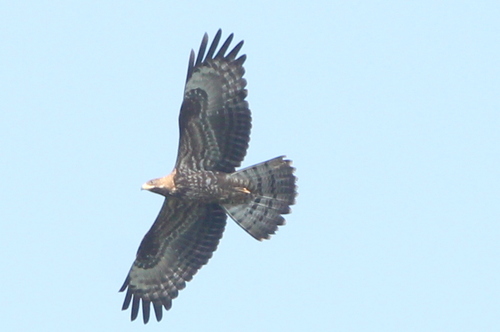
ヨーロッパハチクマ (Pernis apivorus) ヨーロッパハチクマ
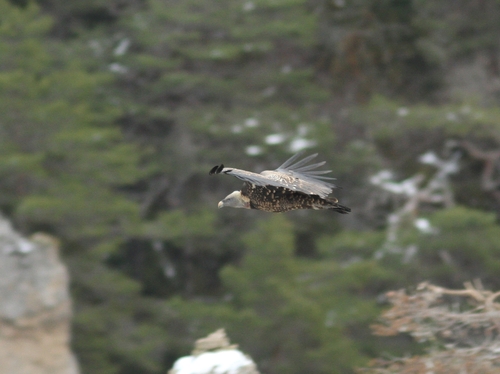
マダラハゲワシ (Gyps rueppelli) マダラハゲワシ

メディア

読み込み中…

要点

ヨーロッパハチクマとマダラハゲワシを区別する最も信頼できる方法は、全体的なサイズと構造によるものです:マダラハゲワシは、裸の頭と太い首を持つ巨大で重い体のハゲワシであり、一方、ヨーロッパハチクマは、細身で長い首を持つ猛禽類で、小さな羽毛のある頭と長い尾を持っています。飛行中、ヨーロッパハチクマは平らで真っ直ぐな翼と突き出た頭を示し、マダラハゲワシは非常に広い翼と短いくさび形の尾を持っています。幼鳥のヨーロッパハチクマは、ヨーロッパノスリと混同されることがありますが、マダラハゲワシのような大きくて重いハゲワシとは決して混同されません。羽毛の違いも際立っています:ヨーロッパハチクマは縞模様で微妙なトーンを持ち、マダラハゲワシは淡い腹部と白い首の襟を持つ大胆なまだら模様です。生息地と文脈も強い手がかりです:ヨーロッパハチクマは秘密主義的な森林の移動者であり、マダラハゲワシはアフリカのサバンナや崖の上を舞う清掃者です。

識別のコツ

  1. Size and bulk: マダラハゲワシは巨大で、翼幅は2.2メートル以上、体重は7.5kgです。ヨーロッパハチクマは細身で長い翼を持ち、ハゲワシのサイズには決して近づきません。もしその鳥が小さなワシと同じくらい大きいかそれ以上に見えるなら、それはマダラハゲワシです。
  2. Head and neck: ヨーロッパハチクマは小さな羽毛のある頭と長く細い首を持ち、飛行中にしばしば突き出ています。マダラハゲワシは太くて裸の首と大きな羽毛のない頭を持ち、基部には白い襟があります—遠くからでも非常に目立ちます。
  3. Tail shape and pattern: ヨーロッパハチクマは長い縞模様の尾(2本の狭い縞と広い亜終端縞)を持ち、飛行中にしばしば扇状になります。マダラハゲワシは短いくさび形の尾を持ち、縞模様は見えません。
  4. Wing shape and flight style: ヨーロッパハチクマは平らで真っ直ぐな翼で滑空し、水平またはわずかに垂れ下がった先端を持ち、頭が突き出ています。マダラハゲワシは非常に広い翼を持ち、先端には深い「指」があり、遅く重い羽ばたきで飛ぶか、楽に滑空します。
  5. Plumage pattern: ヨーロッパハチクマは微妙で、茶色と灰色のトーンと細かい縞模様を持っています;オスは青灰色の頭を持ち、メスは茶色です。マダラハゲワシは上面が大胆にまだらの濃い茶色で、淡い下面を持ち、白い首の襟と裸で淡い頭を持っています。
  6. Juvenile confusion: 幼鳥のヨーロッパハチクマはヨーロッパノスリに似ることがありますが、ハゲワシの裸の頭や巨大なサイズを示すことはありません。幼鳥でも成鳥でも、ハゲワシには羽毛のある頭や微妙な縞模様はありません。
  7. Perched appearance: 側に止まっているヨーロッパハチクマは細身で長い尾を持ち、直立しています。マダラハゲワシは巨大で、背中を丸めており、太い首と大きな裸の頭を示します。
  8. Feeding behavior: ヨーロッパハチクマは森の床でスズメバチの巣を掘っているのが見られます;マダラハゲワシは常に死骸のそばにいて、しばしば群れで見られます。
  9. Habitat: ヨーロッパハチクマは森林や森林の端に生息し、マダラハゲワシは開けたサバンナや山の崖に生息します。
  10. Vocalization: 明確な笛のような「ぴーるー」という呼び声はヨーロッパハチクマ;ハゲワシは食べ物の争い以外はほとんど静かです。
  11. Sex differences: ヨーロッパハチクマだけが性的二形性を示します(オスは青灰色の頭、メスは茶色);マダラハゲワシの性別は同一です。
  12. Migration and season: ヨーロッパハチクマはヨーロッパでの移動者で、主に春と秋に見られます;マダラハゲワシはアフリカに常駐しています。
  13. Social behavior: ヨーロッパハチクマは孤独またはペアで見られます;マダラハゲワシは非常に群れを成し、大きな群れで見られることが多いです。
  14. Altitude of flight: マダラハゲワシは極端な高度(最大11,000 m)で滑空できますが、これは現場での観察にはあまり関係ありません。
  15. General impression (jizz): もしその鳥が巨大で重い裸の頭を持つ清掃者のように見えるなら、それはマダラハゲワシです。もし細身で長い尾を持ち、小さな頭の猛禽類のように見えるなら、それはヨーロッパハチクマです。

大きさ

マダラハゲワシはヨーロッパハチクマよりもはるかに大きいです。マダラハゲワシは長さ85〜103 cm、翼幅は2.26〜2.6 m、体重は約7.5 kg [wikidata]であり、最も大きな飛ぶ鳥の一つです。それに対して、ヨーロッパハチクマは長さ52〜60 cm、翼幅130〜150 cmで、体重ははるかに軽い(440〜1050 g)です。遠くからでも、ハゲワシのサイズと体重は、細身で中型のヨーロッパハチクマと比較して明らかです。

羽色

幼鳥のヨーロッパハチクマは表面的にはヨーロッパノスリに似ることがありますが、マダラハゲワシには似ません。すべての年齢のヨーロッパハチクマは羽毛のある頭、微妙な茶色と灰色のトーン、長い縞模様の尾(通常は2本の狭い暗い縞と広い亜終端縞)を持っています。オスは青灰色の頭を持ち、メスは茶色です。飛行中、翼は長く平らで、真っ直ぐな後縁と突き出た頭を持っています。対照的に、マダラハゲワシは上面が大胆にまだらの茶色または黒で、淡い白っぽい茶色の腹部、白い首の襟、裸で淡い頭と首を持っています。ハゲワシの翼は非常に広く、淡い覆羽と暗い飛行羽の二色効果を示します。頭は常に羽毛がなく、首は太く、目立つ白い襟があります。マダラハゲワシには羽毛の年齢や性別の変異は見られません。ヨーロッパハチクマの微妙な縞模様と小さな頭は、ハゲワシの際立った模様や裸の皮膚には決して匹敵しません。

行動

ヨーロッパハチクマは秘密主義的で、しばしば森林の上を滑空したり、移動中に平らな翼で滑空しているのが見られます。地面でスズメバチの巣を掘るのを専門としており、死骸のそばにいることはほとんどありません。マダラハゲワシは非常に社交的で目立つ清掃者であり、しばしばサバンナの上を大きな群れで滑空したり、死骸の上を旋回しているのが見られます。死骸のみに餌を与え、大きな集まりで見られることが多く、裸の頭と強力な体を持って死骸を貪るように適応しています。ハゲワシの飛行は重く威厳があり、しばしば高高度で行われますが、ヨーロッパハチクマはより浮力があり敏捷です。

生息環境

ヨーロッパハチクマはヨーロッパおよび西アジアの森林で繁殖し、夏の移動者で、アフリカで越冬します。特にイギリスでは稀で秘密主義的であり、森林地域から遠く離れているのはほとんど見られません。マダラハゲワシはサヘルおよび東アフリカに常駐し、開けたサバンナ、巣作りのための崖、大型哺乳類が豊富な地域を好みます。密な森林では見られず、ヨーロッパには存在しません。同じ地域で見られる場合、文脈は強い手がかりです:森林や端の生息地にいるのがヨーロッパハチクマで、開けた乾燥した山岳地帯にいるのがマダラハゲワシです。

声

ヨーロッパハチクマは特に春のディスプレイで明確な「ぴーるー」という呼び声を出します。マダラハゲワシは巣や死骸での鳴き声以外は一般的に静かです。声は現場での区別にはあまり役立ちませんが、明確な笛のような呼び声はヨーロッパハチクマを指し示します。

より良い説明を送る

比較と同じ項目を使ってください。文章はすぐに公開されます。

The most reliable way to separate European Honey-buzzard from Rüppell's Griffon is by overall size and structure: Rüppell's Griffon is a massive, heavy-bodied vulture with a bare head and thick neck, while the Honey-buzzard is a slim, long-necked raptor with a small, feathered head and a long tail. In flight, Honey-buzzard shows flat, straight wings and a protruding head, while Rüppell's Griffon has extremely broad wings and a short, wedge-shaped tail. Juvenile Honey-buzzards can be confused with Buteo buzzards, but never with a vulture as large and heavy as Rüppell's. Plumage differences are also striking: Honey-buzzard is barred and subtle-toned, while Rüppell's is boldly mottled with a pale underbelly and a white neck ruff. Habitat and context are also strong clues: Honey-buzzard is a secretive woodland migrant, Rüppell's Griffon is a soaring scavenger of African savannas and cliffs.

  1. Size and bulk: Rüppell's Griffon is enormous, with a wingspan over 2.2 meters and a body mass of 7.5 kg. Honey-buzzard is slim, long-winged, and never approaches the vulture's size. If the bird looks as large as a small eagle or bigger, it's Rüppell's.
  2. Head and neck: Honey-buzzard has a small, feathered head and long, thin neck, often protruding in flight. Rüppell's Griffon has a thick, bare neck and a large, unfeathered head with a white ruff at the base—very obvious even at a distance.
  3. Tail shape and pattern: Honey-buzzard has a long, barred tail (two narrow bars plus a broad subterminal bar), often fanned in flight. Rüppell's Griffon has a short, wedge-shaped tail with no barring visible.
  4. Wing shape and flight style: Honey-buzzard soars on flat, straight wings with horizontal or slightly drooped tips, and the head sticks out. Rüppell's Griffon has extremely broad wings with deep 'fingers' at the tips, and flies with slow, heavy wingbeats or effortless soaring.
  5. Plumage pattern: Honey-buzzard is subtle, with brown and grey tones and fine barring; males have a blue-grey head, females brown. Rüppell's Griffon is boldly mottled dark brown above, pale below, with a white neck ruff and bare, pale head.
  6. Juvenile confusion: Juvenile Honey-buzzard can mimic Common Buzzard, but never shows the vulture's bare head or immense size. No vulture, juvenile or adult, has a feathered head or subtle barring.
  7. Perched appearance: Perched Honey-buzzard is slim, long-tailed, and upright. Rüppell's Griffon is massive, hunched, and shows a thick neck and large, bare head.
  8. Feeding behavior: Honey-buzzard is seen digging on the forest floor for wasp nests; Rüppell's Griffon is always at carcasses, often in groups.
  9. Habitat: Honey-buzzard in woodland or forest edge, Rüppell's Griffon in open savanna or mountainous cliffs.
  10. Vocalization: Any clear, whistled 'peee-lu' call is Honey-buzzard; vultures are mostly silent except for squabbling at food.
  11. Sex differences: Only Honey-buzzard shows sexual dimorphism (male blue-grey head, female brown); Rüppell's Griffon sexes are identical.
  12. Migration and season: Honey-buzzard is a migrant in Europe, seen mainly in spring and autumn; Rüppell's Griffon is resident in Africa.
  13. Social behavior: Honey-buzzard is solitary or in pairs; Rüppell's Griffon is highly gregarious, often in large flocks.
  14. Altitude of flight: Rüppell's Griffon can soar at extreme altitudes (up to 11,000 m), but this is rarely relevant in field views.
  15. General impression (jizz): If the bird looks like a huge, heavy, bare-headed scavenger, it's Rüppell's Griffon. If it looks like a slim, long-tailed, small-headed raptor, it's Honey-buzzard.

Rüppell's Griffon is vastly larger than European Honey-buzzard. Rüppell's measures 85–103 cm in length with a wingspan of 2.26–2.6 m and a mass around 7.5 kg [wikidata], making it one of the largest flying birds. In contrast, European Honey-buzzard is 52–60 cm long with a 130–150 cm wingspan and is much lighter-bodied (440–1050 g). Even at a distance, the vulture's size and bulk are unmistakable compared to the slender, medium-sized Honey-buzzard.

Juvenile European Honey-buzzards can superficially resemble Buteo buzzards, but not Rüppell's Griffon. Honey-buzzard of all ages has a feathered head, subtle brown and grey tones, and a long, barred tail (usually two narrow dark bars and a broad subterminal bar). Males have a blue-grey head, females brown. In flight, the wings are long and flat, with a straight trailing edge and a protruding head. Rüppell's Griffon, by contrast, is boldly mottled brown or black above with a pale, whitish-brown underbelly, a white neck ruff, and a bare, pale head and neck. The vulture's wings are extremely broad and show a two-tone effect with pale coverts and darker flight feathers. The head is always unfeathered and the neck thick, with a conspicuous white collar. No age or sex variation in plumage is noted for Rüppell's. The Honey-buzzard's subtle barring and small head are never matched by the vulture's striking pattern and bare skin.

European Honey-buzzard is secretive, often seen soaring over woodlands or gliding with flat wings during migration. It specializes in digging for wasp nests on the ground and is rarely seen at carrion. Rüppell's Griffon is a highly social, conspicuous scavenger, often seen soaring in large groups over savanna or circling above carcasses. It feeds exclusively on carrion, often at large gatherings, and is adapted to gorge at carcasses with its bare head and powerful build. The vulture's flight is heavy and majestic, often at great heights, while Honey-buzzard is more buoyant and agile.

European Honey-buzzard breeds in European and western Asian woodlands and is a summer migrant, wintering in Africa. It is scarce and secretive, especially in Britain, and is rarely seen far from forested areas. Rüppell's Griffon is resident in the Sahel and East Africa, favoring open savanna, cliffs for nesting, and areas with abundant large mammals. It is never found in dense woodland and is absent from Europe. If seen in the same region, context is a strong clue: Honey-buzzard in forested or edge habitats, Rüppell's Griffon in open, arid, or mountainous terrain.

European Honey-buzzard gives a clear 'peee-lu' call, especially in spring display. Rüppell's Griffon is generally silent except for squealing at nests or carcasses. Voice is rarely useful for field separation, but any clear, whistled call points to Honey-buzzard.

変更を破棄しますか?

保存していない編集があります。今離れると失われます。

ヨーロッパハチクマ · マダラハゲワシ · 苦手な鳥