

Motmot

ヨーロッパムナグロ 対 タゲリ

Pluvialis apricaria 対 Vanellus vanellus

ヨーロッパムナグロとタゲリのクイズ
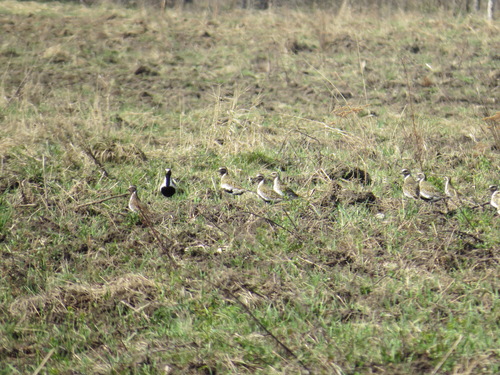
ヨーロッパムナグロ (Pluvialis apricaria) ヨーロッパムナグロ
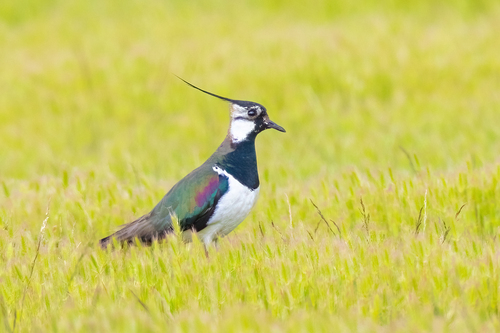
タゲリ (Vanellus vanellus) タゲリ

メディア

読み込み中…

要点

ヨーロッパムナグロとタゲリを区別する最も信頼できるフィールドマークは、全体的な構造と翼の形状です:ヨーロッパムナグロはコンパクトでがっしりとした鳥で、比較的短い翼と尾を持っていますが、タゲリはより大きく、翼が長く、特徴的な丸みを帯びた翼の形状と目立つ頭の冠を持っています。飛行中、タゲリは広く丸い翼を示し、遅くてふわふわした飛行スタイルを持っていますが、ヨーロッパムナグロはより尖った翼を持ち、迅速で直接的な飛行をします。羽毛の違いも顕著です:ヨーロッパムナグロは上面が金色の斑点で覆われ、顔と側面には白いS字型の帯がありますが、タゲリは大胆な白黒で、背中には緑がかった光沢があり、目を引く黒い冠を持っています。これらの違いはすべての年齢で見られますが、特に成鳥で明確です。声と生息地も役立ちますが、構造と飛行スタイルが最も迅速なフィールドの手がかりです。

識別のコツ

  1. 飛行中の翼の形状:タゲリは広く丸い翼を持ち、遅くてふわふわした飛行をします;ヨーロッパムナグロは尖った翼を持ち、迅速で直接的な飛行をします。これはすべての年齢で見られ、空中での最も迅速な区別です。
  2. 冠:タゲリだけが目立つ、ふわふわした冠を持ち、特にオスでは長いです。ヨーロッパムナグロは冠を示しません。
  3. 顔の模様:ヨーロッパムナグロは繁殖羽毛で額から側面にかけて白いS字型の帯を持っています;タゲリは白い顔に黒い冠と喉を持っていますが、S字型の帯はありません。
  4. 上面:ヨーロッパムナグロは上面が金色の斑点で覆われています;タゲリは背中に緑がかった光沢がありますが、その他は白黒です。
  5. 下面(繁殖時):ヨーロッパムナグロは顔から腹にかけて黒を示し、白で鮮やかに境界が引かれています;タゲリは黒い胸と喉を持っていますが、模様はあまり鮮明ではなく、常に白い顔と組み合わされています。
  6. 下翼の模様:タゲリは強い黒い後縁を持つ白い下翼を示します;ヨーロッパムナグロの下翼はより淡いですが、この大胆なコントラストはありません。
  7. くちばしと脚:タゲリは最も短い脚を持つタゲリですが、コンパクトなヨーロッパムナグロよりも長い脚に見えます。タゲリのくちばしはやや長く、より細いです。
  8. サイズと構造:タゲリはより大きく、がっしりしており、翼が長く、より直立した姿勢を持っています。ヨーロッパムナグロはがっしりとしてコンパクトで、地面に対して低く座ります。
  9. 飛行の動作:タゲリの飛行は遅くてふわふわしており、しばしば誇張された翼の打ち方とディスプレイのダイブを伴います;ヨーロッパムナグロは迅速で直接的に飛び、規則的で力強い翼の打ち方をします。
  10. 声:タゲリの大きな「ピーウィット」とディスプレイの呼び声は特徴的です;ヨーロッパムナグロの「トゥー」はより柔らかく、遠くで聞こえる可能性は低いです。
  11. 生息地:繁殖期には、タゲリは湿った草地や湿地を好みます;ヨーロッパムナグロは乾燥した湿原やツンドラを好みます。冬には、タゲリは湿った野原や大きな群れで見られる可能性が高いです。
  12. 群れの行動:タゲリは冬にしばしば大きくて騒がしい群れを形成します;ヨーロッパムナグロはより静かで、より密に集まります。
  13. 幼鳥/未熟な個体の混同:両種の若鳥は完全な成鳥の顔の模様を欠いていますが、タゲリの幼鳥は丸い翼と冠のヒントを示し、ヨーロッパムナグロの幼鳥は上面がより均一に金色です。
  14. 止まっているシルエット:タゲリの直立した姿勢、長い脚、冠は独特です;ヨーロッパムナグロは低く、丸みを帯びており、冠がありません。
  15. 落とし穴:遠距離では、タゲリの白黒の模様と飛行スタイルが通常は十分です。繁殖羽毛でないヨーロッパムナグロがより地味に見えることに注意してくださいが、彼らは決してタゲリの大胆な顔の模様や冠を示しません。

大きさ

ヨーロッパムナグロは比較的大きなムナグロですが、タゲリはさらに大きく重いです(タゲリの質量は128〜330g、ヨーロッパムナグロは平均175gです [wikidata])。タゲリは全体的に長く(28〜33 cm対ヨーロッパムナグロのやや小さいサイズ)、翼幅もはるかに長い(67〜87 cm)です。タゲリは特に長く丸い翼と目立つ冠のため、よりがっしりとして長い印象を与えます。ヨーロッパムナグロはがっしりとしてコンパクトで、体のサイズに対して短い翼と尾を持っています。

羽色

行動

タゲリは非常に声が大きく目立ち、特に繁殖期には、遅くてふわふわした翼の打ち方と絶え間ない呼び声で回転するディスプレイの飛行を行います。ヨーロッパムナグロは静かで、迅速で直接的な飛行と控えめなディスプレイを持っています。タゲリは冬にしばしば大きくて騒がしい群れを形成しますが、ヨーロッパムナグロはより密で静かなグループや単独で見られる可能性が高いです。地面では、タゲリの直立した姿勢と長い冠が特徴的で、ヨーロッパムナグロはよりコンパクトでかがんでいます。

生息環境

両種は開けた国で重なることがありますが、タゲリは湿った、湿地のある野原、荒れた草地、耕作地により頻繁に見られ、特に低地で見られます。ヨーロッパムナグロは乾燥した開けた湿原、ツンドラ、または高地の牧草地を好み、特に繁殖期に見られます。冬には、両種は農業用の野原に見られることがありますが、タゲリは湿った地面を好む傾向があり、大きな群れで見られる可能性が高いです。

声

タゲリは特に繁殖期に非常に声が大きく、鋭い「ピーウィット」の呼び声とさまざまな squeaks や mewing 音を持っています。ヨーロッパムナグロの呼び声はより柔らかく、単音節でわずかに下降する「トゥー」で、注意を引く可能性は低いです。混合群れや遠くで、タゲリの呼び声は通常、その存在の最初の手がかりです。

より良い説明を送る

比較と同じ項目を使ってください。文章はすぐに公開されます。

The most reliable field mark to separate European Golden Plover from Northern Lapwing is overall structure and wing shape: Golden Plovers are compact, thickset birds with relatively short wings and tail, while Lapwings are larger, longer-winged, and have a distinctive rounded wing shape and a prominent head crest. In flight, Lapwings show broad, rounded wings and a slow, floppy flight style, while Golden Plovers have more pointed wings and rapid, direct flight. Plumage differences are also strong: Golden Plovers are golden-spangled above with a white S-shaped band on the face and flanks, while Lapwings are boldly black-and-white with a greenish gloss on the back and a striking black crest. These differences are visible at all ages, but especially clear in adults. Voice and habitat can help, but structure and flight style are the quickest field clues.

  1. Wing shape in flight: Lapwing has broad, rounded wings with a slow, floppy flight; Golden Plover has pointed wings and rapid, direct flight. This is visible at all ages and is the quickest separation in the air.
  2. Crest: Only Lapwing has a prominent, wispy crest, especially long in males. Golden Plover never shows a crest.
  3. Face pattern: Golden Plover has a white S-shaped band from forehead to flanks in breeding plumage; Lapwing has a white face with a black crown and throat, but no S-band.
  4. Upperparts: Golden Plover is golden-spangled above; Lapwing has a greenish gloss to the back, but is otherwise black-and-white.
  5. Underparts (breeding): Golden Plover shows black from face to belly, sharply bordered by white; Lapwing has a black breast and throat, but the pattern is less sharply defined and always combined with a white face.
  6. Underwing pattern: Lapwing shows white underwings with a strong black trailing edge; Golden Plover's underwing is paler but lacks this bold contrast.
  7. Bill and legs: Lapwing is the shortest-legged lapwing, but still appears longer-legged than the compact Golden Plover. Lapwing's bill is slightly longer and more slender.
  8. Size and structure: Lapwing is larger, bulkier, and longer-winged, with a more upright stance. Golden Plover is thickset, compact, and sits lower to the ground.
  9. Flight action: Lapwing's flight is slow and floppy, often with exaggerated wingbeats and display dives; Golden Plover flies rapidly and directly, with regular, powerful wingbeats.
  10. Vocalization: Lapwing's loud 'pee-wit' and display calls are distinctive; Golden Plover's 'tuu' is softer and less likely to be heard at a distance.
  11. Habitat: In breeding season, Lapwing prefers wet grassland and marshes; Golden Plover favors drier moorland or tundra. In winter, Lapwing is more likely in wet fields and in large flocks.
  12. Group behavior: Lapwings often form large, noisy flocks in winter; Golden Plovers are quieter and more tightly grouped.
  13. Juvenile/immature confusion: Both species' young lack the full adult face patterns, but Lapwing juveniles still show rounded wings and a hint of crest, while Golden Plover juveniles are more uniformly golden above.
  14. Perched silhouette: Lapwing's upright stance, long legs, and crest are unique; Golden Plover is lower, rounder, and lacks a crest.
  15. Pitfalls: At long range, Lapwing's black-and-white pattern and flight style are usually enough. Beware of Golden Plovers in non-breeding plumage appearing plainer, but they never show the Lapwing's bold face pattern or crest.

European Golden Plover is a relatively large plover, but Northern Lapwing is even larger and heavier (Lapwing mass ranges from 128–330g, Golden Plover averages 175g [wikidata]). Lapwing is longer overall (28–33 cm vs. Golden Plover's slightly smaller size), with a much longer wingspan (67–87 cm). Lapwing appears bulkier and more elongated, especially due to its long, rounded wings and prominent crest. Golden Plover is thickset and compact, with shorter wings and tail relative to body size.

  • Juvenile/immature flight: No explicit age-specific upperwing pattern is described for either species, but in all ages, Lapwing shows broad, rounded wings with a strong black-and-white contrast and a greenish gloss on the back; Golden Plover has more evenly golden-spangled upperparts and lacks the Lapwing's bold black-and-white wing pattern.
  • Adults (breeding): Golden Plover has a striking white S-shaped band from forehead to flanks, black face and underparts, and golden-spangled upperparts. Lapwing is boldly black and white, with a black crown, throat, and breast, white face, and greenish back. The long crest is unique to Lapwing.
  • Non-breeding/immature: Lapwing retains its black-and-white contrast and greenish gloss, but crest is shorter and head markings less distinct. Golden Plover loses the black underparts and S-band becomes less crisp, but still shows golden upperparts and a more compact, plain-faced look compared to Lapwing.
  • In flight: Lapwing's underwings are white with a contrasting black edge, and the upperwing is broad and rounded. Golden Plover's underwings are paler but not as starkly black-and-white, and the wings are more pointed.

Lapwing is highly vocal and conspicuous, especially in the breeding season, performing tumbling display flights with slow, floppy wingbeats and constant calling. Golden Plover is quieter, with rapid, direct flight and less flamboyant display. Lapwing often forms large, noisy flocks in winter, while Golden Plovers are more likely to be seen in tighter, quieter groups or singly. On the ground, Lapwing's upright stance and long crest are distinctive, while Golden Plover is more compact and crouched.

Both species may overlap in open country, but Lapwing is more often found in wetter, marshy fields, rough grassland, and arable land, especially in lowlands. Golden Plover prefers drier, open moorland, tundra, or upland pastures, especially in the breeding season. In winter, both may be found in agricultural fields, but Lapwing tends to favor wetter ground and is more likely to be seen in large flocks.

Lapwing is much more vocal, especially in the breeding season, with a loud, shrill 'pee-wit' call and a variety of squeaks and mewing sounds. Golden Plover's call is a softer, monosyllabic, slightly descending 'tuu', less likely to draw attention. In mixed flocks or at a distance, Lapwing's calls are usually the first clue to its presence.

変更を破棄しますか?

保存していない編集があります。今離れると失われます。

ヨーロッパムナグロ · タゲリ · 苦手な鳥