

Motmot

ヨーロッパムナグロ 対 コバシチドリ

Pluvialis apricaria 対 Eudromias morinellus

ヨーロッパムナグロとコバシチドリのクイズ
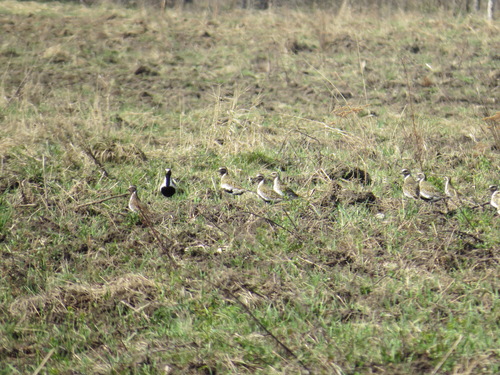
ヨーロッパムナグロ (Pluvialis apricaria) ヨーロッパムナグロ
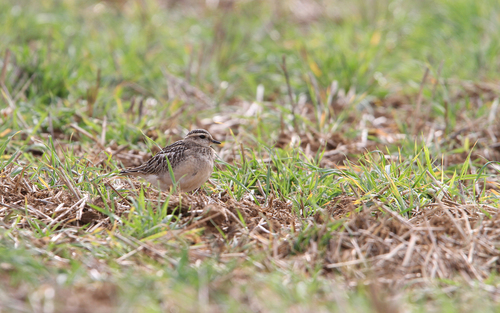
コバシチドリ (Eudromias morinellus) コバシチドリ

メディア

読み込み中…

要点

ヨーロッパムナグロとコバシチドリの最も信頼できるフィールドマークは、飛行中の翼の下の色です:ヨーロッパムナグロは白い腋羽(脇の下)を示し、コバシチドリはこのコントラストのない無地の翼を持っています。止まっている鳥の場合、コバシチドリは常に大胆な白い眉斑を示し、ヨーロッパムナグロにはこれが欠けています。繁殖期には、コバシチドリは栗色の胸と黒い腹で明確に識別できますが、非繁殖期や幼鳥の羽毛では、構造と微妙な羽毛の違いに依存します。ヨーロッパムナグロはより大きく、体格が厚く、尾よりもわずかに長い翼を持っていますが、コバシチドリは小さく、よりコンパクトで、黄色い脚を持っています。両種は、特に幼鳥の鈍い羽毛では混同されることがありますが、翼のパターン、顔、構造に注意を払うことで、ほとんどのフィールドでの遭遇を解決できます。

識別のコツ

  1. 飛行中の翼の下の色(すべての年齢): ヨーロッパムナグロは飛行中または伸びをしているときに見える白い腋羽(脇の下)を示します;コバシチドリの翼の下は無地で、この白い斑点が欠けています。これは飛行中の最も信頼できるマークです。
  2. 眉斑(すべての年齢): コバシチドリは常に大胆な白い眉斑を示し、幼鳥や冬の鳥でも同様です;ヨーロッパムナグロは強い顔のストライプが欠けており、代わりに無地の顔や繁殖期には白い「S」バンドを示しますが、眉斑はありません。
  3. くちばしと脚の色: コバシチドリは短い黒いくちばしと黄色い脚を持っています;ヨーロッパムナグロは長いくちばしと暗い脚を持っています。
  4. 構造と印象: ヨーロッパムナグロはより大きく、体が厚く、尾よりもわずかに長い翼を持っています;コバシチドリは小さく、よりコンパクトで、丸みを帯びています。
  5. 繁殖羽毛(成鳥): コバシチドリは栗色の胸、黒い腹、白い胸のバンド、白い眉斑で明確に識別できます;ヨーロッパムナグロは黒い顔と腹を持ち、白い「S」バンドがありますが、眉斑や栗色はありません。
  6. 非繁殖/幼鳥の羽毛: コバシチドリの幼鳥は鱗状の上面で白い眉斑を持っています;ヨーロッパムナグロの幼鳥は金色の斑点があり、眉斑が欠けており、より均一な顔を持っています。
  7. 飛行行動: ヨーロッパムナグロは迅速で力強い翼の打撃を持っています;コバシチドリの飛行はあまり力強くなく、特徴的ではありません。
  8. 行動: コバシチドリは非常におとなしく近づきやすく、非常に近くまで近づくことを許すことがよくあります;ヨーロッパムナグロはより警戒心が強く、距離を保ちます。
  9. 生息地: コバシチドリは高く、荒れた、または石の多い地面を好み、特に渡りの際に見られます;ヨーロッパムナグロはより柔軟で、低くて豊かな生息地でも見られます。
  10. 声: ヨーロッパムナグロの鳴き声は哀愁を帯びた「tuu」です;コバシチドリは柔らかい「pyurr」を発し、繁殖期にはシンプルな口笛を吹きます。これらはよく聞こえれば役立ちます。
  11. 性差: 雌のコバシチドリは雄よりも明るい色を持ち、特に繁殖羽毛では顕著です;ヨーロッパムナグロは性差がほとんどありません。
  12. 落とし穴: 鈍いまたは遠くからの視界では、ヨーロッパムナグロの金色の斑点の背中は無地に見えることがあり、コバシチドリの眉斑は頭が回転すると見逃されることがあります。常に複数の特徴を確認してください。
  13. 悪条件での脚の色: コバシチドリの黄色い脚は影の中で鈍く見えることがありますが、ヨーロッパムナグロの脚は常に暗いです。
  14. 混合群れ: 渡りの際には稀ですが可能です;個体を分けるために翼の下と眉斑を使用してください。
  15. 季節的文脈: コバシチドリは主に通過中または高地の繁殖地で見られます;ヨーロッパムナグロは年間を通じてより広範囲に分布し、特に冬の群れで見られます。

大きさ

ヨーロッパムナグロはより大きく、重い種です(平均成鳥の質量175g [wikidata])、体格が厚く、頑丈に見えます。コバシチドリは明らかに小さく、よりコンパクトで、短いくちばしと目立つ黄色い脚を持っています。直接比較すると、ヨーロッパムナグロはより大きく、長い体に見え、コバシチドリはより小柄で丸みを帯びています。これらの違いは両種が一緒に見られるときに最も明らかですが、単独でも、コバシチドリの優雅なプロポーションと短いくちばしは練習によって見分けることができます。

羽色

行動

コバシチドリは非常におとなしく近づきやすく、近くでの観察を許すことがよくあります。ヨーロッパムナグロはより警戒心が強く、通常はより距離を保ちます。飛行中、ヨーロッパムナグロは迅速で力強い翼の打撃を持つと説明されますが、コバシチドリの飛行はあまり説明されず、同じ強さや速度で注目されることはありません。両種は開けた地面で餌を食べますが、コバシチドリの親しみやすい性質は有用な行動の手がかりです。

生息環境

両種は開けた高地またはツンドラの生息地で繁殖しますが、コバシチドリは高く、荒れた地面に厳密に関連しており、開けた、しばしば石の多いまたは短い草のエリアを通過します。ヨーロッパムナグロはより広範囲に分布し、モーランド、草地、時には農業用地など、より広い範囲の開けた生息地で見られます。コバシチドリはヨーロッパムナグロと比較して低地や豊かな草地で見られる可能性が低いです。

声

ヨーロッパムナグロは単音でわずかに下降する「tuu」を発し、哀愁を帯びています。コバシチドリの飛行中の鳴き声は柔らかい「pyurr」で、雌の歌はシンプルで繰り返しの口笛です。これらの鳴き声はかなり異なりますが、両方とも混合群れや風の強い高地の条件で見逃されることがあります。声は有用な補助的手がかりですが、短い鳴き声しか聞こえない場合は必ずしも診断的ではありません。

より良い説明を送る

比較と同じ項目を使ってください。文章はすぐに公開されます。

The most reliable field mark between European Golden Plover and Eurasian Dotterel is the underwing color in flight: European Golden Plover shows white axillaries (armpits), while Eurasian Dotterel has plain wings without this contrast. For perched birds, Dotterel always shows a bold white supercilium (eyebrow), lacking in Golden Plover. In breeding season, Dotterel is unmistakable with its chestnut breast and black belly, but in non-breeding and juvenile plumages, separation relies on structure and subtle plumage differences. Golden Plover is bulkier, with a thicker build and only slightly longer wings than tail, while Dotterel is smaller, more compact, and has yellow legs. Both species can be confused in duller plumages, especially immatures, but careful attention to wing pattern, face, and structure will resolve most field encounters.

  1. Underwing color in flight (all ages): European Golden Plover shows white axillaries (armpits) visible in flight or when stretching; Dotterel's underwing is plain and lacks this white patch. This is the single most reliable mark in flight.
  2. Supercilium (all ages): Dotterel always shows a bold white supercilium (eyebrow), even in juveniles and winter birds; Golden Plover lacks any strong facial stripe, instead showing a plain face or, in breeding, a white 'S' band but not a supercilium.
  3. Bill and leg color: Dotterel has a short black bill and yellow legs; Golden Plover has a longer bill and dark legs.
  4. Structure and jizz: Golden Plover is bulkier, with a thickset body and wings only slightly longer than the tail; Dotterel is smaller, more compact, and rounded.
  5. Breeding plumage (adults): Dotterel is unmistakable with chestnut breast, black belly, white breast band, and white supercilium; Golden Plover has a black face and belly with a white 'S' band but no supercilium or chestnut.
  6. Non-breeding/juvenile plumage: Dotterel juveniles are scaly above with a white supercilium; Golden Plover juveniles are golden-spotted above, lack a supercilium, and have a more uniform face.
  7. Flight action: Golden Plover has rapid, powerful wingbeats; Dotterel's flight is less forceful and not as distinctive.
  8. Behavior: Dotterel is notably tame and approachable, often allowing very close approach; Golden Plover is more wary and keeps its distance.
  9. Habitat: Dotterel prefers high, barren, or stony ground, especially on migration; Golden Plover is more flexible and can be found in lower, lusher habitats.
  10. Voice: Golden Plover's call is a plaintive 'tuu'; Dotterel gives a soft 'pyurr' and, in breeding, a simple whistle. These are helpful if heard well.
  11. Sex differences: Female Dotterel is brighter than the male, especially in breeding plumage; Golden Plover shows little sexual dimorphism.
  12. Pitfalls: In dull or distant views, Golden Plover's golden-spotted back can look plain, and Dotterel's supercilium can be missed if the head is turned. Always check multiple features.
  13. Leg color in poor light: Dotterel's yellow legs can appear dull in shadow, but Golden Plover's legs are always dark.
  14. Mixed flocks: Rare but possible on migration; use underwing and supercilium to separate individuals.
  15. Seasonal context: Dotterel is mostly seen on passage or in upland breeding areas; Golden Plover is more widespread year-round, especially in winter flocks.

European Golden Plover is the larger and heavier species (average adult mass 175g [wikidata]), appearing thickset and robust. Eurasian Dotterel is distinctly smaller and more compact, with a shorter bill and noticeably yellow legs. In direct comparison, Golden Plover looks bulkier and longer-bodied, while Dotterel is more petite and rounded. These differences are most apparent when both species are seen together, but even singly, Dotterel's daintier proportions and shorter bill can be picked out with practice.

  • Juvenile/immature and non-breeding plumages: European Golden Plover lacks the bold white supercilium of Dotterel and shows a more uniform, scaly golden-spotted upperpart pattern. In flight, Golden Plover has white axillaries (armpits), which contrast with the rest of the underwing; Dotterel's underwing is plain and lacks this contrast. Dotterel juveniles have a scaly back and always show the white supercilium, even when otherwise dull.
  • Adult breeding plumage: Dotterel is unmistakable, with a rich chestnut breast, black belly, white breast band, and a strong white supercilium. Golden Plover in breeding plumage has a striking white 'S'-shaped band from forehead to flanks, with a black face and belly but lacks the supercilium and chestnut tones.
  • Adult non-breeding: Both species become duller, but Dotterel retains the white supercilium and yellow legs, while Golden Plover remains more golden-spotted above and lacks any strong facial stripe.

Dotterel is famously tame and approachable, often allowing close views and showing little fear of humans. Golden Plover is more wary and typically keeps a greater distance. In flight, Golden Plover is described as having rapid, powerful wingbeats, while Dotterel's flight is less often described but is not noted for the same strength or speed. Both species feed on open ground, but Dotterel's confiding nature is a useful behavioral clue.

Both species breed in open upland or tundra habitats, but Dotterel is more strictly associated with high, barren ground and migrates through open, often stony or short-grass areas. Golden Plover is more widespread and can be found in a wider range of open habitats, including moorland, grassland, and sometimes agricultural fields, especially outside the breeding season. Dotterel is less likely to be found in lowland or lush grassy areas compared to Golden Plover.

Golden Plover gives a monosyllabic, slightly descending 'tuu', which is plaintive and melancholic. Dotterel's flight call is a soft 'pyurr', and the female's song is a simple, repetitive whistle. These calls are quite different, but both can be overlooked in mixed flocks or windy upland conditions. Voice is a useful supporting clue but not always diagnostic if only brief calls are heard.

変更を破棄しますか?

保存していない編集があります。今離れると失われます。

ヨーロッパムナグロ · コバシチドリ · 苦手な鳥