

Motmot

ミソサザイ 対 ムナジロカワガラス

Troglodytes troglodytes 対 Cinclus cinclus

ミソサザイとムナジロカワガラスのクイズ
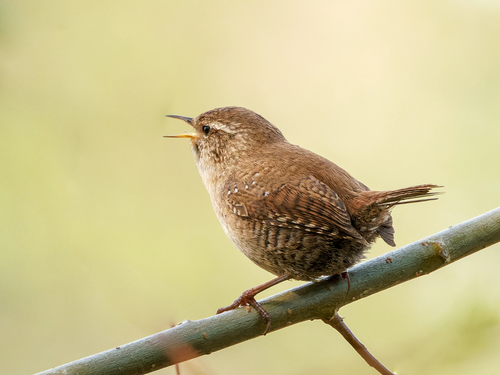
ミソサザイ (Troglodytes troglodytes) ミソサザイ
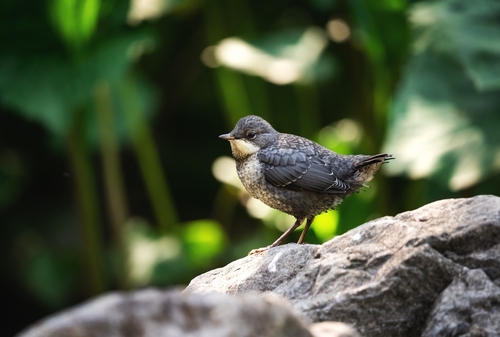
ムナジロカワガラス (Cinclus cinclus) ムナジロカワガラス

メディア

読み込み中…

要点

ユーラシアミソサザイとムナジロカワガラスを区別する最も信頼できるフィールドマークは、全体のサイズと、ムナジロカワガラスの大胆な白い喉と栗色のバンドの存在であり、対してミソサザイは均一に茶色で、細かく縞模様の羽毛を持っています。幼鳥のミソサザイはあまり明確に縞模様がありませんが、白い喉や胸のバンドは決して見せません。ムナジロカワガラスはほぼ2倍の長さで、丸みを帯びており、特に水の近くで見ると常に大きくて重そうに見えます。ミソサザイは小さく、活発で、短い尾をしばしば直立させますが、ムナジロカワガラスは流れのそばの岩に止まり、体を上下に動かしたり、時には潜ったりします。ミソサザイの歌は長く、複雑なトリルで、そのサイズに対しては予想以上に大きな音量であり、ムナジロカワガラスは鋭く繰り返される「ズィル」という呼び声を発します。

識別のコツ

  1. Size is the fastest check: ムナジロカワガラスはユーラシアミソサザイのほぼ2倍の長さと、数倍の質量を持っています。もしその鳥がマウスのように小さく見えるなら、それはミソサザイです; もしツルの大きさに見えるなら、それはムナジロカワガラスです。
  2. White throat and chest band: 成熟したムナジロカワガラスは常に大胆な白い喉と上胸を示し、その下には栗色または黒っぽいバンドがあります。ミソサザイは白や栗色の斑点を決して示さず、茶色と灰色の縞模様のみです。
  3. Juvenile confusion: 幼いミソサザイはまだらで縞模様が少なく、白い喉や胸のバンドは決して発達しません。幼いムナジロカワガラスは灰褐色で、下側はより淡い色をしており、白い喉は欠けていますが、ミソサザイの細かい縞模様は持っていません。
  4. Tail shape and posture: ミソサザイは非常に短い尾を持ち、しばしば直立させます。ムナジロカワガラスは短い尾を持っていますが、そんなに急に立てることは稀です。
  5. Bill shape: ミソサザイはそのサイズに対して細く、比較的長いくちばしを持ち、探るのに適しています; ムナジロカワガラスはより太く、ほぼ黒いくちばしを持っています。
  6. Wing and body shape: ミソサザイはコンパクトで、丸い翼と短い首を持っています。ムナジロカワガラスは丸みを帯びており、より頑丈な体と相対的に長い翼を持っています。
  7. Behavior on perches: ミソサザイは落ち着きがなく、ぎこちなく、しばしば植物の中に隠れています。ムナジロカワガラスは水の中またはそばの岩にオープンに止まり、リズミカルに体を上下に動かします。
  8. Foraging style: ミソサザイは密なカバーや地面で採餌し、水の近くではめったに見られません。ムナジロカワガラスはほぼ常に流れる水の近くまたは中で見られ、潜ったり泳いだりします。
  9. Flight style: 両種は速く、羽音を立てて飛びますが、ミソサザイは低く、短時間飛び、ムナジロカワガラスは水の上をより長い距離を飛びます。
  10. Habitat context: もしその鳥が水から離れている場合、特に庭や森の中にいるなら、それはほぼ確実にミソサザイです。もし流れや川の上、特に岩の上にいるなら、それはおそらくムナジロカワガラスです。
  11. Vocalizations: ミソサザイの歌は長く、複雑なトリルで、そのサイズに対しては予想以上に大きな音量であり、ムナジロカワガラスは鋭く繰り返される「ズィル、ズィル、ズィル」という呼び声を発します。
  12. Plumage pitfalls: 照明が悪いと、ムナジロカワガラスは全体が暗く見えることがありますが、白い喉は通常目立ちます。ミソサザイは明るい光の中でも白や栗色を示すことはありません。
  13. Seasonal confusion: 両種はその範囲の多くで常駐していますが、ムナジロカワガラスは冬に流れが凍ると低地に移動することがあります。ミソサザイは年間を通じて存在し、岸や丸太の下から追い出されることがあります。
  14. Sex differences: 提供された情報では、どちらの種でもフィールドでの診断には役立ちません。
  15. Jizz: ミソサザイはマウスのように素早く、秘密主義であり; ムナジロカワガラスは大胆で、上下に動き、水生です。

大きさ

ユーラシアミソサザイは非常に小さく(長さ9〜10 cm、翼幅13〜17 cm、約10 g)[wikipedia]、一方でムナジロカワガラスははるかに大きく(約18 cmの長さ)で、明らかに重く、がっしりとしています。距離があったり、光が悪い場合でも、サイズの違いは際立っています: ムナジロカワガラスはほぼ2倍の長さで、ミソサザイの数倍の質量を持っています。フィールドでは、ミソサザイはマウスのように見え、繊細ですが、ムナジロカワガラスは丸みを帯びて頑丈で、ミソサザイよりもツルに近い体格です。

羽色

幼鳥と成鳥のユーラシアミソサザイは上面が赤褐色で、下面は灰色で、全体に暗い茶色と灰色の細かい縞模様があります。若いミソサザイはあまり明確に縞模様がなく、まだらな腹部を持っていますが、大胆な色の斑点は決して示しません。対照的に、成鳥のムナジロカワガラスは特徴的な白い喉と上胸、栗色または黒っぽい胸のバンドを持ち、その他は暗い(スレートグレーから茶色)の体と翼を持っています。幼いムナジロカワガラスは全体的に灰褐色で、白い喉と栗色のバンドが欠けていますが、ミソサザイよりもはるかに淡い色を示し、細かい縞模様は決して示しません。飛行中、ミソサザイは丸い翼と非常に短い尾を示しますが、ムナジロカワガラスは短い尾を持っていますが、相対的に長い翼を持っています。未熟な羽毛では、どちらの種でも特徴的な上翼や飛行パターンのマークは確認されていませんが、全体的な色のコントラストと体の形は常に異なります。

行動

ユーラシアミソサザイは落ち着きがなく、常に動き回り、隙間に探りを入れ、丸太の上を跳ね回り、通常は地面や低い植物の近くにいます。彼らの短い飛行は迅速で、直接的で、低く、羽音を立てた丸い翼を持っています。ミソサザイはしばしば尾を直立させ、素早く、ぎこちない動きで移動します。ムナジロカワガラスはほぼ常に急流の近くに見られ、岩や丸太に止まり、体を上下に動かし(「ディッピング」)、頻繁に潜ったり、水中で翼を使って泳いだりします。ムナジロカワガラスは意図的に水に入っていき、水面下で泳いだり採餌したりするのが見られます。飛行中、ムナジロカワガラスは直接的で速く、羽音を立てた翼を持っていますが、彼らの飛行はミソサザイよりも長く、持続的です。

生息環境

ユーラシアミソサザイは森林や庭から古い石造りの建物や土手まで、広範囲の生息地に見られますが、水に依存していません。彼らは密な植生の中、丸太の下、または地面の近くで採餌します。ムナジロカワガラスは流れる水—小川、川、湖岸—に厳密に関連しており、岩に止まり、水の中や周りで採餌します。小川の岩の上で採餌したり止まったりしている鳥を見ることは、ほぼ常にミソサザイではなくムナジロカワガラスを指し示します。

声

ユーラシアミソサザイは大きく、複雑で音楽的な歌を持ち、しばしば繰り返されるトリルを含み、鋭い「ティック・ティック・ティック」という呼び声を発します。これはロビンのものよりも速く、孤立感が少ないです。興奮すると、厳しいチャーという声を発します。この歌はその鳥のサイズに対して非常に大きな音量であり、年間を通じて聞こえることがあります。ムナジロカワガラスは鋭く繰り返される「ズィル、ズィル、ズィル」という呼び声を発し、特に飛行中ですが、その歌はここでは説明されていません。ムナジロカワガラスの呼び声は、ミソサザイのものと比べて音楽的ではなく、より鋭いです。

より良い説明を送る

比較と同じ項目を使ってください。文章はすぐに公開されます。

The most reliable field mark to separate Eurasian Wren from White-throated Dipper is overall size and the presence of a bold white throat and chestnut band on the dipper, versus the uniformly brown, finely barred plumage of the wren. Juvenile wrens are less distinctly barred but never show a white throat or chest band. Dippers are nearly twice as long, rotund, and always appear larger and heavier, especially when seen near water. Wrens are tiny, active, and often cock their short tails upright, while dippers perch on rocks by streams, bobbing and sometimes diving. The wren's song is a long, complex trill, much louder than expected for its size, while the dipper gives a sharp, repeated 'zil' call.

  1. Size is the fastest check: Dippers are nearly twice the length and several times the mass of wrens. If the bird looks small enough to be a mouse, it's a wren; if it seems thrush-sized, it's a dipper.
  2. White throat and chest band: Adult dippers always show a bold white throat and upper breast, with a chestnut or blackish band below. Wrens never show white or chestnut patches—only brown and grey barring.
  3. Juvenile confusion: Young wrens are mottled and less barred but never develop a white throat or chest band. Juvenile dippers are greyish brown and paler below, lacking the white throat, but still lack the fine barring of wrens.
  4. Tail shape and posture: Wrens have a very short tail, often held cocked upright. Dippers have a short tail but rarely cock it so steeply.
  5. Bill shape: Wrens have a thin, relatively long bill for their size, suited for probing; dippers have a stouter, almost black bill.
  6. Wing and body shape: Wrens are compact, with rounded wings and a short neck. Dippers are rotund, with a more robust body and proportionally longer wings.
  7. Behavior on perches: Wrens are restless, jerky, and often hidden in vegetation. Dippers perch openly on rocks in or by water, bobbing their bodies rhythmically.
  8. Foraging style: Wrens forage in dense cover or on the ground, rarely near water. Dippers are almost always seen near or in running water, diving and swimming.
  9. Flight style: Both species have fast, whirring flights, but wrens fly low and briefly, while dippers fly longer distances over water.
  10. Habitat context: If the bird is away from water, especially in gardens or woods, it's almost certainly a wren. If it's on a stream or river, especially on rocks, it's likely a dipper.
  11. Vocalizations: The wren's song is a long, complex trill, much louder than expected for its size, while the dipper gives a sharp 'zil, zil, zil' call.
  12. Plumage pitfalls: In poor light, dippers may look all dark, but the white throat usually stands out. Wrens never show any white or chestnut, even in bright light.
  13. Seasonal confusion: Both species are resident in much of their range, but dippers may move to lowlands in winter if streams freeze. Wrens are present year-round and may be flushed from under banks or logs.
  14. Sex differences: Not diagnostic in the field for either species with the information provided.
  15. Jizz: Wrens are mouse-like, quick, and secretive; dippers are bold, bobbing, and aquatic.

Eurasian Wren is extremely small (9–10 cm length, 13–17 cm wingspan, ~10 g) [wikipedia], while White-throated Dipper is much larger (about 18 cm length) and noticeably heavier and bulkier. Even at a distance or in poor light, the size difference is striking: dippers are almost twice as long and several times the mass of a wren. In the field, a wren will look mouse-like and delicate, while a dipper is rotund and robust, closer in bulk to a thrush than a wren.

Juvenile and adult Eurasian Wrens are rufous-brown above, greyer below, and finely barred with darker brown and grey throughout, including the wings and tail. Young wrens are less distinctly barred and have mottled underparts, but never show bold color patches. In contrast, adult White-throated Dippers have a distinctive white throat and upper breast, a chestnut or blackish pectoral band, and otherwise dark (slate-grey to brown) body and wings. Juvenile dippers are greyish brown overall, lacking the white throat and chestnut band, but still appear much paler below than wrens and never show the fine barring. In flight, wrens show rounded wings and a very short tail, while dippers have short tails but longer wings proportionally. No distinctive upperwing or flight pattern marks are noted for either species in immature plumages, but the overall color contrast and body shape are always different.

Eurasian Wrens are restless, constantly moving, probing into crevices, hopping on logs, and usually staying close to the ground or low vegetation. Their short flights are rapid, direct, and low, with whirring, rounded wings. Wrens often cock their tails upright and move with quick, jerky motions. White-throated Dippers are almost always found near fast-flowing water, perching on rocks or logs, bobbing their bodies ('dipping'), and frequently diving or swimming underwater using their wings. Dippers walk into water deliberately and can be seen swimming or foraging below the surface. In flight, dippers are direct and fast, with whirring wings, but their flights are longer and more sustained than the wren's.

Eurasian Wrens are found in a wide range of habitats, from forests and gardens to old masonry and banks, but are not tied to water. They forage in dense vegetation, under logs, or near the ground. White-throated Dippers are strictly associated with running water—streams, rivers, and lakeshores—where they perch on rocks and forage in and around the water. Seeing a bird foraging or perching on rocks in a stream almost always points to dipper, not wren.

Eurasian Wren has a loud, complex, and musical song, often including repeated trills, and a sharp 'tic-tic-tic' call that is faster and less isolated than a robin's. When agitated, it gives a harsh churr. The song is remarkably loud for the bird's size and may be heard year-round. White-throated Dipper gives a sharp, repeated 'zil, zil, zil' call, especially in flight, but its song is not described here. The dipper's calls are less musical and more piercing compared to the wren's.

変更を破棄しますか?

保存していない編集があります。今離れると失われます。

ミソサザイ · ムナジロカワガラス · 苦手な鳥