

Motmot

ミソサザイ 対 バライロムクドリ

Troglodytes troglodytes 対 Pastor roseus

ミソサザイとバライロムクドリのクイズ
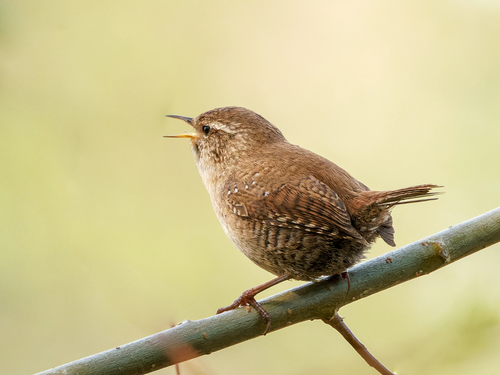
ミソサザイ (Troglodytes troglodytes) ミソサザイ
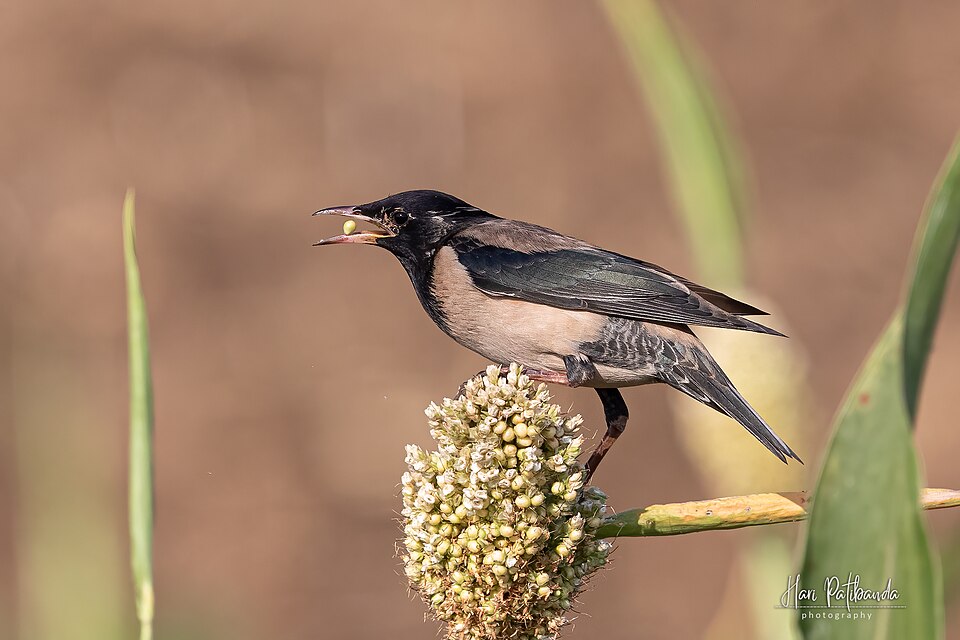
バライロムクドリ (Pastor roseus) バライロムクドリ

メディア

読み込み中…

要点

ユーラシアミソサザイとバライロムクドリを区別する最も信頼できる方法は、全体の構造と羽色によるものです。ミソサザイは小さく、丸く、温かみのある茶色で、尾を立てていますが、バライロムクドリははるかに大きく、目を引くピンクと黒(成鳥)または淡いバフ(幼鳥)の羽色を持ち、ミソサザイの短くて元気な尾や複雑な縞模様を決して示しません。幼鳥のムクドリは淡く、ミソサザイの細かい縞模様やコンパクトな体形を欠いています。飛行中、ミソサザイの小さくて羽音を立てる翼とマウスのような動きは、ムクドリの強くて直線的な飛行と鋭く対比されます。距離があっても、巨大なサイズの違いと対照的な色合いは間違いなく識別できます。

識別のコツ

  1. サイズが最初のチェック: ユーラシアミソサザイは小さくて丸いですが、バライロムクドリは大きくて頑丈です。もしその鳥がツグミサイズに近いように見えるなら、それはミソサザイではありません。
  2. 尾の形と持ち方: ミソサザイは非常に短い尾を持ち、しばしば鋭い角度で持ち上げられています。ムクドリは長くて真っ直ぐな尾を持ち、決して持ち上げません。
  3. 成鳥の羽色: 成鳥のミソサザイは赤褐色で細かい縞模様と微妙な淡い眉があります。成鳥のバライロムクドリはピンクの体に光沢のある黒い翼、尾、頭(繁殖期)を持ち、または鈍い灰色がかったピンクで暗い翼(非繁殖期)を持ち、決して茶色や縞模様ではありません。
  4. 幼鳥の混乱: 幼鳥のムクドリは淡いバフ色の茶色で黄色いくちばしを持ち、縞模様や赤褐色のトーンを欠いています。幼鳥のミソサザイは茶色で、いくつかのまだら模様と淡い縞模様を持ち、決して全体が淡いバフ色ではありません。
  5. くちばしの構造: ミソサザイのくちばしは細く、薄く、わずかに下向きに曲がっています。ムクドリのくちばしは太く、真っ直ぐで、成鳥では二色(黒い基部、ピンクの先端の繁殖期)、幼鳥では黄色がかっています。
  6. 冠羽: 繁殖羽のバライロムクドリのオスだけがふわふわした冠羽を示します。ミソサザイには冠羽はありません。
  7. 翼と飛行: ミソサザイは非常に短くて丸い翼を持ち、羽音を立てる低いマウスのような飛行をします。ムクドリは長くて尖った翼を持ち、強く飛び、しばしば群れで飛びます。
  8. 止まり方の行動: ミソサザイは低いところに隠れ、ほとんど開けた場所に止まることはありません。ムクドリはワイヤー、木、または屋根の上に群れで止まります。
  9. 生息環境の文脈: もしその鳥が密な下草や絡み合った植生の中にいるなら、ミソサザイの可能性が高いです。開けた野原やワイヤーの上にいるなら、ムクドリの可能性が高いです。
  10. 鳴き声: ミソサザイの歌は大きく、複雑なトリルです。ムクドリの鳴き声はきしみやガラガラの混合で、音楽的ではありません。
  11. 足の色: ミソサザイは淡い茶色の足を持っています。ムクドリの足はピンクから淡いオレンジです。
  12. 季節的な文脈: バライロムクドリは夏にバッタが豊富なときに西ヨーロッパに出現することがあります。ミソサザイはその生息範囲のほとんどで年間を通じて定住しています。
  13. 社会的行動: ミソサザイは孤独またはペアで行動しますが、ムクドリは繁殖期以外は非常に群れを成します。
  14. 採餌行動: ミソサザイは隙間や丸太を探って昆虫を探しますが、ムクドリは地面で昆虫、果物、穀物を探してオープンに採餌します。
  15. 混乱のリスク: 遠くから見ると、淡い幼鳥のムクドリは地味に見えるかもしれませんが、サイズ、構造、縞模様や尾を持ち上げないことは常にミソサザイと区別されます。

大きさ

ユーラシアミソサザイは非常に小さく(長さ9〜10 cm、質量10 g [wikipedia])、ほぼボールのように見え、非常に短い尾と丸い翼を持っています。バライロムクドリはほぼ2倍の長さ(19〜22 cm)で、7倍以上の重さ(平均73 g [wikidata])を持ち、はるかに頑丈で細長い体と長い尾を持っています。双眼鏡を通して見ると、ミソサザイのマウスのようなプロポーションに比べて、ムクドリはハトサイズに見えます。

羽色

幼鳥と未成熟のバライロムクドリは淡いバフ色の茶色で短い黄色いくちばしを持ち、縞模様や豊かな赤褐色のトーンを欠いています。彼らは全体的にユーラシアミソサザイの幼鳥よりもはるかに淡いです。ユーラシアミソサザイは茶色で、まだら模様の腹部を持ち、成鳥よりも明確な縞模様は少ないですが、まだいくつかのパターンを示します。成鳥のユーラシアミソサザイは上面が赤褐色で、下面が灰色がかり、翼と尾に濃い茶色と灰色の複雑な縞模様があります。短くて立てた尾と細くて暗いくちばしを持っています。繁殖羽の成鳥のバライロムクドリは間違いなく目立ちます:ピンクの体、光沢のある黒い頭、翼、尾を持ち、オスにはふわふわした冠羽があります。非繁殖期の成鳥は鈍い灰色がかったピンクですが、依然として淡い体と暗い翼との間に強いコントラストを示します。雌のムクドリは冠羽が短く、色の分離が鋭くありませんが、決してミソサザイの土色の縞模様には近づきません。ムクドリのどの年齢や季節も、ミソサザイの複雑な縞模様やコンパクトで丸い形を持っていません。

行動

ユーラシアミソサザイはほとんど常に地面近くで見られ、隙間、丸太、または密な植生の中を出入りし、素早くて不規則な跳躍で動き、しばしば尾を立てています。彼らの飛行は短く、低く、羽音を立て、移動中以外はほとんど持続しません。バライロムクドリは非常に群れを成し、大きな群れでしばしば見られ、ワイヤーや木の上にオープンに止まります。彼らの飛行は強く、直線的で持続的で、ムクドリの典型的な飛行であり、ミソサザイのマウスのような隠れ方や尾を持ち上げることは示しません。ムクドリはオープンな地面で採餌したり、大きくて騒がしい群れで飛んだりするのが見られます。

生息環境

ユーラシアミソサザイは広範囲の生息地で見られますが、通常は密な下草、森林の縁、庭を好み、しばしば地面近くや絡み合った植生の中にいます。バライロムクドリは開けたステップ、半砂漠、農地で繁殖し、密なカバーから遠く離れた場所で見られることが多く、開けた国で最もよく見られ、西ヨーロッパに大量に出現することがあります。冬には、ムクドリは開けた野原や農業地域で見られ、時にはインドの地元のムクドリやミナを上回ることがあります。ミソサザイの密で低いカバーの好みは、ムクドリのオープンカントリーの習性と強い対比をなしています。

声

ユーラシアミソサザイはそのサイズに対して非常に大きく、複雑な歌を持っています:明瞭で高音のトリルときらきらした音の噴出で、しばしば低い止まり木から発せられ、鋭く繰り返される「ティク・ティク・ティク」という呼び声があります。バライロムクドリの歌は典型的なムクドリのきしみやガラガラの混合で、しばしば多くの翼の震えを伴い、ミソサザイの歌よりも音楽的でも構造的でもありません。ミソサザイの歌ははるかに複雑で鋭く、ムクドリの歌は騒がしく、機械的で、メロディー性が少ないです。

より良い説明を送る

比較と同じ項目を使ってください。文章はすぐに公開されます。

The most reliable way to separate Eurasian Wren from Rose-coloured Starling is by overall structure and plumage: wrens are tiny, round, and warm brown with a cocked tail, while rose-coloured starlings are much larger, with a striking pink-and-black (adult) or pale buff (juvenile) plumage, and never show the wren’s short, perky tail or intricate barring. Juvenile starlings are pale and lack the wren’s fine barring or compact jizz. In flight, the wren’s tiny, whirring wings and mouse-like movement contrast sharply with the starling’s strong, direct flight. Even at a distance, the massive size difference and contrasting coloration are unmistakable.

  1. Size is the first check: Eurasian Wren is tiny and round, while Rose-coloured Starling is large and robust; if the bird looks even close to thrush-sized, it is not a wren.
  2. Tail shape and carriage: Wrens have a very short tail, often held cocked up at a sharp angle; starlings have a longer, straight tail, never cocked.
  3. Plumage in adults: Adult wrens are rufous-brown with fine barring and a subtle pale eyebrow; adult Rose-coloured Starlings are pink-bodied with glossy black wings, tail, and head (breeding), or duller grey-pink with dark wings (non-breeding), never brown or barred.
  4. Juvenile confusion: Juvenile starlings are pale buffy brown with a yellow bill, lacking any barring or rufous tones; juvenile wrens are brown with some mottling and faint barring, never pale buff all over.
  5. Bill structure: Wren’s bill is fine, thin, and slightly downcurved; starling’s bill is thicker, straight, and in adults, bicolored (black base, pink tip in breeding), yellowish in juveniles.
  6. Crest: Only Rose-coloured Starling males in breeding plumage show a wispy crest; wrens never have a crest.
  7. Wing and flight: Wrens have very short, rounded wings and a whirring, low, mouse-like flight; starlings have longer, pointed wings and fly strongly, often in flocks.
  8. Perching behavior: Wrens skulk low, rarely perching in the open; starlings perch on wires, trees, or rooftops, often in groups.
  9. Habitat context: If the bird is in dense undergrowth or tangled vegetation, wren is likely; in open fields or on wires, starling is likely.
  10. Vocalizations: Wren’s song is a loud, complex trill; starling’s is a mix of squeaks and rattles, less musical.
  11. Leg color: Wren has pale brown legs; starling’s legs are pink to pale orange.
  12. Seasonal context: Rose-coloured Starlings may irrupt into Western Europe in summer when grasshoppers are abundant; wrens are resident year-round in most of their range.
  13. Social behavior: Wrens are solitary or in pairs; starlings are highly gregarious, especially outside breeding.
  14. Feeding behavior: Wrens probe crevices and logs for insects; starlings forage openly, often on the ground, for insects, fruit, or grain.
  15. Confusion risk: At a distance, a pale juvenile starling might seem plain, but the size, structure, and lack of barring or tail-cocking will always distinguish it from a wren.

Eurasian Wren is extremely small (9–10 cm length, 10 g mass [wikipedia]), appearing almost ball-like, with a very short tail and rounded wings. Rose-coloured Starling is nearly twice as long (19–22 cm) and over seven times heavier (average 73 g [wikidata]), with a much more robust, elongated body and longer tail. Through binoculars, the starling will look pigeon-sized compared to the wren’s mouse-like proportions.

Juvenile and immature Rose-coloured Starlings are pale buffy brown with a short yellow bill, lacking any barring or rich rufous tones; they are much paler overall than juvenile Eurasian Wrens, which are brown with mottled underparts and less distinct barring than adults but still show some patterning. Adult Eurasian Wrens are rufous-brown above, greyer below, and intricately barred with darker brown and grey on wings and tail, with a short, cocked tail and fine, dark bill. Adult Rose-coloured Starlings in breeding plumage are unmistakable: pink body, glossy black head, wings, and tail, with a wispy crest in males. Non-breeding adults are duller greyish-pink but still show a strong contrast between pale body and dark wings. Female starlings have a shorter crest and less sharp color separation but never approach the wren’s earth-toned, barred look. No age or season of starling has the wren’s intricate barring or compact, rounded shape.

Eurasian Wrens are almost always seen low to the ground, darting in and out of crevices, logs, or dense vegetation, moving with quick, jerky hops and often holding their tails cocked upright. Their flight is short, low, and whirring, rarely sustained except on migration. Rose-coloured Starlings are highly gregarious, often in large flocks, and perch openly on wires or in trees. Their flight is strong, direct, and sustained, typical of starlings, and they do not show the wren’s mouse-like skulking or tail-cocking. Starlings may be seen foraging on open ground or flying in large, noisy groups.

Eurasian Wrens are found in a wide range of habitats but typically prefer dense undergrowth, woodland edges, and gardens, often close to the ground or in tangled vegetation. Rose-coloured Starlings breed in open steppe, semi-desert, and agricultural land, often far from dense cover, and are most often seen in open country, sometimes irrupting into Western Europe in large numbers. In winter, starlings may be seen in open fields and agricultural areas, sometimes outnumbering local starlings and mynas in India. The wren’s preference for dense, low cover is a strong contrast to the starling’s open-country habits.

Eurasian Wren has a remarkably loud, complex song for its size: a gushing burst of clear, shrill trills and tinkling notes, often delivered from a low perch, and a sharp, repeated "tic-tic-tic" call. Rose-coloured Starling’s song is a typical starling mix of squeaks and rattles, often with much wing trembling, and is less musical or structured than the wren’s. The wren’s song is much more intricate and piercing, while the starling’s is noisy, mechanical, and less melodious.

変更を破棄しますか?

保存していない編集があります。今離れると失われます。

ミソサザイ · バライロムクドリ · 苦手な鳥