

Motmot

ヤマシギ 対 タシギ

Scolopax rusticola 対 Gallinago gallinago

ヤマシギとタシギのクイズ
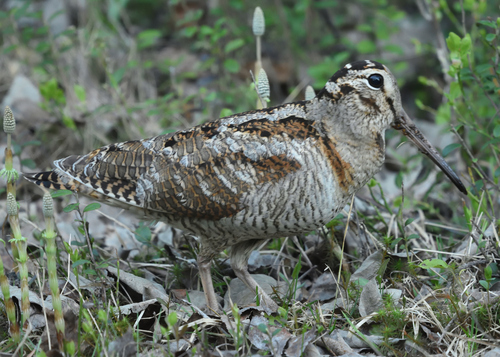
ヤマシギ (Scolopax rusticola) ヤマシギ
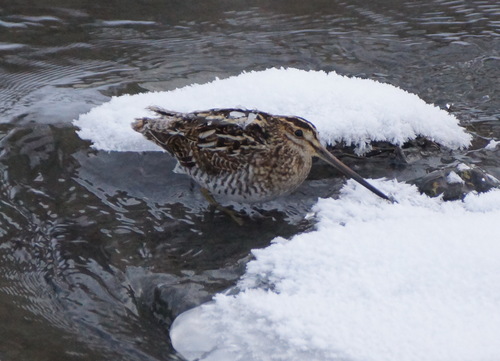
タシギ (Gallinago gallinago) タシギ

メディア

読み込み中…

要点

タシギとヤマシギを区別する最も信頼できるフィールドマークは頭の模様です:ヤマシギは頭頂に太い黒いバーを示し、タシギは淡い色と暗い色の縞模様が縦に走っています。飛行中、ヤマシギは大きくて丸い翼を持ち、広くて丸みを帯びた翼と遅く、より直接的な飛行を示します。一方、タシギは小さく、尖った翼を持ち、急速でジグザグのフラッシュをします。ヤマシギの暗い赤褐色の上面とクリーム色の下面は、タシギの茶色で重い縞模様の上面とストローイエローの背中の縞模様と対照的です。くちばしの長さと構造も異なりますが、重なることがあります。両者ともに良くカモフラージュされていますが、好む生息地とフラッシュしたときの行動は異なります。

識別のコツ

  1. Head pattern: ヤマシギは頭頂に太い黒いバーが横に走っています(側面から側面へ);タシギはくちばしからうなじまで縦に淡い色と暗い色の縞模様があります。これはすべての年齢とすべての条件で最も信頼できるマークです。
  2. Wing shape in flight: ヤマシギの翼は広くて丸みを帯びており、コウモリのようなまたはずんぐりした外観を与えます;タシギの翼は鋭く尖っており、よりスリムで空気力学的な外観を作り出します。この違いは鳥がフラッシュしたときに明らかです。
  3. Flight style: ヤマシギは遅く、直接的で、ウィーンという音を立てながら飛び立ち、しばしば低くて真っ直ぐです;タシギは急速でジグザグの不規則な飛行で上に爆発し、しばしば鋭い「スケープ」コールを伴います。
  4. Bill length and structure: 両者ともに長くて真っ直ぐなくちばしを持っていますが、ヤマシギのくちばしは太くてやや長い(6–8 cm)一方、タシギのくちばしはより細長い(5.5–7 cm)です。これは微妙で、フィールドでは常に信頼できるわけではありません。
  5. Upperparts pattern: ヤマシギは赤褐色、黒、クリーム色の複雑な模様で、落ち葉と完璧に調和しています;タシギは背中にストローイエローの縞模様があり、暗い目の縞が淡い線で囲まれています。
  6. Underparts: ヤマシギの下面はクリーム色で、タシギよりも重い模様が少ないです;タシギの下面はより淡く、特に胸部に多くの縞模様があります。
  7. Eye placement: ヤマシギの目は非常に高く、頭の後ろに位置しており、「大きな目」の外観と360度の視野を与えます;タシギの目はより典型的な位置にあります。
  8. Tail shape: 強く診断的ではありませんが、タシギの尾は短くて四角いです;ヤマシギの尾はやや長くて丸みを帯びています。
  9. Leg color: ヤマシギの脚は灰色からピンクがかった色まで変化します;タシギの脚は短くて緑がかった灰色です。主なフィールドマークではありませんが、近距離で役立つことがあります。
  10. Size and bulk: ヤマシギははるかに大きくてずんぐりしていますが、サイズを判断するのは難しいです。
  11. Habitat: ヤマシギはほぼ常に森林や密集した覆いの中にいます;タシギは開けた湿地にいます。森から鳥をフラッシュさせた場合、ほぼ確実にヤマシギです。
  12. Behavior when flushed: ヤマシギはカモフラージュに依存し、ほとんど踏まれそうになるまでフラッシュしません;タシギはより遠くから、よりパニック状態でフラッシュする可能性が高いです。
  13. Vocalizations: タシギの「スケープ」コールとドラム演技はユニークです;ヤマシギのローディングコールは春の夕暮れ時に森林でしか聞かれません。
  14. Seasonal context: 両種は渡りの際に存在することがありますが、ヤマシギは特に冬に森林地域にいる可能性が高いです;タシギは多くの地域で年間を通じて湿地に存在します。
  15. Sex and age: 両種ともにフィールドで性別を区別することはできず、幼鳥は上記のフィールドマークで成鳥と強い違いを示しません。すべての年齢に対して頭の模様と飛行スタイルに焦点を当ててください。

大きさ

ヤマシギはタシギよりも明らかに大きくてずんぐりしています。ヤマシギは長さ33–38 cm、翼幅55–65 cmで、タシギは長さ25–27 cm、翼幅44–47 cmです。タシギの平均体重は約119.5 g [wikidata]ですが、ヤマシギはより重いです(ここでは正確な体重は示されていませんが、フィールドでは常に大きくて重いと説明されています)。手に持ったり近距離で見ると、ヤマシギのはるかに頑丈な体と全体の長さが明らかですが、フィールドでは形状と飛行スタイルがサイズ単独よりも信頼性があります。

羽色

すべての年齢において最も診断的な羽毛のマークは頭の模様です:ヤマシギは頭頂に太い黒いバーが横に走っています(側面から側面へ)、タシギはくちばしからうなじまで縦に淡い色と暗い色の縞模様があります。上面では、ヤマシギは赤褐色、黒、クリーム色の複雑な模様で、落ち葉の効果を与えています。一方、タシギはストローイエローの縞模様がある茶色の上面と、淡い線で囲まれた暗い目の縞があります。ヤマシギの下面はクリーム色で、タシギよりも重い模様が少ないです。飛行中、ヤマシギの翼は広くて丸みを帯びており、強いコントラストやパネルはありません;タシギの翼は尖っており、より均一な茶色を示しますが、わずかに淡い後縁があります(ウィルソンタシギほどはっきりしていません)。幼鳥や未熟な羽毛は飛行中に強く特徴的とは説明されていないため、頭の模様と全体の形状が年齢を超えた最良の手がかりとなります。

行動

ヤマシギは通常、森林や密集した覆いの中に見られ、カモフラージュに依存して隠れています。しばしば非常に近距離でのみフラッシュし、遅く、直接的でウィーンという音を立てながら飛びます。タシギは開けた湿地、湿った草地、泥炭地を好み、フラッシュすると急速でジグザグの飛行に爆発し、しばしば鋭い「スケープ」コールを発します。ヤマシギの飛行はより重くて直接的ですが、タシギの飛行は不規則で速いです。両者ともに長いくちばしで食べ物を探しますが、ヤマシギは夕暮れ時や夜明けに見られる可能性が高く、時には「ローディング」ディスプレイの飛行を行います。

生息環境

ヤマシギは森林や密集した覆いの鳥で、温帯または亜寒帯の森林に生息し、開けた湿地ではめったに見られません。タシギは開けた湿った生息地、すなわち湿地、泥炭地、湿った草地、ツンドラに強く関連しています。密集した森林から鳥をフラッシュさせた場合、ヤマシギの可能性がはるかに高いです;開けた湿った地面からはタシギがデフォルトです。生息地の文脈は強力な補助的手がかりです。

声

ヤマシギのディスプレイ飛行(「ローディング」)は、通常春と初夏の夕暮れ時に繰り返される「オール、オール、オール、ピスト」というコールを特徴としています。タシギの主な発声は、ディスプレイ飛行中に振動する尾羽によって生成される「ウィノウイング」または「ドラム」の音で、羊の鳴き声やヤギのような音として説明され、フラッシュしたときには鋭い「スケープ」コールを発します。開けた国で羊の鳴き声やドラムの音を聞いたら、それはタシギです;ヤマシギのコールは、森林でのローディング中を除いて、聞かれる可能性が低いです。

より良い説明を送る

比較と同じ項目を使ってください。文章はすぐに公開されます。

The most reliable field mark to separate Eurasian Woodcock from Common Snipe is the head pattern: Woodcock shows bold black bars across the crown, while Snipe has pale and dark stripes running lengthwise. In flight, Woodcock appears larger and rounder-winged, with broad, rounded wings and a slower, more direct flight; Snipe is smaller, with pointed wings and a rapid, zig-zagging flush. Woodcock's cryptic, reddish-brown upperparts and buff underparts contrast with Snipe's brown, heavily striped upperparts and straw-yellow dorsal stripes. Bill length and structure also differ, but can overlap. Both are well-camouflaged, but their preferred habitats and behavior when flushed are distinct.

  1. Head pattern: Woodcock has bold black bars running across the crown (side-to-side); Snipe has pale and dark stripes running lengthwise from bill to nape. This is the single most reliable mark at all ages and in all conditions.
  2. Wing shape in flight: Woodcock's wings are broad and rounded, giving a bat-like or chunky appearance; Snipe's wings are sharply pointed, creating a sleeker, more aerodynamic look. This difference is obvious when birds flush.
  3. Flight style: Woodcock flushes with a slow, direct, whirring flight, often low and straight; Snipe explodes upward with a rapid, zig-zagging, erratic flight, often accompanied by a sharp 'scape' call.
  4. Bill length and structure: Both have long, straight bills, but Woodcock's is thicker and slightly longer (6–8 cm) compared to Snipe's more slender 5.5–7 cm bill. This is subtle and not always reliable in the field.
  5. Upperparts pattern: Woodcock is intricately patterned with reddish-brown, black, and buff, blending perfectly with leaf litter; Snipe is brown with straw-yellow stripes along the back and a dark eye-stripe bordered by pale lines.
  6. Underparts: Woodcock's underparts are buff and less heavily marked; Snipe's are paler with more streaking, especially on the breast.
  7. Eye placement: Woodcock's eyes are set very high and far back on the head, giving a 'wide-eyed' look and 360-degree vision; Snipe's eyes are more typical in placement.
  8. Tail shape: Not strongly diagnostic, but Snipe's tail is shorter and more squared; Woodcock's is slightly longer and more rounded.
  9. Leg color: Woodcock's legs vary from grey to pinkish; Snipe's are short and greenish-grey. Not a primary field mark but can help at close range.
  10. Size and bulk: Woodcock is much larger and bulkier, but size is hard to judge unless both species are seen together.
  11. Habitat: Woodcock is almost always in woodland or dense cover; Snipe is in open, wet habitats. If you flush a bird from woods, it's almost certainly Woodcock.
  12. Behavior when flushed: Woodcock relies on camouflage and flushes only when nearly stepped on; Snipe is more likely to flush at a greater distance and in a more panicked manner.
  13. Vocalizations: Snipe's 'scape' call and drumming display are unique; Woodcock's roding call is heard only at dusk in spring, in woodland.
  14. Seasonal context: Both species can be present in migration, but Woodcock is more likely in wooded areas, especially in winter; Snipe is present in marshes year-round in many areas.
  15. Sex and age: Sexes are not separable in the field for either species, and juveniles do not show strong differences from adults in the field marks above. Focus on head pattern and flight style for all ages.

Eurasian Woodcock is noticeably larger and bulkier than Common Snipe. Woodcock measures 33–38 cm in length with a 55–65 cm wingspan, while Snipe is 25–27 cm long with a 44–47 cm wingspan. Snipe's average mass is about 119.5 g [wikidata], while Woodcock is heavier (though no precise mass is given here, it is consistently described as larger and heavier in the field). In the hand or at close range, Woodcock's much more robust body and longer overall length are apparent, but in the field, shape and flight style are more reliable than size alone.

The most diagnostic plumage mark for all ages is the head pattern: Woodcock has bold black bars running across the crown (side-to-side), while Snipe has pale and dark stripes running lengthwise (front-to-back) from bill to nape. On the upperparts, Woodcock is intricately patterned with reddish-brown, black, and buff, giving a leaf-litter effect, while Snipe shows brown upperparts with straw-yellow lengthwise stripes and a dark eye-stripe bordered by pale lines. Underparts of Woodcock are buff and less heavily marked than Snipe, which has paler underparts with some streaking. In flight, Woodcock's wings are broad and rounded, with no strong contrast or panels; Snipe's wings are pointed and show a more uniform brown, but with a slight paler trailing edge (not as bold as in Wilson's Snipe). Juvenile and immature plumages are not described as strongly distinctive in flight, so the head pattern and overall shape remain the best clues across ages.

Woodcock is typically found in woodland or dense cover and relies on its camouflage to remain hidden, often flushing only at very close range with a slow, direct, whirring flight. Snipe prefers open marshes, wet meadows, and bogs, and when flushed, explodes into a rapid, zig-zagging flight, often uttering a sharp 'scape' call. Woodcock's flight is more lumbering and direct, while Snipe's is erratic and fast. Both probe for food with long bills, but Woodcock is more likely to be seen at dusk or dawn, sometimes performing its 'roding' display flight.

Woodcock is a bird of woodland and dense cover, often in temperate or subarctic forests, and is rarely found in open marshes. Snipe is strongly associated with open, wet habitats: marshes, bogs, wet meadows, and tundra. If you flush a bird from dense woodland, Woodcock is far more likely; from open, wet ground, Snipe is the default. Habitat context is a strong supporting clue.

Woodcock's display flight ('roding') features a repeated 'orr, orr, orr, pist' call, usually at dusk in spring and early summer. Snipe's main vocalization is the 'winnowing' or 'drumming' sound produced by vibrating tail feathers during display flights, described as a bleating or goat-like sound, and a sharp 'scape' call when flushed. If you hear a bleating or drumming in open country, it's Snipe; Woodcock's calls are less likely to be heard except during roding in woodland.

変更を破棄しますか?

保存していない編集があります。今離れると失われます。

ヤマシギ · タシギ · 苦手な鳥