

Motmot

ヒドリガモ 対 アメリカヒドリ

Mareca penelope 対 Mareca americana

ヒドリガモとアメリカヒドリのクイズ
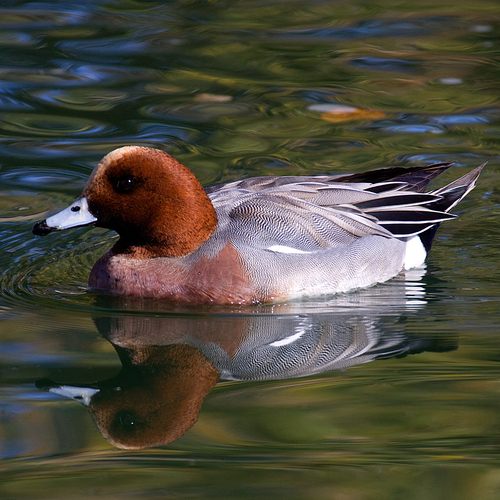
ヒドリガモ (Mareca penelope) ヒドリガモ
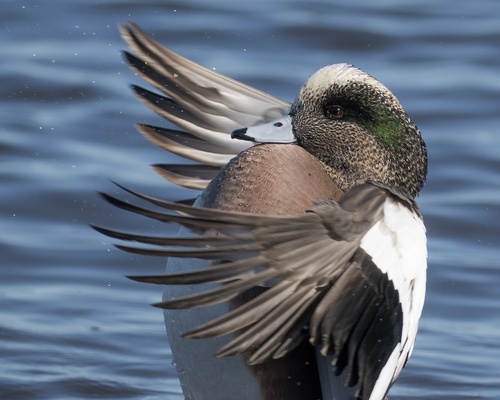
アメリカヒドリ (Mareca americana) アメリカヒドリ

メディア

読み込み中…

要点

ユーラシアヒドリとアメリカヒドリの間で最も信頼できるフィールドマークは、成鳥のオスの頭の模様です:ユーラシアヒドリのオスはクリーミーな冠を持つ豊かな栗色の頭を示し、アメリカヒドリのオスは大胆な緑のアイパッチと白またはクリーム色の額(「バルドペイト」)を持つ灰色または茶色の頭を持っています。飛行中、両種は白い上翼パッチを見せますが、アメリカヒドリの方が大きく、より目立ちます。雌と日食のオスはより難しいです:アメリカヒドリのより淡い、灰色の頭とユーラシアのより温かみのある茶色のトーンを探してください。下翼の色も役立ちます—ユーラシアヒドリは全て灰色の下翼を持ち、アメリカヒドリは白い腋窩を示します。雌/未成熟の羽毛では分離が最も難しく、特に距離がある場合や光が悪い場合はそうです。

識別のコツ

  1. 成鳥オスの頭の模様:ユーラシアヒドリはクリーミーな冠を持つ栗色の頭を持ち、アメリカヒドリは大胆な緑のアイパッチと白またはクリーム色の冠を持つ灰色または茶色の頭を持っています。これは春と初夏に最も信頼できるマークです。
  2. 飛行中の上翼(全ての年齢):両種は白いパッチを示しますが、アメリカヒドリの方が大きく、特にオスでは目立ちます。ユーラシアヒドリの方は小さいですが、まだ見えます。
  3. 下翼の色(全ての年齢):ユーラシアヒドリは全て灰色の下翼を持ち、アメリカヒドリは白い腋窩を持っています。これは飛行中や羽繕いをしている鳥で最もよく見られます。
  4. 雌と日食のオスの頭の色:アメリカヒドリの雌はより淡く、灰色の頭を持ち、ユーラシアヒドリの雌はより温かみのある茶色または赤褐色です。しかし、重複があり、一部のユーラシアの雌は灰色に見えることがあります(灰色型)。
  5. くちばしの色(両性):両方とも黒い先端を持つ淡い青いくちばしを持ち、強い分離要因ではありません。
  6. 脇腹と背中の色(成鳥オス):ユーラシアヒドリのオスは灰色の脇腹と背中を持ち、アメリカヒドリのオスはピンクがかったバフの脇腹とより温かみのある茶色の背中を持っています。
  7. スペキュラムと翼のパッチ(全ての年齢):両方とも暗緑色のスペキュラムを持っていますが、アメリカヒドリはスペキュラムの後ろに灰色の翼のパッチを持ち、ユーラシアヒドリは持っていません。
  8. 胸の色(成鳥オス):ユーラシアヒドリはピンクがかった胸を持ち、アメリカヒドリはより淡いまたはバフ色です。
  9. 声:アメリカヒドリのオスは特徴的な三音の口笛を出し、ユーラシアヒドリは静かで、混合群れでは呼ぶ可能性が低いです。
  10. 文脈と範囲:北アメリカでは、ユーラシアヒドリは珍しく、通常アメリカヒドリの群れの中にいます;ヨーロッパではその逆です。これは補助的な証拠として使用してください、主要なマークではありません。
  11. 幼鳥/初冬の鳥:分離は非常に難しいです;下翼の色と微妙な頭のトーンの違いを探してくださいが、注意が必要です—多くの鳥はこの年齢では安全に種を特定できません。
  12. 群れの構成:アメリカヒドリはしばしばアメリカコットと関連し、ユーラシアヒドリはそれほどではありません。診断的ではありませんが、文脈で役立つかもしれません。
  13. 全体的な印象/構造:両方とも丸い頭、短い首、小さなくちばしを持っています。構造はこの二種の間で強い分離要因ではありません。
  14. 尾と一次の突出:情報源には信頼できる違いは記載されていません。
  15. 疑わしい場合:頭の模様、下翼、または呼び声が見えず、鳥が雌または未成熟であれば、フィールドで安全に分離できないかもしれません。

大きさ

両種はサイズと構造が非常に似ており、わずかな違いしかありません。ユーラシアヒドリは平均42–52 cmの長さと71–80 cmの翼幅を持ち、500–1,073 gの重さがあります。アメリカヒドリは平均してわずかに大きく(42–59 cmの長さ、76–91 cmの翼幅、512–1,330 g)、しかしこれは信頼できるフィールドマークではありません。両方とも他の水面で遊ぶカモに比べて丸い頭、短い首、小さなくちばしを持っています。サイズだけではこの二種の間で診断的ではありません。

羽色

成鳥の繁殖期のオスにとって、頭の模様が鍵です:ユーラシアヒドリのオスはクリーミーな冠を持つ栗色の頭、灰色の脇腹、ピンクがかった胸を持ち、アメリカヒドリのオスは大胆な緑のアイパッチと白またはクリーム色の冠を持つ灰色または茶色の頭を持っています。両方とも飛行中に白い上翼パッチを示しますが、アメリカヒドリの方が大きく、より明白です。下翼の色は異なります:ユーラシアヒドリは全て灰色の下翼を持ち、アメリカヒドリは白い腋窩(「脇の下」)を持っています。雌と日食のオスはより似ていますが、アメリカヒドリの雌はより淡い、灰色の頭を持ち、スペキュラムの後ろに灰色の翼のパッチを持ち、ユーラシアヒドリの雌は全体的により温かみのある茶色です。幼鳥と初冬の鳥は、よく見られた場合に頭と下翼の色で最もよく分離されます;そうでなければ、分離は難しく、フィールドで可能でないかもしれません。

行動

両種は水面で遊ぶカモで、餌を探す行動や群れの行動が似ています。アメリカヒドリはアメリカコットと関連することで知られ、特にオスは声が大きいです。ユーラシアヒドリはその生息範囲内で混合種の群れに見られる可能性が低いです。両種は繁殖シーズン外で大きな群れで見られることが多く、陸で草を食べたり、浅い水で遊んだりします。行動はこの二種の間で信頼できる分離要因ではありません。

生息環境

生息地の好みは大まかに似ています:両種は湿地、湖、湿原を好み、近くの陸で草を食べることが多いです。ユーラシアヒドリはユーラシア全域に広がっており、アメリカヒドリは北アメリカ全域に見られます。ヨーロッパでは、アメリカヒドリは珍しい迷鳥で、通常は秋と冬にユーラシアヒドリの群れの中に見られます。北アメリカでは、ユーラシアヒドリは珍しい迷鳥で、通常アメリカヒドリの群れの中に見られます。発生の文脈は役立つことがありますが、それ自体では診断的ではありません。

声

アメリカヒドリのオスは特に声が大きく、特徴的な三音のヒューズィーな口笛(「フーイー・フーイー・フーイー」)を出し、雌は低いうなり声やクワックを出します。ユーラシアヒドリはフィールドではあまり声を出さず、その呼び声はあまり特徴的ではありません。アメリカヒドリの口笛を聞いた場合、それは強い手がかりであり、特に混合群れの中ではそうです。

より良い説明を送る

比較と同じ項目を使ってください。文章はすぐに公開されます。

The most reliable field mark between Eurasian and American Wigeon is the head pattern in adult males: Eurasian Wigeon males show a rich chestnut head with a creamy crown, while American Wigeon males have a grayish or brownish head with a bold green eye patch and a white or cream forehead (the 'baldpate'). In flight, both species flash a white upperwing patch, but the American Wigeon’s is larger and more striking. Females and eclipse males are trickier: look for the American Wigeon’s paler, grayer head and the Eurasian’s warmer brown tones. Underwing color is also helpful—Eurasian Wigeon has all-gray underwings, while American Wigeon shows white axillaries. Separation is most challenging in female/immature plumages, especially at a distance or in poor light.

  1. Adult male head pattern: Eurasian Wigeon has a chestnut head with a creamy crown; American Wigeon has a grayish or brown head with a bold green eye patch and a white or cream crown running from the bill to the crown. This is the most reliable mark in spring and early summer.
  2. Upperwing in flight (all ages): Both species show a white patch, but American Wigeon's is larger and more prominent, especially in males. Eurasian Wigeon's is smaller but still visible.
  3. Underwing color (all ages): Eurasian Wigeon has all-gray underwings; American Wigeon has white axillaries. This is best seen in flight or preening birds.
  4. Female and eclipse male head color: American Wigeon females are paler and grayer-headed, while Eurasian Wigeon females are warmer brown or rufous. However, there is overlap, and some Eurasian females can appear grayish (gray morph).
  5. Bill color (both sexes): Both have a pale blue bill with a black tip, not a strong separator.
  6. Flank and back color (adult males): Eurasian Wigeon males have gray flanks and back; American Wigeon males have pinkish-buff flanks and a warmer brown back.
  7. Speculum and wing patch (all ages): Both have a dark green speculum, but the American Wigeon has a gray wing patch behind the speculum, while Eurasian Wigeon does not.
  8. Breast color (adult males): Eurasian Wigeon has a pinkish breast; American Wigeon is paler or buffy.
  9. Voice: American Wigeon males give a distinctive three-note whistle; Eurasian Wigeon is quieter and less likely to call in mixed flocks.
  10. Context and range: In North America, Eurasian Wigeon is rare and usually among American Wigeon flocks; in Europe, the reverse is true. Use this as supporting evidence, not a primary mark.
  11. Juvenile/first-winter birds: Separation is very difficult; look for underwing color and subtle head tone differences, but be cautious—many birds are not safely identified to species at this age unless seen very well.
  12. Flock composition: American Wigeon often associate with American Coots; Eurasian Wigeon less so. Not diagnostic, but may help in context.
  13. Overall jizz/structure: Both have a rounded head, short neck, and small bill. Structure is not a strong separator between these two.
  14. Tail and primary projection: No reliable differences noted in the sources.
  15. When in doubt: If you cannot see the head pattern, underwing, or hear the call, and the bird is a female or immature, it may not be safely separable in the field.

Both species are very similar in size and structure, with only minor differences. Eurasian Wigeon averages 42–52 cm in length and a 71–80 cm wingspan, weighing 500–1,073 g. American Wigeon is slightly larger on average (42–59 cm long, 76–91 cm wingspan, 512–1,330 g), but this is not a reliable field mark. Both have a rounded head, short neck, and small bill compared to other dabbling ducks. Size alone is not diagnostic between these two.

For adult breeding males, the head pattern is the key: Eurasian Wigeon males have a chestnut head with a creamy crown, gray flanks, and a pinkish breast, while American Wigeon males have a grayish or brownish head with a bold green eye patch and a white or cream crown running from the bill to the crown. Both show a white upperwing patch in flight, but the American Wigeon's is larger and more obvious. Underwing color differs: Eurasian Wigeon has all-gray underwings, while American Wigeon has white axillaries (the 'armpits'). Females and eclipse males are more similar, but American Wigeon females have a paler, grayer head and a gray wing patch behind the speculum, while Eurasian Wigeon females are warmer brown overall. Juvenile and first-winter birds are best separated by head and underwing color if seen well; otherwise, separation is difficult and may not be possible in the field.

Both species are dabbling ducks with similar feeding and flocking behaviors. American Wigeon is noted for associating with American Coots and for being vocal, especially the males. Eurasian Wigeon is less likely to be seen in mixed-species flocks in its native range. Both species are often found in large flocks outside the breeding season, grazing on land or dabbling in shallow water. Behavior is not a reliable separator between these two.

Habitat preferences are broadly similar: both species favor wetlands, lakes, and marshes, often grazing on land nearby. Eurasian Wigeon is widespread in the Palearctic, while American Wigeon is found across North America. In Europe, American Wigeon is a rare vagrant, usually found among flocks of Eurasian Wigeon in autumn and winter. In North America, Eurasian Wigeon is the rare vagrant, typically found among American Wigeon flocks. Context of occurrence can help, but is not diagnostic on its own.

American Wigeon males are notably vocal, giving a distinctive three-note wheezy whistle ('whoee-whoe-whoe'), while females give low growls and quacks. Eurasian Wigeon is less vocal in the field, and its calls are less distinctive. If you hear the characteristic American Wigeon whistle, it is a strong clue, especially among mixed flocks.

変更を破棄しますか?

保存していない編集があります。今離れると失われます。

ヒドリガモ · アメリカヒドリ · 苦手な鳥