

Motmot

ヘラサギ 対 アフリカヘラサギ

Platalea leucorodia 対 Platalea alba

ヘラサギとアフリカヘラサギのクイズ

ヘラサギ (Platalea leucorodia) ヘラサギ
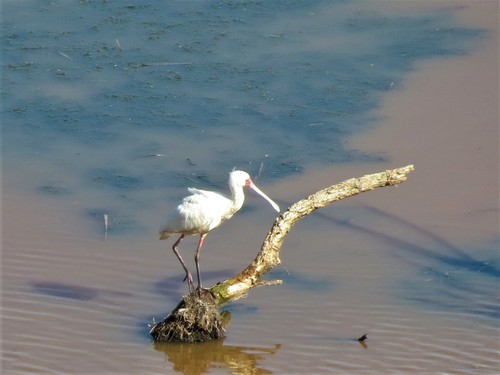
アフリカヘラサギ (Platalea alba) アフリカヘラサギ

メディア

読み込み中…

要点

ユーラシアヘラサギとアフリカヘラサギの最も信頼できるフィールドマークは、繁殖羽衣の成鳥ユーラシアヘラサギに見られるクリストと黄色い胸の斑点の存在であり、対してクリストのない全白のアフリカヘラサギです。くちばしと脚の色も重要です:ユーラシアヘラサギは黄色い先端の黒いくちばしと暗い脚を持ち、アフリカヘラサギは繁殖成鳥において長い灰色のくちばしと目を引く赤い顔と脚を示します。未熟な鳥は見分けるのが難しいことがありますが、幼鳥のユーラシアヘラサギは飛行中に初列風切羽の先端が黒いことに注意してください。また、両種とも若いときは淡いくちばしを持っています。すべての年齢において、アフリカヘラサギは決してクリストや黄色い胸の斑点を示さず、成熟したときにその赤い顔の皮膚は二種の中で独特です。

識別のコツ

  1. Crest presence (adults, breeding): ユーラシアヘラサギは繁殖羽衣で目立つクリストを示しますが、アフリカヘラサギはどの年齢や季節でもクリストを持ちません。
  2. Yellow breast patch (adults, breeding): ユーラシアヘラサギは繁殖期に黄色がかった胸の斑点を発達させ、アフリカヘラサギにはありません。
  3. Bill color (adults): ユーラシアヘラサギは黄色い先端の黒いくちばしを持ち、アフリカヘラサギのくちばしは長く灰色で黄色がありません。
  4. Leg color (adults): ユーラシアヘラサギは暗い(黒っぽい)脚を持ち、アフリカヘラサギは繁殖成鳥において明るい赤い脚を持ちます。
  5. Facial skin (adults): アフリカヘラサギは繁殖成鳥において赤い顔を示し、ユーラシアヘラサギには決して存在しません。
  6. Juvenile/immature bill color: 両種とも若いときは淡いくちばしを持ちますが、アフリカヘラサギのものは黄色と記述され、ユーラシアヘラサギのものは淡い(黄色とは指定されていません)です。
  7. Juvenile/immature wing pattern: ユーラシアヘラサギの未熟な個体は飛行中に初列風切羽の先端が黒いことを示し、これは重要なマークです。アフリカヘラサギの幼鳥は翼に黒を示しません。
  8. Non-breeding adult confusion: 繁殖期以外では、ユーラシアヘラサギはクリストと胸の斑点を失いますが、黒いくちばしの黄色い先端と暗い脚を保持します。アフリカヘラサギはクリストのない白いままですが、未熟な個体では赤い顔と脚があまり目立ちません。
  9. Overall color: 両者とも白ですが、繁殖成鳥のアフリカヘラサギだけが赤い裸の部分(顔、脚)を示します。
  10. Flight silhouette: 両者とも首を伸ばして飛びますが、シルエットは信頼できる区別にはなりません。
  11. Habitat context: アフリカでは、特に冬に、両者が発生する可能性があるため注意深く確認してください。ユーラシアヘラサギはユーラシアでより可能性が高く、アフリカヘラサギはサハラ以南のアフリカとマダガスカルに分布しています。
  12. Colony association: アフリカヘラサギは通常コウノトリやサギと一緒に巣を作りませんが、これは個体の信頼できるフィールドマークではありません。
  13. Voice: 両者ともほとんど静かで、声を使って区別しないでください。
  14. Sex/age confusion: 両性は似ており、区別するためには年齢に関連するマーク(クリスト、くちばし、翼のパターン)に焦点を当ててください。
  15. When in doubt: 未熟な個体の場合、くちばしの色と(ユーラシアの場合は)飛行中の黒い初列風切羽の先端を優先してください。成鳥の場合は、クリスト、胸の斑点、赤い裸の部分を確認してください。

大きさ

両種とも大きく、長脚の水鳥で、全体的な構造とサイズは似ていますが、サイズだけではフィールドでの信頼できるマークにはなりません。測定値はソースに提供されていませんが、両者とも長い脚とスパチュラ状のくちばしを持つ大きなヘラサギとして記述されています。区別のためにサイズや比率に頼らないでください。

羽色

行動

両種ともスパチュラ状のくちばしを使って浅い水で左右に掃くように餌を探し、水生の獲物を捕まえます。両者とも首を伸ばして飛びます(サギとは異なります)。アフリカヘラサギは長い脚と細く尖った足指のおかげで、さまざまな水深を簡単に歩くことができるとされています。両者の間で採餌や飛行スタイルにおける重要な行動の違いは言及されていません。

生息環境

両種とも浅い水の湿地に生息しています。ユーラシアヘラサギはヨーロッパ、アジア、アフリカの一部で繁殖し、アフリカヘラサギはアフリカとマダガスカルに広く分布しています。アフリカヘラサギは通常木や葦の中に巣を作り、コウノトリやサギとコロニーを共有することはありません。ユーラシアヘラサギのコロニーは、地上の捕食者を避けるために島や木や茂みの上にあることが多いです。重複する地域(例:アフリカの冬)では、羽衣に注意を払う必要があります。

声

両種ともほとんど静かです。ユーラシアヘラサギは一般的に静かで、時折くちばしを鳴らしたり、深いうめき声やコロニーでのトランペット音を出すと記述されています。アフリカヘラサギに特有の声の違いは言及されていません。

より良い説明を送る

比較と同じ項目を使ってください。文章はすぐに公開されます。

The most reliable field mark between Eurasian and African Spoonbill is the presence of a crest and yellow breast patch on adult Eurasian Spoonbill in breeding plumage, versus the uncrested, all-white African Spoonbill. Bill and leg color are also key: Eurasian Spoonbill has a black bill with a yellow tip and dark legs, while African Spoonbill shows a long grey bill and striking red face and legs in breeding adults. Immature birds can be tricky, but note that juvenile Eurasian Spoonbills show black tips to the primaries in flight, and both species have pale bills when young. In all ages, African Spoonbill never shows a crest or yellow breast patch, and its red facial skin is unique among the two when mature.

  1. Crest presence (adults, breeding): Eurasian Spoonbill shows a prominent crest in breeding plumage; African Spoonbill never has a crest at any age or season.
  2. Yellow breast patch (adults, breeding): Eurasian Spoonbill develops a yellowish breast patch in breeding season, absent in African Spoonbill.
  3. Bill color (adults): Eurasian Spoonbill has a black bill with a yellow tip; African Spoonbill's bill is long, grey, and lacks yellow.
  4. Leg color (adults): Eurasian Spoonbill has dark (blackish) legs; African Spoonbill has bright red legs in breeding adults.
  5. Facial skin (adults): African Spoonbill shows a red face in breeding adults, never present in Eurasian Spoonbill.
  6. Juvenile/immature bill color: Both species have pale bills when young, but African Spoonbill's is described as yellow, while Eurasian Spoonbill's is pale (not specified as yellow).
  7. Juvenile/immature wing pattern: Eurasian Spoonbill immatures show black tips to the primary flight feathers, visible in flight—a key mark. African Spoonbill juveniles do not show black in the wings.
  8. Non-breeding adult confusion: Outside breeding season, Eurasian Spoonbill loses crest and breast patch, but retains black bill with yellow tip and dark legs. African Spoonbill remains uncrested and white, but red face and legs are less pronounced in immatures.
  9. Overall color: Both are white, but only African Spoonbill shows red bare parts (face, legs) in breeding adults.
  10. Flight silhouette: Both fly with necks outstretched; silhouette is not a reliable separator.
  11. Habitat context: In Africa, especially in winter, check carefully as both may occur. Eurasian Spoonbill is more likely in Eurasia, African Spoonbill in sub-Saharan Africa and Madagascar.
  12. Colony association: African Spoonbill usually does not nest with storks or herons, but this is not a reliable field mark for individuals.
  13. Voice: Both are mostly silent; do not use voice for separation.
  14. Sex/age confusion: Both sexes are similar; focus on age-related marks (crest, bill, wing pattern) for separation.
  15. When in doubt: For immatures, prioritize bill color and (for Eurasian) black primary tips in flight; for adults, check for crest, breast patch, and red bare parts.

Both species are large, long-legged waders with similar overall structure and size, and size alone is not a reliable field mark in the field. Measurements are not provided in the sources, but both are described as large spoonbills with long legs and spatulate bills. Do not rely on size or proportions for separation.

  • Juvenile and immature birds: Eurasian Spoonbill immatures have a pale bill and show black tips to the primary flight feathers in flight, a feature not described for African Spoonbill. Young African Spoonbills lack the red face and have a yellow bill, but no mention of black in the wings.

  • Adult breeding plumage: Eurasian Spoonbill adults develop a distinct crest and a yellow breast patch, with a black bill tipped yellow and dark legs. African Spoonbill adults in breeding plumage are all white but never show a crest or breast patch; instead, they have a red face and red legs, and a long grey bill.

  • Non-breeding adults: Eurasian Spoonbill loses the crest and yellow breast patch outside the breeding season, but retains the dark legs and black bill with yellow tip. African Spoonbill remains uncrested and white, but the red face and legs are less pronounced in immatures.

  • In all ages: African Spoonbill never shows a crest or yellow breast patch, and Eurasian Spoonbill never has a red face or legs.

Both species feed by sweeping their spatulate bills side-to-side in shallow water, snapping up aquatic prey. Both fly with necks outstretched (unlike herons). African Spoonbill is noted for walking easily through varying water depths due to its long legs and thin, pointed toes. There is no mention of significant behavioral differences in foraging or flight style between the two.

Both species inhabit marshy wetlands with shallow water. Eurasian Spoonbill breeds across Europe, Asia, and parts of Africa, while African Spoonbill is widespread in Africa and Madagascar. African Spoonbill typically nests in trees or reedbeds and usually does not share colonies with storks or herons. Eurasian Spoonbill colonies are often on islands or in trees/bushes to avoid ground predators. In regions of overlap (e.g., winter in Africa), careful attention to plumage is required.

Both species are mostly silent. Eurasian Spoonbill is described as generally quiet, with occasional bill snapping, deep grunting, and trumpeting at colonies. No distinctive vocal differences are noted for African Spoonbill.

変更を破棄しますか?

保存していない編集があります。今離れると失われます。

ヘラサギ · アフリカヘラサギ · 苦手な鳥