

Motmot

ヒバリ 対 タンシキバシリ

Alauda arvensis 対 Certhia brachydactyla

ヒバリとタンシキバシリのクイズ
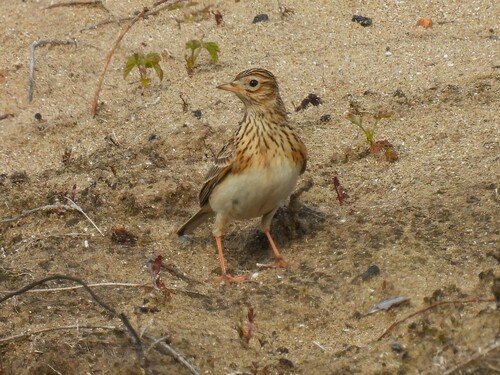
ヒバリ (Alauda arvensis) ヒバリ
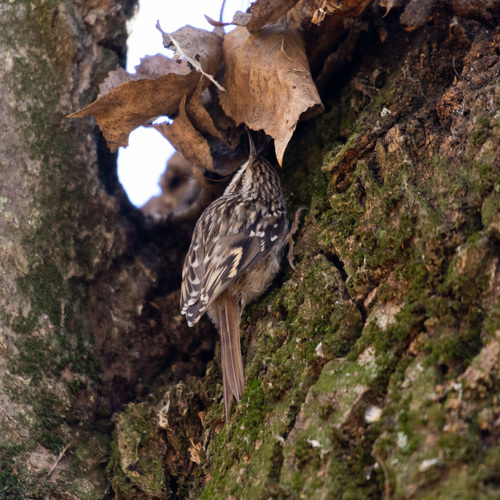
タンシキバシリ (Certhia brachydactyla) タンシキバシリ

メディア

読み込み中…

要点

ユーラシアヒバリとタンシキバシリを区別する最も信頼できる方法は、全体的な構造と行動によるものです:ヒバリは頑丈で地上に生息する歌鳥で、短い冠と広い翼を持ち、開けた野原で見られたり、高く舞い上がって歌ったりします。一方、タンシキバシリは小さくて細身の森林の鳥で、硬い尾を支えにして木の幹を這い上がります。飛行中、ヒバリは短い尾と白い縁のある広い翼を示し、特に後ろから見ると目立ちます。対照的に、タンシキバシリは開けた飛行中にほとんど見られず、そのような模様を示すことはありません。両者の羽毛は茶色で縞模様ですが、ヒバリはより大きく、下側はより淡い色をしています。一方、タンシキバシリは上面がより複雑な模様で、常に長く湾曲したくちばしを持っています。木の幹を登っている鳥を見たら、それは決してヒバリではありません。野原の上を高く舞っている鳥を見たら、それは決してタンシキバシリではありません。

識別のコツ

  1. 行動が最も早い区別法です: ヒバリは木の幹を登ることは決してありません;タンシキバシリはほとんど地面や開けた飛行中には見られません。
  2. 飛行のディスプレイ: 空中で高く舞い上がりながら歌っている鳥を見たら、それはヒバリです—タンシキバシリはこれを決して行いません。
  3. 止まっている姿勢: ヒバリは地面や低い植物の上に直立して立ち、しばしばわずかな冠が見えます;タンシキバシリは常に木の幹に押し付けられ、硬い尾を支えにしています。
  4. くちばしの形: ヒバリは短くて真っ直ぐなくちばしを持っています;タンシキバシリは長くて細く、強く湾曲したくちばしを持ち、遠くからでも明らかです。
  5. 尾の構造: ヒバリの尾は短くて四角い先端を持ち、後ろから飛んでいるときに白い縁が見えます;タンシキバシリの尾は長く、尖っていて硬く、樹皮に対する支えとして使われます。
  6. 上面: 両者とも上面は茶色で縞模様ですが、タンシキバシリは黒、バフ、白のより複雑な模様を持ち、赤褐色の尾羽があります;ヒバリはより均一で、赤褐色の尾羽がありません。
  7. 下面: ヒバリは下側が淡く、時には胸にわずかな縞模様があります;タンシキバシリは下側が汚れた白色で、喉が最も白く、時には幼鳥にバフ色の腹があります。
  8. スーパーシリウム: タンシキバシリは弱いオフホワイトのスーパーシリウムを持っています;ヒバリの顔の模様はより単純で、強い眉はありません。
  9. 冠: ヒバリは上げたり下げたりできる短くて鈍い冠を持っています;タンシキバシリには冠がありません。
  10. 飛行中の翼の模様: ヒバリは尾と後ろの翼に白い縁を示し、飛び去るときに見えます;タンシキバシリは飛行中に翼や尾に白を示しません。
  11. サイズ: ヒバリはタンシキバシリよりもはるかに大きくて頑丈です;もし鳥が小さくてネズミのように見えたら、それはタンシキバシリです。
  12. 生息地: ヒバリは開けた野原や草地に生息しています;タンシキバシリは成熟した木のある森林に限定されています。
  13. 歌: ヒバリの歌は長く、連続的で、飛行中に届けられます;タンシキバシリの歌は短く、均一で、幹から発せられます。
  14. 幼鳥の混乱: 幼鳥のタンシキバシリは下側が淡いですが、同じ構造と木登りの行動を示します;ヒバリの幼鳥は構造と行動が成鳥に似ています。
  15. 落とし穴: 両者は茶色で縞模様ですが、構造、行動、生息地は常に信頼できるものです—不十分な視界では羽毛だけに頼らないでください。

大きさ

ユーラシアヒバリははるかに大きく、全長は18〜19 cmであるのに対し、タンシキバシリは約12.5 cmしかありません。タンシキバシリは体重もはるかに軽く(体重約8.4 g)より繊細で、細長い外観をしています。ヒバリは頑丈でずんぐりした体型をしており、体と頭が明らかに大きいです。野外では、ヒバリはタンシキバシリのほぼ2倍の大きさに見え、全体的にずっと頑丈です。

羽色

どちらの種にも、未熟な鳥に混乱を引き起こすような年齢特有の上翼や飛行のマークは記載されていません。成鳥のヒバリは主に上面が茶色で、下面が淡い色をしており、上げたり下げたりできる短くて鈍い冠を持っています。飛行中、短い尾と広い翼を示し、尾と後ろの翼には白い縁があります—これらの白い縁は、鳥が飛び去るときには見えますが、近づくときには見えません。タンシキバシリは、すべての年齢で、黒、バフ、白の複雑な模様の茶色の上面を持ち、赤褐色の尾羽と汚れた白色の下面(幼鳥はバフ色の腹を持つことがあります)を持っています。スーパーシリウムは弱くオフホワイトで、喉が最も白い部分です。くちばしは常に長く湾曲しており、尾は硬く尖っています。ヒバリは赤褐色の尾羽がなく、くちばしははるかに短く、決して木を登ることはありません。幼鳥のタンシキバシリは下側が淡いですが、同じ構造と木登りの行動を示します。

行動

ヒバリは地上に生息し、開けた野原や農地で歩いたり走ったりしているのがよく見られます。最も特徴的な行動は、オスのディスプレイ飛行です:空高く舞い上がりながら数分間歌うことです。木に止まることはほとんどありません。タンシキバシリはほとんど常に森林の木の幹を登っているのが見られ、硬い尾を支えにして短いネズミのような跳躍で移動します。地面にいるのはほとんど見られず、飛行中に舞ったり歌ったりすることは決してありません。もし木の幹を這い上がっている鳥を見たら、それはタンシキバシリです;もし開けた草地で舞ったり歩いたりしている鳥を見たら、それはヒバリです。

生息環境

ヒバリは開けた生息地—農地、ヒース、草地、野原—を好み、地面で餌を探し、空中でディスプレイします。密な森林は避けます。タンシキバシリは森林の専門家で、成熟した木(特に落葉樹)のある森林に生息し、幹や大きな枝から離れているのはほとんど見られません。もし密集した木立の中にいて、樹皮を登っている鳥を見たら、それはタンシキバシリです;もし開けた土地にいるなら、それはヒバリです。

声

ヒバリは、地面の高いところでのホバリング飛行中に届けられる長く、泡立つ、途切れのない歌で有名です。歌は数分間続くことがあり、明確で連続的なさえずりです。タンシキバシリの声ははるかに静かで目立たず、繰り返される鋭い「ティット...ティット ティット-ティット」という呼び声と短く均一な歌のシーケンスがあります。タンシキバシリは飛行中に歌うことはなく、一般的にヒバリよりもはるかに声が少なく目立たないです。もし上から長く、高く、連続的な歌を聞いたら、それはヒバリです;タンシキバシリの呼び声は微妙で、幹から発せられます。

より良い説明を送る

比較と同じ項目を使ってください。文章はすぐに公開されます。

The most reliable way to separate Eurasian Skylark from Short-toed Treecreeper is by overall structure and behavior: Skylark is a robust, ground-dwelling songbird with a short crest and broad wings, often seen in open fields or hovering high while singing, while Short-toed Treecreeper is a tiny, slim woodland bird that creeps up tree trunks using its stiff tail for support. In flight, Skylark shows a short tail and broad wings with white edges on the tail and rear wing, especially visible from behind; Treecreeper, by contrast, is rarely seen in open flight and never shows such patterning. Plumage is brown and streaky in both, but Skylark is bulkier and paler below, while Treecreeper is more intricately patterned above and always has a long, decurved bill. If you see a bird climbing a tree trunk, it is never a Skylark. If you see a bird hovering high over a field, it is never a Treecreeper.

  1. Behavior is the fastest separator: Skylark is never seen climbing tree trunks; Treecreeper is almost never seen on the ground or in open flight.
  2. Flight display: If you see a bird hovering high in the air while singing, it is a Skylark—Treecreeper never does this.
  3. Perched posture: Skylark stands upright on the ground or low vegetation, often with a slight crest visible; Treecreeper is always pressed against a tree trunk, using its stiff tail for support.
  4. Bill shape: Skylark has a short, straight bill; Treecreeper has a long, slender, and strongly decurved bill, obvious even at a distance.
  5. Tail structure: Skylark's tail is short and square-tipped, with white edges visible in flight from behind; Treecreeper's tail is long, pointed, and stiff, used as a prop against bark.
  6. Upperparts: Both are brown and streaky above, but Treecreeper is more intricately patterned with black, buff, and white, and has a rufous rump; Skylark is more uniform and lacks a rufous rump.
  7. Underparts: Skylark is pale below, sometimes with faint streaking on the breast; Treecreeper is dingy whitish below, with the throat the whitest part and sometimes a buff belly in juveniles.
  8. Supercilium: Treecreeper has a weak, off-white supercilium; Skylark's facial pattern is plainer, with no strong eyebrow.
  9. Crest: Skylark has a short, blunt crest that can be raised or lowered; Treecreeper lacks any crest.
  10. Wing pattern in flight: Skylark shows white edges to the tail and rear wing, visible when flying away; Treecreeper does not show any white in the wings or tail in flight.
  11. Size: Skylark is much larger and bulkier than Treecreeper; if the bird looks tiny and mouse-like, it is a Treecreeper.
  12. Habitat: Skylark is found in open fields and grasslands; Treecreeper is restricted to woodland with mature trees.
  13. Song: Skylark's song is long, continuous, and delivered in flight; Treecreeper's song is short, even, and given from trunks.
  14. Juvenile confusion: Juvenile Treecreepers are paler below but still show the same structure and tree-climbing behavior; Skylark juveniles resemble adults in structure and behavior.
  15. Pitfalls: Both are brown and streaky, but structure, behavior, and habitat are always reliable—do not rely on plumage alone in poor views.

Eurasian Skylark is much larger, measuring 18–19 cm in length, while Short-toed Treecreeper is only about 12.5 cm long. The Treecreeper is also much lighter (body mass around 8.4 g) and more delicate, with a slim, elongated appearance. Skylark is robust and chunky, with a noticeably larger body and head. In the field, Skylark will appear almost twice the size of a Treecreeper, and is much bulkier overall.

No age-specific upperwing or flight marks are described for either species that would cause confusion in immature birds. Adult Skylark is mainly brown above and pale below, with a short, blunt crest that can be raised or lowered. In flight, it shows a short tail and broad wings, with white edging to the tail and rear wing—these white edges are visible when the bird is flying away but not when approaching. Treecreeper, of all ages, is intricately patterned brown above with black, buff, and white, a rufous rump, and dingy whitish underparts (juveniles may have a buff belly). The supercilium is weak and off-white, and the throat is the whitest part. The bill is always long and decurved, and the tail is stiff and pointed. Skylark lacks any rufous rump, has a much shorter bill, and never creeps up trees. Juvenile Treecreepers are paler below but still show the same structure and tree-climbing behavior.

Skylark is a ground-dweller, often seen walking or running in open fields and farmland. Its most distinctive behavior is the male's display flight: hovering high in the sky while singing for minutes at a time. It rarely perches in trees. Treecreeper is almost always seen climbing up tree trunks in woodlands, using its stiff tail for support and moving in short, mouse-like hops. It is rarely seen on the ground and never hovers or sings in flight. If you see a bird creeping up a trunk, it is a Treecreeper; if you see a bird hovering or walking in open grass, it is a Skylark.

Skylark prefers open habitats—farmland, heath, grassland, and fields—where it can forage on the ground and display in the air. It avoids dense woodland. Treecreeper is a woodland specialist, found in forests with mature trees (especially deciduous), and is rarely seen away from trunks or large branches. If you are in a dense stand of trees and see a bird climbing bark, it is a Treecreeper; if you are in open country, it is a Skylark.

Skylark is famous for its long, bubbling, unbroken song, delivered in hovering flight high above the ground. The song can last several minutes and is a clear, continuous warble. Treecreeper's vocalizations are much quieter and less conspicuous: a repeated shrill 'tyt...tyt tyt-tyt' call and a short, even song sequence. Treecreeper does not sing in flight and is generally much less vocal and less obvious than Skylark. If you hear a long, high, continuous song from above, it is Skylark; Treecreeper's calls are subtle and given from trunks.

変更を破棄しますか?

保存していない編集があります。今離れると失われます。

ヒバリ · タンシキバシリ · 苦手な鳥